
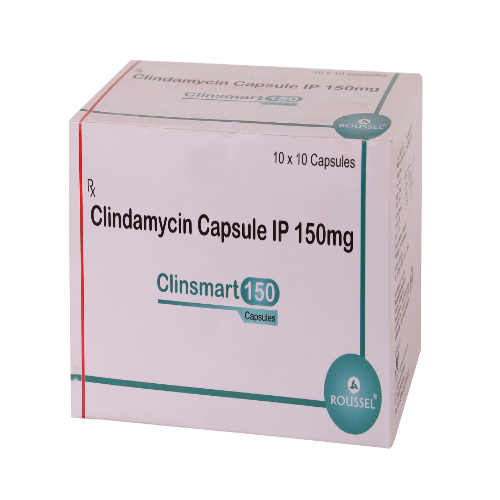
Clindamycin 150 mg
Price range: $370.00 through $999.00
| Variation | Price | Quantity | Add To Cart |
|---|---|---|---|
| 180 pills | $550.00 |
|
Add to cart |
| 360 pills | $999.00 |
|
Add to cart |
| 90 pills | $370.00 |
|
Add to cart |
Clindamycin 150 mg: Product Information and Safety Guide
Clindamycin 150 mg is an oral antibiotic strength used in certain treatment plans for bacterial infections. It belongs to the lincosamide group of antibiotics and works by interfering with bacterial protein production. A healthcare professional may prescribe clindamycin when the suspected or confirmed bacteria are susceptible to the medicine and it is considered an appropriate treatment option.
Choosing an antibiotic requires more than matching a medicine to a symptom. The infection’s location, severity, likely cause, allergy history and other health factors all matter. This guide explains the general role of clindamycin 150 mg, its precautions and the potential side effects patients should understand.
Understanding Clindamycin 150 mg
Clindamycin is an antibiotic used to treat selected infections caused by susceptible bacteria. The 150 mg designation indicates the amount of active ingredient in a dosage unit when confirmed by the product label. The medicine is available in different formulations and strengths, depending on the market and manufacturer.
The strength printed on a package does not, by itself, establish the correct treatment schedule. The amount prescribed and the length of treatment depend on the diagnosis, individual patient factors and the prescriber’s clinical judgement.
When Is Clindamycin Prescribed?
Clindamycin may be considered for certain bacterial infections involving the skin and soft tissues, bones, joints, or other sites where susceptible bacteria are responsible. It may also be selected for particular infections involving anaerobic bacteria, depending on clinical circumstances and local treatment guidance.
It is not suitable for every infection. Some bacteria are resistant to clindamycin, and other antibiotics may be more appropriate. A clinician may review examination findings, laboratory tests or culture results when deciding which medicine to prescribe.
How Does Clindamycin Work?
Bacteria depend on protein production to grow and perform essential functions. Clindamycin acts on bacterial ribosomes, disrupting protein synthesis and limiting the growth of susceptible organisms. This allows the body’s immune system to help manage the infection.
The medicine does not treat viral illnesses such as the common cold or influenza. Using antibiotics when they are not needed exposes patients to unnecessary risks and can contribute to antimicrobial resistance.
What to Know About the 150 mg Strength
Clindamycin 150 mg is one available strength of this antibiotic. It should not be assumed to be equivalent to a higher-strength capsule on a one-for-one basis. Never change the number of capsules, dosing frequency or treatment duration without guidance from the prescriber.
Use the medicine only for the person and infection for which it was prescribed. Do not share capsules, reuse leftover antibiotics or independently start treatment for a new illness. If the instructions on the packaging differ from your prescription, ask a pharmacist to clarify the discrepancy before taking the medicine.
Taking Oral Clindamycin Correctly
Follow the instructions on your prescription label and the patient information leaflet supplied with the product. If the medicine is a capsule, swallow it with a full glass of water and remain upright for at least 30 minutes after taking it. This reduces the risk of irritation or injury to the oesophagus.
If you miss a dose, consult your patient leaflet or pharmacist for advice. Avoid doubling a dose to make up for one you missed unless a healthcare professional specifically instructs you to do so. Contact your prescriber if your symptoms worsen, fail to improve as expected or you cannot tolerate the medicine.
Possible Side Effects
Some people experience side effects while taking clindamycin. These may include:
- Nausea or vomiting
- Abdominal discomfort
- Diarrhoea
- Other digestive disturbances
- Skin rash or other signs of sensitivity
A particularly important risk is severe antibiotic-associated diarrhoea or colitis, including infection caused by Clostridioides difficile (C. difficile). This can develop during treatment or after it has finished. Seek prompt medical advice if you experience persistent or severe diarrhoea, watery stools, abdominal cramps or diarrhoea with fever. Do not assume these symptoms are harmless or treat them with anti-diarrhoeal medicines without medical advice.
Seek emergency medical care if you experience difficulty breathing, swelling of the face or throat, or another sign of a severe allergic reaction. Serious or rapidly worsening symptoms require urgent assessment.
Precautions Before Treatment
Tell your prescriber if you have previously experienced colitis, inflammatory bowel disease, significant digestive problems, liver disease or a serious reaction to antibiotics. Share details of any known medicine allergies and any history of antibiotic-associated diarrhoea.
Provide a complete list of medicines, vitamins and supplements you use. A pharmacist or prescriber can check for possible interactions and determine whether additional monitoring or another treatment is needed. If you are pregnant, planning a pregnancy or breastfeeding, seek individual advice before using clindamycin.
Antibiotic Resistance and Responsible Use
Antibiotic resistance occurs when bacteria become less susceptible to medicines that once controlled them. Unnecessary use and inappropriate treatment can contribute to this problem, making some infections more difficult to manage.
Clindamycin should be used only when there is a suitable clinical reason. Follow the treatment plan provided by your healthcare professional, and ask for advice if you develop side effects or are unsure how to proceed. Do not use this antibiotic to treat a viral illness.
Storage and Handling
Keep the medicine in its original packaging and follow the storage instructions on the label. Store it securely and out of children’s reach. Do not use expired capsules, share your prescription or retain unused antibiotics for future self-treatment. Ask a pharmacist how to dispose of unwanted medicine safely.
Frequently Asked Questions
What is clindamycin 150 mg used for?
It is an antibiotic strength that may be prescribed for certain bacterial infections caused by susceptible organisms. The appropriate use depends on the diagnosis and the clinician’s assessment.
Can clindamycin 150 mg treat a viral infection?
No. Clindamycin acts against susceptible bacteria, not viruses responsible for illnesses such as colds and influenza.
Can clindamycin cause serious diarrhoea?
Yes. Although mild digestive effects can occur, severe or persistent diarrhoea may indicate a serious complication. Seek medical advice promptly, even if symptoms begin after the course has ended.
Can I substitute clindamycin 150 mg for another strength?
Do not substitute strengths or adjust the number of capsules without advice from your prescriber or pharmacist. The correct regimen depends on the infection and individual clinical factors.
Should I use leftover clindamycin for a new infection?
No. A new illness needs an appropriate assessment because its cause may differ and the medicine may not be suitable. Never share or reuse prescription antibiotics without professional advice.
Trusted Sources for Further Information
Medical Disclaimer
This page provides general educational information and does not replace medical advice, diagnosis or treatment. Clindamycin should be used only when prescribed or otherwise authorised by an appropriately qualified healthcare professional under applicable local rules. Always follow the official product information and confirm the formulation, strength and instructions with a pharmacist or prescriber.
| Select Variation |
360 pills ,180 pills ,90 pills |
|---|




Reviews
There are no reviews yet.