
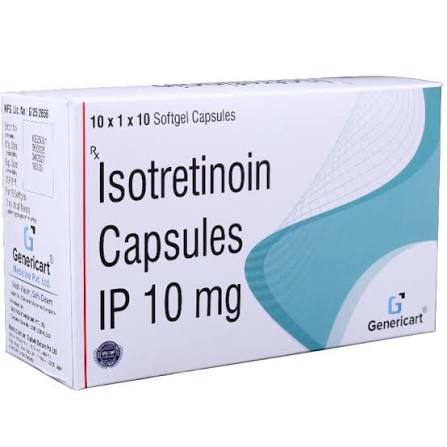
Isotretinoin 10 mg
| Variation | Price | Quantity | Add To Cart |
|---|
Isotretinoin 10 mg: Uses, Precautions and Patient Information
Acne can range from occasional blemishes to persistent, deeply inflamed lesions that may cause discomfort and lasting scars. When severe acne has not responded adequately to other treatments, a dermatologist may consider oral isotretinoin as part of a closely supervised treatment plan.
This guide covers isotretinoin 10 mg, including its purpose, how it works, possible side effects, monitoring requirements, and precautions to understand before treatment. The 10 mg strength is available in some markets. Whether it is appropriate for a particular person depends on their clinical circumstances, the prescribed product, and local medical guidance.
What Is Isotretinoin 10 mg?
Isotretinoin is an oral retinoid related to vitamin A. It is prescribed by qualified healthcare professionals for selected cases of severe acne, especially when other suitable treatments have not provided adequate improvement or when there is concern about permanent scarring.
The 10 mg designation indicates the amount of active ingredient in the dosage form. It does not establish a suitable treatment plan for an individual. A dermatologist assesses acne severity, previous treatment, medical history, possible interactions, and monitoring needs before deciding whether isotretinoin is appropriate.
What Types of Acne May Require Specialist Treatment?
Acne can involve blackheads, whiteheads, inflamed spots, and deeper lesions. Some severe forms can cause pain and lasting scars. A dermatologist can distinguish between different types of acne and recommend treatment based on their severity and likely response.
- Persistent inflammatory acne: Ongoing inflammation may need a specialist assessment.
- Deep or painful lesions: More severe acne can involve nodules and other lesions beneath the skin.
- Acne that has not improved with other treatments: A dermatologist may consider isotretinoin after reviewing previous treatment outcomes.
- Concern about scarring: Severe acne can leave long-term changes in skin texture and appearance.
Isotretinoin is not necessary for every acne concern. Less severe acne may respond to other treatments, and professional assessment is important before beginning a prescription medicine.
How Does Isotretinoin Work?
Isotretinoin affects several biological processes involved in acne development. It reduces the activity of the sebaceous glands and the amount of oil produced by the skin. It also influences pore blockage and processes associated with inflammation.
These effects can help manage severe acne, but the medicine can also cause significant side effects. Treatment requires appropriate supervision, and individual responses vary. Patients should discuss unexpected symptoms or concerns with their dermatologist rather than changing the treatment plan independently.
Important Safety Information
Isotretinoin requires careful prescribing and monitoring. Before starting treatment, tell your healthcare professional about your medical history and all medicines, vitamins, and supplements you use.
Pregnancy prevention
Isotretinoin can cause severe birth defects if taken during pregnancy and must not be used during pregnancy. People who can become pregnant must comply with the pregnancy-prevention programme and prescribing requirements applicable in their country. These may include pregnancy testing and contraception measures. If pregnancy occurs or is suspected during treatment, contact your prescriber urgently and follow the programme’s instructions.
Blood tests and follow-up appointments
Your prescriber may request blood tests before or during treatment to assess liver function and blood lipid levels. Monitoring requirements depend on individual risk factors and local guidance. Attend scheduled appointments and report new or worsening symptoms.
Interactions with medicines and supplements
Do not take vitamin A supplements or combine isotretinoin with other acne medicines without checking with a healthcare professional. Tetracycline antibiotics, including doxycycline, can interact with isotretinoin and increase the risk of raised pressure inside the skull. Give your prescriber and pharmacist a complete list of your medicines and supplements.
Mood and mental well-being
Discuss any history of depression or other mental health concerns before treatment. Report significant changes in mood or behaviour promptly. Seek urgent assistance if you experience thoughts of self-harm or suicide.
Possible Side Effects
Side effects vary from person to person. Dryness is common, but other effects may require medical assessment. Potential side effects include:
- Dry, cracked lips
- Dry, peeling, or sensitive skin
- Dry eyes or eye irritation
- Nasal dryness or nosebleeds
- Greater sensitivity to sunlight
- Muscle, joint, or back discomfort
- Changes in liver enzyme or blood lipid test results
Seek prompt medical advice for severe abdominal pain, major changes in vision, a severe headache accompanied by nausea, yellowing of the skin or eyes, or concerning mood changes. Severe allergic symptoms and other potentially life-threatening reactions require urgent medical attention.
Practical Skin-Care Considerations
Because isotretinoin can increase dryness and sensitivity, a gentle skin-care routine may help reduce discomfort during treatment. Ask your dermatologist which products are suitable for your skin.
- Choose a mild cleanser and avoid abrasive scrubs.
- Use a moisturiser suitable for dry or sensitive skin.
- Apply lip balm to help prevent cracking.
- Protect exposed skin from sunlight with suitable clothing and sunscreen.
- Ask your dermatologist before waxing, exfoliating, or undergoing cosmetic procedures that may irritate the skin.
Avoid adding strong acne treatments or supplements without professional advice. Some products may worsen irritation or interact with treatment.
Frequently Asked Questions
What is isotretinoin 10 mg used for?
Oral isotretinoin is used for selected cases of severe acne under medical supervision. A dermatologist decides whether it is appropriate based on the individual’s condition and treatment history.
Does isotretinoin require medical monitoring?
Yes. Treatment includes clinical follow-up and may involve blood tests to assess liver function and blood lipid levels. The monitoring plan depends on individual circumstances and local guidance.
Why is pregnancy prevention essential?
Isotretinoin can cause severe birth defects if taken during pregnancy. People who can become pregnant must follow the applicable pregnancy-prevention requirements and their prescriber’s instructions.
Can I take other acne medicines with isotretinoin?
Some combinations may be unsafe. Tell your healthcare professional about all medicines and supplements, especially vitamin A products and tetracycline antibiotics, before starting or changing treatment.
Trusted Medical Resources
For more detailed information about isotretinoin, its risks, and treatment precautions, consult recognised medical resources and the official patient leaflet supplied with your prescribed product.
- MedlinePlus: Isotretinoin drug information
- NHS: Isotretinoin capsules
- U.S. Food and Drug Administration: Drug safety information
Medical Disclaimer
This content is for general educational purposes and does not replace professional medical advice, diagnosis, or treatment. Isotretinoin has significant risks and must be used under qualified medical supervision. Approved uses, product availability, and pregnancy-prevention requirements vary by country. Always follow your healthcare professional’s instructions and the official information for your specific product.
| Select Variation |
360 pills ,180 pills ,90 pills |
|---|
Reviews
There are no reviews yet.