
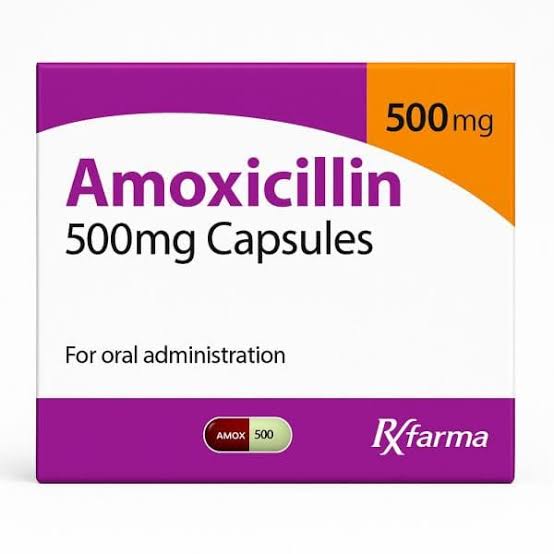
Amoxicillin 500 mg
Price range: $350.00 through $979.00
| Variation | Price | Quantity | Add To Cart |
|---|---|---|---|
| 180 pills | $530.00 |
|
Add to cart |
| 360 pills | $979.00 |
|
Add to cart |
| 90 pills | $350.00 |
|
Add to cart |
Amoxicillin 500 mg: Uses, Safety and Patient Information
Amoxicillin 500 mg is an antibiotic used to treat certain bacterial infections when a healthcare professional determines that it is appropriate. It belongs to the penicillin family of antibiotics and works by interfering with the formation of bacterial cell walls. This action helps control susceptible bacteria and allows the body’s immune system to respond to the infection.
Amoxicillin is commonly prescribed for selected infections, but it is not suitable for every illness. The correct treatment depends on the infection, the bacteria involved, allergy history and other individual health factors. This guide covers the general uses of amoxicillin 500 mg, possible side effects and important precautions.
What Is Amoxicillin 500 mg?
Amoxicillin is a penicillin-type antibiotic available in several formulations and strengths. The 500 mg designation refers to the amount of active ingredient in a dosage unit, as confirmed by the product label. A prescriber chooses the appropriate formulation and regimen based on the diagnosis and the patient’s circumstances.
The strength alone does not determine how frequently the medicine should be taken or how long treatment should last. Different infections may require different treatment plans, and some bacteria are resistant to particular antibiotics.
What Is Amoxicillin Used For?
Depending on the diagnosis and local prescribing guidance, amoxicillin may be prescribed for certain bacterial infections, including selected:
- Ear, nose and throat infections
- Respiratory tract infections
- Dental infections
- Urinary tract infections caused by susceptible bacteria
- Other infections for which amoxicillin is considered an appropriate option
These examples are not a recommendation to take amoxicillin for any particular symptom. Some infections need another antibiotic, while others may not require antibiotics. A qualified healthcare professional should assess the condition and determine the appropriate treatment.
How Does Amoxicillin Work?
Bacteria rely on strong cell walls to maintain their structure and survive. Amoxicillin interferes with the processes involved in building these walls, causing susceptible bacteria to become vulnerable and die.
Amoxicillin does not treat viral infections such as the common cold or influenza. Taking antibiotics unnecessarily can cause side effects and contribute to antimicrobial resistance, which can make future bacterial infections more difficult to treat.
Understanding the 500 mg Strength
Amoxicillin 500 mg is one available strength, but the correct regimen depends on the type and severity of the infection, the patient’s age and health, kidney function and other relevant factors. A 500 mg product should not be used according to assumptions based solely on its strength.
Use amoxicillin only as prescribed. Do not change the number of capsules or tablets, alter the treatment duration or share the medicine with someone else. If your prescription instructions do not match the product leaflet, ask your pharmacist or prescriber to clarify them.
Taking Amoxicillin Safely
Follow the directions on your prescription label and the patient leaflet supplied with your medicine. Amoxicillin can often be taken with or without food, but you should follow the instructions for your specific formulation.
If you miss a dose, consult the leaflet or ask a pharmacist what to do. Do not take an extra dose to compensate unless a healthcare professional specifically advises you to do so. Seek medical advice if symptoms worsen, fail to improve as expected or you develop concerning side effects.
Possible Side Effects of Amoxicillin
Some people experience side effects while taking amoxicillin. Possible effects include:
- Nausea
- Diarrhoea
- Vomiting
- Skin rash
- Abdominal discomfort
Contact a healthcare professional if side effects are persistent or troublesome. Severe or persistent diarrhoea, particularly if bloody or accompanied by fever or significant abdominal pain, requires prompt medical assessment. Antibiotic-associated diarrhoea can sometimes begin after treatment has finished.
Penicillin Allergy: An Important Warning
Amoxicillin may cause serious allergic reactions in people who are allergic to penicillin or related antibiotics. Tell your prescriber about any previous reaction to amoxicillin, penicillin or another beta-lactam antibiotic before starting treatment.
Seek emergency medical attention if you experience difficulty breathing, swelling of the face, lips or throat, faintness, or a rapidly developing severe allergic reaction. Do not take another dose while awaiting urgent medical assessment after a suspected serious allergic reaction.
Precautions and Possible Interactions
Before treatment, tell your healthcare professional if you have kidney problems, a history of severe allergies, glandular fever (infectious mononucleosis), or any other significant medical condition. Amoxicillin may not be appropriate in every situation.
Provide a complete list of your medicines and supplements. Certain medicines, including some anticoagulants, methotrexate and allopurinol, may require additional consideration when used with amoxicillin. Your prescriber or pharmacist can check for interactions and advise you on the safest approach.
If you are pregnant, planning a pregnancy or breastfeeding, ask a healthcare professional for advice specific to your circumstances.
Responsible Antibiotic Use
Antibiotic resistance develops when bacteria become less responsive to medicines. Using an antibiotic when it is not needed, or using one that is unsuitable for the infection, can contribute to this problem.
Use amoxicillin only for an appropriate clinical indication. Follow the prescribed treatment plan and do not keep leftover capsules for a future illness. If you are uncertain whether your symptoms require antibiotics, seek medical advice rather than self-treating.
Storage and Handling
Keep amoxicillin in its original packaging and follow the storage conditions on the label. Store it securely away from children and do not use it after its expiry date. Ask a pharmacist how to dispose of unused medicine safely rather than sharing it or saving it for another infection.
Frequently Asked Questions
What is amoxicillin 500 mg used for?
It may be prescribed for certain bacterial infections caused by susceptible bacteria. The correct treatment depends on the diagnosis and the patient’s individual circumstances.
Does amoxicillin treat colds or influenza?
No. These illnesses are caused by viruses, and amoxicillin does not treat viral infections.
Can amoxicillin cause diarrhoea?
Yes. Diarrhoea is a possible side effect. Severe, persistent or bloody diarrhoea should be assessed promptly by a healthcare professional.
Can I take amoxicillin if I am allergic to penicillin?
Amoxicillin is a penicillin antibiotic and may cause a serious reaction in people with a penicillin allergy. Discuss your allergy history with your prescriber before taking it.
Can I change my dose if I have 500 mg capsules?
Do not change the number of capsules or the treatment schedule yourself. Follow your prescription and ask a pharmacist or prescriber if the instructions are unclear.
Further Medical Information
Medical Disclaimer
This page is intended for general educational purposes and does not replace medical advice, diagnosis or treatment. Amoxicillin should be used only when prescribed or otherwise authorised by an appropriately qualified healthcare professional under applicable local rules. Follow the official product information and confirm the formulation, strength and directions with your pharmacist or prescriber.
| Select Variation |
360 pills ,180 pills ,90 pills |
|---|




Reviews
There are no reviews yet.