Health Tips
Best Foods to Relieve Oxycodone Constipation

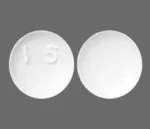
If you have started taking oxycodone for pain relief, there is a good chance your digestive system has already started complaining. Opioid-induced constipation affects a large majority of people who take drugs like oxycodone, and it often shows up within the first few days of treatment. The good news is that the right foods to relieve oxycodone constipation can make a real difference, sometimes without needing to add another medication into the mix.
In this article, you will learn exactly which foods help move things along, why oxycodone causes constipation in the first place, and how to build a simple eating pattern that keeps you regular even while your pain medication slows your gut down. We will also cover hydration, timing, foods to limit, and when it is time to call your doctor instead of relying on diet alone.
Why Oxycodone Causes Constipation
Oxycodone belongs to a class of drugs called opioids, and opioids attach to receptors not just in your brain but also throughout your digestive tract. Those receptors in your gut control muscle contractions and fluid secretion. When oxycodone binds to them, it slows down peristalsis, the wave-like muscle movement that pushes waste through your intestines.
At the same time, oxycodone increases water absorption from your stool back into your body, which leaves you with harder, drier stool that is more difficult to pass. This combination, slower movement plus less moisture, is why opioid-induced constipation (often shortened to OIC) is so common and so stubborn compared to regular constipation. Unlike constipation from dehydration or low fiber intake, OIC does not typically go away on its own as your body adjusts to the medication, which is why many people need a proactive plan from day one. If you want a deeper breakdown of the mechanism, our guide on oxycodone and constipation causes, prevention, and relief covers it in more detail.
Best Foods to Relieve Oxycodone Constipation
The foods that work best against opioid-induced constipation share a few traits: they are high in fiber, they hold onto water in the gut, or they contain natural compounds that stimulate bowel movement. Below are the categories and specific foods worth adding to your plate.
1. High-Fiber Fruits
Fruit is one of the easiest and most effective tools for relieving constipation from oxycodone because it combines fiber with water content.
- Prunes and prune juice: Prunes contain both soluble fiber and sorbitol, a natural sugar alcohol that pulls water into the intestines and softens stool. This is one of the most well-studied natural remedies for constipation.
- Pears: Pears are high in fructose and sorbitol, plus they carry roughly 6 grams of fiber per medium fruit with the skin on.
- Apples: Apples contain pectin, a soluble fiber that adds bulk to stool. Eating the skin matters here since that is where most of the fiber sits.
- Kiwi: Kiwi has been shown in research to improve stool frequency and ease of passage, likely due to its fiber and actinidin enzyme content.
- Berries: Raspberries and blackberries are among the highest-fiber fruits available, with 6-8 grams per cup.
2. Vegetables That Get Things Moving
Vegetables add both fiber and volume to your stool, which helps trigger the urge to go.
- Broccoli and Brussels sprouts: These cruciferous vegetables are fiber-dense and also contain sulforaphane, which may support gut motility.
- Leafy greens (spinach, kale, Swiss chard): Beyond fiber, leafy greens supply magnesium, a mineral that draws water into the intestines and relaxes intestinal muscle.
- Sweet potatoes: One medium sweet potato with skin provides about 4 grams of fiber along with potassium.
- Beets: Beets have a mild natural laxative reputation and add fiber plus nitrates that support healthy circulation to digestive tissue.
3. Whole Grains and Bran
Refined grains like white bread and white rice can make constipation worse, but whole grains do the opposite.
- Oatmeal: A bowl of oats provides soluble fiber that softens stool and adds bulk.
- Wheat bran and bran cereal: Bran is one of the most concentrated sources of insoluble fiber, which adds bulk and speeds transit time.
- Whole wheat bread and brown rice: Swapping refined grains for whole grain versions increases daily fiber intake without much extra effort.
- Chia seeds and flaxseed: Just one to two tablespoons mixed into yogurt, oatmeal, or a smoothie adds several grams of fiber and forms a gel-like substance in the gut that helps move stool along.
4. Legumes
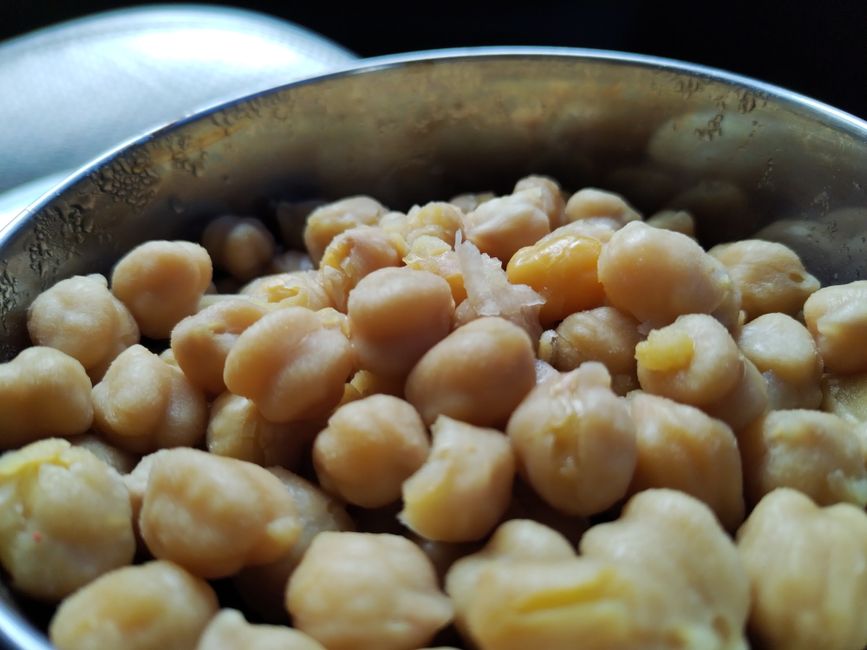
Beans, lentils, and chickpeas are among the highest-fiber foods you can eat, often containing 6-8 grams of fiber per half-cup serving. They also provide protein, which is helpful if you are trying to maintain strength while managing pain and reduced activity.
5. Probiotic and Fermented Foods
Opioids can disrupt the balance of bacteria in your gut, and an unhealthy gut microbiome is linked to slower digestion. Fermented foods reintroduce beneficial bacteria that support regular bowel function.
- Yogurt with live cultures: Look for labels that say “live and active cultures” and choose plain varieties without added sugar, since excess sugar can feed unhealthy gut bacteria.
- Kefir: This fermented milk drink often contains a wider variety of probiotic strains than yogurt and is well tolerated by many people who are lactose sensitive.
- Sauerkraut and kimchi: These fermented vegetables provide both probiotics and fiber, a helpful combination for opioid-induced constipation.
- Miso and tempeh: Fermented soy products offer probiotics along with plant protein, making them a versatile addition to soups and stir-fries.
6. Healthy Fats
A small amount of healthy fat can help lubricate the digestive tract and stimulate the natural muscle contractions that move stool through the intestines.
- Olive oil: A tablespoon drizzled over vegetables or salad can gently encourage bowel movements.
- Nuts and nut butters: Almonds, walnuts, and peanut butter provide fat along with fiber, but they should be eaten in moderation since fat alone in large amounts can slow digestion for some people.
- Avocado: This fruit is rich in both fiber and monounsaturated fat, making it one of the more balanced choices for constipation relief.
7. Warm Fluids
Warm liquids can relax the digestive tract and encourage movement, especially first thing in the morning.
- Warm water with lemon: A simple morning habit that many people find stimulates the urge to have a bowel movement.
- Herbal teas: Senna tea, dandelion tea, and peppermint tea are commonly used to support digestion, though senna should be used cautiously and only occasionally since it acts as a stimulant laxative.
- Warm broth: Bone broth or vegetable broth adds fluid and a small amount of nutrients without weighing down the digestive system.
Foods and Habits to Avoid While on Oxycodone
Just as certain foods help relieve constipation, others make it worse. If you are dealing with opioid-induced constipation, it helps to know what to limit or avoid.
- Processed and fried foods: These are typically low in fiber and high in unhealthy fats, both of which slow digestion.
- Dairy in excess: While yogurt and kefir can help, large amounts of cheese or milk can bind stool and worsen constipation in some people.
- Red meat: High-fat, low-fiber red meat is one of the most constipating foods, especially when eaten in large portions.
- Refined sugar and white flour products: Pastries, white bread, and sugary snacks lack the fiber needed to keep stool soft and moving.
- Alcohol and caffeine in excess: Both can be dehydrating, which reduces the water content of stool and makes it harder to pass.
For a more detailed breakdown of what to avoid while on this medication, see our guide on foods to avoid while taking oxycodone.
Sample One-Day Meal Plan for Oxycodone-Related Constipation
Putting these foods together into an actual meal plan makes it easier to stay consistent. Here is an example of what a day of eating might look like for someone trying to relieve opioid-induced constipation.
- Breakfast: Oatmeal topped with sliced banana (once ripe), chia seeds, and a splash of kefir.
- Mid-morning snack: A pear with the skin on, plus a small handful of almonds.
- Lunch: A large salad with mixed greens, chickpeas, olive oil dressing, and a side of whole grain bread.
- Afternoon snack: Plain yogurt with berries and a drizzle of flaxseed.
- Dinner: Grilled salmon or a lentil stew, steamed broccoli, and brown rice.
- Evening: A cup of warm herbal tea and, if needed, a couple of prunes.
Throughout the day, aim to sip water consistently rather than drinking it all at once. Staying hydrated is just as important as the food choices themselves when it comes to keeping stool soft.
Beyond Diet: Other Strategies That Support Relief
Diet is a powerful tool, but it works best when combined with other habits. If you have already reviewed our article on prevention and relief strategies that actually work, you already know that fiber and fluids are only part of the picture.
- Stay physically active: Even light walking or gentle stretching can stimulate the muscles of the digestive tract. Movement is one of the simplest, most underrated tools for managing opioid-induced constipation.
- Do not delay bowel movements: When you feel the urge to go, try to respond promptly. Ignoring the signal can allow the colon to reabsorb more water from stool, making it harder and more difficult to pass later.
- Consider a stool softener or laxative if needed: Diet changes take time to work, and in the meantime, over-the-counter options like polyethylene glycol may be recommended by your doctor. Our article on mixing oxycodone and Miralax explains how this is typically approached safely.
- Ask about prescription options for OIC: If diet and over-the-counter remedies are not enough, there are prescription medications specifically designed for opioid-induced constipation (OIC) that work differently from standard laxatives, and your prescriber can discuss whether one might be appropriate.
- Track your bowel habits: Keeping a simple log of frequency, consistency, and any discomfort can help you and your doctor see patterns and adjust your approach as needed.
According to Mayo Clinic, opioid-induced constipation is one of the most common and persistent side effects of opioid therapy, and it typically does not resolve on its own the way other side effects, like drowsiness, often do over time. This is part of why a proactive, ongoing approach to diet and hydration matters so much for people on long-term oxycodone therapy.
When Diet Alone Is Not Enough
For many people, dietary changes make a real, noticeable difference within a few days to a couple of weeks. However, opioid-induced constipation can be stubborn, particularly for those on higher doses or extended-release formulations. It is important to recognize when it is time to reach out to a healthcare provider rather than continuing to manage things on your own.
Contact your doctor if you experience any of the following:
- No bowel movement for three or more days despite dietary changes and adequate hydration
- Severe abdominal pain, bloating, or cramping
- Nausea or vomiting alongside constipation
- Blood in the stool or on toilet paper
- Stool that is unusually hard, pellet-like, or difficult to pass even with straining
These symptoms could indicate a more serious complication, such as a bowel obstruction or severe impaction, which requires prompt medical attention rather than home remedies.
Frequently Asked Questions
How quickly do these foods work for oxycodone constipation?
Most people notice some improvement within two to five days of consistently increasing fiber and fluid intake. Prunes and prune juice tend to act faster, often within 24 to 48 hours, while general dietary fiber from whole grains and vegetables may take a little longer to build up an effect. Consistency matters more than any single food eaten once.
Can I just take a fiber supplement instead of eating these foods?
Fiber supplements like psyllium husk can help, but they are not always the best first choice for opioid-induced constipation. Because opioids slow gut motility so significantly, adding a large amount of fiber without enough fluid or without addressing the underlying slow transit can sometimes worsen bloating or discomfort. Whole foods provide fiber along with water content, natural sugars that draw water into the stool, and other nutrients that supplements lack. It is best to ask your doctor before starting any fiber supplement while on oxycodone.
Is it safe to eat a lot of fiber all at once?
No. Increasing fiber intake too quickly can lead to gas, bloating, and cramping, especially in someone whose digestive system is already slowed by opioids. It is better to increase fiber gradually over several days while also increasing water intake at the same time.
Do I need to avoid dairy completely if I am on oxycodone?
Not necessarily. Fermented dairy products like plain yogurt and kefir can actually help by introducing beneficial bacteria. However, large amounts of cheese, whole milk, or ice cream can be more binding and may worsen constipation for some individuals. Pay attention to how your body responds and adjust accordingly.
Can these foods interact with oxycodone itself?
Most of the foods discussed here are safe to eat alongside oxycodone and do not interfere with how the medication works. The one major exception to be aware of is grapefruit and grapefruit juice, which can affect how oxycodone is metabolized in the body. You can read more about this specific interaction in our article on oxycodone and grapefruit juice.
Final Thoughts
Opioid-induced constipation is one of the most common and frustrating side effects of taking oxycodone, but it does not have to be something you simply endure. By intentionally incorporating fiber-rich fruits, vegetables, whole grains, legumes, probiotics, healthy fats, and warm fluids into your daily routine, you can meaningfully reduce the discomfort and irregularity that oxycodone often causes. Pair these dietary changes with adequate hydration, light physical activity, and prompt attention to bowel urges for the best results. If food-based strategies are not providing enough relief on their own, do not hesitate to talk to your doctor about additional options, including stool softeners, laxatives, or medications designed specifically for opioid-induced constipation. With the right combination of diet and medical guidance, most people are able to find real, lasting relief.
Sample Meal Ideas to Keep Things Moving
Knowing which foods help is one thing, but putting them together into meals you will actually want to eat is another. Here are a few simple combinations that pack a fiber and gut-friendly punch without requiring a complete overhaul of your diet.
Breakfast options
- Oatmeal topped with chia seeds, ground flaxseed, and sliced pears
- Greek yogurt with live cultures, mixed berries, and a sprinkle of bran cereal
- Whole grain toast with mashed avocado and a side of prunes
- A warm smoothie made with kefir, spinach, banana, and a spoonful of almond butter
Lunch options
- A large salad with mixed greens, chickpeas, roasted sweet potato, and an olive oil dressing
- Lentil soup with a side of whole grain crackers
- Whole wheat wrap filled with hummus, shredded carrots, spinach, and cucumber
Dinner options
- Grilled salmon with steamed broccoli and quinoa
- Black bean and vegetable stir-fry served over brown rice
- Baked chicken with roasted Brussels sprouts and a small baked sweet potato, skin on
Snack ideas
- A handful of walnuts or almonds paired with dried apricots
- Apple slices with a tablespoon of natural peanut butter
- A small bowl of popcorn (air-popped, whole grain) with a drizzle of olive oil
- Kiwi fruit, which is often overlooked but is surprisingly effective for digestive regularity
These meals are designed to layer multiple constipation-fighting ingredients together rather than relying on just one food to do all the work. Consistency matters more than any single