Health Tips
Best Time to Take Oxycodone for Pain Relief

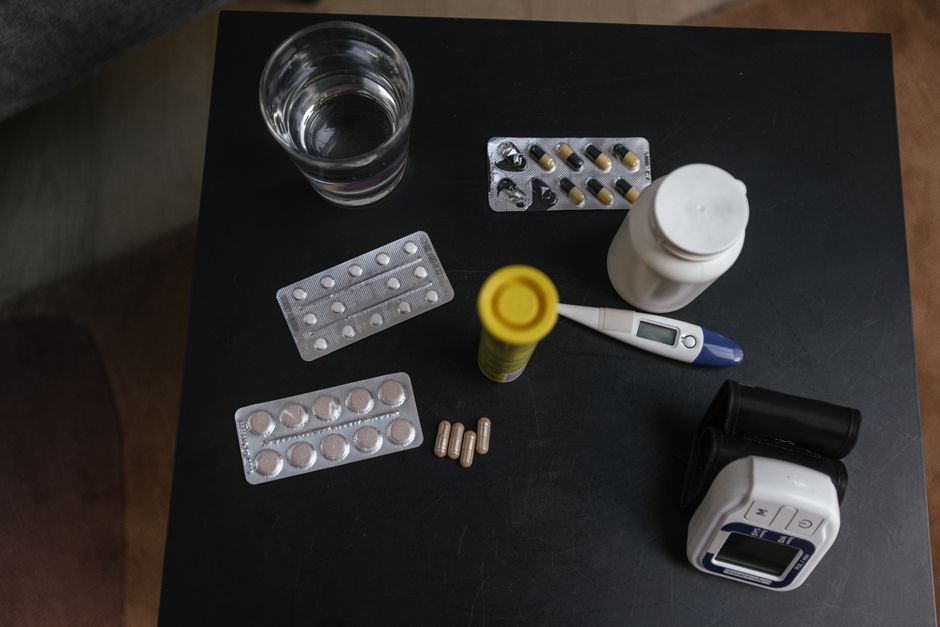
If you’ve ever stared at your pill bottle wondering whether to take your dose now or wait another hour, you’re not alone. Timing matters more than most people realize when it comes to opioid pain medication, and getting it wrong can mean unnecessary suffering or, on the flip side, unwanted side effects. This article breaks down the best time to take oxycodone for pain relief, how the drug works in your body, and practical strategies to help you stay ahead of pain instead of chasing it.
By the end, you’ll understand how oxycodone’s onset and duration affect timing decisions, what role food and sleep play, and how immediate-release and extended-release formulations differ in scheduling. We’ll also cover common mistakes people make with dosing intervals and answer the most frequent questions patients ask their doctors and pharmacists.
Why Timing Matters for Oxycodone Pain Relief
Oxycodone is a powerful opioid analgesic used to manage moderate to severe pain. Unlike medications that build up slowly and work continuously in the background, oxycodone has a fairly defined window of action. That means when you take it, and how consistently you take it, directly shapes how well it controls your pain throughout the day.
Taking oxycodone at the right intervals helps maintain a steady level of the drug in your bloodstream, which prevents pain from spiking between doses. Waiting too long between doses, on the other hand, often forces you to
forces you to chase pain that has already broken through, requiring higher rescue doses and leaving you uncomfortable for far longer than necessary. This is often called the “peak and trough” problem, and it’s one of the most common reasons people feel like their pain medication “isn’t working” even though the dosage itself is appropriate. The issue usually isn’t the drug. It’s the timing.
How Oxycodone Works in Your Body
To understand timing, it helps to know what actually happens after you swallow a dose. Oxycodone is absorbed through the digestive tract and enters the bloodstream, where it binds to opioid receptors in the brain and spinal cord to block pain signals. The speed and duration of this process depend heavily on the formulation you’re taking.
Immediate-release oxycodone typically begins working within 15 to 30 minutes, reaches peak effect around one hour after ingestion, and provides pain relief for roughly four to six hours. Extended-release versions, often prescribed for chronic or long-term pain, are designed to release the medication slowly over 12 hours, providing a steadier level of relief but with a slower onset, sometimes an hour or more before you notice a meaningful difference.
This difference in pharmacokinetics is the foundation of almost every timing decision you’ll make with this medication. If you’re using immediate-release oxycodone for acute, unpredictable pain, you have more flexibility to time doses around specific triggers. If you’re on extended-release oxycodone for chronic pain, the timing conversation shifts toward consistency rather than reaction.
Immediate-Release vs Extended-Release: Two Different Timing Strategies
Immediate-Release Oxycodone
Immediate-release formulations are usually prescribed for short-term or breakthrough pain, such as after surgery, an injury, or a dental procedure. Because these doses act quickly and wear off within a few hours, timing is often more reactive. Many patients are instructed to take a dose every four to six hours as needed, which means the “best time” is frequently tied to symptom onset rather than the clock.
That said, reactive dosing has a downside. If you wait until pain becomes severe before taking your next dose, you’re fighting an uphill battle. Pain specialists generally recommend taking the next dose as soon as it’s due, or at the very first sign that pain is creeping back, rather than waiting until it becomes unbearable. This proactive approach keeps drug levels more stable and reduces the total amount of medication needed over time.
Extended-Release Oxycodone
Extended-release oxycodone (often sold under brand names like OxyContin) is a different story entirely. These tablets are designed to be taken on a fixed schedule, typically every 12 hours, regardless of whether pain is currently present. Skipping doses or taking them irregularly can cause the drug’s blood concentration to fluctuate, leading to breakthrough pain during the troughs and increased side effects during the peaks.
For extended-release formulations, consistency is the single most important timing factor. Taking your dose at roughly the same two times every day, for example 8 a.m. and 8 p.m., helps maintain a steady baseline of pain control and reduces the rollercoaster effect that comes with inconsistent dosing.
What Is the Best Time of Day to Take Oxycodone?
There isn’t a universal “best” hour that applies to everyone, because the right timing depends on your pain pattern, your formulation, and your daily routine. That said, several general principles apply across most patients.
Morning Dosing
For many people with chronic pain conditions like arthritis or back pain, discomfort tends to be worse first thing in the morning due to overnight stiffness and inactivity. Taking a scheduled dose shortly after waking, especially if you’re on an extended-release regimen, can help you start the day with better mobility and less discomfort. If you take oxycodone with food to reduce nausea, a light breakfast alongside your morning dose is often recommended.
Midday and Afternoon Dosing
If you’re on a three-times-daily schedule with immediate-release oxycodone, spacing doses evenly throughout your waking hours (for example, morning, early afternoon, and evening) helps avoid long gaps where pain can build unchecked. Many patients find that syncing doses with meals makes it easier to remember and reduces stomach upset.
Evening and Nighttime Dosing
Nighttime dosing deserves special attention because pain that disrupts sleep creates a vicious cycle. Poor sleep lowers pain tolerance, and increased pain further disrupts sleep. Taking your last dose of the day close to bedtime, when appropriate and prescribed, can help you fall asleep more comfortably and stay asleep longer. Some patients combine oxycodone with other sleep-supportive strategies, and it’s worth understanding how oxycodone and melatonin may interact if you’re considering an over-the-counter sleep aid alongside your prescription.
However, nighttime dosing also carries added risk. Opioids can suppress breathing, and this effect is more pronounced during sleep. If you take your dose too close to lying down, you may also experience dizziness or lightheadedness upon standing later. Always follow your prescriber’s specific instructions regarding evening doses, especially if you have sleep apnea or other respiratory conditions.
Should You Take Oxycodone With Food?
Food timing is another piece of the puzzle that often gets overlooked. Oxycodone can be taken with or without food, but doing so can change how quickly it takes effect and how well you tolerate it.
- Taking it with food: This can slightly delay the onset of pain relief but often reduces nausea, one of the most common side effects, especially when starting the medication.
- Taking it on an empty stomach: This typically speeds up absorption, meaning faster pain relief, but increases the likelihood of nausea or an upset stomach for some patients.
Because oxycodone commonly causes gastrointestinal side effects, including constipation, pairing your dosing schedule with a proactive gut-health routine is smart. Many patients don’t realize how significant this issue can become until it’s already causing problems, which is why understanding prevention strategies for oxycodone-related constipation early on can save you a lot of discomfort down the road.
Timing Oxycodone Around Sleep
Sleep and pain have a bidirectional relationship, meaning each one affects the other. If your pain is worse at night or interferes with falling asleep, timing your last dose appropriately can make a significant difference in overall sleep quality. Here are a few practical strategies patients and caregivers often use:
- Schedule the final dose 30 to 60 minutes before bed if instructed by your doctor, allowing enough time for the medication to take effect before you try to fall asleep.
- Avoid combining oxycodone with alcohol at night, as both are central nervous system depressants and the combination significantly increases the risk of dangerous respiratory depression.
- Track your pain patterns for a week or two using a simple notebook or phone app to identify whether your pain consistently spikes at certain times, which can help your doctor fine-tune your schedule.
- Discuss extended-release options with your prescriber if you’re waking up in pain in the middle of the night, since a longer-acting formulation might bridge that gap more effectively than repeated immediate-release doses.
Timing Around Activities, Procedures, and Physical Therapy
Beyond the clock and the calendar, timing oxycodone around specific activities can dramatically improve your quality of life. If you know a particular activity, like physical therapy, a long car ride, or even a dental appointment, tends to provoke pain, taking your dose 30 to 45 minutes beforehand (when appropriate and approved by your prescriber) allows the medication to reach peak effectiveness right when you need it most.
This is especially relevant for planned medical or dental procedures. Patients often ask whether it’s safe to take oxycodone before a dental visit, and the answer depends heavily on the specific procedure and your current pain regimen. If you’re navigating a dental issue alongside your oxycodone prescription, it’s worth reviewing detailed guidance on oxycodone use for dental pain before your appointment so you can plan your dosing schedule with your dentist and prescriber in mind.
Similarly, post-surgical patients, including those recovering from a cesarean section, often have very specific timing protocols designed to balance pain control with newborn care, mobility goals, and medication safety. If that applies to you, it’s helpful to understand how oxycodone is typically timed after a C-section to support both recovery and daily function.
Common Timing Mistakes That Undermine Pain Relief
Even with the best intentions, patients frequently make small scheduling errors that reduce the effectiveness of their pain management plan. Here are the most common ones:
1. Waiting Until Pain Becomes Severe
As mentioned earlier, waiting for pain to peak before taking a dose forces the medication to work against a much stronger pain signal. This often results in needing more medication overall and experiencing longer periods of discomfort.
2. Skipping Doses Because “the Pain Isn’t That Bad Right Now”
With extended-release formulations especially, skipping a dose because you feel okay in the moment can backfire. These medications are designed to maintain a steady baseline, and skipping doses disrupts that balance, often leading to a pain flare a few hours later.
3. Taking Doses Too Close Together
In an effort to get ahead of pain, some patients take their next dose earlier than prescribed. This significantly increases the risk of side effects, including sedation, respiratory depression, and overdose. Never adjust your dosing interval without explicit guidance from your prescriber.
4. Ignoring the Interaction Between Oxycodone and Other Medications
Timing isn’t just about the clock, it’s also about what else is in your system. Combining oxycodone with certain medications can change how it’s metabolized or amplify sedative effects. For example, patients managing nerve-related pain sometimes combine oxycodone with other agents, and understanding how oxycodone and gabapentin interact is essential for both safety and effective scheduling. Always disclose your full medication list to your prescriber and pharmacist so they can flag any timing-sensitive interactions.
5. Inconsistent Daily Routine
Life happens, and schedules shift. But because oxycodone’s effectiveness depends so heavily on consistent blood levels, especially for extended-release users, an erratic dosing routine (taking it at 8 a.m. one day and 11 a.m. the next) can cause noticeable swings in pain control. Setting phone alarms or using a pill organizer with time slots can help anchor your routine even on busy or unpredictable days.
How to Build a Personalized Oxycodone Timing Schedule
Since everyone’s pain condition, metabolism, and daily life differ, the most effective approach is to build a timing schedule collaboratively with your prescriber. Here’s a general framework many patients find useful as a starting point for that conversation:
- Identify your pain pattern. Is your pain worse in the morning, after activity, or at night? This helps determine which doses should be prioritized around specific times.
- Map your daily routine. Meals, sleep, work, and physical activity all interact with medication timing. Doses that align with existing habits, like meals, are easier to remember and maintain.
- Clarify the difference between scheduled and as-needed doses. If you’re prescribed both an extended-release and immediate-release version, understand which one is your baseline (taken on a fixed schedule) and which is your rescue dose (taken as needed for breakthrough pain).
- Reassess regularly. Pain levels change over time, especially during recovery from surgery or injury. What worked in week one may not be ideal by week four. Schedule follow-up conversations with your prescriber to adjust timing as your condition evolves.
According to guidance published by the Mayo Clinic, patients should take oxycodone exactly as prescribed and avoid changing the dose or schedule without consulting their healthcare provider first, since even small deviations can affect both safety and effectiveness. This underscores why self-adjusting your timing, even with good intentions, is discouraged without professional input.
Signs Your Current Timing Schedule Isn’t Working
Sometimes the clearest indication that your dosing schedule needs adjustment isn’t a single dramatic event but a pattern of subtle signals. Watch for the following:
- Pain consistently returns an hour or more before your next scheduled dose is due.
- You find yourself needing rescue doses frequently, even while on a scheduled extended-release regimen.
- You experience noticeable grogginess or sedation shortly after doses, suggesting the timing relative to food or other medications may need tweaking.
- Your sleep is frequently interrupted by pain, despite taking an evening dose.
- You feel like you’re “chasing” pain rather than staying ahead of it throughout the day.
If any of these sound familiar, it’s worth scheduling a conversation with your prescriber. Pain management is rarely a “set it and forget it” process, and timing adjustments, sometimes as small as shifting a dose by an hour, can make a meaningful difference in comfort and quality of life.
Special Considerations for Older Adults and Sensitive Populations
Older adults and people with liver or kidney impairment often metabolize oxycodone more slowly, which can affect how long each dose lasts and how quickly side effects build up. In these populations, doctors frequently recommend starting with lower doses and longer intervals between them, then adjusting gradually based on response. If you’re caring for an older family member on oxycodone, pay close attention to signs of over-sedation, confusion, or unsteady balance, particularly after evening doses, since these can increase fall risk during nighttime bathroom trips.
Similarly, patients taking other central nervous system depressants, including certain antihistamines or anti-anxiety medications, need extra caution with timing. For instance, some patients wonder about combining oxycodone with common over-the-counter allergy medications, and understanding how oxycodone and Benadryl interact can help clarify why spacing these medications apart, rather than taking them simultaneously, is often the safer approach.
Frequently Asked Questions
Is it better to take oxycodone before or after meals?
Either approach is generally acceptable, but taking it with food can reduce nausea while slightly delaying onset. If you experience stomach upset on an empty stomach, try pairing your dose with a light snack or meal and see if that improves tolerance.
Can I take oxycodone right before bed?
Many patients do take their final dose of the day close to bedtime, especially if pain interferes with sleep. However, this should only be done under your prescriber’s guidance, since opioids can suppress breathing more significantly during sleep, and the risk increases when combined with alcohol or other sedatives.
What happens if I take my dose late?
Taking a dose later than scheduled can cause a temporary gap in pain control, sometimes called breakthrough pain. If you miss a dose, take it as soon as you remember unless it’s almost time for your next scheduled dose, in which case skip the missed one and resume your normal schedule. Never double up to make up for a missed dose without explicit instructions from your prescriber.
Does the best time to take oxycodone change after surgery?
Yes. In the immediate post-surgical period, pain tends to be more predictable and often more severe, so doses are frequently scheduled more tightly around the clock rather than purely as-needed. As healing progresses, most patients transition to less frequent, as-needed dosing under their surgeon’s or prescriber’s guidance.
Can timing help reduce oxycodone side effects like drowsiness or constipation?
Somewhat. Taking doses with food can reduce nausea, and staying consistent with timing helps avoid the peaks that often cause pronounced drowsiness. However, constipation is largely dose-related rather than purely timing-related, so proactive strategies like increased fluid intake, fiber, and sometimes stool softeners are usually necessary regardless of when you take your dose.
Final Thoughts
Finding the best time to take oxycodone for pain relief isn’t about memorizing a universal rule, it’s about understanding how the medication behaves in your body and aligning that knowledge with your own pain patterns, daily routine, and prescribed instructions. Immediate-release formulations offer flexibility for breakthrough pain, while extended-release versions demand consistency to maintain steady relief. Factors like food, sleep, physical activity, and other medications all play a role in shaping the ideal schedule for your specific situation.
The most important takeaway is this: staying ahead of pain, rather than reacting to it after it becomes severe, almost always produces better outcomes and requires less medication overall. If your current schedule isn’t providing the relief you expect, don’t tough it out silently. Talk to your prescriber about adjusting timing, formulation, or dosing intervals. Pain management is a collaborative, evolving process, and the right timing can make a substantial difference in how you feel throughout the day and night. As always, never change your dose or schedule on your own, and reach out to your healthcare provider or pharmacist whenever you have questions about how to safely optimize your oxycodone regimen.