
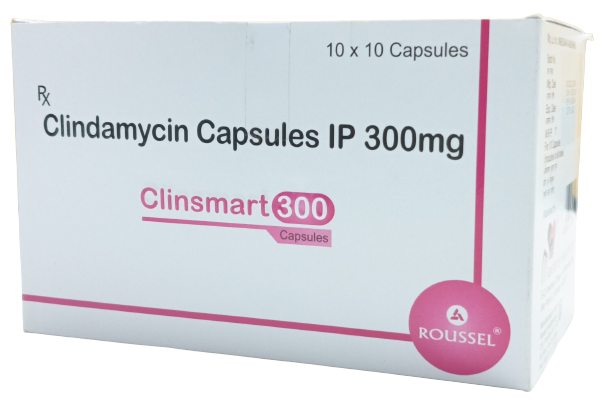
Clindamycin 300 mg
Price range: $380.00 through $1,069.00
| Variation | Price | Quantity | Add To Cart |
|---|---|---|---|
| 180 pills | $590.00 |
|
Add to cart |
| 360 pills | $1,069.00 |
|
Add to cart |
| 90 pills | $380.00 |
|
Add to cart |
Clindamycin 300 mg: Uses, Side Effects and Safety Information
Clindamycin 300 mg is an oral antibiotic formulation used to treat certain bacterial infections when a healthcare professional determines that this medicine is appropriate. It belongs to the lincosamide class of antibiotics and works by interfering with bacterial protein production, helping prevent susceptible bacteria from growing and multiplying.
The right antibiotic depends on the type of infection, the bacteria involved, the person’s medical history and any available test results. Clindamycin is not suitable for every infection, and it does not treat illnesses caused by viruses. This guide explains its general uses, precautions and possible adverse effects.
What Is Clindamycin 300 mg?
Clindamycin is a prescription antibiotic available in different formulations. The 300 mg strength describes the amount of active ingredient in a dosage unit when confirmed by the product label. It may be prescribed for selected infections caused by susceptible bacteria, including certain infections involving the skin, soft tissues, bones, joints or other body sites.
Clindamycin is not a universal treatment for bacterial infections. Some bacteria are resistant to it, so a clinician may select a different medicine based on the likely cause of infection, culture results, allergy history and local treatment guidance.
What Is Clindamycin Used For?
Depending on the clinical situation and local prescribing guidance, clindamycin may be used for particular bacterial infections such as:
- Some skin and soft-tissue infections
- Certain bone and joint infections
- Selected infections involving susceptible anaerobic bacteria
- Some dental or other infections when a clinician considers it suitable
- Specific infections for which other antibiotic options may be unsuitable
These are examples, not a recommendation to use clindamycin for any particular symptom. The appropriate treatment depends on the diagnosis. A healthcare professional should determine whether clindamycin is needed and whether further examination or testing is appropriate.
How Does Clindamycin Work?
Bacteria need to produce proteins to grow and carry out essential functions. Clindamycin binds to a bacterial ribosomal subunit and interferes with protein synthesis. This activity can limit the growth of susceptible bacteria, allowing the body’s immune system to help control the infection.
The medicine’s effectiveness depends on the bacteria being sensitive to it and the drug reaching the affected site. Taking an antibiotic when it is not needed exposes the body to potential side effects without providing a benefit and contributes to antimicrobial resistance.
Important Information About the 300 mg Strength
Clindamycin 300 mg is one of several available strengths. The strength alone does not determine how often it should be taken or how long treatment should continue. These decisions depend on the infection, its severity, the patient’s circumstances and the prescriber’s instructions.
Use clindamycin only when prescribed for you. Follow the directions on your prescription label, and do not increase, reduce or extend the treatment without consulting the prescriber. Do not use leftover antibiotics for a new illness or share them with another person.
How to Take Oral Clindamycin Safely
Follow the specific directions provided by your pharmacist or prescriber. If your product is a capsule, swallow it with a full glass of water and remain upright for at least 30 minutes afterward. This helps reduce the risk of irritation or injury to the oesophagus.
If a dose is missed, check the patient leaflet or ask a pharmacist for advice. Do not take an extra dose to compensate unless a healthcare professional specifically directs you to do so. If you are unable to keep the medicine down or symptoms are getting worse, contact your healthcare professional.
Possible Side Effects of Clindamycin
Like other antibiotics, clindamycin can cause adverse effects. Possible effects include:
- Nausea or vomiting
- Abdominal discomfort
- Diarrhoea
- An unpleasant taste or other digestive symptoms
- Skin rash in some people
Important warning: clindamycin can cause serious antibiotic-associated diarrhoea and colitis, including illness caused by Clostridioides difficile (C. difficile). This can occur during treatment or after it has ended. Contact a healthcare professional promptly if you develop persistent, severe or watery diarrhoea, abdominal cramps or diarrhoea accompanied by fever. Do not self-treat these symptoms with anti-diarrhoeal medicine without medical advice.
Seek urgent medical help for difficulty breathing, swelling of the face or throat, a severe skin reaction, or other signs of a serious allergic reaction.
Who Should Take Extra Care?
Before starting clindamycin, tell your prescriber if you have a history of colitis, inflammatory bowel disease, significant digestive problems, liver conditions or previous serious reactions to antibiotics. Share details of any allergies and any past episodes of antibiotic-associated diarrhoea.
Tell your healthcare professional about all medicines, supplements and other treatments you use. Some medicines may interact with clindamycin or require additional consideration. Your pharmacist can review your medication list and advise whether any precautions are needed.
Clindamycin and Antibiotic Resistance
Antibiotic resistance occurs when bacteria develop the ability to survive medicines that would previously have controlled them. Unnecessary antibiotic use, using an antibiotic for the wrong infection, or failing to follow professional instructions can contribute to this problem.
Clindamycin should not be used to treat common viral illnesses such as colds or influenza. Use it only for the infection for which it was prescribed, and ask your prescriber what to do if symptoms fail to improve or become worse.
Storage and Handling
Keep clindamycin in its original packaging and follow the storage conditions on the product label. Store it safely away from children and do not use it after its expiry date. Ask a pharmacist about appropriate disposal of unused or unwanted medicine rather than keeping it for a future illness.
Frequently Asked Questions
Is clindamycin 300 mg an antibiotic?
Yes. Clindamycin is an antibiotic used against certain susceptible bacteria. It does not work against viral infections, and it should be used only when prescribed for an appropriate indication.
Can clindamycin cause diarrhoea?
Yes. Diarrhoea is a possible side effect. Severe, persistent or watery diarrhoea may indicate a serious complication and requires prompt medical assessment, even if it develops after the treatment has finished.
Can I stop taking clindamycin when I feel better?
Follow the duration and instructions provided by your prescriber. Do not independently stop, extend or alter treatment. If you experience side effects or are concerned about the medicine, contact your healthcare professional for advice.
Can clindamycin treat a cold or flu?
No. Colds and influenza are caused by viruses, which clindamycin does not treat. Antibiotics should be used only when a bacterial infection or another appropriate clinical indication has been identified.
Does everyone with an infection need clindamycin?
No. Antibiotic selection depends on the diagnosis, the bacteria involved, resistance patterns, allergies and individual health factors. A qualified healthcare professional should decide whether clindamycin is appropriate.
Further Medical Information
For more detailed information about clindamycin, including its warnings and possible adverse effects, consult a reliable medicines information source:
Medical Disclaimer
This content is provided for general educational purposes and is not a substitute for professional medical advice, diagnosis or treatment. Clindamycin should be used only under appropriate medical supervision and in accordance with the official product information and local prescribing requirements. Confirm the formulation, strength and directions with your pharmacist or prescriber before use.
| Select Variation |
360 pills ,180 pills ,90 pills |
|---|




Reviews
There are no reviews yet.