Health Tips
Hydrocodone and Dry Mouth: Why It Happens and Three Levels of What to Do About It

Cottonmouth is one of those hydrocodone side effects people tend to mention almost as an afterthought – “oh, and my mouth is always dry” – right after describing pain relief or drowsiness. But dry mouth (the clinical term is xerostomia) is worth more attention than that, because unlike some opioid side effects, it can quietly cause real dental damage if it’s ignored for months. This guide breaks the problem into three severity levels, because the right response is different depending on where you land.
Why hydrocodone dries out your mouth
Saliva production is controlled largely by your autonomic nervous system, and opioid receptors – including the ones hydrocodone binds to – sit on the nerve pathways that trigger your salivary glands. When hydrocodone activates these receptors, it dampens the signal telling your glands to produce saliva, and output drops. This isn’t a rare quirk of hydrocodone specifically; it’s a shared mechanism across the opioid class, which is part of why xerostomia shows up so often in research on opioid side effects in both acute pain and palliative care settings.
Mayo Clinic’s reference on hydrocodone lists dry mouth among its documented side effects, and the drug-reference database Drugs.com places it in the “common” frequency category, alongside nausea, constipation, and drowsiness. It’s not a rare, unusual reaction – it’s one of the more predictable effects of the drug.
It’s also worth knowing what dry mouth is not, according to the American Dental Association: it’s not primarily caused by dehydration (though dehydration makes it worse), and it’s not something you can always compensate for just by drinking more water, because the underlying issue is reduced gland output, not a lack of fluid intake. That distinction matters for which remedies actually work, covered further down.
Level 1: Mild and expected
This is where most people land. Symptoms include:
- A dry or slightly sticky feeling in the mouth, most noticeable a few hours after a dose
- Mild bad breath
- Slightly increased thirst
- Occasional difficulty getting food to feel “moist enough” to swallow comfortably
At this level, dry mouth is uncomfortable but not damaging on its own timescale. It typically responds well to the simple, low-effort remedies covered below, and for people on hydrocodone for a short post-surgical or post-injury course, it usually resolves entirely once the course ends.
Level 2: Bothersome and starting to affect daily life
This tier shows up more often with longer-term hydrocodone use, higher doses, or in people who are also dealing with other things that independently dry out the mouth – smoking, caffeine, certain other medications, or simply not drinking enough water throughout the day. Signs you’ve moved into this tier:
- A persistent dry, sometimes burning sensation that doesn’t fully go away between doses
- Cracked lips or the corners of the mouth
- Difficulty speaking for extended periods without needing water
- A noticeable change in how food tastes
- Waking up at night specifically because your mouth is too dry to sleep comfortably
This level calls for a more deliberate daily routine rather than occasional sips of water, and it’s worth mentioning to your dentist at your next visit even if it doesn’t feel urgent, because this is the stage where early dental changes can begin without being obvious yet.
Level 3: Signs it’s time to call your dentist or prescriber
Saliva does more than keep your mouth comfortable – it neutralizes acids, washes away food particles and bacteria, and helps prevent tooth decay and gum disease. The ADA specifically warns that reduced saliva flow increases the risk of cavities, enamel demineralization, tooth sensitivity, and oral infections, including oral thrush. Watch for:
- New or rapidly worsening tooth sensitivity or visible decay
- Mouth sores, cracked or peeling skin inside the cheeks, or white patches (possible oral thrush, a fungal infection more likely when saliva – which has natural antimicrobial properties – is chronically reduced)
- Difficulty chewing, swallowing, or speaking that’s now a regular problem, not an occasional annoyance
- Bad breath that persists despite good oral hygiene
- Dry mouth that started or worsened noticeably after a dose increase, which is worth reporting as a dose-related effect
If you’re at this level, this isn’t a “wait and see” situation – get it in front of a dentist and let your prescriber know. Dry mouth this severe usually needs a two-track response: managing the dental risk directly, and revisiting whether the current hydrocodone dose or duration is still the right fit for your pain management plan.
What actually helps, by level
For Level 1 (mild):
- Sip water regularly throughout the day rather than large amounts infrequently – steady moisture matters more than total volume
- Chew sugar-free gum or suck on sugar-free hard candy to stimulate whatever natural saliva flow remains
- Avoid mouthwashes that contain alcohol, which dry out oral tissue further
- Limit caffeine and avoid tobacco, both of which compound dryness
For Level 2 (bothersome):
- Everything above, plus a humidifier in your bedroom if night dryness is disrupting sleep
- Over-the-counter saliva substitutes or oral moisturizing gels, available at most pharmacies
- Xylitol-containing products specifically (gum, mints, or toothpaste), since xylitol has the added benefit of reducing the bacteria that thrive in a low-saliva environment
- A brief conversation with your pharmacist about whether any of your other medications are compounding the dryness – antihistamines, certain blood pressure medications, and antidepressants are common co-contributors
For Level 3 (dental risk):
- A dental visit for a targeted evaluation, ideally with fluoride treatment or a prescription-strength fluoride gel if your dentist recommends it
- Discuss prescription options with your dentist or doctor – the ADA notes that pilocarpine and cevimeline are FDA-approved medications specifically for stimulating saliva production in people with significant dry mouth, though these require their own risk-benefit conversation
- A genuine review with your prescriber of dose, duration, or whether an alternative pain management approach makes sense going forward – see our roundup of natural alternatives to hydrocodone if you’re exploring what those options look like
- More frequent dental cleanings (many dentists recommend increasing from twice a year to every three to four months for patients with chronic dry mouth)
A simple daily routine if you’re managing this long-term
If you’ve moved past occasional mild dryness and are managing this as a regular part of longer hydrocodone treatment, an ad hoc approach (“drink water when I remember”) tends to work less well than a small routine built around your day. Something like this covers most of the bases dentists recommend:
- On waking: Rinse with water before anything else, since overnight is typically when dryness is worst (saliva production naturally drops during sleep, and hydrocodone compounds that further). Brush with a fluoride toothpaste.
- With each meal: Keep water at hand and take small sips between bites rather than trying to power through a dry mouth with each mouthful – this also reduces choking risk, since saliva plays a real role in safely moving food through your mouth and throat.
- Mid-morning and mid-afternoon: A piece of sugar-free, xylitol-containing gum for 10–15 minutes stimulates whatever natural flow is available.
- Before bed: Apply a lip balm or oral moisturizing gel, and consider running a humidifier overnight if your bedroom air is dry, especially in winter or with forced-air heating.
- Weekly: A quick self-check in the mirror for new sores, unusual redness, or white patches, so anything new gets caught early rather than at your next scheduled dental visit months away.
This isn’t a rigid prescription – the point is consistency over intensity. Ten small, repeated actions across a day do more for a chronically dry mouth than one large glass of water followed by hours of nothing.
A note for caregivers
If you’re caring for someone on longer-term hydrocodone – common in post-surgical recovery for older adults or in palliative and hospice settings – dry mouth is worth watching for proactively rather than waiting for the person to mention it. Older adults and people who are seriously ill sometimes underreport this kind of side effect, either because they don’t connect it to the medication or because it feels minor compared to their primary condition. A quick daily check (does their mouth look moist, are their lips cracked, is speaking or eating noticeably harder than yesterday) can catch a Level 3 situation while it’s still a Level 1 or 2 problem, which matters because dental complications in frail or immunocompromised patients can escalate faster and are harder to treat once established.
Who tends to get hit hardest by this side effect
Dry mouth severity isn’t random. A handful of factors reliably make it worse:
- Dose and duration. Higher doses and longer treatment courses are both associated with more pronounced, more persistent dryness. This tracks with the mechanism – more opioid activity at the receptors controlling salivary flow means a bigger drop in output.
- Being on multiple drying medications at once. The ADA identifies medications as the single most common cause of dry mouth overall, and specifically names anticholinergics, antidepressants, antihistamines, and diuretics as major contributors. If you’re taking hydrocodone alongside any of these – which is common, since pain, anxiety, and sleep problems often co-occur – the drying effects can stack in a way that’s more than what either drug would cause alone.
- Smoking or vaping. Both independently reduce saliva flow and irritate oral tissue, compounding whatever hydrocodone is doing on its own.
- Mouth breathing, especially overnight. If you breathe through your mouth while sleeping – common with nasal congestion, sleep apnea, or simply sleeping position – you’ll likely notice hydrocodone-related dry mouth most acutely first thing in the morning.
- Age. Saliva production naturally declines somewhat with age, and older adults are statistically more likely to be on several medications simultaneously, both of which mean this side effect often lands harder in this age group.
- Pre-existing dry mouth conditions. Sjögren’s syndrome and certain autoimmune conditions already reduce saliva output; adding hydrocodone on top of one of these conditions can push dryness from manageable to genuinely difficult, and deserves a more proactive conversation with both your rheumatologist or primary doctor and your dentist.
The wider pattern: dry mouth is rarely hydrocodone’s only oral or digestive effect
If you’re noticing dry mouth, it’s worth checking whether it’s traveling with a few related changes, since they often show up together and share an underlying cause:
- Altered taste. Reduced saliva changes how flavor compounds reach your taste buds, so food can taste blander, metallic, or simply “off” while you’re on hydrocodone – a direct downstream consequence of less saliva, not a separate side effect.
- Reduced appetite. Between a dry mouth making food less appealing to chew and swallow, and hydrocodone’s own effect on appetite signaling, some people eat noticeably less while on the medication. If this becomes pronounced, it’s worth a look at our companion piece on whether hydrocodone can cause weight loss, which covers this appetite connection in more depth.
- Constipation. As mentioned above, this is the intestinal expression of the same opioid-receptor mechanism drying out your mouth, and it’s worth managing proactively rather than waiting for it to become uncomfortable.
None of this means you should expect every side effect at once – plenty of people get dry mouth with no other changes at all. But if several of these are showing up together, recognizing them as connected (rather than as a scattered list of unrelated complaints) makes it easier to describe what’s happening to your prescriber clearly and efficiently.
Does the specific hydrocodone product matter?
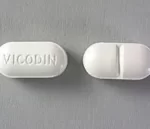
Most people take hydrocodone combined with acetaminophen (Vicodin, Norco, Lortab) or occasionally with ibuprofen (Vicoprofen). Neither acetaminophen nor ibuprofen is a major independent cause of dry mouth at standard doses, so the combination product you’re on generally doesn’t change this side effect much – it tracks with the hydrocodone component specifically. Where it can matter more is total daily hydrocodone exposure: someone taking a higher-strength tablet or a higher pill count per day is getting more hydrocodone overall, and dry mouth tends to scale somewhat with dose. If you’re weighing formulations, our comparisons of hydrocodone vs. acetaminophen combination products and codeine vs. hydrocodone go into how these options differ beyond this one side effect.
Is this the same mechanism as opioid-related constipation?
They’re related but not identical. Both come from opioid receptors slowing down glandular and smooth-muscle activity – salivary glands in the case of dry mouth, and intestinal motility in the case of constipation. If you’re dealing with both at once, that’s not a coincidence; it’s the same underlying pharmacology showing up in two different tissues. Our guide on what helps with constipation covers the intestinal side of this same story if that’s also part of your experience.
A note on how long this lasts
For short courses of hydrocodone (days, common after surgery or an acute injury), dry mouth typically resolves within a day or two of your last dose, tracking roughly with how long hydrocodone itself stays active in your system. For longer-term use, dry mouth tends to persist as long as you’re on the medication, since it’s a direct pharmacological effect rather than something the body fully adapts around the way drowsiness sometimes does. If you’re curious about the precise pharmacokinetics, our explainer on how long hydrocodone stays in your system breaks down the half-life and detection window in detail.
Frequently asked questions
Is dry mouth from hydrocodone permanent? No. It’s tied to the drug being active in your system, not to lasting damage to the salivary glands themselves. Saliva flow returns to normal once hydrocodone is out of your system, assuming there’s no separate underlying condition also contributing.
Can dry mouth mean I’m dehydrated instead of experiencing a drug side effect? Both can be true at once, and they compound each other. Increasing water intake helps the dehydration component but usually won’t fully resolve dryness caused directly by reduced saliva secretion – that’s why saliva substitutes and gum/xylitol strategies matter even if you’re already drinking plenty of water.
Should I stop taking hydrocodone because of dry mouth alone? Mild to moderate dry mouth on its own generally isn’t a reason to stop a medication that’s managing real pain – it’s a reason to manage the side effect. Significant dental symptoms (Level 3 above) are a reason to have a direct conversation with your prescriber about the overall plan, not to stop on your own.
Are dry mouth and bad breath from hydrocodone connected? Yes. Saliva plays a major role in washing away the bacteria that cause bad breath, so when saliva flow drops, breath odor often becomes more noticeable, independent of oral hygiene habits.
Can children or older adults be affected differently? Older adults are generally more susceptible to dry mouth overall, partly because they’re more likely to already be on other medications (blood pressure drugs, antihistamines, antidepressants) that independently reduce saliva, and partly because saliva production naturally declines somewhat with age. If you’re caring for an older adult on hydrocodone, it’s worth checking in on this side effect specifically rather than waiting for them to bring it up.
Are there specific brands of dry mouth products dentists recommend over others? Dentists generally care more about the active ingredient category than the specific brand – xylitol-based gums and mints, alcohol-free moisturizing mouth rinses, and saliva substitute gels are the categories to look for on a label, regardless of manufacturer. Your own dentist may have a preferred product based on what’s worked well for other patients with a similar profile, so it’s a reasonable specific question to bring to your next visit rather than guessing at the pharmacy.
Does drinking alcohol make hydrocodone-related dry mouth worse? Yes, alcohol is independently drying to oral tissue, on top of the serious sedation and overdose risks of combining it with hydrocodone at all – see our full guide on hydrocodone and alcohol for why this combination should be avoided regardless of the dry mouth question.
Will chewing more sugar-free gum eventually “fix” the underlying problem? No, and it’s worth being clear on that distinction. Gum and other saliva-stimulating strategies address the symptom while you’re using them, temporarily encouraging whatever residual gland function you have to produce more saliva. They don’t change how much hydrocodone is binding to your opioid receptors, so the underlying cause returns once the stimulating effect wears off. That’s not a reason to skip them – they genuinely help day to day – just a reason not to expect them to eliminate the problem permanently while you’re still taking the medication.
Can dry mouth from hydrocodone lead to cavities even if I’ve never had one before? Yes. A history of good dental health doesn’t protect you from a new mechanism of risk. Saliva is doing continuous background work neutralizing acid and clearing bacteria; when that work slows down for weeks or months, cavity risk rises regardless of your past dental record. This is exactly why the ADA recommends more frequent dental visits for people with chronic dry mouth rather than assuming a good track record will hold.
Is there a difference between how immediate-release and extended-release hydrocodone products affect dry mouth? There isn’t strong evidence that the release mechanism itself changes the dry mouth risk meaningfully – what matters more is total daily hydrocodone exposure and how consistently opioid receptors are being activated across the day. Extended-release formulations keep a more constant level of the drug active, which for some people means more consistent dryness throughout the day rather than the dip-and-peak pattern seen with immediate-release dosing.
This article provides general dental and medical information and isn’t a substitute for an evaluation by your dentist or prescriber. If you notice new tooth pain, visible decay, mouth sores, or white patches inside your mouth, schedule a dental visit rather than waiting for your next routine cleaning.
Sources referenced: American Dental Association – Xerostomia (Dry Mouth) · Mayo Clinic – Hydrocodone (oral route) side effects · Mayo Clinic – Dry mouth treatment tips · Drugs.com – Hydrocodone side effects · MedlinePlus – Hydrocodone