Health Tips
Hydrocodone Detox Facts: What Really Happens, What It Costs, and What Comes Next

“Detox” is one of the most marketed words in health care. Billboards promise it, websites sell it, and some clinics advertise a version that takes a single day under anesthesia. Behind the marketing, though, hydrocodone detox is a specific medical process with a clear purpose, known risks, and a well-researched set of best practices.
This guide is a consumer’s briefing. It sets out the facts about how hydrocodone detox works, what happens hour by hour inside a program, which medications are used and why, which approaches have caused harm, what it costs, and the single fact that matters most: what happens after detox ends.
Hydrocodone detox at a glance
- Purpose: manage withdrawal safely while hydrocodone leaves the body. It’s the first step of recovery, not the whole thing.
- Typical length: about 3–7 days for acute symptoms from immediate-release hydrocodone; longer after extended-release or very long-term use.
- Settings: outpatient (at home with clinic visits) to 24-hour inpatient, matched to risk.
- Medications: buprenorphine, methadone, clonidine, lofexidine, and symptom-specific medicines.
- Biggest danger: overdose after detox, because tolerance falls quickly.
- Best predictor of success: what comes next, especially continued medication treatment for people with opioid use disorder.
What Detox Is, and What It Isn’t
Clinicians increasingly use the term withdrawal management instead of “detox,” because it describes the job more accurately. Your liver clears hydrocodone on its own; nobody needs a program to “flush out” the drug. What a program provides is safe management of the withdrawal that follows, so you’re more comfortable, medically protected, and connected to what comes next.
Here’s what detox is not:
- It is not a cure for opioid use disorder. It doesn’t change the cravings and patterns that drive addiction.
- It is not required for everyone who stops hydrocodone. Many people who are physically dependent, but not addicted, can taper at home with their prescriber. See how to stop hydrocodone safely.
- It is not the same as a drug test clearing. How long hydrocodone shows up on a test is a different question, covered in how long hydrocodone stays in your system.
Who Actually Needs a Formal Detox?
A structured withdrawal-management program is usually recommended when one or more of the following applies:
- You have opioid use disorder, not only physical dependence (see dependence vs. addiction)
- You’ve tried to taper or stop at home and couldn’t
- You’re also dependent on alcohol, benzodiazepines, or other sedatives
- You have heart disease, serious lung disease, or another condition that makes withdrawal riskier
- You’re pregnant (specialized care is essential)
- You have significant depression, suicidal thoughts, or another mental health condition
- You don’t have a safe, stable, substance-free place to recover
The Levels of Care, Explained
The American Society of Addiction Medicine (ASAM) uses a framework to match people to the right intensity of care. Its long-used withdrawal-management levels are summarized below. (The 2023 fourth edition of the ASAM Criteria folds withdrawal management into each level of care, but the logic is the same: match the setting to the risk.)
| Setting | What it looks like | Best suited to |
|---|---|---|
| Outpatient, without extended monitoring | Office or clinic visits; you sleep at home; medications prescribed | Mild to moderate withdrawal, good health, stable home, reliable support |
| Outpatient, with extended on-site monitoring | Several hours a day at a clinic with nursing checks; home at night | Moderate withdrawal where closer monitoring helps |
| Residential, clinically managed | 24-hour non-hospital setting with staff support; medical care available | People who need a safe environment more than intensive medical care |
| Inpatient, medically monitored | 24-hour nursing and physician oversight in a facility | Severe withdrawal, multiple substances, or significant health issues |
| Hospital, medically managed | Acute hospital care | Unstable medical or psychiatric conditions |
More supervision isn’t automatically better. The right level is the least intensive one that’s still safe for you. Many people with hydrocodone dependence do well in outpatient settings, which also let them keep working and stay with family.
Inside a Detox: A Walk Through the First Days
Admission and assessment (first few hours)
Staff take a detailed history: how much hydrocodone you take, for how long, when your last dose was, other substances, medical and mental health history, and current medications. Expect vital signs, a physical exam, and usually a urine drug screen. Bloodwork may check liver function, which matters because most hydrocodone products contain acetaminophen. Staff also ask about safety, including suicidal thoughts.
Withdrawal scoring (throughout)
Nurses score your withdrawal using a standard tool, most often the Clinical Opiate Withdrawal Scale (COWS). It rates things like pulse, sweating, pupil size, restlessness, aches, and stomach upset. The score guides when to start medications and how to adjust them. You may be scored every few hours at first.
Starting medication (day 1)
If buprenorphine is part of the plan, it’s usually started once you’re in moderate withdrawal. That timing matters. Buprenorphine binds to opioid receptors more tightly than hydrocodone but activates them less. Given too early, while hydrocodone is still on the receptors, it can push hydrocodone off and cause a sudden, intense “precipitated withdrawal.” Waiting for the right COWS score prevents that.
The peak (days 2–3)
With medication, symptoms at the peak are usually far milder than they would be otherwise. Staff manage what remains with symptom medicines, fluids, and rest. This is also when counselors often begin talking with you about the plan after detox.
Stabilization and discharge planning (days 4–7)
Physical symptoms ease. The team works with you on the next step: continuing medication treatment, entering residential or outpatient treatment, or, for people who were dependent but not addicted, returning home with a follow-up plan. A good program won’t discharge you without an appointment already scheduled.
The Medications Used in Hydrocodone Detox
| Medication | What it does | Key facts |
|---|---|---|
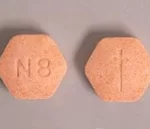
| Buprenorphine (alone or with naloxone, as in Suboxone) | Partial opioid agonist; eases withdrawal and cravings | Can be tapered over days or continued long-term. Must be started at the right time to avoid precipitated withdrawal. No special federal waiver has been needed to prescribe it since 2023. |
| Methadone | Full, long-acting opioid agonist | For opioid use disorder, dispensed through certified opioid treatment programs. Used for withdrawal management in hospitals and for long-term treatment. |
| Lofexidine (Lucemyra) | Non-opioid; calms the adrenaline-driven symptoms | In 2018 the FDA called it the first non-opioid treatment approved for opioid withdrawal symptoms in adults. Can lower blood pressure. |
| Clonidine | Non-opioid blood-pressure medicine used off-label for similar effects | Widely used and inexpensive; blood pressure is monitored because it can drop. |
| Symptom medicines | Target specific complaints | Anti-nausea drugs, loperamide for diarrhea, non-opioid pain relievers for aches, and short-term sleep aids. |
| Naltrexone (after detox) | Blocks opioid effects | Only started after withdrawal is complete, often 7–10 days after the last short-acting opioid, to avoid precipitated withdrawal. |
For a deeper look at how these compare, read Suboxone vs. Subutex and naltrexone vs. methadone. The federal SAMHSA treatment protocol on medications for opioid use disorder (TIP 63) covers each in clinical detail.
Three Detox Approaches the Evidence Warns Against
1. Anesthesia-assisted “rapid” or “ultra-rapid” detox
These programs put patients under general anesthesia and give drugs that force opioids off receptors, promising to compress withdrawal into hours. The evidence is sobering. The CDC investigated one New York City clinic in 2012: of 75 patients who underwent the procedure, two died and five others had serious adverse events requiring hospitalization. The CDC concluded the approach has substantial risks, including death, with little to no evidence to support it, and that proven medication treatments are preferred.
2. Unsupervised “home detox kits” and supplement protocols
Online kits often combine unregulated supplements, sometimes with high-dose loperamide or kratom. None are FDA-approved for withdrawal. Some products have received FDA warning letters, and high-dose loperamide has been linked to dangerous heart rhythms. Home withdrawal can be safe, but it should be guided by a clinician, not a shopping cart.
3. Detox with no plan afterward
A detox that ends with a handshake and no follow-up isn’t neutral. For people with opioid use disorder, it can leave them with lower tolerance and the same cravings, a dangerous combination, as the next section explains.
The Most Important Detox Fact: What Happens Afterward
After detox, tolerance drops within days. The body can no longer handle the amount it used to. If someone returns to their old dose, or to street pills that may contain fentanyl, the risk of fatal overdose is sharply higher than before detox.
For people with opioid use disorder, continuing medication treatment dramatically changes this picture. A large Massachusetts study published in the Annals of Internal Medicine in 2018 (Larochelle and colleagues) followed more than 17,000 adults who survived an opioid overdose. Treatment with methadone or buprenorphine afterward was associated with substantially lower death rates over the following year. The World Health Organization’s treatment guidelines likewise favor ongoing agonist treatment over withdrawal alone for most people with opioid dependence.
This leads to an idea that surprises many families: for someone with addiction, the “best” detox may be one that transitions into ongoing buprenorphine or methadone rather than ending at zero. Staying on a treatment medication isn’t “trading one drug for another.” It’s treating a chronic condition, much as someone with diabetes stays on insulin.
What Hydrocodone Detox Costs, and Who Pays
Costs vary widely by setting and region. Outpatient withdrawal management with a primary care doctor or addiction clinic is usually the least expensive option. Residential and inpatient programs cost considerably more per day. Rather than rely on advertised prices, ask each program for an itemized estimate.
Ways people cover the cost:
- Private insurance: The federal Mental Health Parity and Addiction Equity Act generally requires plans that cover substance use treatment to do so on terms comparable to medical care. Call your insurer to confirm coverage and any prior-authorization rules.
- Medicaid: Covers medication treatment for opioid use disorder in every state, and many states cover withdrawal management as well.
- Medicare: Covers opioid treatment program services, including methadone and buprenorphine.
- State-funded and sliding-scale programs: Available in many areas for people without insurance.
The SAMHSA National Helpline (1-800-662-4357) and FindTreatment.gov can both point you to programs by location, payment type, and services offered.
How to Vet a Detox Program: Questions to Ask
Before you commit, ask these questions by phone:
- Are you licensed by the state, and are you accredited (for example, by the Joint Commission or CARF)?
- Is a physician or nurse practitioner on staff, and how often will I see them?
- Do you offer buprenorphine or methadone, and can I continue it after discharge?
- Which scale do you use to measure withdrawal?
- How do you handle patients who are also dependent on alcohol or benzodiazepines?
- What mental health support do you provide?
- What does discharge planning include? Will I leave with an appointment?
- Do you provide naloxone at discharge?
- What will I pay, and what does insurance cover?
Red flags
- Promises of a “painless” or “one-day” detox, or anesthesia-based detox
- Offers of free travel, housing, or cash to enroll, which can signal illegal patient brokering
- Refusal to use or continue medications such as buprenorphine
- Pressure to commit immediately, or vague answers about licensing and cost
- Guarantees of permanent success
Getting Ready: The Week Before Detox
A little preparation makes admission smoother and lowers stress for you and your family.
- Gather your medical information: a list of every medicine and supplement you take, your hydrocodone strength and daily amount, and your prescriber’s contact details.
- Sort out work and home: arrange time off, childcare, pet care, and bill payments. Ask HR in confidence about medical leave.
- Tell one or two trusted people: they can handle calls, visit if allowed, and help you after discharge.
- Don’t “use up” your supply before admission: taking extra hydrocodone in the final days raises overdose risk and complicates the start of withdrawal management. Be honest with the intake team about your last dose.
- Don’t stop cold turkey the night before unless the program tells you to. Many programs prefer you arrive on your usual pattern so they can time medications properly.
- Plan the trip home: know who will pick you up and where you’ll go.
What to pack for an inpatient stay
- Comfortable, layered clothing for chills and sweats, plus extra socks
- Photo ID, insurance card, and your medication list
- Basic toiletries (many programs ask for alcohol-free products)
- A notebook, a book, or other quiet distractions
- Phone numbers written on paper, since phone use may be limited
Leave alcohol, any drugs not prescribed to you, valuables, and large amounts of cash at home. Ask the program for its own list, since rules vary.
How Families Can Help During and After Detox
Families often feel helpless while a loved one is in detox. There’s more you can do than you might think:
- Ask the program what involvement is allowed, such as family sessions, calls, or visits.
- Learn about medication treatment so you can support it rather than pressure your loved one to “get off everything.”
- Prepare the home: remove leftover opioids and alcohol, and keep naloxone in an obvious place.
- Expect ups and downs in the weeks after discharge, and focus on encouraging follow-up appointments.
- Look for support for yourself, through family groups or counseling.
A Special Note on Pregnancy
Detox during pregnancy needs specialized obstetric and addiction care. For pregnant people with opioid use disorder, major medical organizations generally recommend medication treatment with buprenorphine or methadone rather than withdrawal, because relapse after withdrawal carries serious risks for both parent and baby. Anyone pregnant and taking hydrocodone should speak to their obstetric provider before making changes.
Detox Glossary: Terms You’ll Hear
- Agonist: a drug that activates opioid receptors (hydrocodone, methadone).
- Partial agonist: activates receptors only partly, with a ceiling effect (buprenorphine).
- Antagonist: blocks receptors without activating them (naltrexone, naloxone).
- COWS: Clinical Opiate Withdrawal Scale, the standard clinician-scored withdrawal tool.
- Induction: the process of starting buprenorphine or methadone.
- MOUD: medications for opioid use disorder.
- OTP: opioid treatment program, the certified clinic that dispenses methadone.
- Precipitated withdrawal: sudden, severe withdrawal triggered when buprenorphine or naltrexone is started too soon.
- Step-down care: moving from a more intensive to a less intensive level of treatment.
- Withdrawal management: the clinical term for detox.
Hydrocodone Detox FAQ
How long does hydrocodone detox take?
Acute withdrawal from immediate-release hydrocodone usually lasts about 3–7 days, though timing varies. Extended-release products or very long-term use can stretch this. Many programs plan for 5–7 days, followed by ongoing treatment.
Can I detox from hydrocodone at home?
Many people can, particularly with outpatient support from a prescriber or addiction clinic. Home detox isn’t advisable if you’re also dependent on alcohol or benzodiazepines, are pregnant, have serious health conditions, or have tried and relapsed before.
Is detox painful?
Unmanaged withdrawal is very uncomfortable. With appropriate medications, most people find detox much more tolerable than they feared. The worst symptoms are usually on days two and three. Our guide to hydrocodone withdrawal symptoms describes what to expect.
Will I be given other opioids during detox?
Possibly. Buprenorphine and methadone are opioids used in controlled, therapeutic ways to prevent severe withdrawal and cravings. Non-opioid options such as lofexidine and clonidine are also used. Your care team will explain which fits your situation.
Does insurance cover hydrocodone detox?
Often, yes. Federal parity rules and Medicaid coverage of opioid use disorder treatment make detox and follow-up care more affordable than many people expect. Call your insurer or the program’s admissions team to confirm.
What’s the relapse risk after detox?
Detox alone, without further treatment, is followed by high rates of return to use in people with opioid use disorder. Continuing medication treatment, counseling, and support significantly improves outcomes and lowers overdose risk.
Is detox confidential?
Yes. In addition to standard medical privacy rules, federal regulations (42 CFR Part 2) give extra protection to records from many substance use treatment programs. In general, programs can’t share your information with employers, family, or others without your written consent, except in limited situations such as medical emergencies. Ask the program to explain its privacy policy.
What happens if I leave detox early?
You’re usually free to leave a voluntary program, but leaving in the middle of withdrawal raises the chance of returning to use, and returning to use with lowered tolerance raises overdose risk. If you’re thinking about leaving, tell the staff first. They can often adjust medications, change the plan, or arrange outpatient follow-up and naloxone so you leave as safely as possible.
Can detox be done while I keep working?
Outpatient withdrawal management is designed to fit around daily life, although you may need a few days off during the peak. The Family and Medical Leave Act may protect your job for eligible treatment; ask your HR department confidentially.
The Bottom Line on Hydrocodone Detox
The honest facts are more encouraging than the fear around detox suggests. It’s usually short, medications make it far more manageable, and good programs are available through insurance and public funding. But detox is a doorway, not a destination. What happens after, whether that’s a follow-up taper plan, medication treatment, or ongoing support, decides how the story ends. To prepare, read our guides on natural ways to ease hydrocodone withdrawal and hydrocodone addiction, and browse our opioid detox archive and opioid recovery section.
This guide provides general information and is not a replacement for evaluation by a licensed clinician. Hydrocodone is a Schedule II controlled substance. Talk with a health care professional before stopping or changing any opioid medication. If someone is not breathing normally or cannot be woken, call 911 and give naloxone if you have it.
Sources Consulted
- CDC MMWR: Deaths and Severe Adverse Events Associated With Anesthesia-Assisted Rapid Opioid Detoxification — New York City, 2012
- Larochelle MR, et al. Medication for Opioid Use Disorder After Nonfatal Opioid Overdose and Association With Mortality. Annals of Internal Medicine, 2018
- FDA: First Non-Opioid Treatment for Management of Opioid Withdrawal Symptoms in Adults (2018)
- SAMHSA TIP 63: Medications for Opioid Use Disorder
- WHO: Guidelines for the Psychosocially Assisted Pharmacological Treatment of Opioid Dependence
- SAMHSA: Waiver Elimination (MAT Act)
- FindTreatment.gov
- SAMHSA National Helpline