Health Tips
Can You Take Acetaminophen With Oxycodone? Safety, Dosing, and Risks

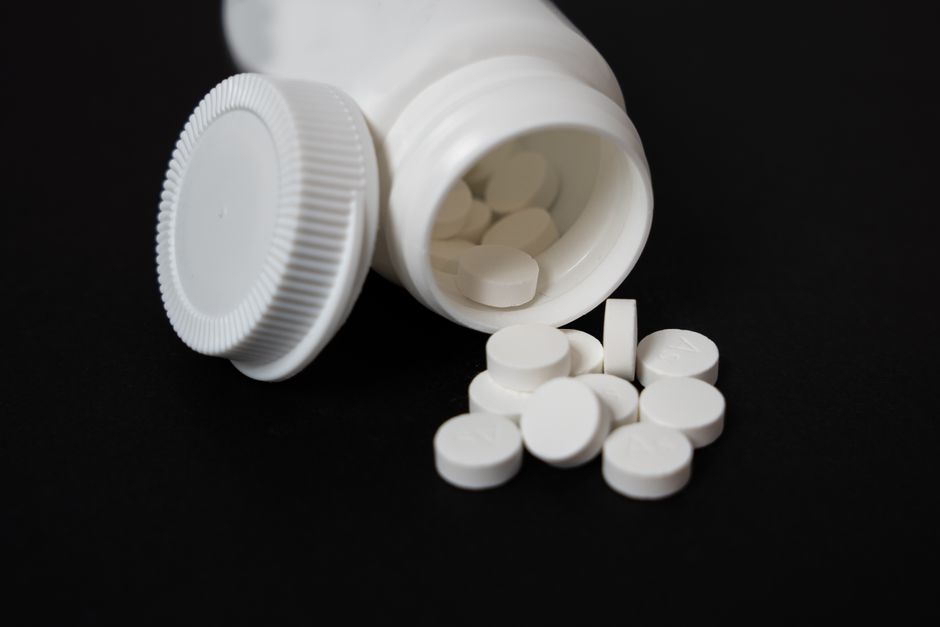
If you’ve been prescribed oxycodone for pain and you’re also reaching for a Tylenol to take the edge off a headache or fever, you might be wondering whether that’s actually safe. The short answer is yes, acetaminophen with oxycodone is a combination that doctors prescribe and recommend all the time, but the details matter a lot more than most people realize.
In this guide, you’ll learn exactly how acetaminophen and oxycodone work together, why they’re often combined in a single pill, how much of each you can safely take, and what warning signs mean you need to stop and call a doctor. We’ll also cover the liver toxicity risk that makes acetaminophen dosing so important, and how this combination differs from other pain relievers like ibuprofen.
Acetaminophen With Oxycodone: A Quick Overview
Acetaminophen (the active ingredient in Tylenol) and oxycodone (an opioid pain medication) are frequently combined because they relieve pain through two completely different mechanisms. Acetaminophen works primarily in the brain to reduce pain signals and lower fever, while oxycodone binds to opioid receptors in the brain and spinal cord to blunt the perception of pain.
Because they work differently, taking them together often produces better pain relief than either drug alone, at lower doses of each. This is actually the entire reason combination products like Percocet exist: they pair a modest dose of oxycodone with acetaminophen so patients get strong relief without needing a higher, riskier dose of the opioid.
That said, combining them safely requires understanding a few key details about dosing limits, timing, and how your body processes each drug. Let’s break down exactly what you need to know.
How Acetaminophen and Oxycodone Work Together in the Body
Acetaminophen and oxycodone don’t compete with each other for the same receptors or metabolic pathways, which is part of why they’re considered a safe and effective combination when dosed correctly. Acetaminophen is processed almost entirely by the liver, where enzymes break it down into metabolites that are eventually excreted through the kidneys. A small percentage of acetaminophen is converted into a toxic byproduct called NAPQI, which your liver neutralizes using a compound called glutathione, as long as you haven’t exceeded safe doses.
Oxycodone, on the other hand, is metabolized by liver enzymes in the cytochrome P450 system (specifically CYP3A4 and CYP2D6) into several metabolites, some of which are more potent than the parent drug. Oxycodone doesn’t create the same kind of liver-damaging byproduct that acetaminophen does, but it does depend on liver function to be broken down and cleared from your system.
Because both drugs pass through the liver, taking them together puts a bit more overall burden on that organ than taking either one alone. This isn’t dangerous for most healthy adults at recommended doses, but it does explain why people with liver disease, heavy alcohol use, or malnutrition need to be more cautious with this combination.
Common Combination Products That Contain Both Drugs
You may already be taking acetaminophen and oxycodone together without realizing it, because several brand-name and generic medications combine both ingredients into a single pill. The most well-known is Percocet, but there are others as well:
- Percocet – available in strengths such as 2.5/325 mg, 5/325 mg, 7.5/325 mg, and 10/325 mg (oxycodone/acetaminophen)
- Endocet – a generic version with similar strength options
- Roxicet – another combination product, available as tablets or oral solution
- Primlev and Xartemis XR – less common brand names for the same combination
If you’re prescribed one of these combination pills, you are already taking acetaminophen and oxycodone together, and you do not need to add separate Tylenol on top unless your doctor specifically tells you to. This is one of the most common and dangerous mistakes patients make: taking a combination pill like Percocet and then also popping extra Tylenol for a headache, not realizing they’ve just doubled up on acetaminophen. We cover this scenario in more detail in our article on taking Tylenol with oxycodone, which is worth a read if you’re on a combination product and considering adding plain Tylenol.
How Much Acetaminophen Is Safe to Take With Oxycodone?
This is the single most important number in this entire article, so let’s be very clear about it. For most healthy adults, the maximum safe daily dose of acetaminophen is 4,000 mg (4 grams) in 24 hours, though many doctors and pharmacists now recommend staying closer to 3,000 mg per day as a more conservative safety margin, especially for long-term use.
If you’re taking a combination product like Percocet 10/325, each tablet contains 325 mg of acetaminophen. That means you could theoretically take up to 12 tablets a day and still stay under the 4,000 mg ceiling, but in practice, no one takes that many opioid tablets in a day, so acetaminophen limits are rarely the binding constraint when you’re only taking the combination pill as prescribed.
The real danger zone shows up when people add extra acetaminophen on top of their prescribed combination pill. Here’s a simple way to think about it:
- If you take four Percocet 10/325 tablets a day (a fairly typical prescribed amount for moderate to severe pain), that’s already 1,300 mg of acetaminophen just from the opioid medication.
- Adding two extra Tylenol Extra Strength tablets (500 mg each) on top of that adds another 1,000 mg, bringing your total to 2,300 mg. Still under the limit, but getting closer.
- If someone takes six Percocet tablets a day and also uses Tylenol for a separate headache or cold, they can easily blow past 4,000 mg without realizing it, because acetaminophen is hidden in dozens of other over-the-counter products too, including cold and flu remedies, sleep aids, and other combination pain relievers.
This is why reading labels matters so much. Acetaminophen shows up under names like APAP, paracetamol, and Tylenol on ingredient lists, and it’s packed into products you might not expect, such as NyQuil, Excedrin, and various prescription combination painkillers beyond just oxycodone-based ones.
The Liver Toxicity Risk You Need to Know About
Acetaminophen overdose is one of the leading causes of acute liver failure in the United States, and unlike many drug overdoses, it doesn’t always happen because someone was trying to misuse the medication. Many cases occur simply because someone didn’t realize how much acetaminophen they’d taken across multiple products in a single day.
Here’s what makes acetaminophen toxicity particularly sneaky: symptoms often don’t appear right away. In the first 24 hours after a toxic dose, someone might feel only mild nausea, vomiting, or general malaise, symptoms that are easy to brush off as a stomach bug or general unwellness. By the time more serious symptoms show up, such as abdominal pain, jaundice (yellowing of the skin and eyes), or confusion, significant liver damage may have already occurred.
According to the Mayo Clinic, acetaminophen toxicity is dose-dependent and time-sensitive, meaning that the amount taken and how quickly treatment begins both play a major role in outcomes. If caught early enough, an antidote called N-acetylcysteine can prevent severe liver damage, which is why it’s critical to seek emergency care immediately if you suspect an accidental overdose, even if you feel fine at first.
The risk of liver toxicity increases significantly in certain situations:
- Chronic alcohol use: Alcohol and acetaminophen are both processed by the liver, and regular heavy drinking depletes the glutathione your liver needs to neutralize acetaminophen’s toxic byproduct.
- Pre-existing liver disease: Conditions like hepatitis, cirrhosis, or fatty liver disease reduce your liver’s capacity to safely metabolize acetaminophen.
- Fasting or malnutrition: Poor nutrition can also lower glutathione stores, making even moderate acetaminophen doses riskier.
- Taking multiple acetaminophen-containing products: As mentioned above, this is the most common real-world cause of accidental overdose.
Signs of Acetaminophen Overdose to Watch For
If you or someone you know has taken more acetaminophen than recommended, either intentionally or by accident, it’s important to recognize the warning signs and act quickly. Symptoms typically progress in stages:
- First 24 hours: Nausea, vomiting, loss of appetite, sweating, and general fatigue (often mild and easy to dismiss)
- 24 to 72 hours: Pain in the upper right abdomen (where the liver is located), decreased urination, and lab tests showing rising liver enzymes
- 72 to 96 hours: Jaundice, confusion, easy bruising or bleeding, and in severe cases, liver failure
If you suspect an acetaminophen overdose, whether it was intentional or accidental, don’t wait for symptoms to appear. Call Poison Control or go to an emergency room right away. Treatment is far more effective when started early, ideally within 8 to 10 hours of the overdose.
What About the Oxycodone Side of the Equation?
While acetaminophen toxicity gets a lot of attention because of its liver risks, oxycodone carries its own set of risks that are just as important to understand, especially since it’s an opioid with potential for respiratory depression, dependence, and overdose.
Common oxycodone side effects include drowsiness, constipation, nausea, dizziness, and itching. These tend to be more pronounced when you first start the medication or increase your dose, and they often improve somewhat as your body adjusts. Constipation, however, tends to persist for as long as you’re taking the medication and often requires proactive management with stool softeners, increased fluid intake, and fiber.
More serious risks include slowed or shallow breathing (respiratory depression), which becomes more dangerous when oxycodone is combined with other central nervous system depressants like alcohol, benzodiazepines, or sleep medications. This is a completely separate risk pathway from the acetaminophen liver concern, and it’s one of the reasons doctors are cautious about prescribing opioids alongside other sedating medications.
If you’ve ever accidentally taken an extra dose of your combination medication, it’s worth understanding exactly what steps to take. Our guide on what to do if you accidentally take two oxycodone pills walks through the warning signs to watch for and when emergency care is necessary.
Acetaminophen vs. Ibuprofen When Combined With Oxycodone
A question that comes up almost as often as the acetaminophen question is whether ibuprofen is a safer or better option to pair with oxycodone. Both are legitimate choices, but they carry different risk profiles, and the right choice often depends on your individual health history.
Ibuprofen, a nonsteroidal anti-inflammatory drug (NSAID), reduces pain and inflammation by blocking enzymes called COX-1 and COX-2. Unlike acetaminophen, ibuprofen doesn’t pose a liver toxicity risk in the same way, but it comes with its own set of concerns, including gastrointestinal bleeding, kidney strain, and cardiovascular risks with long-term or high-dose use. This makes ibuprofen a poor choice for people with kidney disease, a history of ulcers or GI bleeding, or certain heart conditions.
Acetaminophen is generally considered gentler on the stomach and kidneys, which is part of why it’s so frequently chosen as the opioid-combination partner in products like Percocet, rather than ibuprofen. However, as we’ve discussed, the tradeoff is that liver health becomes the primary concern instead.
Some patients actually take acetaminophen and ibuprofen on an alternating or combined schedule alongside oxycodone, under a doctor’s guidance, to maximize pain relief while keeping the dose of each individual drug lower. If you want a deeper comparison of how ibuprofen interacts with oxycodone specifically, our article on taking ibuprofen with oxycodone covers that combination in detail.
Who Should Be Extra Cautious With This Combination?
While acetaminophen and oxycodone are safe for most healthy adults when dosed properly, certain groups need to be more careful or should only use this combination under close medical supervision:
- People with liver disease: Reduced liver function means less capacity to safely process acetaminophen, and your doctor may recommend a lower daily limit, sometimes as low as 2,000 mg or less.
- Heavy alcohol users: Regular alcohol consumption increases the risk of liver damage when combined with acetaminophen, even at doses that would normally be considered safe.
- Older adults: Aging can reduce liver and kidney function, and older adults may also be more sensitive to oxycodone’s sedating effects, increasing fall risk and respiratory depression risk.
- People taking other medications metabolized by the liver: Certain seizure medications, tuberculosis drugs, and other prescriptions can interact with acetaminophen metabolism, increasing toxicity risk.
- Pregnant or breastfeeding individuals: Both drugs cross the placenta and can appear in breast milk, so use during pregnancy or breastfeeding should always be discussed with a physician.
- People with a history of substance use disorder: Oxycodone carries dependence and misuse potential, and combination products may require extra monitoring in this population.
Tips for Taking Acetaminophen and Oxycodone Safely
Whether you’re taking a combination pill like Percocet or taking separate acetaminophen and oxycodone tablets, a few simple habits go a long way toward keeping this combination safe and effective.
- Track your total daily acetaminophen intake. Add up acetaminophen from every source, including combination opioid pills, plain Tylenol, and any cold, flu, or allergy medications you’re taking.
- Check labels on every over-the-counter product. Acetaminophen hides under names like APAP and paracetamol in dozens of products.
- Don’t double up on doses. If you miss a dose of a combination product, take it as soon as you remember, but never take an extra dose to make up for it. Doubling up significantly raises the risk of acetaminophen toxicity.
- Space out separate doses correctly. If your doctor has you taking plain acetaminophen alongside a separate oxycodone tablet, follow the specific timing instructions you were given rather than guessing.
- Avoid alcohol. Alcohol increases the strain on your liver and amplifies the sedative effects of oxycodone, making the combination considerably more dangerous.
- Store medications securely. Combination opioid products are frequently misused or accidentally ingested by children and pets, so keep them in a locked cabinet away from curious hands.
- Use one pharmacy for all prescriptions. This allows your pharmacist to automatically screen for interactions and duplicate acetaminophen sources across everything you’re prescribed.
- Ask before adding anything new. Before starting any new prescription, supplement, or over-the-counter remedy, check with your pharmacist or doctor to confirm it won’t add hidden acetaminophen or interact with oxycodone. This is especially important with herbal supplements, since some, as discussed in our guide on taking ashwagandha or turmeric while on oxycodone, can carry their own interaction risks.
- Know your maximum daily limits and stick to them. Write them down or set a reminder on your phone if you’re managing multiple medications throughout the day.
What Happens If You Take Too Much Acetaminophen With Oxycodone?
Acetaminophen overdose is one of the leading causes of acute liver failure in the United States, and it’s often unintentional, resulting from taking multiple products that each contain acetaminophen without realizing the doses were stacking up. Understanding what an overdose looks like can help you recognize the danger early and get help before serious damage occurs.
In the first 24 hours after an acetaminophen overdose, symptoms can be deceptively mild or even absent. Some people experience nausea, vomiting, loss of appetite, or stomach pain, while others feel essentially normal despite significant liver damage already beginning at the cellular level. This