Health Tips
What to Do If You Accidentally Take Two Oxycodone Pills

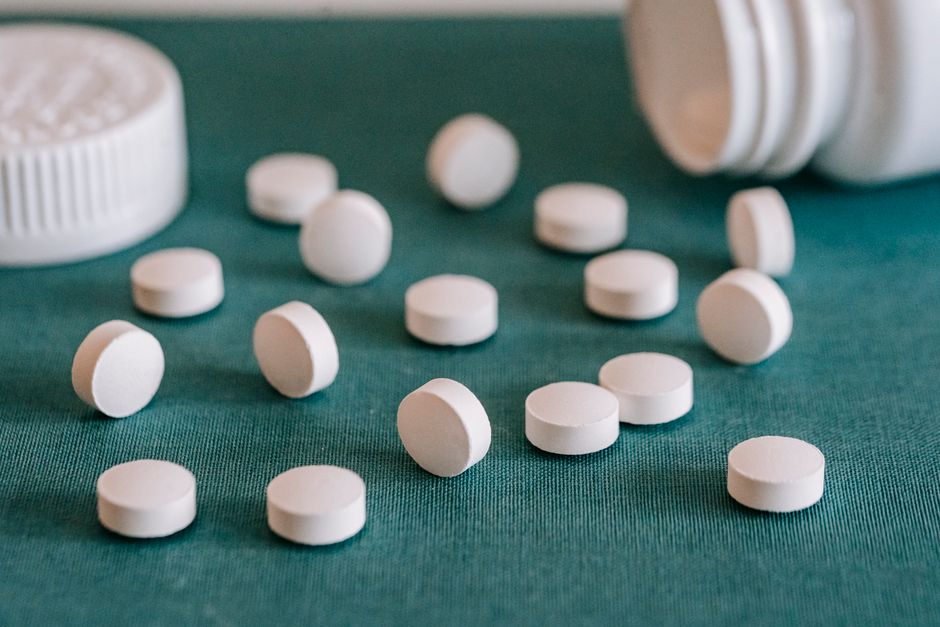
Realizing you just swallowed a second oxycodone pill by mistake can trigger an immediate wave of panic. Your mind races through worst-case scenarios, and you’re not sure whether to call for help, wait it out, or just watch and see what happens. If you accidentally take two oxycodone pills, the good news is that in many cases, especially at lower prescribed doses, this is manageable at home with careful monitoring, but it’s not something to shrug off either.
This article walks you through exactly what to do in the minutes and hours after a double dose, what symptoms mean you need emergency care right away, and how to prevent this from happening again. We’ll also cover who is at higher risk of serious complications, how oxycodone overdose symptoms progress, and answer the most common questions people search for after this exact situation.
First Things First: Stay Calm and Assess the Situation
Panic makes it harder to think clearly, and clear thinking is exactly what you need right now. Before doing anything else, take a breath and gather the facts you’ll need to make a good decision.
Information You Need to Collect Immediately
- Your prescribed dose: How many milligrams is your regular oxycodone pill (5mg, 10mg, 15mg, 20mg, 30mg)?
- Time taken: When did you take the first pill, and when did you take the second one?
- Formulation type: Is it immediate-release oxycodone or an extended-release version like OxyContin?
- Other substances: Have you taken any alcohol, benzodiazepines, sleep aids, or other sedating medications recently?
- Personal health factors: Do you have any lung, liver, or kidney conditions?
This information matters because a person accidentally taking an extra 5mg tablet is in a very different situation than someone who doubled up on a 30mg extended-release dose. As a result, the appropriate response can range from simply monitoring yourself at home to calling emergency services immediately.
When Doubling an Oxycodone Dose Becomes Dangerous
Oxycodone is a powerful opioid painkiller, and like all opioids, it works by binding to receptors in the brain and spinal cord that control pain perception. Unfortunately, those same receptors also regulate breathing. This is why the biggest danger of taking too much oxycodone isn’t drowsiness or nausea, it’s respiratory depression, meaning your breathing slows down or becomes dangerously shallow.
Generally speaking, doubling a small, low dose that was appropriately prescribed for your body weight and opioid tolerance carries a lower, though still real, risk. However, the risk increases substantially if:
- You are opioid-naive (new to taking opioids, with little to no tolerance built up)
- You took an extended-release formulation, which releases a much larger total amount of the drug over time
- You combined it with alcohol, benzodiazepines (like Xanax or Valium), sleep medications, or other sedatives
- You have a pre-existing respiratory condition such as asthma, COPD, or sleep apnea
- You are elderly or have reduced kidney or liver function, which slows how your body clears the drug
According to the Mayo Clinic, opioid overdose risk rises sharply when opioids are combined with other central nervous system depressants, even at doses that might otherwise be considered mild. If any of these risk factors apply to you, treat the situation with more urgency.
Step-by-Step: What to Do Right Now
Step 1: Check for Warning Signs of Overdose
Before deciding your next move, check yourself (or the person who took the extra dose) for these signs:
- Slow, shallow, or labored breathing (fewer than 12 breaths per minute)
- Extreme drowsiness or difficulty staying awake
- Confusion or slurred speech
- Blue or grayish tint to lips, fingertips, or skin
- Pinpoint (very small) pupils
- Limpness or unresponsiveness
- Gurgling or choking sounds
If any of these symptoms are present, this is a medical emergency. Call 911 (or your local emergency number) immediately. Do not wait to see if it gets worse.
Step 2: Call Poison Control If Symptoms Are Mild or Absent
If you feel only mildly drowsy, a bit foggy, or slightly nauseated, but you’re breathing normally and can stay awake, contact Poison Control. In the United States, you can reach the Poison Help Line at 1-800-222-1222. They are available 24/7, free, confidential, and staffed by medical professionals who will ask you specific questions about your dose, weight, and symptoms to give you tailored guidance.
Poison Control can tell you whether your situation warrants an ER visit or whether home monitoring is appropriate. Don’t hesitate to call just because your symptoms seem minor. It only takes a few minutes and provides real peace of mind.
Step 3: Do Not Take Any More Medication to “Correct” the Mistake
One of the most dangerous instincts after realizing you doubled up on a dose is to try to “fix” it by skipping your next scheduled dose entirely, taking an antidote you read about online, or worse, inducing vomiting to get the pills out of your system. Resist all of these urges.
Inducing vomiting is particularly risky. Oxycodone can impair your gag reflex and level of consciousness, which means vomiting could cause choking or aspiration (breathing vomit into the lungs). Never try to make yourself or someone else throw up after an opioid overdose unless a medical professional specifically instructs you to do so.
Similarly, do not take activated charcoal, caffeine, or any other home remedy in an attempt to counteract the extra dose. These are not proven safe or effective for oxycodone specifically, and some can interact poorly with opioids or mask symptoms that a doctor needs to see clearly.
Step 4: Have Naloxone on Hand If Possible
If you or a family member takes oxycodone regularly, it’s worth asking your pharmacist about naloxone (Narcan), the opioid overdose reversal medication. Many pharmacies in the United States can dispense it without an individual prescription under standing orders.
Naloxone works by rapidly reversing the effects of opioids, including dangerously slowed breathing, and can be life-saving in the minutes before emergency responders arrive. If you or someone nearby is showing overdose symptoms and naloxone is available, administer it according to the package instructions and still call 911, since naloxone’s effects can wear off before the opioid does, sometimes requiring repeat doses.
Step 5: Monitor for the Next 4 to 6 Hours
Even if you’re feeling okay after the initial scare, oxycodone’s effects can peak within one to two hours and linger for several hours afterward, especially with extended-release formulations. Have someone stay with you, or check in on you periodically, for at least 4 to 6 hours after the accidental double dose.
Watch for delayed symptoms such as increasing drowsiness, unusual confusion, or breathing that becomes slower over time. If you live alone, consider calling a friend or family member to check on you by phone or in person during this window.
Why Doubling Up on Oxycodone Is Risky
Oxycodone is a powerful opioid analgesic, and its safety margin (the difference between an effective dose and a dangerous one) can be narrower than people expect, particularly for those who are opioid-naive, elderly, have reduced kidney or liver function, or are taking other central nervous system depressants like benzodiazepines, alcohol, or sleep aids.
Taking two doses close together essentially doubles the amount of opioid in your bloodstream at once, which can overwhelm your body’s ability to process the drug. This raises the risk of respiratory depression, the primary cause of opioid-related deaths. Even for people who have built some tolerance from regular use, an unplanned double dose introduces unpredictability that your body may not be prepared to handle safely.
Extended-release oxycodone formulations carry an added layer of risk. These pills are designed to release medication slowly over 12 hours. If you accidentally take two extended-release tablets, you’re not just doubling the dose, you’re creating a situation where a large amount of oxycodone will be entering your system steadily over many hours, extending the window during which overdose symptoms could develop or worsen.
Factors That Affect How Serious the Situation Is
Not every accidental double dose carries the same level of risk. Several factors influence how your body will respond:
Your Prescribed Dose and Tolerance
Someone prescribed a low dose, such as 5 mg tablets, who accidentally takes two, faces a different risk profile than someone prescribed 30 mg tablets who doubles up. Similarly, a person who has taken oxycodone regularly for months has developed some tolerance, whereas someone new to the medication has none, making the same extra dose proportionally more dangerous for them.
Immediate-Release vs. Extended-Release Formulation
As mentioned, extended-release oxycodone (often labeled OxyContin) poses a longer, more sustained risk window compared to immediate-release versions. If you’re unsure which type you take, check your prescription label or call your pharmacist, this detail matters for how you and any medical provider should respond.
Other Medications or Substances Involved
If you’ve also consumed alcohol, taken a benzodiazepine (such as Xanax or Valium), used sleep medication, or taken other opioids or sedatives, the combined depressant effect on your central nervous system multiplies the danger significantly. This is one of the most common combinations seen in fatal opioid overdoses, so it’s crucial to disclose any other substances when speaking with Poison Control or emergency responders.
This is also why understanding how oxycodone interacts with other medications matters even outside of an emergency, since combining central nervous system depressants is a common but avoidable risk.
Body Weight, Age, and Underlying Health Conditions
Older adults, people with low body weight, and those with liver or kidney disease process oxycodone more slowly, meaning the drug stays active in their system longer and effects can be more pronounced. Respiratory conditions like COPD or sleep apnea also increase vulnerability to breathing-related complications.
What Happens at the ER If You Go
If Poison Control or a medical professional advises you to go to the emergency room, here’s generally what to expect. Staff will likely check your vital signs, including oxygen saturation, heart rate, and breathing rate. They may run blood tests to check organ function and rule out other complications.
If your symptoms suggest significant opioid toxicity, they may administer naloxone in a controlled setting, where they can monitor how you respond and give repeat doses if necessary. In some cases, patients are kept for observation for several hours to ensure symptoms don’t worsen once initial treatment wears off, particularly important given how long extended-release oxycodone remains active in the body.
Being honest and thorough with medical staff, sharing exactly how much you took, when, and what other substances or medications were involved, helps them provide the safest, most accurate care. There is no need to feel embarrassed; healthcare providers see accidental medication errors regularly and their focus is entirely on your safety.
How to Prevent This From Happening Again
Accidental double dosing often happens because of simple, fixable habits. Here are practical strategies to reduce the risk going forward.
Use a Pill Organizer
A weekly or daily pill organizer with labeled compartments takes the guesswork out of whether you’ve already taken your dose. This is especially helpful if you take multiple medications or if your dosing schedule varies by time of day.
Keep a Written or Digital Dosing Log
Jot down the time and date every time you take a dose, either on paper or using a medication reminder app. Many smartphone apps send alerts when it’s time for your next dose and log your history automatically, removing the need to rely on memory alone.
Store Medication in One Consistent, Secure Location
Avoid moving your oxycodone bottle between rooms, purses, or bags. Keeping it in one locked or clearly designated spot reduces confusion about whether you’ve already taken a dose and helps prevent accidental access by others, including children or pets.
Avoid Taking Medication in Low Light or While Distracted
Many accidental double doses happen at night, when someone is half-asleep and unsure whether they already took their evening dose. Turn on a light, take a moment to check your log or pill organizer, and avoid rushing through the process, especially if you’re also managing pain-related fatigue or brain fog.
Communicate With Family Members or Caregivers
If someone else helps administer your medication, make sure there’s a single clear system for tracking doses so two people don’t unknowingly give a dose each, another common cause of accidental double dosing, particularly in households caring for elderly or postoperative patients.
Talk to Your Doctor About Your Regimen
If you frequently feel confused about your dosing schedule, or find yourself missing doses and then trying to make up for it, tell your prescribing doctor. They may adjust your regimen to something simpler or provide clearer written instructions. If you’ve ever wondered what to do if you miss a dose, understanding the correct response to both missed and doubled doses can help prevent panic-driven mistakes in either direction.
When Accidental Double Dosing Becomes a Bigger Concern
An occasional, isolated mistake is different from a pattern. If you notice that you’re regularly losing track of doses, taking extra pills to manage pain that feels under-controlled, or feeling anxious about running out before a refill is due, these can be signs that your current pain management plan needs to be reassessed, or in some cases, signs of developing dependence.
Talk openly with your doctor if this sounds familiar. Pain management is not one-size-fits-all, and there are often alternative approaches, adjusted dosing schedules, or additional support resources that can help you use your medication more safely and effectively.
Frequently Asked Questions
Is taking two oxycodone pills by accident always dangerous?
Not always, but it should always be taken seriously. The level of risk depends on your prescribed dose, tolerance, formulation (immediate-release vs. extended-release), and whether other substances like alcohol or sedatives are involved. When in doubt, contact Poison Control or a healthcare provider rather than assuming it’s fine.
How long will the effects of an extra oxycodone dose last?
Immediate-release oxycodone typically peaks within one to two hours and its effects can last four to six hours. Extended-release formulations release the drug over roughly 12 hours, meaning effects and risks can persist much longer. This is why monitoring for several hours afterward is important regardless of formulation.
Should I skip my next scheduled dose after accidentally doubling up?
Do not decide this on your own. Skipping doses to “compensate” can create its own problems, including breakthrough pain or confusion about your schedule. Ask Poison Control, your pharmacist, or your doctor for specific guidance based on your situation before your next dose is due.
Can I just sleep it off if I feel drowsy after taking an extra dose?
No. Drowsiness can progress to dangerous respiratory depression while you sleep, and you won’t be able to monitor your own breathing while unconscious. If you feel very drowsy, have someone stay awake with you to monitor your breathing and responsiveness, and seek medical advice promptly.
What should I tell the doctor or Poison Control representative?
Be ready to share the exact dose and formulation of oxycodone you take, how many extra pills were taken and when, your body weight, any other medications or substances (including alcohol) taken recently, and any symptoms you’re currently experiencing. Accurate information helps them assess risk quickly and correctly.
Final Thoughts
Accidentally taking two oxycodone pills instead of one is a common, understandable mistake, but it’s one that deserves a calm, informed response rather than panic or denial. Check for warning signs of overdose first, reach out to Poison Control or emergency services based on how you feel, avoid trying to self-correct the mistake with home remedies, and monitor closely for several hours afterward.
Just as importantly, use this experience as a nudge to build safer habits going forward, whether that’s a pill organizer, a dosing log, or a simple conversation with your doctor about your current regimen. Oxycodone can be an effective tool for managing pain when used exactly as prescribed, and a little extra structure around how you take it can go a long way toward preventing this kind of scare from happening again. For more information on opioid safety, resources like Drugs.com offer additional guidance on dosing and interactions, though they should never replace direct advice from your doctor or pharmacist.