Health Tips
Oxycodone Dosage Chart: An Educational Guide to Safe Dosing


Oxycodone is one of the most commonly prescribed opioid painkillers in the United States, yet confusion about proper dosing sends thousands of people to emergency rooms every year. If you or a loved one has been prescribed this medication, understanding the oxycodone dosage chart your doctor is working from can help you take the drug more safely and recognize when something looks off. This guide breaks down typical dosing ranges by formulation, age group, and tolerance level, explains how doctors adjust doses over time, and highlights warning signs that require immediate medical attention.
This article is for educational purposes only. It does not replace medical advice, and you should never change your oxycodone dose without talking to your prescriber first.
What Is Oxycodone and Why Dosage Precision Matters
Oxycodone is a semi-synthetic opioid agonist used to manage moderate to severe pain. It works by binding to opioid receptors in the brain and spinal cord, blocking pain signals and producing a sense of relief and, at higher doses, euphoria. Because it is a Schedule II controlled substance, oxycodone carries a real risk of tolerance, dependence, and overdose, especially if the dose is not matched carefully to the individual patient.
Unlike many over-the-counter medications, there is no single fixed oxycodone dose that works for everyone. The right amount depends on a combination of factors: your age, body weight, kidney and liver function, whether you have taken opioids before, the severity of your pain, and the specific formulation your doctor has prescribed. This is why oxycodone dosage charts are always presented as ranges rather than one-size-fits-all numbers, and why your prescriber may adjust your dose several times before settling on a maintenance amount.
Because oxycodone comes in several different formulations, immediate-release tablets, extended-release tablets, capsules, oral solutions, and combination products, the numbers on a dosage chart can look wildly different depending on which version you are looking at. Below, we break each one down separately so you can understand where your prescription fits.
Oxycodone Dosage Chart by Formulation
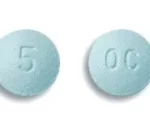
Immediate-Release Oxycodone (Roxicodone, Oxaydo, generic tablets)
Immediate-release (IR) oxycodone is the most commonly prescribed form for short-term or acute pain, such as after surgery, a broken bone, or a dental procedure. It starts working within 15 to 30 minutes and reaches peak effect around one hour after ingestion, with pain relief typically lasting four to six hours.
| Patient Type | Typical Starting Dose | Usual Frequency | Maximum Guidance |
|---|---|---|---|
| Opioid-naive adult | 5 mg to 10 mg | Every 4 to 6 hours as needed | Adjusted based on response; no universal ceiling, but lowest effective dose is standard |
| Opioid-tolerant adult | 10 mg to 30 mg or higher | Every 4 to 6 hours as needed | Individualized by prescriber, often much higher than naive patients |
| Older adults (65+) | 2.5 mg to 5 mg | Every 4 to 6 hours as needed | Lower starting dose due to slower drug clearance |
| Adolescents (rare, specialist-supervised) | Weight-based, often 0.05 mg to 0.15 mg per kg | Every 4 to 6 hours as needed | Only under pediatric pain specialist guidance |
Doctors generally start opioid-naive patients at the lowest effective dose, often just 5 mg, and monitor how well it controls pain before considering an increase. This cautious approach is intentional. It reduces the risk of oversedation and gives the prescriber a clearer picture of how a specific patient’s body responds to the drug.
Extended-Release Oxycodone (OxyContin, Xtampza ER)
Extended-release (ER) oxycodone is designed for patients who need round-the-clock pain control, such as those with chronic cancer pain or long-term musculoskeletal conditions. Unlike immediate-release tablets, ER formulations release the medication slowly over approximately 12 hours, which is why they are typically taken only twice a day.
| Patient Type | Typical Starting Dose | Frequency | Notes |
|---|---|---|---|
| Opioid-naive adult | 10 mg every 12 hours | Twice daily | Never used for as-needed or breakthrough pain |
| Opioid-tolerant adult | Determined by converting from prior opioid dose | Twice daily | Requires careful conversion math done by a prescriber |
| Older adults | 10 mg every 12 hours, titrated slowly | Twice daily | Extra caution due to fall risk and slower metabolism |
One of the most important safety rules with extended-release oxycodone is that the tablets must be swallowed whole. Crushing, chewing, or dissolving an ER tablet destroys the time-release mechanism and can cause the entire 12-hour dose to be absorbed almost immediately, which has been linked to fatal overdoses. If you are curious about how long either form stays active in your system, our detailed guide on oxycodone half-life explains the pharmacokinetics behind both formulations in more depth.
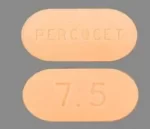
Combination Products (Percocet, Percodan, Endocet)
Many oxycodone prescriptions are actually combination products that pair oxycodone with a second pain reliever, most commonly acetaminophen (as in Percocet) or aspirin (as in Percodan). These combinations allow for effective pain relief at a lower opioid dose, but they introduce an additional dosing limit: the amount of acetaminophen or aspirin in each tablet.
| Product | Typical Oxycodone Content | Typical Acetaminophen/Aspirin Content | Standard Dosing Frequency |
|---|---|---|---|
| Percocet 2.5/325 | 2.5 mg | 325 mg acetaminophen | Every 6 hours as needed |
| Percocet 5/325 | 5 mg | 325 mg acetaminophen | Every 4 to 6 hours as needed |
| Percocet 10/325 | 10 mg | 325 mg acetaminophen | Every 4 to 6 hours as needed |
| Percodan | 4.8355 mg | 325 mg aspirin | Every 6 hours as needed |
Because acetaminophen has its own maximum daily limit (generally capped at 3,000 mg to 4,000 mg per day for most adults, and lower for people with liver disease), the acetaminophen content often becomes the limiting factor in how many combination tablets a person can safely take in 24 hours, not the oxycodone itself. This is one of the most overlooked aspects of opioid combination dosing, and it is a major reason why combining these products with other over-the-counter pain relievers requires caution. If you have ever wondered whether it is safe to add an anti-inflammatory on top of your prescription, our article on taking ibuprofen with oxycodone walks through the safety considerations in detail.
Oxycodone Dosage by Age and Patient Group
Age plays a bigger role in opioid dosing than many people realize. The liver and kidneys, which are responsible for metabolizing and clearing oxycodone from the body, naturally slow down with age. This means the same dose that feels manageable to a 30-year-old could linger longer and hit harder in someone who is 70.
Adults (18 to 64)
Most standard dosing charts are built around this age group, since it represents the bulk of clinical trial data. Healthy adults without significant liver or kidney impairment typically tolerate the standard starting doses described above and can usually be titrated upward more quickly than older patients if pain control is inadequate.
Older Adults (65 and Older)
Geriatric patients are considered a higher-risk group for opioid therapy. Guidelines from organizations such as the American Geriatrics Society recommend starting with roughly half the standard adult dose and extending the time between dose increases. Older adults are also more susceptible to confusion, dizziness, falls, and constipation while on oxycodone, so close monitoring is essential, especially in the first few days of treatment.
Children and Adolescents
Oxycodone is rarely prescribed to children and is generally reserved for adolescents with severe pain, such as after major surgery or in the context of pediatric cancer care, and only under the supervision of a pediatric pain specialist. Dosing in this group is calculated based on body weight in milligrams per kilogram rather than the flat doses used in adults, and it requires far more frequent monitoring.
Pregnant and Breastfeeding Individuals
Oxycodone crosses the placenta and is present in breast milk, which means it carries risks for both the fetus and nursing infants, including neonatal opioid withdrawal syndrome in babies exposed during pregnancy. Any use during pregnancy or while breastfeeding should only occur under close obstetric and pain management supervision, with the lowest effective dose used for the shortest possible time.
Opioid-Naive vs. Opioid-Tolerant Dosing: Why the Numbers Vary So Much
One of the most confusing parts of any oxycodone dosage chart is the huge gap between the doses given to first-time users and those given to patients who have been on opioids for a while. This distinction comes down to a concept called opioid tolerance.
Clinically, a patient is generally considered opioid-tolerant if they have been taking, for at least a week, an amount equivalent to:
- 60 mg of oral morphine per day
- 30 mg of oral oxycodone per day
- 8 mg of oral hydromorphone per day
- Or an equivalent dose of another opioid
Opioid-tolerant patients have adapted, at the cellular level, to a certain level of opioid exposure. Their bodies require a higher dose to achieve the same pain-relieving effect that a smaller dose would produce in someone who has never taken an opioid before. This is precisely why extended-release oxycodone products carry strong warnings against use in opioid-naive patients at higher starting strengths (such as 40 mg or 80 mg tablets), since a dose that is routine for a tolerant patient could be dangerous or fatal for someone without that built-up tolerance.
How Doctors Titrate and Adjust Oxycodone Doses
Titration is the gradual process of increasing (or occasionally decreasing) a medication dose to find the sweet spot between effective pain relief and manageable side effects. With oxycodone, this process typically follows a cautious, stepwise pattern.
Step 1: Start Low
Prescribers almost always begin with the lowest dose likely to provide meaningful relief, particularly for patients who have never taken opioids before. This minimizes the risk of oversedation and gives a baseline for future adjustments.
Step 2: Reassess Within Days
For acute pain, doctors often reassess within 24 to 72 hours. For chronic pain managed with extended-release products, the reassessment window is usually a bit longer, often three to seven days, since it takes multiple doses for the medication to reach a steady state in the bloodstream.
Step 3: Adjust in Small Increments
If pain relief is inadequate, doses are typically increased by small percentages, often 25% to 50%, rather than large jumps. This measured approach helps prescribers avoid overshooting into a dose that causes excessive sedation or respiratory depression.
Step 4: Add Breakthrough Dosing When Needed
Patients on a stable extended-release regimen sometimes still experience breakthrough pain, brief flare-ups that punch through the baseline coverage. In these cases, doctors may add a small immediate-release dose to be used as needed alongside the scheduled ER medication, always with clear instructions about maximum daily totals.
Timing also matters here. Taking your dose at consistent intervals, and understanding when your body tends to feel pain most acutely, can make a real difference in how well the medication works. Our guide on the best time to take oxycodone for pain relief covers practical scheduling strategies that complement the dosing information here.
Factors That Can Change What a “Normal” Dose Looks Like for You
A dosage chart provides a starting reference point, but several individual factors can shift what is actually safe and effective for a specific person.
Liver and Kidney Function
Oxycodone is metabolized primarily in the liver and cleared through the kidneys. When either organ is not functioning at full capacity, the drug can accumulate in the bloodstream, increasing the risk of side effects and overdose even at doses that would normally be considered standard. Patients with hepatic or renal impairment are typically started on lower doses with longer intervals between adjustments.
Body Weight and Composition
While oxycodone dosing for adults is not usually calculated strictly by weight the way pediatric dosing is, body composition can still influence how the drug distributes and how long its effects last, particularly in patients at the extremes of the weight spectrum.
Genetic Differences in Drug Metabolism
Genetic variation in liver enzymes, particularly CYP3A4 and CYP2D6, can affect how quickly a person breaks down oxycodone. Some people metabolize it unusually fast, requiring more frequent dosing for adequate relief, while others metabolize it slowly, putting them at higher risk of side effects at standard doses.
Interactions With Other Substances
Certain foods and medications can interfere with how oxycodone is processed in the body. Grapefruit juice, for example, inhibits the CYP3A4 enzyme responsible for breaking down oxycodone, which can cause dangerously elevated drug levels. Our full explanation of the oxycodone and grapefruit juice interaction covers exactly why this combination should be avoided. Other CNS depressants, including benzodiazepines, alcohol, and certain sleep aids, can compound oxycodone’s sedative and respiratory-depressing effects and should only be combined under direct medical supervision.
Other Medications and Supplements
Even seemingly harmless herbal supplements can interact with opioid metabolism. If you are taking supplements alongside your prescription, it is worth reading our breakdown of whether it is safe to use ashwagandha or turmeric while on oxycodone before assuming any natural product is automatically risk-free.
What to Do If You Miss a Dose or Take Too Much
Dosing mistakes happen more often than people admit, and how you respond matters. Missing a dose of immediate-release oxycodone is generally less risky than missing an extended-release dose, since ER formulations are designed to maintain steady blood levels for consistent pain control. If you have missed a scheduled dose, our complete guide on what happens if you miss an oxycodone dose walks through exactly what to do depending on how much time has passed.
On the other end of the spectrum, accidentally doubling up on a dose is a common and understandably frightening mistake. Symptoms can range from mild drowsiness to more concerning signs of oversedation depending on the dose and your tolerance level. If this happens to you or someone you care for, our article on what to do if you accidentally take two oxycodone pills outlines the warning signs to watch for and when to seek help immediately.
Recognizing the Signs of Oxycodone Overdose
Even with careful dosing, it is critical to recognize the signs of an opioid overdose, since early intervention can be life-saving. Seek emergency medical help immediately, or call your local poison control center or emergency number, if you notice any of the following:
- Slow, shallow, or stopped breathing
- Extreme drowsiness or inability to wake up
- Pinpoint (very small) pupils
- Blue or gray tint to the lips or fingertips
- Limp body or loss of muscle tone
- Gurgling or choking sounds while breathing
- Confusion, slurred speech, or unresponsiveness
If naloxone is available, it should be administered immediately according to the instructions on the package, followed by emergency medical care even if the person appears to recover, since naloxone’s effects can wear off before the opioid has fully cleared the body.
Managing Side Effects That Come With Dosing Changes
Whenever an oxycodone dose is started or increased, side effects tend to spike temporarily before the body adjusts. Being aware of what is typical, and what warrants a call to your doctor, can help you manage the transition more comfortably.
Constipation
This is one of the most predictable and persistent side effects of any opioid, at any dose. Unlike drowsiness or nausea, the body does not build tolerance to opioid-induced constipation over time, which is why proactive management matters. Our guides on preventing and relieving oxycodone-related constipation and the best foods to relieve oxycodone constipation offer practical, non-drug strategies, while our article on using Miralax alongside oxycodone covers a commonly recommended over-the-counter option.
Nausea
Nausea is common, especially when a dose is first started or increased, and it often improves within a few days as the body adjusts. Our dedicated article on oxycodone-related nausea covers timing tricks and remedies that many patients find helpful.
Itching, Sweating, and Other Histamine-Related Effects
Opioids can trigger histamine release, which sometimes causes itching or sweating that has nothing to do with an allergy. If you have noticed unusual itchiness, our piece on why oxycodone makes you itchy explains the mechanism, and our guides on oxycodone and sweating and oxycodone and night sweats go into more detail on when these symptoms are simply a nuisance versus when they need medical attention.
Less Common but Notable Effects
Some patients report symptoms like hiccups, ringing in the ears, or blurred vision, particularly during dose adjustments. These are less common but not unheard of. Our articles on oxycodone and hiccups, oxycodone and tinnitus, and oxycodone and blurred vision explain what is typically considered within normal range and what should prompt a call to your prescriber.
Digestive Symptoms Beyond Constipation
Some patients also manage diarrhea from other medications they are taking alongside oxycodone. If you are wondering whether it is safe to combine an anti-diarrheal like loperamide with your opioid prescription, our article on taking Imodium with oxycodone explains the interaction risks in detail.
Safe Storage, Tapering, and Disposal
Proper dosing does not end once you swallow the tablet. How you store, taper off, and eventually dispose of oxycodone is just as important to overall safety.
Storage
Keep oxycodone in its original, labeled container, out of reach of children and pets, and ideally in a locked cabinet given the drug’s high potential for misuse. Avoid storing it in a bathroom medicine cabinet where humidity can degrade the tablets faster.
Tapering
If you and your doctor decide it is time to stop oxycodone, never quit abruptly after extended use. A gradual taper, typically reducing the dose by 10% to 25% every few days to weeks depending on how long you have been taking it, helps minimize withdrawal symptoms such as sweating, anxiety, muscle aches, and gastrointestinal distress.
Disposal
Unused oxycodone should never be thrown in household trash or flushed down the toilet unless specifically instructed, as this can contaminate water systems or be retrieved by others. Many pharmacies and community programs offer drug take-back options, and the Drug Enforcement Administration hosts periodic National Prescription Drug Take Back Day events specifically for this purpose. You can also check with resources like Drugs.com for updated disposal guidance specific to your location.
General Oxycodone Dosage Reference at a Glance
To pull everything together, here is a simplified overview of how the numbers typically compare across formulations. Remember, these are general reference points only, not personalized medical instructions.
| Formulation | Onset of Action | Duration of Effect | Typical Dosing Interval |
|---|---|---|---|
| Immediate-release tablets | 15 to 30 minutes | 4 to 6 hours | Every 4 to 6 hours as needed |
| Extended-release tablets | Slower onset, builds over hours | Up to 12 hours | Every 12 hours, scheduled |
| Combination products (with acetaminophen/aspirin) | 15 to 30 minutes | 4 to 6 hours | Every 4 to 6 hours as needed, limited by non-opioid ingredient |
| Oral solution | 15 to 30 minutes | 4 to 6 hours | Every 4 to 6 hours as needed |
For a broader overview of how oxycodone works, its full range of uses, and general safety tips beyond dosing, our comprehensive oxycodone medication guide is a helpful companion resource to this dosage-focused article.
Frequently Asked Questions
What is the maximum safe dose of oxycodone per day?
There is no single universal maximum, since the safe ceiling depends heavily on individual tolerance, formulation, and other health factors. Rather than following a fixed daily cap, doctors determine an individualized maximum based on how a patient responds during titration. Always follow your prescriber’s specific instructions rather than a generic number found online.
Can I take immediate-release and extended-release oxycodone together?
Yes, this is a common approach for patients with chronic pain who need steady baseline coverage from an extended-release product plus occasional immediate-release doses for breakthrough pain. However, the combination and total daily amount must be prescribed and monitored by your doctor, since combining the two without guidance significantly increases overdose risk.
Why did my doctor start me on such a low dose?
Starting low is a standard safety practice, especially for opioid-naive patients. It allows your prescriber to assess how your body responds before increasing the dose, minimizing the risk of oversedation, respiratory depression, or other adverse effects.
Does oxycodone dosing differ between brand-name and generic versions?
The active ingredient and dosing principles are the same between brand-name products like OxyContin and their generic equivalents, since generics must meet strict bioequivalence standards. However, inactive ingredients and specific release mechanisms can vary slightly, so always follow the instructions for the specific product you have been prescribed.
Is it normal for my required dose to increase over time?
Some increase in required dose over time can reflect the body building tolerance, which is a normal physiological response to ongoing opioid use, not necessarily a sign of misuse. That said, any request for a significant dose increase should always go through your prescriber, who can evaluate whether the underlying pain condition has changed or whether alternative pain management strategies should be considered.
Final Thoughts
Oxycodone can provide meaningful relief for moderate to severe pain, but its effectiveness and safety depend heavily on matching the right dose, formulation, and schedule to the right patient. Dosage charts offer a useful starting framework, but they are never a substitute for individualized medical guidance. If your prescription ever looks different from the general ranges described here, or if you experience side effects that feel unmanageable, reach out to your prescriber rather than adjusting the dose on your own. Responsible use, careful monitoring, and open communication with your healthcare team remain the most reliable path to safe and effective pain relief with this medication.