Health Tips
Oxycodone and Blurred Vision: Is It a Normal Side Effect?

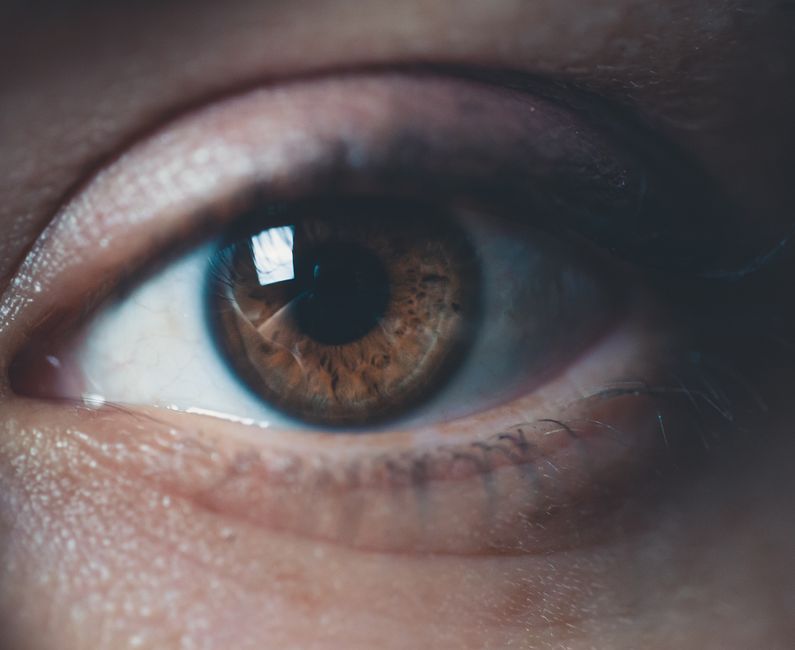
If you have started taking oxycodone for pain relief and noticed your vision looks fuzzy or unfocused, you are not imagining it. Oxycodone and blurred vision are, in fact, linked, and this reaction shows up more often than most patients expect. In this article, you will learn why oxycodone affects your eyesight, how common this side effect really is, when it signals something more serious, and what you can do to protect your vision while managing pain.
We will also cover how blurred vision compares to other opioid side effects, when to call your doctor, and practical tips for staying safe if your sight is affected. Let’s get into the details.
Is Blurred Vision a Normal Side Effect of Oxycodone?
Yes, blurred vision is a recognized, though less commonly discussed, side effect of oxycodone. Oxycodone is a powerful opioid analgesic that works on the central nervous system, and like many opioids, it can affect the muscles and nerves that control your eyes. In clinical trials and post-marketing reports, patients have described symptoms ranging from mild fuzziness to noticeable double vision.
According to prescribing information reviewed by the Drugs.com database, visual disturbances are listed among the less frequent but documented adverse effects of oxycodone. This does not mean everyone who takes the medication will experience it, but it is common enough that healthcare providers consider it a known, expected reaction rather than a rare anomaly.
Why Does This Happen?
Opioids like oxycodone bind to receptors throughout the body, including areas that influence pupil size and eye muscle coordination. This is why blurred vision often appears alongside other visual symptoms such as:
- Pupil constriction (miosis), a hallmark sign of opioid use
- Difficulty focusing on nearby or distant objects
- Mild double vision, especially at higher doses
- Increased sensitivity to light
Interestingly, this response is somewhat the opposite of what happens with stimulant medications. For comparison, our article on whether Adderall dilates pupils explains how stimulants tend to widen the pupils rather than constrict them, which shows how differently drug classes can affect the eyes.
How Common Is Blurred Vision With Oxycodone?
Blurred vision is not among the top three side effects of oxycodone, which typically include nausea, constipation, and drowsiness. However, it is frequently reported enough that it appears in most comprehensive medication guides. If you want a broader overview of what to expect when starting this medication, our oxycodone medication guide covers the full range of common and rare reactions, dosage considerations, and safety tips.
Studies estimate that visual disturbances occur in a small percentage of patients, generally less than 10 percent, though this figure can vary based on dose, duration of use, and individual sensitivity. Older adults and people taking higher doses tend to report this symptom more often.
Factors That Increase the Risk
Several variables can make blurred vision more likely or more pronounced:
- Higher doses: Larger amounts of oxycodone increase the likelihood of central nervous system side effects, including visual changes.
- Combining with other sedatives: Mixing oxycodone with benzodiazepines, alcohol, or other CNS depressants can intensify blurred vision.
- Dehydration: Since oxycodone can cause dry mouth and reduced fluid intake, dehydration may worsen eye discomfort.
- Underlying health conditions: People with diabetes, glaucoma, or pre-existing eye conditions may notice more pronounced effects.
- Liver function: Because oxycodone is metabolized in the liver, impaired liver function can lead to higher drug concentrations in the bloodstream. Our article on how your liver processes oxycodone explains this process in more detail.
What Does Oxycodone-Related Blurred Vision Feel Like?
Patients describe this side effect in different ways. Some notice a general haziness, as if looking through a light fog. Others report difficulty reading small text or seeing street signs clearly while driving. In some cases, people experience mild double vision, particularly when the medication reaches peak concentration in the bloodstream, usually one to two hours after taking an immediate-release dose.
This symptom often appears alongside other common oxycodone side effects, such as drowsiness or lightheadedness. In fact, blurred vision and dizziness frequently occur together, since both stem from the drug’s sedative effects on the central nervous system. If you have also experienced unsteadiness or a spinning sensation, our guide on whether oxycodone can cause dizziness offers useful context on managing both symptoms.
When Does It Typically Occur?
Blurred vision tends to show up:
- Shortly after taking a new dose, especially when starting the medication
- During dose increases
- When combined with alcohol or other sedating substances
- At peak blood concentration levels of the drug
For most people, this side effect is temporary and fades as the body adjusts to the medication or as the dose wears off. However, persistent or worsening symptoms deserve medical attention.
Is Blurred Vision Ever a Sign of a Serious Problem?
While mild, temporary blurred vision is generally considered a normal reaction, there are situations where visual changes signal something more concerning. Understanding the difference can help you respond appropriately.
Signs That Warrant Immediate Medical Attention
Contact a healthcare provider right away if blurred vision is accompanied by any of the following:
- Severe headache or eye pain
- Sudden vision loss in one or both eyes
- Confusion or extreme drowsiness that is difficult to wake from
- Slow or shallow breathing
- Bluish lips or fingertips
- Pinpoint pupils combined with unresponsiveness
These symptoms could indicate an opioid overdose, which is a medical emergency. According to the Mayo Clinic, opioid overdose can cause severe respiratory depression along with pronounced changes in pupil size and consciousness, and requires immediate emergency care.
Allergic Reactions and Other Rare Causes
In rare cases, blurred vision paired with swelling, hives, or difficulty breathing may point to an allergic reaction rather than a typical side effect. This requires urgent medical evaluation as well. Additionally, if you are taking other medications alongside oxycodone, such as gabapentin, the combination could amplify sedative and visual side effects. Our article on taking oxycodone and gabapentin together explains how this combination can heighten central nervous system effects, including drowsiness and visual disturbances.
Does Blurred Vision Improve Over Time?
For many patients, blurred vision associated with oxycodone lessens as the body builds tolerance to the medication. This typically happens within the first few days to a couple of weeks of consistent use. As a result, doctors often advise patients to be extra cautious during the initial adjustment period, particularly when it comes to driving or operating machinery.
However, if you are on a long-term oxycodone regimen and continue to experience blurred vision without improvement, it is worth discussing with your prescriber. They may consider adjusting your dose, switching to an alternative formulation, or investigating other underlying causes.
Why Individual Responses Vary
Not everyone reacts to oxycodone the same way, and this extends to visual side effects too. Genetics, metabolism speed, body weight, and even how quickly your liver processes the drug all play a role. Our detailed explanation of why oxycodone affects people differently dives into the science behind these individual variations, which can help explain why your experience might differ from someone else’s.
Practical Tips for Managing Blurred Vision on Oxycodone
If you are dealing with blurry vision while taking oxycodone, there are several steps you can take to reduce discomfort and stay safe.
1. Avoid Driving or Operating Machinery
Even mild visual disturbances can impair your ability to react quickly behind the wheel. It is safest to avoid driving until you know exactly how oxycodone affects your vision and coordination.
2. Stay Hydrated
Dehydration can worsen dry eyes and blurriness. Drinking enough water throughout the day supports overall bodily function, including eye moisture and comfort.
3. Limit Alcohol and Other Sedatives
Combining oxycodone with alcohol, benzodiazepines, or other sedating substances increases the risk of intensified visual and cognitive side effects. Avoiding these combinations reduces your risk significantly.
4. Take Breaks From Screens
If you already feel visual strain from oxycodone, staring at phone or computer screens for long periods can make things worse. Taking regular breaks using the 20-20-20 rule (looking at something 20 feet away for 20 seconds every 20 minutes) may help ease discomfort.
5. Track Your Symptoms
Keeping a simple log of when blurred vision occurs, how severe it is, and what else you were doing at the time (dose timing, food intake, other medications) can help your doctor identify patterns and adjust your treatment plan accordingly.
6. Talk to Your Doctor About Dose Timing or Formulation
Sometimes switching from immediate-release to extended-release oxycodone, or adjusting the timing of doses, can reduce peak-related side effects like blurred vision. Never make these changes without medical guidance, but do bring up your concerns at your next appointment.
How Blurred Vision Compares to Other Oxycodone Side Effects
Blurred vision rarely occurs in isolation. It is helpful to understand how it fits into the broader picture of oxycodone’s effects on the body.
Cardiovascular Effects
Oxycodone can influence heart rate and blood pressure, which may indirectly contribute to feelings of lightheadedness or visual disturbance. If you are curious about this connection, our articles on oxycodone and heart rate and whether oxycodone can lower blood pressure explain these mechanisms in depth.
Central Nervous System Effects
Since oxycodone depresses the central nervous system, it commonly causes drowsiness, dizziness, and slowed reaction times alongside visual changes. These effects often overlap and can compound each other, especially at higher doses.
When to Contact Your Doctor
While occasional, mild blurred vision is usually not an emergency, you should reach out to your healthcare provider if:
- Blurred vision is severe or persistent
- It interferes with daily activities like reading, working, or driving
- It occurs alongside eye pain, redness, or sensitivity to light
- You notice sudden changes in your vision that were not present before
- Symptoms worsen despite dose adjustments
Your doctor can help determine whether the blurred vision is directly related to oxycodone, another medication you are taking, or an unrelated eye health issue that needs separate evaluation.
Frequently Asked Questions
Is blurred vision a common side effect of oxycodone?
Blurred vision is considered a less common but recognized side effect of oxycodone. It typically occurs due to the drug’s effect on the central nervous system and eye muscle coordination, and it tends to be more noticeable at higher doses or during initial treatment.
How long does oxycodone-induced blurred vision last?
For most people, blurred vision improves within a few days to a couple of weeks as the body adjusts to the medication. If it persists beyond this period or worsens, consult your doctor.
Can oxycodone cause permanent vision damage?
There is no strong evidence that oxycodone causes permanent vision damage on its own. However, ignoring persistent visual symptoms or combining oxycodone unsafely with other substances can lead to complications, so any lasting changes should be evaluated by a medical professional.
Should I stop taking oxycodone if my vision is blurry?
Do not stop taking oxycodone abruptly without consulting your doctor, especially if you have been on it for an extended period, since sudden discontinuation can cause withdrawal symptoms. Instead, report the blurred vision to your prescriber so they can evaluate whether a dose adjustment or alternative approach is needed.
Can blurred vision from oxycodone affect my ability to drive?
Yes, blurred vision combined with drowsiness can significantly impair driving ability. It is safest to avoid driving or operating heavy machinery until you understand how oxycodone affects your vision and reflexes.
Final Thoughts
Blurred vision while taking oxycodone is generally considered a normal, if less frequently discussed, side effect that stems from the medication’s impact on the central nervous system. In most cases, it is mild, temporary, and improves as your body adjusts. However, persistent, severe, or sudden visual changes should never be brushed aside, since they can occasionally point to a more serious issue that requires prompt medical attention.
As with any medication, staying informed and communicating openly with your healthcare provider is the best way to manage side effects safely. If blurred vision is affecting your daily life, do not hesitate to bring it up at your next appointment so your treatment plan can be adjusted accordingly.