Health Tips
Can Oxycodone Lower Blood Pressure? What Patients Need to Know

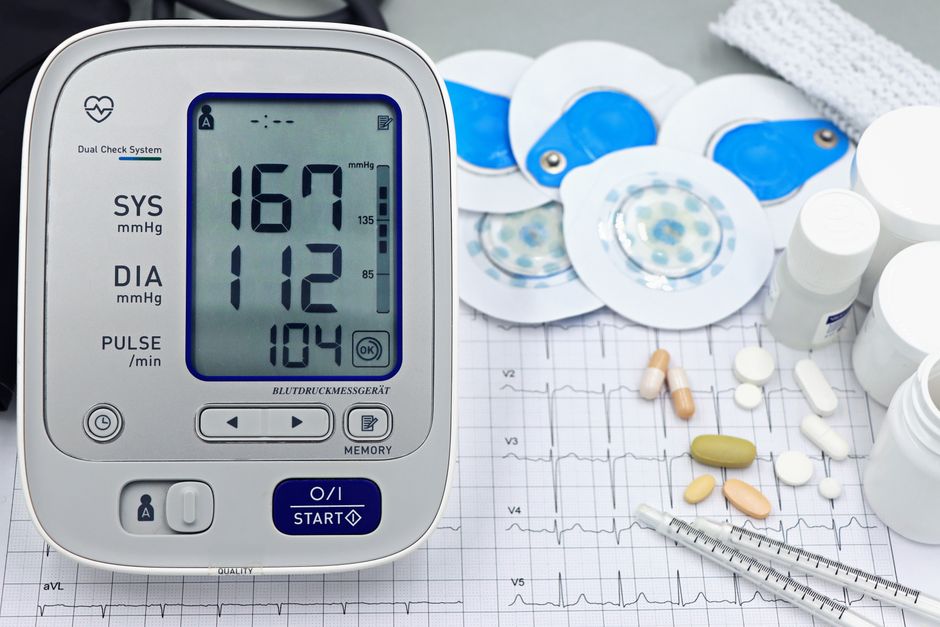
If you’ve been prescribed oxycodone for pain relief, you may have noticed feeling lightheaded or dizzy after taking a dose, especially when standing up quickly. This raises an important question: can oxycodone lower blood pressure? The short answer is yes, oxycodone can lower blood pressure in many people, particularly during the first few doses or when combined with certain other medications. Understanding why this happens, who is most at risk, and how to manage it safely can help you avoid dangerous falls, fainting spells, or more serious complications.
In this article, we’ll break down the pharmacology behind oxycodone’s effect on blood pressure, explain the warning signs of a dangerous drop, discuss who faces the highest risk, and cover practical steps to stay safe while using this medication. We’ll also compare oxycodone’s effects to other common drugs and answer the most frequently asked questions patients have about this topic.
Can Oxycodone Lower Blood Pressure? The Direct Answer
Yes, oxycodone can lower blood pressure. This opioid pain reliever works on the central nervous system, and one of its side effects is a reduction in blood pressure, particularly a type known as orthostatic hypotension (a sudden drop when moving from sitting or lying down to standing). This happens because oxycodone affects the nervous system pathways that control blood vessel tone and heart rate regulation.
For most healthy adults taking oxycodone as prescribed, this drop in blood pressure is mild and temporary. However, for people who are older, dehydrated, taking other blood pressure medications, or using higher doses, the effect can be more pronounced and even dangerous. This is why doctors often recommend starting with the lowest effective dose and monitoring how your body responds during the first few days of treatment.
It’s worth noting that oxycodone doesn’t affect everyone the same way. Some patients experience little to no change in blood pressure, while others notice a noticeable drop. This variability ties into broader differences in how individuals metabolize and respond to opioids, a topic covered in detail in our article on why oxycodone affects people differently.
How Oxycodone Works in the Body
Oxycodone is a semi-synthetic opioid that binds to mu-opioid receptors located throughout the brain, spinal cord, and gastrointestinal tract. These receptors are part of the body’s natural pain-control system, and when oxycodone activates them, it blocks pain signals from reaching the brain and produces feelings of relaxation or euphoria.
However, opioid receptors don’t just control pain. They’re also involved in regulating other bodily functions, including breathing rate, gut motility, and cardiovascular tone. This is why oxycodone use is commonly associated with side effects like constipation (which we explain further in our guide on oxycodone and constipation), slowed breathing, and changes in blood pressure.
After you swallow an oxycodone tablet, your liver metabolizes it into active and inactive compounds before it circulates through your bloodstream. The rate at which this happens depends on liver function, genetics, and other factors, all of which influence how strongly the drug affects your blood pressure. For a deeper dive into this process, see our breakdown of how your liver processes oxycodone.
The Science: Why Opioids Affect Blood Pressure
Several physiological mechanisms explain why oxycodone and similar opioids can cause blood pressure to drop. Understanding these mechanisms helps clarify why some patients are more susceptible than others.
1. Histamine Release
Oxycodone, like many opioids, can trigger the release of histamine from cells in the body. Histamine causes blood vessels to dilate (widen), which lowers resistance in the circulatory system and, as a result, reduces blood pressure. This is similar to the flushing or itching some people experience after taking opioid medications.
2. Central Nervous System Depression
Opioids suppress activity in the central nervous system, including the areas of the brainstem responsible for regulating heart rate and vascular tone. When this regulatory system is dampened, blood vessels may not constrict as efficiently, leading to lower blood pressure, particularly when changing body position.
3. Reduced Sympathetic Nervous System Activity
The sympathetic nervous system is responsible for the body’s “fight-or-flight” response, and it plays a key role in keeping blood pressure stable by constricting blood vessels when needed, such as when you stand up quickly or become dehydrated. Oxycodone can blunt this compensatory response, meaning the body is slower to react when blood pressure starts to dip. This is one of the main reasons opioid users are more prone to dizziness upon standing.
4. Slowed Heart Rate (Bradycardia)
In some individuals, oxycodone can also slightly reduce heart rate. Since blood pressure is a product of heart rate and the amount of blood pumped with each beat, a slower heart rate can contribute to an overall drop in blood pressure, especially when combined with the vasodilation and reduced vascular tone described above.
5. Gastrointestinal and Fluid Balance Effects
Chronic constipation, a well-known side effect of oxycodone, can indirectly affect blood pressure regulation as well. Straining during bowel movements can trigger sudden drops in blood pressure, particularly in older adults. If you’re dealing with this side effect, our guide on oxycodone and constipation offers practical tips for prevention and relief.
Who Is Most at Risk of Oxycodone-Related Low Blood Pressure?
While oxycodone can technically lower blood pressure in anyone, certain groups of people are significantly more vulnerable to this effect. Recognizing these risk factors can help patients and caregivers stay alert to early warning signs.
- Older adults: Aging reduces the sensitivity and responsiveness of the body’s blood pressure regulation systems, making seniors more prone to drops in blood pressure and related dizziness or falls.
- People who are dehydrated: Lower blood volume from dehydration compounds the vasodilating effects of oxycodone, increasing the risk of hypotension.
- Patients already taking blood pressure medications: Combining oxycodone with antihypertensive drugs, diuretics, or beta-blockers can produce an additive blood-pressure-lowering effect.
- Individuals with cardiovascular disease: Those with a history of heart failure, arrhythmias, or poor circulation are more sensitive to any additional strain on the cardiovascular system.
- People taking other central nervous system depressants: Combining oxycodone with benzodiazepines, sleep aids, or alcohol amplifies the sedative and blood-pressure-lowering effects. For more on this, see our article on oxycodone and sleep medications.
- New users or those on higher doses: Blood pressure effects tend to be most pronounced when oxycodone is first introduced or when doses are increased, before the body has had a chance to adjust.
If you fall into one or more of these categories, it’s especially important to talk to your prescriber about monitoring your blood pressure closely, particularly during the first few days of treatment or after any dose change.
Recognizing the Symptoms of Low Blood Pressure from Oxycodone
Knowing what low blood pressure feels like can help you respond quickly and avoid complications like falls or fainting. Common symptoms include:
- Dizziness or lightheadedness, especially when standing up
- Blurred or dimming vision
- Feeling faint or actually fainting (syncope)
- Nausea
- Cold, clammy, or pale skin
- Rapid, shallow breathing
- Fatigue or unusual weakness
- Difficulty concentrating or feeling “foggy”
These symptoms often appear shortly after taking a dose, particularly if you take oxycodone on an empty stomach or in combination with other sedating substances. Mild symptoms may resolve within a few minutes, but if they persist or worsen, it’s a sign that your blood pressure may have dropped to an unsafe level.
Orthostatic Hypotension: A Special Concern With Oxycodone
One of the most common blood-pressure-related issues associated with oxycodone is orthostatic hypotension, a sudden drop in blood pressure that occurs when moving from a lying or sitting position to standing. Normally, the body compensates for this positional change almost instantly by constricting blood vessels and increasing heart rate slightly. Oxycodone can interfere with this reflex, causing a noticeable lag in the body’s response.
This is why many patients report feeling dizzy or “seeing stars” when they get out of bed too quickly after taking oxycodone. Orthostatic hypotension is particularly dangerous because it significantly increases the risk of falls, which can lead to fractures, head injuries, and other serious complications, especially in older adults.
Tips to Reduce the Risk of Orthostatic Hypotension
- Rise slowly from sitting or lying positions, pausing for a few seconds at each stage.
- Sit on the edge of the bed for a moment before standing fully upright.
- Avoid standing for long periods without moving.
- Stay well hydrated throughout the day.
- Avoid hot showers or baths immediately after taking a dose, as heat can worsen vasodilation.
- Use a cane, walker, or grab bars if you’re at higher risk of falling.
Oxycodone and Other Medications That Affect Blood Pressure
Oxycodone rarely acts alone. Many patients are prescribed it alongside other medications, some of which can amplify its blood-pressure-lowering effects. Understanding these interactions is essential for safe use.
Blood Pressure Medications
Combining oxycodone with antihypertensive drugs such as ACE inhibitors, calcium channel blockers, or diuretics can cause blood pressure to drop more than expected. This combination requires careful monitoring, particularly when either medication is started or adjusted.
Muscle Relaxers
Muscle relaxants like cyclobenzaprine or methocarbamol are often prescribed for pain conditions similar to those treated with oxycodone. Both drug classes cause sedation and can independently reduce blood pressure, so combining them increases the risk of hypotension and excessive drowsiness. Our detailed guide on oxycodone and muscle relaxers covers this interaction in depth.
Alcohol
Alcohol is a vasodilator and central nervous system depressant in its own right. When combined with oxycodone, the two substances can compound each other’s effects, leading to dangerously low blood pressure, extreme sedation, and slowed breathing. This combination should always be avoided; you can learn more in our article on oxycodone and alcohol risks.
Benzodiazepines and Sleep Aids
Medications like Xanax, Ambien, and other sedative-hypnotics can also lower blood pressure independently. Combined with oxycodone, they significantly raise the risk of respiratory depression as well as hypotension. If you’re curious about how anti-anxiety medications specifically interact with blood pressure, our article on whether Xanax lowers blood pressure is a helpful companion read.
Does Everyone Experience This Effect the Same Way?
Not everyone taking oxycodone will notice a meaningful drop in blood pressure. Individual responses vary widely due to genetics, liver enzyme activity, body composition, tolerance, and overall health status. Some patients metabolize oxycodone quickly and experience only mild, short-lived effects, while others are far more sensitive and may notice pronounced symptoms even at low doses.
This variability is part of a broader pattern seen across many opioid side effects, not just blood pressure changes. If you want to understand why identical doses can affect two people so differently, our article on why oxycodone affects people differently breaks down the science behind these individual variations.
Can Oxycodone Ever Raise Blood Pressure Instead?
Interestingly, oxycodone’s effects on blood pressure aren’t always in one direction. In certain situations, such as untreated pain, withdrawal, or anxiety related to opioid use, blood pressure can actually rise rather than fall. Pain itself is a significant physiological stressor that activates the sympathetic nervous system, which can temporarily elevate both heart rate and blood pressure. Once the pain is adequately controlled by oxycodone, blood pressure may normalize or even drop below baseline.
This dual possibility is exactly why some patients report feeling like their blood pressure medication doesn’t work as expected while on oxycodone, while others report the opposite experience entirely. For a deeper look at the mechanisms behind blood pressure increases, take a look at our companion article, does oxycodone increase blood pressure, which explores this side of the equation in detail.
What to Do If You Experience Low Blood Pressure While Taking Oxycodone
If you notice symptoms of low blood pressure after taking oxycodone, there are several steps you can take to manage the situation safely:
- Sit or lie down immediately if you feel dizzy or lightheaded, to reduce the risk of falling.
- Elevate your legs slightly if possible, which helps encourage blood flow back toward your heart and brain.
- Stay hydrated by drinking water throughout the day, unless you’ve been told to restrict fluids for another medical reason.
- Avoid sudden position changes, particularly first thing in the morning or after long periods of sitting.
- Track your symptoms and note when they occur in relation to your dosing schedule, meals, and other medications.
- Contact your healthcare provider if symptoms are frequent, severe, or worsening, as your dose or medication regimen may need adjustment.
Never stop or adjust your oxycodone dose on your own without consulting your prescriber first, as doing so can lead to uncontrolled pain or withdrawal symptoms. Safe management always involves open communication with your medical team.
When Low Blood Pressure Becomes a Medical Emergency
While mild dizziness is common and often manageable at home, there are warning signs that indicate a need for immediate medical attention. Seek emergency care if you or someone taking oxycodone experiences:
- Fainting or loss of consciousness
- Confusion or difficulty staying awake
- Chest pain or a sensation of pressure in the chest
- Bluish lips or fingertips
- Extremely slow, shallow, or labored breathing
- A blood pressure reading significantly below normal (generally under 90/60 mmHg, though this can vary by individual baseline)
- Cold, sweaty skin combined with a rapid, weak pulse
These symptoms could indicate a serious drop in blood pressure or opioid-related respiratory depression, both of which require prompt medical evaluation. According to the Mayo Clinic, untreated severe hypotension can reduce blood flow to vital organs, leading to shock, a life-threatening condition that needs urgent treatment.
Monitoring Blood Pressure Safely While Taking Oxycodone
If you’ve been prescribed oxycodone, especially for long-term pain management, regularly monitoring your blood pressure at home can help you and your doctor catch problems early. Here are some practical tips:
- Use a validated home blood pressure monitor and check your readings at consistent times each day, such as before your morning dose and a few hours after.
- Keep a simple log of your readings alongside notes about symptoms, meals, and medication timing.
- Check your blood pressure in different positions (lying down, sitting, and standing) if you suspect orthostatic hypotension.
- Share your log with your healthcare provider at each visit so they can identify patterns and adjust your treatment plan if needed.
For patients looking to support healthy blood pressure through lifestyle changes alongside their prescribed treatment, our guide on natural ways to manage blood pressure offers evidence-based strategies that can complement medical care, always in coordination with your doctor, especially since some natural approaches may not be appropriate if you’re already prone to low blood pressure from medication.
Oxycodone vs. Other Opioids: How Do Blood Pressure Effects Compare?
Oxycodone isn’t unique in its ability to influence blood pressure. Most opioids share similar mechanisms, though the degree and likelihood of blood pressure changes can vary based on potency, formulation, and how the drug is metabolized.
Tramadol, for example, has a somewhat different pharmacological profile since it also affects serotonin and norepinephrine reuptake, which can complicate its cardiovascular effects. Some patients experience blood-pressure-lowering effects similar to oxycodone, while others may see different patterns depending on dose and individual sensitivity. If you’re comparing options or taking both medications at different times, our article on whether tramadol can lower blood pressure offers a useful comparison.
Morphine and hydromorphone, both potent opioids, tend to cause more pronounced histamine release and vasodilation compared to oxycodone, which is one reason they’re used cautiously in patients with unstable blood pressure. Fentanyl, on the other hand, is less associated with histamine release and may have a comparatively milder direct effect on blood pressure, though it carries its own significant risks related to potency and respiratory depression.
Long-Term Use and Blood Pressure: What Changes Over Time?
For patients on long-term oxycodone therapy, such as those managing chronic pain conditions, the relationship between the drug and blood pressure can shift over time. In many cases, the body develops a degree of tolerance to the sedative and vasodilating effects of opioids, meaning blood-pressure-related symptoms like dizziness may become less frequent after the first few weeks of consistent use.
However, tolerance doesn’t eliminate risk entirely. Dose increases, missed doses followed by re-dosing, or the addition of new medications can all reintroduce blood pressure fluctuations even in long-term users. This is why ongoing monitoring remains important throughout the entire course of treatment, not just during the initial adjustment period.
Additionally, chronic pain itself has documented cardiovascular effects, including elevated baseline blood pressure due to prolonged stress on the body. Effectively managing pain with oxycodone may, in some patients, actually help stabilize blood pressure over time by reducing this chronic stress response, illustrating just how complex and individualized this relationship can be.
Returning to Daily Activities Safely
Many patients wonder how blood pressure changes from oxycodone might affect their ability to return to normal routines, including work, driving, and exercise. Because dizziness and lightheadedness are common side effects, it’s important to ease back into daily activities cautiously, particularly during the early days of treatment or after a dose adjustment.
If your job involves physical activity, operating machinery, or long periods of standing, it’s worth discussing timing and dosage with your employer or healthcare provider. Our article on returning to work while taking oxycodone offers helpful guidance on balancing pain management with workplace safety. Similarly, if driving is part of your daily routine, be sure to review our guide on driving after taking oxycodone before getting behind the wheel, since dizziness and slowed reaction times can significantly impact driving safety.
Talking to Your Doctor About Blood Pressure Concerns
Open communication with your healthcare provider is one of the most effective tools for managing oxycodone-related blood pressure changes. When discussing your treatment, consider bringing up the following points:
- Any history of low or high blood pressure, heart disease, or fainting episodes
- All other medications and supplements you’re currently taking
- Any symptoms of dizziness, lightheadedness, or fainting you’ve experienced since starting oxycodone
- Your alcohol consumption and hydration habits
- Whether home blood pressure monitoring might be appropriate for your situation
Your provider may adjust your dose, recommend a different formulation, suggest additional monitoring, or in some cases, consider an alternative pain management strategy if blood pressure issues become persistent or severe. According to Cleveland Clinic, individualized treatment adjustments are often the most effective way to manage medication-induced hypotension while still achieving adequate pain relief.
Frequently Asked Questions
Can oxycodone cause blood pressure to drop suddenly?
Yes. Oxycodone can cause a relatively quick drop in blood pressure, particularly when standing up too fast, taking a larger dose than usual, or combining it with other sedating substances like alcohol or benzodiazepines. This sudden drop is often linked to orthostatic hypotension.
Is low blood pressure from oxycodone dangerous?
In most cases, mild drops in blood pressure cause temporary dizziness and are not dangerous if managed carefully. However, severe or prolonged hypotension can reduce blood flow to vital organs and increase the risk of fainting, falls, and other complications, especially in older adults or those with existing heart conditions.
How long does oxycodone’s effect on blood pressure last?
The blood-pressure-lowering effect typically aligns with the drug’s peak concentration in the bloodstream, often within the first one to two hours after an immediate-release dose, and may persist for several hours. Extended-release formulations can produce more gradual, sustained effects throughout the day.
Should I stop taking oxycodone if it lowers my blood pressure?
You should never stop taking oxycodone abruptly without consulting your healthcare provider, as doing so can cause withdrawal symptoms and uncontrolled pain. Instead, report any blood pressure symptoms to your doctor, who can adjust your dose or treatment plan safely.
Can staying hydrated help prevent oxycodone-related low blood pressure?
Yes, staying well hydrated helps maintain blood volume, which supports healthier blood pressure regulation and can reduce the severity of dizziness or lightheadedness associated with oxycodone use. However, hydration alone may not fully prevent hypotension in more sensitive individuals.
Final Thoughts
So, can oxycodone lower blood pressure? The evidence makes it clear that yes, it can, through a combination of histamine release, central nervous system depression, reduced sympathetic activity, and other physiological effects. For many patients, this results in only mild, occasional dizziness, while for others, particularly older adults, those on multiple medications, or people with underlying cardiovascular conditions, the effect can be more pronounced and potentially risky.
The good news is that with proper awareness, monitoring, and communication with your healthcare provider, the risks associated with oxycodone-related blood pressure changes can be managed effectively. Simple strategies like rising slowly from sitting or lying positions, staying hydrated, tracking your blood pressure at home, and avoiding risky drug combinations can go a long way toward keeping you safe while still benefiting from the pain relief oxycodone provides. If you ever experience severe symptoms like fainting, confusion, or chest pain, don’t wait, seek medical attention right away. Staying informed is one of the most powerful tools you have for using oxycodone safely and confidently.