Health Tips
Does Oxycodone Increase Blood Pressure? What You Need to Know

If you or someone you love has just been prescribed oxycodone for pain relief, you may have started paying closer attention to every little change in how your body feels. One question that comes up often, especially among people who already manage hypertension or heart disease, is whether oxycodone increases blood pressure. It’s a fair concern, because opioids affect the nervous system in complex ways, and blood pressure is sensitive to almost everything happening inside the body.
The short version is this: oxycodone is far more likely to lower blood pressure than raise it. However, there are specific situations, including withdrawal, drug interactions, and untreated pain, where blood pressure can actually climb while someone is taking this medication. In this article, we’ll break down exactly what happens to your cardiovascular system on oxycodone, why the numbers on your blood pressure cuff might move in either direction, and what signs should prompt a call to your doctor.
Does Oxycodone Increase Blood Pressure? The Short Answer
For most people, oxycodone does not increase blood pressure. In fact, opioids like oxycodone typically cause a mild to moderate drop in blood pressure because of how they act on the central nervous system and blood vessels. This is one of the reasons dizziness and lightheadedness are common side effects, particularly when standing up quickly after taking a dose.
That said, there are a handful of situations where oxycodone use can be linked to a rise in blood pressure, and understanding these exceptions is just as important as understanding the general rule. Pain itself is a powerful trigger for high blood pressure. When pain is poorly controlled, the body releases stress hormones like adrenaline and cortisol, both of which can push blood pressure upward. So paradoxically, someone who starts oxycodone for severe pain may see their blood pressure normalize once the pain is brought under control, rather than rise because of the medication itself.
On the other hand, if oxycodone is not managing pain effectively, or if a dose wears off before the next one is due, that gap in pain relief can cause blood pressure to spike simply because the underlying pain is no longer masked. This is sometimes mistaken for a medication side effect when it is really a sign that the dosing schedule or pain management plan needs adjustment.
How Oxycodone Affects the Cardiovascular System
To understand why oxycodone usually lowers blood pressure rather than raising it, it helps to look at what is actually happening inside the body. Oxycodone is a full opioid agonist, meaning it binds to opioid receptors, mainly mu-receptors, found throughout the brain, spinal cord, and gut. These receptors are also present in the parts of the nervous system that regulate heart rate and vascular tone.
When oxycodone activates these receptors, it tends to:
- Slow down the sympathetic nervous system, which is the part of the body responsible for the fight-or-flight response and for keeping blood vessels appropriately constricted.
- Encourage the release of histamine, a chemical that can cause blood vessels to widen, or dilate, lowering resistance to blood flow.
- Slow breathing and heart rate slightly, which reduces the amount of blood being pumped per minute (cardiac output).
- Promote relaxation and sedation, both of which naturally lower the physical and mental stress that keeps blood pressure elevated.
All of these mechanisms point in the same direction: lower blood pressure, not higher. This is well documented in clinical literature, and it lines up with what many patients experience firsthand, including that heavy, relaxed, sometimes woozy feeling shortly after taking a dose.
If you want a deeper dive into the opposite side of this conversation, our article on whether oxycodone lowers blood pressure walks through the safety measures and interactions worth knowing about when blood pressure drops too low.
Why Do Some People Feel Like Their Blood Pressure Is Rising on Oxycodone?
Despite the pharmacology pointing toward lower blood pressure, plenty of patients report feeling flushed, anxious, or like their heart is racing after taking oxycodone. There are a few explanations for this disconnect between how the drug works and how people feel.
1. Anxiety and Panic Responses
Starting a new medication, especially an opioid, can trigger anxiety in itself. Anxiety causes a surge of adrenaline, which raises both heart rate and blood pressure. This isn’t the oxycodone directly increasing blood pressure, but rather the emotional response to taking it. We cover this connection in more detail in our article on oxycodone and anxiety, which explains how opioid use and anxious symptoms can sometimes overlap in confusing ways.
2. Withdrawal Between Doses
Oxycodone has a relatively short half-life compared to some other opioids. As blood levels of the drug drop between doses, especially in people who have been taking it regularly, mild withdrawal symptoms can appear. Early withdrawal is associated with a rebound effect on the nervous system, sometimes referred to as a sympathetic surge, which can raise blood pressure, increase heart rate, and cause sweating, restlessness, and irritability. This is very different from the calming effect oxycodone has while it’s actively working in the body.
3. Individual Variation in Drug Response
Not everyone metabolizes and responds to oxycodone the same way. Genetics, liver function, body composition, and even the presence of other medications can change how strongly the cardiovascular effects show up. Our article on why oxycodone affects people differently explains this variability in more depth, including how liver enzymes play a role in how quickly the drug is broken down.
4. Interactions With Other Substances
Combining oxycodone with stimulants, certain antidepressants, decongestants, or alcohol can create unpredictable effects on blood pressure. Alcohol, for example, can amplify sedation and the risk of dangerously low blood pressure in the short term, but heavy or chronic alcohol use is separately linked to higher baseline blood pressure. If you’re curious about this overlap, our piece on oxycodone and alcohol risks goes into detail on why this combination should generally be avoided.
Oxycodone Withdrawal and Blood Pressure Spikes
One of the more clinically significant situations where blood pressure clearly rises is during opioid withdrawal. This is important to understand, because it’s often misattributed to the drug “causing” high blood pressure, when in reality it’s the absence of the drug that is the trigger.
During withdrawal, the body essentially rebounds from the suppressive effects opioids have on the nervous system. The sympathetic nervous system, which had been dialed down while oxycodone was active, swings back into overdrive. This can lead to:
- Elevated blood pressure (sometimes significantly higher than the person’s normal baseline)
- Rapid heart rate
- Sweating and chills
- Anxiety, agitation, and irritability
- Muscle aches and gastrointestinal discomfort
For people who are tapering off oxycodone after long-term use, this rebound effect on blood pressure is one of the reasons doctors recommend a gradual, supervised taper rather than stopping abruptly. A sudden stop, sometimes called “cold turkey” discontinuation, can cause a sharper and more uncomfortable spike in blood pressure and other withdrawal symptoms.
If you are managing chronic pain and considering stopping oxycodone, especially if you also have a history of hypertension or cardiovascular disease, this is a conversation to have directly with your prescribing physician rather than something to navigate alone.
Drug Interactions That Can Raise Blood Pressure While Taking Oxycodone
It’s rarely oxycodone alone that raises blood pressure. More often, it’s the combination of oxycodone with something else, whether that’s another medication, a supplement, or an underlying condition. Here are some of the most common interactions worth knowing about.
Monoamine Oxidase Inhibitors (MAOIs)
MAOIs, an older class of antidepressants, can interact with opioids in ways that cause dangerous swings in blood pressure, along with other serious effects like serotonin syndrome. This is one of the few combinations that is generally considered high risk and is often flagged as a contraindication.
Stimulant Medications
Prescription stimulants used for ADHD, or over-the-counter decongestants containing pseudoephedrine or phenylephrine, can raise blood pressure and heart rate on their own. When layered on top of oxycodone, the cardiovascular effects can become harder to predict, sometimes masking the sedative effects of oxycodone while still pushing blood pressure higher because of the stimulant.
Other Central Nervous System Depressants
Combining oxycodone with benzodiazepines, sleep medications, or muscle relaxers doesn’t typically raise blood pressure, but it does increase the risk of dangerously low blood pressure, slowed breathing, and sedation. This combination is a well-known safety concern, covered in more detail in our articles on oxycodone and sleep medications and oxycodone and muscle relaxers.
Alcohol
As mentioned earlier, alcohol amplifies sedation short term, but long-term or heavy alcohol use is independently linked to elevated blood pressure. Mixing the two regularly can create a confusing and potentially dangerous pattern of blood pressure swings.
Who Is Most at Risk of Blood Pressure Changes on Oxycodone?
While most people tolerate oxycodone without dramatic blood pressure changes, certain groups should be monitored more closely.
- People with existing hypertension or heart disease, since their cardiovascular system may already be under strain.
- Older adults, who are more prone to orthostatic hypotension (a drop in blood pressure upon standing) and to medication interactions due to polypharmacy.
- People with a history of substance use or opioid dependence, who may be more susceptible to withdrawal-related blood pressure spikes.
- Patients taking multiple medications that affect blood pressure, including diuretics, beta-blockers, or stimulants.
- People with kidney or liver impairment, since these organs play a major role in clearing oxycodone from the body. Our guide on how the liver processes oxycodone explains why impaired liver function can change how the drug behaves in the bloodstream.
If you fall into one of these categories, it’s worth having a specific conversation with your doctor about blood pressure monitoring before and during oxycodone treatment.
Monitoring Your Blood Pressure While Taking Oxycodone
Whether you’re just starting oxycodone or have been on it for a while, keeping an eye on your blood pressure is a simple, practical way to catch problems early. Here’s how to do it effectively.
Check at Consistent Times
Blood pressure naturally fluctuates throughout the day. Try to check it around the same time relative to your oxycodone dose each day, for example, right before a dose and then an hour or two after, so you can start to notice patterns.
Track Both Numbers and Symptoms
Write down not just the systolic and diastolic numbers, but also how you feel: dizzy, flushed, calm, foggy, anxious. Blood pressure readings mean more in context. A number that looks slightly high but comes with no symptoms is very different from a spike accompanied by chest pain or severe headache.
Watch for Orthostatic Changes
Since oxycodone is more likely to cause low blood pressure, especially when standing up quickly, take a reading while sitting, then again after standing for one to two minutes. A significant drop (generally more than 20 mmHg systolic or 10 mmHg diastolic) suggests orthostatic hypotension, which is important to report to your doctor.
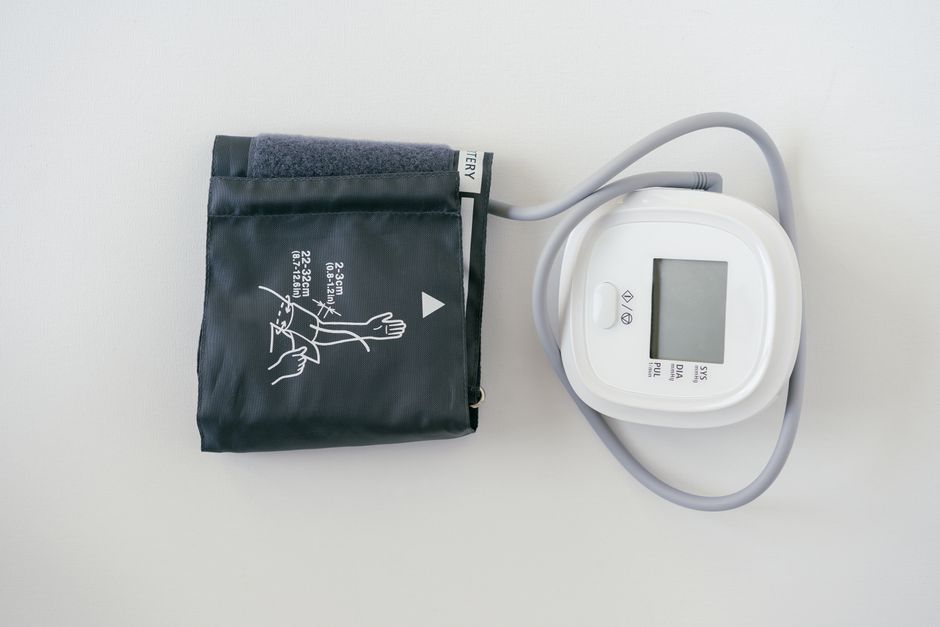
Use a Reliable Home Monitor
A validated, upper-arm blood pressure cuff tends to be more accurate than wrist monitors. Bring your device to a doctor’s appointment occasionally to compare readings and make sure it’s calibrated correctly.
What Blood Pressure Readings Should Concern You?
General guidelines classify blood pressure as follows:
- Normal: Below 120/80 mmHg
- Elevated: 120-129 systolic and below 80 diastolic
- Stage 1 Hypertension: 130-139 systolic or 80-89 diastolic
- Stage 2 Hypertension: 140/90 mmHg or higher
- Hypertensive Crisis: Higher than 180/120 mmHg, requiring immediate medical attention
According to the American Heart Association, a hypertensive crisis is a medical emergency regardless of what medications someone is taking, and it warrants immediate evaluation, especially if accompanied by symptoms like chest pain, shortness of breath, severe headache, vision changes, or confusion.
If you notice a pattern of consistently high readings while on oxycodone, don’t assume it’s “just the medication.” It’s worth ruling out withdrawal, drug interactions, poorly controlled pain, or an unrelated underlying condition that happens to be surfacing at the same time.
What About Low Blood Pressure Symptoms?
Since oxycodone is statistically more likely to lower blood pressure, it’s worth knowing what that looks like too. Watch for:
- Dizziness or lightheadedness, especially when standing
- Fainting or near-fainting spells
- Blurred vision
- Unusual fatigue or weakness
- Cold, clammy skin
- Rapid, shallow breathing
These symptoms can overlap with normal opioid side effects, which is exactly why tracking blood pressure at home can be so useful. It helps you and your doctor tell the difference between typical sedation and a genuine cardiovascular issue.
Safe Practices for Managing Blood Pressure While on Oxycodone
Whether your concern is blood pressure that’s too high or too low, there are practical steps that can help keep things stable while you’re on oxycodone.
1. Take Oxycodone Exactly as Prescribed
Skipping doses, doubling up, or taking it at irregular intervals can create the very swings in pain control, and therefore blood pressure, that people are trying to avoid. Consistency matters.
2. Avoid Mixing With Alcohol or Sedatives
This reduces the risk of dangerous drops in blood pressure and breathing rate. It’s one of the clearest, most consistent safety recommendations across opioid medications.
3. Stand Up Slowly
Simple as it sounds, rising slowly from sitting or lying positions gives your blood vessels time to adjust and reduces dizziness from orthostatic hypotension.
4. Stay Hydrated
Dehydration can worsen low blood pressure and make dizziness more likely. Drinking water consistently throughout the day, unless your doctor has advised fluid restriction for another condition, supports more stable blood pressure.
5. Communicate About All Other Medications and Supplements
This includes over-the-counter cold medications, herbal supplements, and anything else that might affect blood pressure or interact with oxycodone. Pharmacists are a great, often underused resource for checking interactions quickly.
6. Don’t Stop Oxycodone Abruptly Without Medical Guidance
If you need to stop or reduce your dose, ask your doctor about a tapering schedule to avoid the blood pressure spikes and other symptoms associated with withdrawal.
7. Consider Lifestyle Support for Blood Pressure
Especially if you already have hypertension, non-medication strategies like reducing sodium intake, regular light exercise (as approved by your doctor), stress management, and adequate sleep can help keep your baseline blood pressure more stable. Our guide on natural ways to lower blood pressure without medication offers practical, doctor-friendly strategies that can complement your pain management plan.
When to Call Your Doctor
Most day-to-day fluctuations in blood pressure while on oxycodone are not emergencies, but certain signs deserve prompt medical attention:
- Blood pressure readings consistently above 180/120 mmHg
- Severe headache, chest pain, or shortness of breath
- Sudden vision changes or confusion
- Fainting spells or repeated dizziness that interferes with daily activities
- Signs of opioid withdrawal, including sweating, agitation, and a racing heart, especially if you’ve recently reduced or stopped your dose
- Any new or worsening symptoms after starting a new medication alongside oxycodone
When in doubt, it’s always safer to call your prescriber or pharmacist than to guess. Blood pressure changes can have many causes, and getting a professional opinion helps rule out anything serious quickly.
Oxycodone and Everyday Life: Practical Considerations
Beyond blood pressure specifically, oxycodone can affect other parts of daily life in ways that are worth being aware of. For example, many patients wonder whether it’s safe to drive after taking a dose, especially early in treatment when side effects like dizziness are more pronounced. Our article on driving after taking oxycodone covers this in detail. Similarly, if you’re planning to return to work while on this medication, our piece on returning to work while taking oxycodone outlines what to keep in mind for safety and performance.
Understanding how your body processes the medication can also shed light on why side effects, including blood pressure changes, vary from person to person and even from day to day. Our detailed breakdown on oxycodone metabolism explains the biological process behind this variability.
Frequently Asked Questions
Can oxycodone cause high blood pressure directly?
Directly, this is uncommon. Oxycodone’s pharmacological effects generally lower blood pressure rather than raise it. Elevated blood pressure while taking oxycodone is more often linked to withdrawal between doses, untreated pain, anxiety, or interactions with other substances rather than the drug itself acting as a stimulant on the cardiovascular system.
Is it normal for blood pressure to spike between oxycodone doses?
It can happen, particularly in people who have been taking the medication regularly and experience mild withdrawal as blood levels drop. If this pattern happens consistently, it’s worth discussing your dosing schedule with your doctor, since it may indicate the interval between doses needs adjustment.
Should people with high blood pressure avoid oxycodone?
Not necessarily, but they should use it under closer medical supervision. Oxycodone can be prescribed safely to many people with hypertension, though doctors will typically want to monitor for excessive drops in blood pressure, especially if other blood pressure medications are also being used.
Can stopping oxycodone suddenly raise blood pressure?
Yes. Abruptly stopping oxycodone after regular use can trigger withdrawal symptoms, including a noticeable rise in blood pressure and heart rate. This is one of the main reasons doctors recommend a gradual taper rather than quitting cold turkey, particularly for anyone with underlying cardiovascular conditions.
What should I do if my blood pressure is unusually high while on oxycodone?
Recheck the reading after resting for a few minutes to rule out a temporary spike from stress or activity. If it remains high, especially above 180/120 mmHg, or comes with symptoms like chest pain or severe headache, seek medical attention right away. For milder, persistent elevations, schedule a conversation with your prescriber to review your medication list, dosing schedule, and overall pain control.
The Bottom Line
So, does oxycodone increase blood pressure? For the vast majority of people, the honest answer is no, it’s far more likely to gently lower blood pressure by calming the nervous system and relaxing blood vessels. The situations where blood pressure does rise while someone is taking oxycodone are usually tied to something else happening alongside the medication: withdrawal between doses, poorly managed pain, drug interactions, anxiety, or an unrelated health issue that happens to coincide with treatment.
That doesn’t mean blood pressure changes should be brushed off. Any medication that affects the cardiovascular system deserves attention, especially for people who already live with hypertension, heart disease, or other risk factors. Keeping track of your numbers, noticing patterns, and staying in close communication with your healthcare provider are the best tools you have for using oxycodone safely and effectively.
If you’re ever uncertain about a reading, a symptom, or how oxycodone is interacting with your other medications, don’t hesitate to reach out to your doctor or pharmacist. Pain management and cardiovascular health don’t have to be at odds with each other, but they do require a little extra attention when they overlap.