Health Tips
Oxycodone and Heart Rate: What to Expect

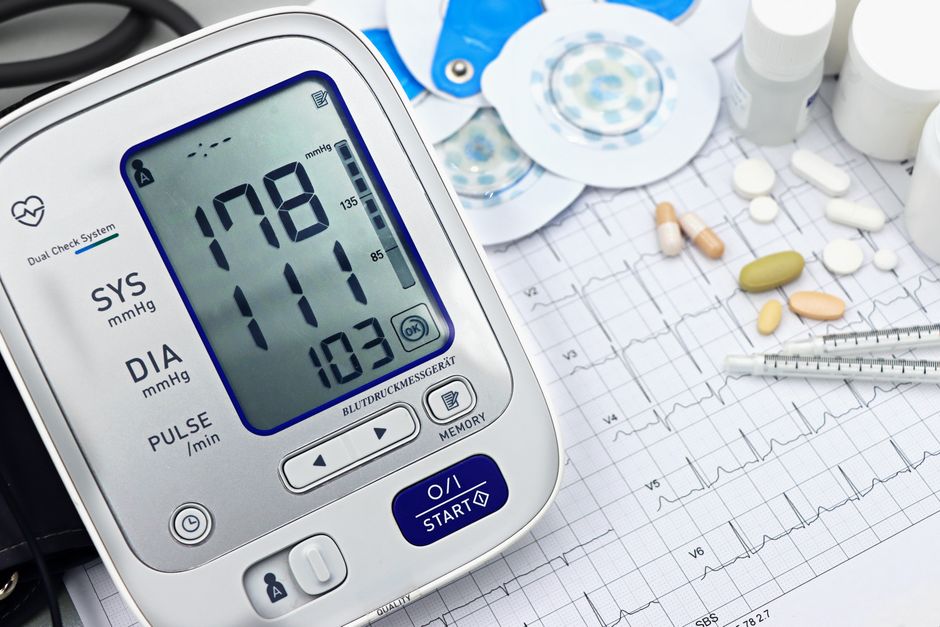
If you’ve recently started taking oxycodone for pain relief, you might have noticed your pulse feels a little different than usual, maybe slower, maybe quicker after a dose. That’s a common concern, and it’s a fair one to raise with your doctor or pharmacist. Understanding the relationship between oxycodone and heart rate can help you separate normal, expected reactions from signs that something needs medical attention.
In this guide, we’ll break down exactly how oxycodone interacts with your cardiovascular system, why it can cause your heart rate to rise or fall, who is most at risk for noticeable changes, and what warning signs should prompt a call to your doctor. We’ll also cover how other medications, alcohol, and underlying health conditions can amplify these effects, and what you can do to stay safe while managing your pain.
What Is Oxycodone and How Does It Work in the Body?
Oxycodone is a semi-synthetic opioid prescribed for moderate to severe pain. It’s commonly used after surgery, for injury-related pain, or for chronic pain conditions that haven’t responded well to non-opioid treatments. Brand names include OxyContin and Percocet, the latter combining oxycodone with acetaminophen.
Oxycodone works by binding to opioid receptors, mainly mu-opioid receptors, located throughout the brain, spinal cord, and gastrointestinal tract. These receptors are part of the body’s natural pain-control system. When oxycodone attaches to them, it blocks pain signals from reaching the brain and triggers a release of dopamine, which produces the sense of relief and, in some cases, mild euphoria that patients report.
However, opioid receptors aren’t limited to pain pathways. They’re also present in areas of the brainstem that regulate breathing, blood pressure, and heart rate. This is precisely why oxycodone doesn’t just numb pain, it also influences several automatic bodily functions, including your cardiovascular rhythm. If you’re curious about how the drug is broken down after ingestion, our article on oxycodone metabolism explains the process in detail.
Oxycodone and Heart Rate: What Actually Happens
The short answer is that oxycodone can affect heart rate in either direction, and the effect isn’t identical for everyone. Most people experience a mild slowing of the heart rate, but a smaller number report a faster pulse, particularly during the first few doses or if they’re anxious about starting a new medication.
Can Oxycodone Cause a Slow Heart Rate (Bradycardia)?
Yes. A slower-than-normal heart rate, medically called bradycardia, is one of the more frequently reported cardiovascular effects of opioid use, including oxycodone. This happens because opioids increase activity in the parasympathetic nervous system, the part of your nervous system responsible for the “rest and digest” state. When this system is dominant, your heart naturally beats slower, your muscles relax, and digestion slows down too, which also explains why constipation is such a common oxycodone side effect (something we cover in more depth in our piece on oxycodone and constipation).
For most healthy adults, this drop in heart rate is mild and not dangerous. A resting heart rate that dips from, say, 75 beats per minute to 60 beats per minute usually isn’t a cause for alarm. However, in people who already have a slow heart rate, take other heart-rate-lowering medications, or have certain heart conditions, this effect can become more pronounced and potentially risky.
Can Oxycodone Cause a Fast Heart Rate (Tachycardia)?
Less commonly, oxycodone can cause the heart to beat faster than normal. This tends to happen for a few different reasons:
- Pain itself raises heart rate. Before the medication kicks in, unmanaged pain triggers a stress response that speeds up the heart. Once oxycodone starts working and pain subsides, heart rate often normalizes or even drops below baseline.
- Histamine release. Oxycodone, like many opioids, can trigger the release of histamine from immune cells. This can cause flushing, itching, and in some cases, a temporary increase in heart rate as blood vessels dilate.
- Anxiety or withdrawal. Nervousness about taking a new medication, or the earliest stages of oxycodone wearing off between doses, can produce a faster pulse tied to the body’s natural fight-or-flight response.
- Drug interactions. Combining oxycodone with stimulants, certain antidepressants, or even too much caffeine can push heart rate upward.
So while bradycardia is the more typical pattern associated with oxycodone specifically, tachycardia is possible and often linked to secondary factors rather than the drug acting alone.
Why Does Oxycodone Affect Heart Rate at All?
To understand why an opioid pain reliever would have any effect on your heart, it helps to look at the bigger picture of how the body regulates cardiovascular function.
The Autonomic Nervous System Connection
Your heart rate isn’t something you consciously control. It’s managed by the autonomic nervous system, which has two main branches: the sympathetic nervous system (which speeds things up during stress or exertion) and the parasympathetic nervous system (which slows things down during rest). Opioids like oxycodone shift the balance toward parasympathetic dominance, which is why a slower pulse, drowsiness, and slowed breathing often occur together.
Effects on Blood Vessels and Blood Pressure
Heart rate and blood pressure are closely linked, and oxycodone can influence both. In some patients, oxycodone causes blood vessels to widen (vasodilation), which can lower blood pressure and, in turn, prompt a compensatory change in heart rate. We’ve explored this relationship in detail in two related articles: Can Oxycodone Lower Blood Pressure? and Does Oxycodone Increase Blood Pressure?. Interestingly, oxycodone can do either depending on the individual, the dose, and the person’s baseline cardiovascular health, which is part of why its effects can seem inconsistent from one patient to the next.
Pain Control Itself Changes Cardiovascular Load
It’s worth remembering that uncontrolled pain is itself a physiological stressor. Pain activates the sympathetic nervous system, raising heart rate and blood pressure as part of the body’s natural alarm response. When oxycodone successfully reduces pain, this stress response eases, and heart rate often settles into a more normal, lower range. In this sense, a modest heart rate reduction after starting oxycodone can actually be a sign that the medication is doing its job.
Factors That Influence How Oxycodone Affects Your Heart Rate
Not everyone responds to oxycodone the same way, and heart rate changes are a good example of this variability. Several factors play a role:
Dosage and Formulation
Higher doses of oxycodone generally produce more pronounced effects on heart rate and other vital signs. Immediate-release formulations can cause a quicker, sharper change shortly after dosing, while extended-release formulations tend to produce more gradual, steady effects over a longer period.
Individual Physiology
Age, body weight, metabolism, and genetics all influence how strongly a person responds to oxycodone. Some people metabolize opioids quickly and experience shorter, milder effects, while others process the drug more slowly, leading to a more sustained impact on heart rate. Our article on why oxycodone affects people differently goes deeper into the genetic and biological reasons behind this variation.
Pre-existing Heart Conditions
People with a history of arrhythmias, heart block, heart failure, or other cardiac conditions are more likely to notice significant changes in heart rate while taking oxycodone. In these patients, doctors often monitor cardiovascular status more closely, especially when starting or adjusting a dose.
Other Medications
Combining oxycodone with other drugs that affect heart rate, blood pressure, or the central nervous system can intensify its cardiovascular effects. This includes:
- Beta-blockers or calcium channel blockers (used for blood pressure or heart rhythm)
- Benzodiazepines and other sedatives
- Certain antidepressants and antipsychotics
- Muscle relaxers, which we discuss in our guide on oxycodone and muscle relaxers
- Alcohol, covered in detail in our article on oxycodone and alcohol risks
Alcohol deserves special mention here because it compounds the sedative and cardiovascular-depressing effects of oxycodone, increasing the risk of dangerously slow heart rate, breathing problems, and even overdose when combined.
Hydration and Electrolyte Status
Dehydration and electrolyte imbalances, particularly low potassium or magnesium, can make the heart more sensitive to medication effects, including those from opioids. Staying adequately hydrated, unless your doctor has told you otherwise for a medical reason, supports more stable cardiovascular function while on oxycodone.
Typical Heart Rate Changes: What’s Normal and What Isn’t
It helps to have a general sense of what a mild, expected reaction looks like compared to something that warrants medical attention.
Generally Considered Normal
- A resting heart rate that drops by 5 to 15 beats per minute after taking oxycodone
- Mild drowsiness accompanying a slower pulse
- A brief, slight increase in heart rate shortly after dosing that settles within an hour
- Heart rate returning to your personal baseline as the medication wears off
Signs That Need Medical Attention
- Heart rate below 50 beats per minute at rest, especially with dizziness or fainting
- Heart rate above 100 beats per minute at rest without an obvious cause like fever or exertion
- Irregular heartbeat, skipped beats, or a fluttering sensation in the chest
- Chest pain or pressure
- Shortness of breath, bluish lips or fingertips, or confusion
- Severe drowsiness or difficulty waking up, which can indicate respiratory depression alongside cardiovascular changes
If you experience any of the symptoms in that second list, don’t wait it out. Contact your prescribing doctor promptly, or seek emergency care if symptoms are severe. According to the Mayo Clinic, opioid-related cardiovascular symptoms combined with breathing difficulty should always be treated as a medical emergency.
Who Is at Higher Risk for Heart Rate Changes on Oxycodone?
While most people tolerate oxycodone’s cardiovascular effects without incident, certain groups face a higher risk of complications:
- Older adults, who often have less cardiovascular reserve and may be on multiple medications that interact with oxycodone.
- People with existing arrhythmias or heart block, since bradycardia can become more pronounced and harder for the heart to compensate for.
- Patients with untreated thyroid conditions, as thyroid hormone levels significantly influence baseline heart rate and how the body responds to sedatives.
- Those taking multiple central nervous system depressants, such as sleep aids or anti-anxiety medications, which is why we’ve written extensively about oxycodone and sleep medication interactions.
- People recovering from major surgery, particularly cardiac or vascular procedures, who may already have fluctuating heart rhythms during recovery.
- Individuals with a history of substance use, since tolerance changes and irregular dosing patterns can produce unpredictable cardiovascular responses.
If you fall into one or more of these categories, it’s worth having a specific conversation with your doctor about heart rate monitoring while you’re taking oxycodone, particularly during the first few days of treatment or after any dose adjustment.
Managing Heart Rate Changes While Taking Oxycodone
There’s a lot you can do to stay ahead of potential problems without needing to feel anxious every time you take a dose.
Monitor Your Pulse Periodically
You don’t need to check your heart rate obsessively, but knowing your normal resting range, and checking it occasionally after starting or adjusting your oxycodone dose, gives you a useful baseline. A simple pulse oximeter or even manually counting your pulse for 30 seconds and doubling it can provide a quick read.
Take the Medication Exactly as Prescribed
Skipping doses and then doubling up, or taking more than prescribed to “catch up” on pain control, increases the risk of exaggerated cardiovascular effects. Stick to the schedule your doctor has laid out.
Avoid Alcohol and Unapproved Sedatives
As mentioned earlier, alcohol and other sedating substances amplify oxycodone’s effects on heart rate and breathing. This combination is one of the leading causes of opioid-related emergency room visits.
Stay Hydrated and Move Regularly
Gentle movement, when your recovery allows it, supports healthy circulation and helps counteract some of the sedentary effects of opioid use. Staying hydrated also supports stable blood pressure and heart rhythm.
Report Symptoms Early
Don’t wait for a scheduled follow-up appointment if you notice a persistently slow or fast heart rate, dizziness, or chest discomfort. Early reporting allows your doctor to adjust your dose or investigate other causes before symptoms escalate.
Keep an Updated Medication List
Because drug interactions are one of the biggest contributors to serious heart rate changes, make sure every provider you see, including dentists and specialists, knows you’re taking oxycodone. This is especially relevant if you’re prescribed oxycodone for something like dental pain alongside other routine medications.
Oxycodone Withdrawal and Heart Rate
Interestingly, the cardiovascular pattern can reverse during withdrawal. While oxycodone use tends to slow the heart rate through parasympathetic activation, stopping the drug, especially abruptly after regular use, can trigger a rebound effect. During withdrawal, the sympathetic nervous system becomes more active, often producing:
- A faster resting heart rate (tachycardia)
- Elevated blood pressure
- Sweating and chills
- Anxiety and restlessness
- Muscle aches and gastrointestinal upset
This is one of the reasons doctors recommend tapering oxycodone gradually rather than stopping suddenly, particularly after weeks or months of regular use. A gradual taper allows the autonomic nervous system to readjust more smoothly, reducing the intensity of these rebound cardiovascular effects.
Oxycodone, Heart Rate, and Returning to Daily Life
Many patients wonder how heart rate changes might affect their ability to resume normal activities, including work. If your job involves physical labor, operating machinery, or driving, it’s worth understanding how oxycodone might affect not just your heart rate but your alertness and reaction time overall. Our articles on returning to work while taking oxycodone and driving after taking oxycodone cover these practical concerns in more depth.
Generally, mild heart rate changes alone don’t prevent you from returning to normal activities, but combined with drowsiness or dizziness, they can affect your safety in situations that require full alertness. Always follow your doctor’s specific guidance about resuming driving, exercise, or physically demanding work.
When to Seek Emergency Care
While most heart rate changes from oxycodone are mild and temporary, certain combinations of symptoms require immediate medical attention. Call emergency services or go to the nearest emergency room if you experience:
- Heart rate under 50 beats per minute along with fainting, confusion, or severe weakness
- Heart rate over 120 beats per minute at rest without a clear trigger
- Chest pain, pressure, or tightness
- Slow, shallow, or stopped breathing
- Blue-tinged lips, fingertips, or skin
- Unresponsiveness or extreme difficulty staying awake
These symptoms can indicate opioid overdose or a serious cardiovascular event, both of which require urgent treatment. According to Healthline, opioid overdose combined with slowed breathing and heart rate is a leading cause of preventable opioid-related deaths, which is why recognizing these signs quickly matters so much.
Frequently Asked Questions
Does oxycodone always lower heart rate?
No. While a mild decrease in heart rate is the more common effect, some people experience little to no change, and a smaller subset notice a temporary increase, particularly shortly after dosing or due to anxiety, histamine release, or drug interactions.
Is a slightly slower heart rate on oxycodone dangerous?
Usually not. A modest drop, such as 5 to 15 beats per minute below your normal resting rate, is generally considered a normal response to opioid medication. It becomes concerning only if the heart rate drops below roughly 50 beats per minute or is accompanied by dizziness, fainting, or confusion.
Can oxycodone cause heart palpitations?
Yes, some patients report palpitations or a fluttering sensation, especially if oxycodone is combined with other substances, taken at higher doses, or used by someone with an underlying heart rhythm condition. Persistent or severe palpitations should always be evaluated by a doctor.
How long do heart rate changes from oxycodone last?
Effects typically align with the medication’s duration of action. Immediate-release oxycodone effects usually peak within one to two hours and taper off over four to six hours, while extended-release formulations produce more gradual, sustained effects over roughly 12 hours.
Should I stop taking oxycodone if my heart rate changes?
Don’t stop or adjust your dose on your own. Sudden discontinuation can cause withdrawal symptoms, including a rebound increase in heart rate. Instead, contact your prescribing doctor to discuss what you’re experiencing so they can determine whether a dose adjustment or further evaluation is needed.
Final Thoughts
Oxycodone’s relationship with heart rate is more nuanced than a simple “increases it” or “decreases it” answer. For most patients, a mild slowing of the pulse is the expected pattern, tied to the way opioids activate the body’s rest-and-relax nervous system pathways. Faster heart rates can occur too, often linked to pain relief timing, anxiety, histamine release, or interactions with other substances.
The most important takeaway is awareness. Knowing your baseline heart rate, understanding what’s typical versus concerning, and communicating openly with your healthcare provider gives you the best chance of using oxycodone safely and effectively. If anything feels off, particularly alongside dizziness, chest discomfort, or breathing changes, don’t hesitate to reach out for medical guidance.