Health Tips
Oxycodone Urine Color Changes: What Patients Should Know

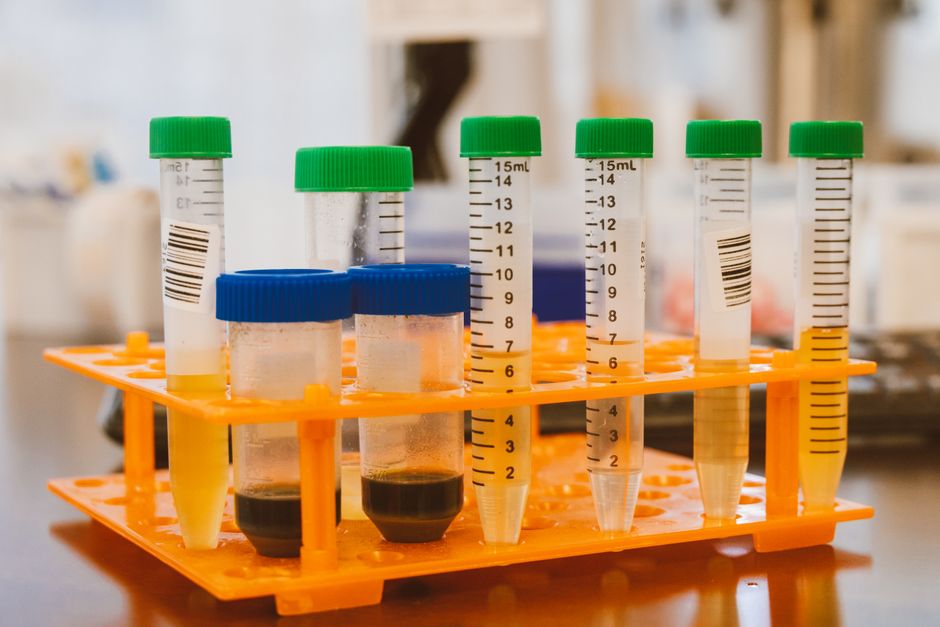
If you have noticed your urine looking darker, cloudier, or just different since starting oxycodone, you are not imagining things. Many patients on opioid pain medications report changes in urine color and wonder whether the drug is to blame or whether something more serious is going on. Understanding oxycodone urine color changes can help you tell the difference between a harmless side effect and a warning sign that needs medical attention.
In this article, you will learn what actually causes urine color shifts during oxycodone treatment, which colors are usually harmless, which ones deserve a call to your doctor, and how hydration, liver function, and other medications play into the picture. We will also cover how urine color relates to drug testing, since that is a common source of confusion for patients on prescribed opioid therapy.
Does Oxycodone Itself Change Urine Color?
Oxycodone, on its own, does not typically cause a dramatic or specific urine color change the way some other drugs do. Unlike medications such as rifampin (which can turn urine orange-red) or certain vitamin supplements (which can turn it bright yellow), oxycodone is not chemically known for pigmenting urine in a distinct way.
That said, many patients taking oxycodone do notice their urine becoming darker, more concentrated, or cloudier. This is usually an indirect effect rather than a direct one. Opioids like oxycodone commonly cause side effects such as reduced fluid intake, nausea, sweating, and constipation, all of which can affect how concentrated your urine becomes. In addition, oxycodone slows down gut motility and can contribute to dehydration if you are not drinking enough water, which is one of the most common reasons patients on this medication see darker urine.
What Determines Urine Color While Taking Oxycodone?
Urine color depends on several factors that often overlap when someone is taking an opioid pain medication:
- Hydration status: The most significant factor. Concentrated urine looks darker yellow or amber; well-hydrated urine looks pale straw-colored.
- Urochrome levels: Urochrome is the natural pigment your kidneys produce as they filter waste. The more concentrated your urine, the more intense this pigment appears.
- Diet and supplements: Beets, B-vitamins, and certain foods can tint urine pink, orange, or bright yellow regardless of medication use.
- Liver and kidney function: Since oxycodone is processed by the liver and cleared by the kidneys, any strain on these organs can change urine color and clarity.
- Other medications: Many patients on oxycodone also take other prescriptions (muscle relaxers, antibiotics, laxatives) that independently affect urine color.
- Urinary tract health: Infections, blood in the urine, or kidney stones can all cause color changes that happen to coincide with oxycodone use but are not caused by it.
Common Urine Color Changes Reported by Patients
Let’s break down the specific colors patients most often report while on oxycodone, and what each one usually means.
Dark Yellow or Amber Urine
This is by far the most common change reported by people taking oxycodone. It almost always points to dehydration. Opioids reduce the urge to drink fluids in some patients, slow digestion, and can cause nausea that discourages normal water intake. Dark amber urine with a stronger odor than usual is your body’s way of telling you it needs more fluids, not necessarily a sign of drug toxicity.
Cloudy or Foamy Urine
Cloudiness can result from concentrated urine, but it can also indicate a urinary tract infection, excess protein in the urine, or dehydration combined with reduced urination frequency (a known oxycodone side effect). Foamy urine specifically is worth mentioning to your doctor, especially if it persists across multiple bathroom visits, since it can sometimes reflect kidney stress unrelated to the opioid itself.
Pink or Red Urine
Pink or reddish urine is not a typical oxycodone effect and should not be dismissed as a normal side effect. It can indicate blood in the urine (hematuria), which may be related to a urinary tract infection, kidney stones, or in rare cases something more serious. If you have not eaten beets, rhubarb, or artificially colored foods recently, pink or red urine warrants a call to your healthcare provider.
Brown or Tea-Colored Urine
Dark brown or tea-colored urine can signal several things: severe dehydration, muscle breakdown (rhabdomyolysis, which is rare but has been associated with opioid use in combination with prolonged immobility), or liver problems. Since your liver processes oxycodone into its active and inactive metabolites, anything that stresses liver function can show up as darker, tea-colored urine, sometimes paired with yellowing skin or eyes (jaundice). This combination should be evaluated promptly.
Blue or Green Urine
Blue or green urine is rare and is almost never caused by oxycodone itself. It is more commonly linked to certain dyes used in medical procedures, specific medications (like some antidepressants or urinary antiseptics), or, in very rare cases, certain infections. If you notice this color and are not taking any other medication known to cause it, mention it to your provider.
Why Dehydration Plays a Bigger Role Than the Drug Itself
It is worth repeating: dehydration is the number one reason patients on oxycodone notice darker urine. Opioids affect the body in ways that make dehydration more likely without you necessarily feeling thirsty:
- They can suppress appetite and thirst signals.
- They frequently cause nausea and vomiting, especially early in treatment.
- They slow gastrointestinal motility, which is also why oxycodone and constipation so often go hand in hand, and constipation itself can affect how your body manages fluids.
- They can increase sweating in some patients, especially during withdrawal between doses.
According to the Mayo Clinic, urine color is one of the simplest ways to gauge hydration status at home. Pale yellow generally means you’re well hydrated, while dark amber or honey-colored urine is a sign to increase fluid intake. If you are on oxycodone and noticing this pattern, increasing water intake (unless your doctor has restricted fluids for another medical reason) is usually the first and simplest fix.
Liver Function, Oxycodone Metabolism, and Urine Color
Oxycodone is metabolized primarily in the liver through enzymes in the cytochrome P450 system, breaking down into metabolites like noroxycodone and oxymorphone before being cleared by the kidneys. This process is explained in more detail in our guide on how the body breaks down oxycodone.
When the liver is working properly, this metabolic process does not meaningfully change urine color. However, if liver function is impaired, either from pre-existing liver disease, heavy alcohol use, or interactions with other medications, byproducts can build up in the bloodstream and eventually show up in urine as unusual darkening, often accompanied by fatigue, itching, or yellowing of the skin.
This is one reason doctors are cautious about combining oxycodone with alcohol. Beyond the well-documented risks of sedation and respiratory depression discussed in our article on oxycodone and alcohol risks, heavy alcohol use also strains the liver, which can compound both the metabolic burden of the opioid and any resulting changes in urine appearance.
When Urine Color Changes Signal a Medical Problem
Most urine color changes during oxycodone treatment are benign and resolve with better hydration. However, certain signs suggest you should not wait to see if it clears up on its own. Contact your healthcare provider if you notice:
- Bright red or pink urine without an obvious dietary cause
- Dark brown or tea-colored urine paired with yellowing skin or eyes
- Cloudy, foul-smelling urine with burning during urination (possible UTI)
- Little to no urine output over several hours despite drinking fluids
- Urine color changes accompanied by severe abdominal pain, confusion, or extreme fatigue
- Dark urine along with muscle pain, weakness, or swelling, which can (rarely) suggest rhabdomyolysis
These symptoms are not typical, expected effects of oxycodone and may point to a separate medical issue such as a kidney problem, urinary tract infection, or liver complication. Given that oxycodone affects people differently based on genetics, age, kidney and liver function, and other health conditions, some patients are more prone to complications than others, so it is always better to check with a provider rather than assume a symptom will pass on its own.
Oxycodone and Drug Testing: Does Urine Color Matter?
Patients prescribed oxycodone for chronic pain are often subject to routine urine drug screening as part of a pain management agreement. A common question is whether urine color affects these test results.
The short answer is no, standard color changes from dehydration, diet, or mild liver stress do not interfere with the accuracy of a urine drug test. Laboratories test for the presence of oxycodone and its metabolites at a molecular level, not visual appearance. However, urine that is extremely dilute (very pale, almost clear) can sometimes trigger a “dilute specimen” flag during testing, prompting a retest rather than an outright failure. This is because labs use dilution as one marker of possible sample tampering, even though in most cases it simply reflects that a patient drank a lot of water beforehand. If you are undergoing routine drug monitoring while on oxycodone, it is generally wise to avoid drinking excessive fluids right before a scheduled test, not because it changes the drug detection itself, but to avoid the inconvenience of a flagged sample and a repeat visit.
It is also worth noting that certain foods, supplements, and other medications you take alongside oxycodone will not alter the drug test outcome just because they change your urine’s color. Beet-tinged pink urine, riboflavin-induced neon yellow urine, or medication-related orange urine will not cause a false positive or false negative for opioids. The lab’s detection methods (usually immunoassay screening followed by confirmatory testing such as gas chromatography-mass spectrometry) are far more precise than a simple visual color check.
How Long Do Oxycodone-Related Urine Changes Last?
For most patients, mild urine color changes tied to short-term oxycodone use resolve within a day or two of adjusting hydration habits. If the color shift is linked to a temporary bout of dehydration, nausea, or reduced fluid intake immediately after starting the medication, urine typically returns to its normal pale yellow once fluid intake normalizes and the body adjusts.
If you are taking oxycodone long-term, especially at higher doses or in combination with other medications processed by the liver, you might notice that your urine tends to run slightly darker than it used to, even when you are adequately hydrated. This can simply be a reflection of ongoing metabolic changes as your liver processes oxycodone and its byproducts. As long as bloodwork, kidney function, and liver enzymes remain stable and you feel otherwise well, this is generally not considered dangerous, but it is a good topic to bring up at routine follow-up appointments.
Understanding your personal metabolism matters here. Some people break down oxycodone quickly and efficiently, clearing metabolites through urine at a steady pace, while others process the drug more slowly due to genetic differences in liver enzymes. This variability is part of why oxycodone metabolism and its downstream effects, including urine changes, are not identical from one patient to the next. For a deeper look at how this process works, see our detailed guide on oxycodone metabolism.
Tips for Managing Hydration While on Oxycodone
Since dehydration is the most common driver of noticeable urine color changes in patients taking oxycodone, staying properly hydrated is one of the simplest and most effective ways to keep your urine looking normal and to support your kidneys as they help clear the drug from your system. Here are some practical strategies:
- Sip water consistently throughout the day rather than drinking a large amount all at once. Steady intake helps maintain even hydration levels and supports regular kidney filtration.
- Set reminders if needed. Opioids like oxycodone can cause fatigue or a foggy feeling that makes it easy to forget basic self-care tasks like drinking enough water.
- Watch for constipation. Oxycodone is well known for slowing digestion, and oxycodone-related constipation can compound dehydration since the body pulls extra fluid into the bowel. Staying hydrated also helps manage this common side effect.
- Limit dehydrating beverages. Excess caffeine and alcohol can both worsen dehydration. If you enjoy coffee, moderation matters, and it helps to understand how coffee interacts with oxycodone before assuming your usual intake is fine. Alcohol should generally be avoided altogether while on this medication, both for hydration reasons and due to serious interaction risks; our article on oxycodone and alcohol covers this in more detail.
- Use urine color as a simple hydration gauge. Pale straw-yellow is the target. If you notice your urine trending toward amber or deep gold on a regular basis, treat it as a nudge to increase your fluid intake that day.
- Balance electrolytes, not just water. If you are drinking plenty of water but still feel dehydrated or notice concentrated urine, you may need electrolytes as well, particularly if you are sweating from exercise, illness, or hot weather. Patients who remain physically active while on this medication should review our guide on exercising while taking oxycodone to understand safe hydration and activity practices.
When to Bring Urine Changes Up With Your Doctor
Most patients will never need to worry about oxycodone-related urine color changes beyond simple hydration adjustments. However, there are situations where mentioning the change to your prescribing doctor or pharmacist is a smart move, even if you are not experiencing other alarming symptoms.
Bring it up if:
- The color change is sudden and dramatic rather than a gradual shift
- You have any personal or family history of kidney or liver disease
- You are taking multiple medications, supplements, or over-the-counter drugs alongside oxycodone, since combined effects on the liver and kidneys can be harder to predict
- You are also taking muscle relaxers, sedatives, or other central nervous system depressants, since combinations like these can increase overall strain on the body’s processing systems; see our overview of oxycodone and muscle relaxers for more on this topic
- The color change persists for more than a few days despite good hydration
- You notice the change alongside new fatigue, appetite loss, swelling, or skin or eye yellowing
Your doctor may order a simple urinalysis or basic bloodwork to check kidney and liver function. In most cases, results come back normal and the color change is chalked up to hydration status or a benign, temporary metabolic shift. But ruling out something more serious is always worth the extra few minutes it takes to ask.
Urine Changes During Special Circumstances
Certain situations can make urine color changes more noticeable or more likely while taking oxycodone. It helps to be aware of these so you are not caught off guard.
Travel
Long flights, road trips, or time zone changes often disrupt normal drinking habits, and travelers frequently underestimate how dehydrated they become, especially in airplane cabins with low humidity. If you are managing oxycodone while away from home, it is worth reviewing practical guidance on traveling with oxycodone, since maintaining your usual hydration and medication routine on the road can prevent unnecessary urine changes and other side effects.
Returning to Work
Getting back into a work routine while on oxycodone can also affect hydration patterns, particularly in physically demanding jobs, office settings with limited breaks, or roles that involve a lot of talking or screen time where people simply forget to drink water. If you are navigating this transition, our article on returning to work while taking oxycodone offers helpful tips for managing side effects, including hydration, in a workplace setting.
Dental and Medical Procedures
Patients prescribed oxycodone after dental work or minor procedures sometimes reduce their fluid intake due to swelling, discomfort, or a sore mouth, which can quickly lead to darker urine. If you were prescribed oxycodone for a dental issue, it may help to review our guides on oxycodone for dental pain and oxycodone and dental pain, both of which touch on general recovery and self-care practices that support proper hydration.
Frequently Asked Questions
Can oxycodone turn urine a bright or unusual color like green or blue?
Bright green or blue urine is not a typical effect of oxycodone itself. These unusual colors are far more often linked to certain dyes, specific medications (such as some used during surgery or for urinary tract issues), or, rarely, certain infections. If you notice green, blue, or another highly unusual color while taking oxycodone, it is worth mentioning to your doctor to rule out an unrelated cause rather than assuming it is from the medication.
Is dark urine always a sign of a liver problem when taking oxycodone?
No. Dark urine is far more commonly caused by simple dehydration than by any liver issue. Oxycodone is processed through the liver, so in rare cases, darker urine paired with other symptoms like yellowing skin, itching, or severe fatigue could point to a liver problem, but on its own, dark urine is usually just a hydration signal.
Should I stop taking oxycodone if my urine changes color?
You should not stop or adjust your oxycodone dose on your own based on a urine color change alone. Mild, isolated color shifts are rarely a reason to alter your medication. Speak with your prescribing doctor before making any changes, especially since abruptly stopping opioids can cause withdrawal symptoms.
Can drinking cranberry juice help if I notice unusual urine color while on oxycodone?
Cranberry juice is sometimes used to support urinary tract health, but it will not specifically counteract oxycodone-related urine color changes. Plain water remains the most effective way to dilute urine and restore its normal pale yellow color. If you suspect a urinary tract infection rather than simple dehydration, see a healthcare provider rather than relying on cranberry juice alone.
Does everyone taking oxycodone notice urine color changes?
No. Many patients never notice any change in urine color while taking oxycodone, particularly if they stay well hydrated and do not have other contributing factors like liver strain, additional medications, or preexisting kidney issues. Urine color change is a possible but far from universal effect.
The Bottom Line
Noticing a change in urine color while taking oxycodone can be unsettling, but in the overwhelming majority of cases, it is a benign and easily explained side effect tied to dehydration, diet, or the medication’s normal path through the liver and kidneys. Staying hydrated, paying attention to your body’s other signals, and keeping an open line of communication with your healthcare provider are the best ways to manage this symptom with confidence. While rare, more serious causes of urine changes do exist, so persistent, severe, or unusual changes, especially those paired with pain, swelling, confusion, or jaundice, deserve prompt medical attention. For a broader understanding of how oxycodone affects the body and what other side effects to watch for, our complete oxycodone resource center is a helpful place to continue learning. As always, this article is for informational purposes only and does not replace personalized medical advice from your doctor or pharmacist, who can evaluate your specific situation and health history. For additional general drug information, resources such as Drugs.com and WebMD can offer further reference material, though they should never substitute for direct guidance from your care team.