Health Tips
The Complete Oxycodone Resource Center: Everything Patients Need to Know

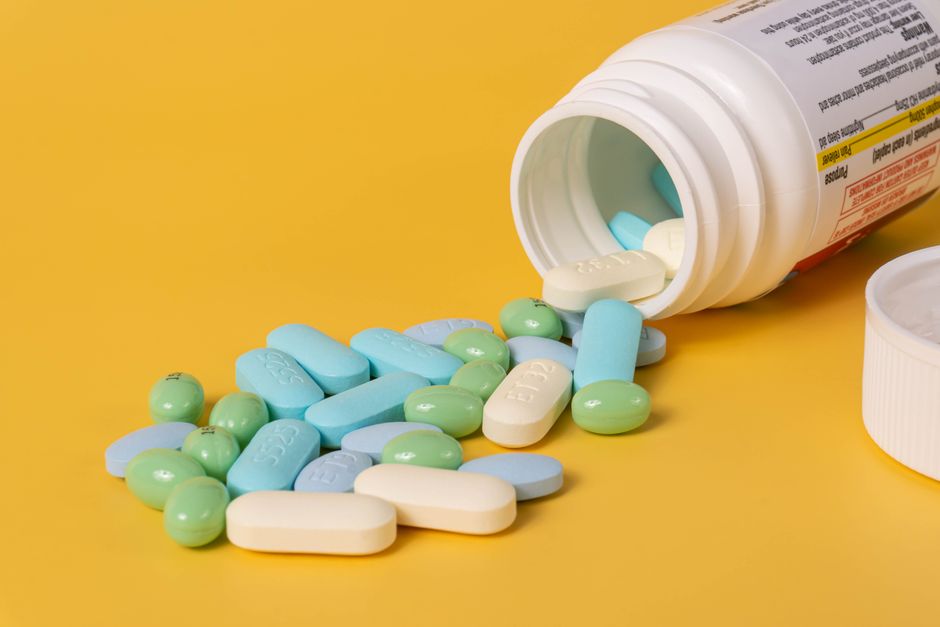
If your doctor just handed you a prescription for oxycodone, you probably have more questions than answers. How does it work? What should you avoid while taking it? Is it dangerous to combine with other medications? This oxycodone resource center pulls together the essential facts patients need before, during, and after treatment with this powerful opioid painkiller.
Whether you’re recovering from surgery, managing chronic pain, or simply researching a prescription for a family member, this guide walks through how oxycodone works, its risks, its interactions, and the practical safety steps that make treatment as smooth as possible. Consider this your starting point, with links throughout to deeper guides on specific topics.
What Is Oxycodone?
Oxycodone is a semi-synthetic opioid analgesic prescribed to treat moderate to severe pain. It’s sold under brand names like OxyContin, Roxicodone, and Oxaydo, and it’s also combined with acetaminophen in products such as Percocet. Doctors typically prescribe it after surgery, for injury-related pain, cancer pain, or chronic pain conditions that haven’t responded to non-opioid treatments.
As a Schedule II controlled substance, oxycodone carries a significant risk of misuse, dependence, and addiction, which is why it’s tightly regulated and typically prescribed for the shortest duration necessary. Understanding this classification matters because it shapes everything from how your pharmacy fills the prescription to how often your doctor monitors you.
How Oxycodone Works in the Body
Oxycodone binds to opioid receptors in the brain and spinal cord, blocking pain signals from reaching the central nervous system. It also triggers the release of dopamine, which produces the feelings of relaxation and mild euphoria that make opioids both effective for pain and prone to misuse.
Once swallowed, oxycodone is absorbed through the gastrointestinal tract and metabolized primarily in the liver. Immediate-release formulations start working within 15 to 30 minutes and last four to six hours. Extended-release versions release the medication gradually over 12 hours, providing steadier pain control for patients with ongoing pain.
Immediate-Release vs. Extended-Release Oxycodone
- Immediate-release (IR): Used for acute, short-term pain or breakthrough pain. Taken every 4-6 hours as needed.
- Extended-release (ER): Used for around-the-clock chronic pain management. Taken every 12 hours on a fixed schedule, not on an as-needed basis.
Never crush, chew, or break extended-release tablets. Doing so releases the full 12-hour dose at once, which can cause a dangerous, potentially fatal overdose.
Common Uses for Oxycodone
Oxycodone is prescribed for a wide range of pain conditions, including:
- Post-surgical pain
- Severe injury pain (fractures, burns, trauma)
- Cancer-related pain
- Chronic back or joint pain unresponsive to other treatments
- Severe dental pain following extractions or oral surgery
It’s rarely recommended as a first-line treatment. Most physicians try non-opioid options, like NSAIDs or acetaminophen, before moving to opioids, and they reserve oxycodone for pain that significantly limits daily function.
Dosage and Administration
Dosage varies widely depending on the patient’s pain severity, opioid tolerance, age, kidney and liver function, and other medications. There is no universal starting dose that works for every patient, which is why prescribers begin conservatively and adjust based on response.
Typical Starting Doses
For patients who have never taken opioids before (opioid-naive), doctors typically start with the lowest effective dose of immediate-release oxycodone, often between 5 mg and 10 mg every 4 to 6 hours as needed. Extended-release formulations are usually reserved for patients who already require round-the-clock pain control and have some opioid tolerance established.
Your prescriber will consider several factors before settling on a starting dose:
- Your current pain level and how it affects daily activities
- Whether you have taken opioids before and how your body responded
- Your age, weight, and overall health
- Kidney and liver function, since both organs help process and clear the drug
- Other medications you take that might interact with oxycodone
Doses are often adjusted upward gradually, a process called titration, until pain is adequately controlled with the fewest side effects possible. This is not something patients should do on their own. Any change to dosage or frequency should come directly from the prescribing physician.
How to Take Oxycodone Correctly
Oxycodone can be taken with or without food, though taking it with a small snack may reduce nausea for some patients. Tablets should be swallowed whole unless your doctor or pharmacist specifically instructs otherwise. Liquid formulations should be measured with the dosing device provided, not a household spoon, to avoid dosing errors.
Consistency matters. Taking doses at the same times each day, especially with extended-release products, helps maintain steady blood levels and reduces the chances of breakthrough pain or withdrawal symptoms between doses.
Common Side Effects of Oxycodone
Like all opioid medications, oxycodone comes with a predictable set of side effects, many of which improve as the body adjusts over the first several days of treatment. Understanding what’s normal versus what warrants a call to your doctor can ease a lot of anxiety for new patients.
Frequently Reported Side Effects
- Drowsiness or sedation
- Nausea and vomiting
- Constipation (often persistent and requiring ongoing management)
- Dry mouth
- Dizziness or lightheadedness
- Sweating
- Itching
- Mild confusion, especially in older adults
Constipation deserves special mention because, unlike drowsiness or nausea, it typically does not resolve with continued use. Most patients on oxycodone for more than a few days benefit from a proactive bowel regimen that may include increased fluids, fiber, gentle exercise, and, in many cases, an over-the-counter stool softener or laxative recommended by their doctor.
Less Common but Notable Side Effects
- Mood changes, including unusual euphoria or, in some patients, increased anxiety
- Vivid dreams or difficulty sleeping
- Decreased appetite
- Flushing of the skin
- Headache
If side effects are severe or interfere significantly with daily life, contact your prescriber. Sometimes a simple dose adjustment or a switch to a different opioid formulation resolves the issue without abandoning pain treatment altogether.
Serious Risks and the Black Box Warning
Oxycodone carries an FDA black box warning, the most serious type of warning a medication label can carry. This warning highlights risks that are potentially life-threatening, and every patient should understand them before starting therapy.
Key Risks Highlighted in the Warning
- Addiction, abuse, and misuse: Even when taken exactly as prescribed, opioids carry a risk of physical dependence and psychological addiction.
- Life-threatening respiratory depression: Oxycodone can slow or stop breathing, particularly at the start of treatment, after a dose increase, or when combined with other sedating substances.
- Accidental exposure: A single dose, especially of extended-release oxycodone, can be fatal to a child or someone without opioid tolerance.
- Neonatal opioid withdrawal syndrome: Babies born to mothers who used oxycodone during pregnancy can experience withdrawal symptoms after birth.
- Interactions with other CNS depressants: Combining oxycodone with benzodiazepines, alcohol, or certain other medications significantly raises the risk of fatal respiratory depression.
For a deeper breakdown of what each of these warnings means in practical terms, our detailed guide to oxycodone’s black box warnings walks through the reasoning behind the FDA’s strongest labeling requirement and what it means for everyday use.
Drug Interactions to Watch For
One of the most important safety conversations a patient can have with their doctor or pharmacist involves other medications, supplements, and substances that might interact with oxycodone. Some interactions are mild, causing increased drowsiness, while others can be dangerous or even fatal.
Medications That Commonly Interact With Oxycodone
- Benzodiazepines (such as alprazolam or diazepam): Combined use dramatically increases the risk of severe sedation, respiratory depression, coma, and death.
- Muscle relaxants: Many patients are prescribed both after surgery or injury, but the combination requires careful monitoring. Learn more in our guide on oxycodone and muscle relaxers.
- Other opioids: Taking multiple opioid medications simultaneously, even unintentionally through combination products, raises overdose risk.
- Antidepressants, particularly SSRIs and SNRIs: Some combinations can increase the risk of serotonin syndrome. Patients curious about specific pairings, such as escitalopram, can review our article on Lexapro and oxycodone taken together.
- Monoamine oxidase inhibitors (MAOIs): These require particular caution and often a washout period before oxycodone is safely introduced.
- Certain antibiotics and antifungals: Drugs like clarithromycin or ketoconazole can affect how oxycodone is metabolized, potentially increasing its concentration in the blood.
- Sleep aids and sedating antihistamines: These compound the sedative effects of oxycodone and can impair breathing and alertness.
Over-the-counter pain relievers are often combined with oxycodone under medical supervision. For instance, many prescribers pair it with ibuprofen for a multi-modal approach to pain relief. If you’re considering this combination, our article on oxycodone and ibuprofen used together outlines the benefits and precautions.
Alcohol and Oxycodone
Alcohol is a central nervous system depressant, just like oxycodone. Combining the two amplifies sedation, impairs coordination and judgment, and significantly increases the risk of dangerously slowed breathing. Patients should avoid alcohol entirely while taking oxycodone, even in small amounts, and even well after a dose has been taken since both substances remain active in the body for hours.
Food, Drinks, and Lifestyle Considerations
Beyond drug interactions, a number of everyday habits and consumables can affect how oxycodone works in your body or how safely you can go about daily life while taking it.
Foods and Beverages
Certain foods, particularly grapefruit and grapefruit juice, can interfere with the liver enzymes responsible for metabolizing oxycodone, potentially causing higher-than-expected drug levels in the bloodstream. Our comprehensive guide on foods to avoid while taking oxycodone covers this and other dietary considerations patients often overlook.
Caffeine is another common question among patients. Many wonder whether their morning coffee habit is safe to continue during treatment. Generally, moderate caffeine intake is fine, but it’s worth understanding how the two interact. Read more in our piece on drinking coffee while taking oxycodone.
Physical Activity
Pain relief and mobility often go hand in hand, and many patients want to know if they can safely exercise while on oxycodone. The answer depends heavily on the reason you’re taking the medication, your current dose, and how the drug affects your coordination and alertness. Our detailed breakdown on exercising while taking oxycodone offers practical guidance for staying active safely.
Driving and Operating Machinery
Oxycodone can impair reaction time, judgment, and coordination, especially during the first few days of treatment or after a dose increase. Even patients who feel “fine” may have measurably slower reflexes. Before getting behind the wheel, it’s worth reviewing our guide on driving after taking oxycodone to understand the legal and safety implications.
Special Populations and Considerations
Certain groups of patients require extra caution, closer monitoring, or dosage adjustments when using oxycodone.
Pregnancy and Breastfeeding
Opioid use during pregnancy carries risks for both the mother and the developing baby, including the possibility of neonatal opioid withdrawal syndrome after birth. That said, there are situations where the benefits of pain control outweigh the risks, particularly for short-term, medically supervised use. Our article on oxycodone use during pregnancy explores this nuanced topic in depth, including what alternatives exist and how to have an informed conversation with your obstetric provider.
Older Adults
Older patients often process medications more slowly due to age-related changes in kidney and liver function. They are also more susceptible to side effects like confusion, dizziness, and falls. Prescribers typically start elderly patients on lower doses and monitor them more closely for signs of oversedation.
Patients With Kidney or Liver Disease
Since oxycodone is processed primarily through the liver and eliminated by the kidneys, impaired function in either organ can cause the drug to build up to unsafe levels. Patients with significant kidney or liver disease often need reduced doses, longer intervals between doses, or alternative pain management strategies altogether.
Patients With a History of Substance Use Disorder
A personal or family history of substance misuse doesn’t automatically rule out opioid therapy, but it does warrant a more cautious approach. This might include shorter prescription durations, more frequent check-ins, random pill counts, or referral to a pain management specialist who can help balance effective pain relief with addiction risk.
Dental and Surgical Pain Scenarios
Oxycodone is frequently prescribed after dental procedures such as extractions, root canals, or oral surgery, particularly when pain is expected to be significant in the first 24 to 72 hours. Because dental pain typically improves quickly, prescriptions for this purpose are usually short, often just a few days’ worth. For a closer look at how oxycodone is used specifically in dental contexts, including timing around procedures and what to expect during recovery, see our guides on oxycodone for dental pain before, during, and after treatment and what to know before taking oxycodone for dental pain.
Safe Storage and Disposal
Because oxycodone is a controlled substance with real diversion and accidental exposure risks, how you store and eventually dispose of it matters just as much as how you take it.
Storage Best Practices
- Keep oxycodone in a locked cabinet, lockbox, or medication safe, out of reach of children, teens, and visitors.
- Avoid storing it in a medicine cabinet that guests or houseguests can easily access.
- Keep the medication in its original, labeled container.
- Store at room temperature, away from excess heat or moisture, which can degrade the medication.
- Keep a rough count or log of remaining pills, particularly if others have access to your home.
Disposal Best Practices
Unused oxycodone should never be kept “just in case” or thrown in household trash where it could be retrieved. Many pharmacies offer take-back programs, and some communities host periodic drug take-back events. If no take-back option is available, the FDA recommends specific in-home disposal methods for certain opioids, which your pharmacist can walk you through.
For a more complete look at everyday safety practices, including storage, disposal, and avoiding accidental double-dosing, check out our guide on safe use of oxycodone at home.
Traveling With Oxycodone
Traveling while on a controlled substance requires some extra planning, whether you’re heading across state lines or internationally. Airlines and TSA have specific rules about carrying prescription opioids, and some countries have strict regulations or even bans on certain narcotic medications. Before your next trip, it’s worth reviewing our guide on traveling with oxycodone, which covers documentation, packing tips, and how to handle security screenings without unnecessary stress.
Recognizing and Responding to an Overdose
Opioid overdose is a medical emergency, and recognizing the signs quickly can save a life. Overdose risk increases with higher doses, combining oxycodone with other depressants like alcohol or benzodiazepines, or taking the medication after a period of reduced tolerance, such as after a hospital stay or a break in use.
Signs of Oxycodone Overdose
- Extreme drowsiness or inability to wake up
- Slow, shallow, or stopped breathing
- Pinpoint pupils
- Blue or gray tint to lips or fingertips
- Limp body
- Cold, clammy skin
- Choking or gurgling sounds
If you suspect an overdose, call emergency services immediately. If naloxone (Narcan) is available, administer it right away, following the instructions on the package. Naloxone can temporarily reverse the effects of an opioid overdose, but its effects wear off, so emergency medical care is still necessary even after a dose is given. Many pharmacies now dispense naloxone alongside opioid prescriptions, and patients or their household members are strongly encouraged to keep it on hand.
Tolerance, Dependence, and Withdrawal
It’s important for patients to understand the difference between physical dependence, tolerance, and addiction, since these terms are often used interchangeably but mean very different things.
Tolerance
Tolerance occurs when the body becomes accustomed to a medication over time, requiring higher doses to achieve the same pain-relieving effect. This is a normal physiological response and does not necessarily indicate misuse.
Physical Dependence
Physical dependence happens when the body adapts to the presence of a drug, leading to withdrawal symptoms if the medication is stopped abruptly. Like tolerance, dependence can occur even in patients taking oxycodone exactly as prescribed and is not, by itself, the same as addiction.
Addiction
Addiction, also called opioid use disorder, involves compulsive drug-seeking behavior despite negative consequences. It includes a psychological component, cravings, and loss of control over use, in addition to the physical aspects of dependence.
Common Withdrawal Symptoms
- Anxiety and irritability
- Muscle aches
- Sweating and chills
- Nausea, vomiting, or diarrhea
- Insomnia
- Rapid heartbeat
- Intense drug cravings
Withdrawal symptoms typically begin within 8 to 24 hours after the last dose and can last anywhere from a few days to a couple of weeks, depending on how long the medication was used and at what dose.
Tapering Off Oxycodone Safely
Patients who have taken oxycodone for more than a couple of weeks should never stop abruptly. Instead, doctors typically recommend a gradual taper, slowly reducing the dose over days to weeks, to minimize withdrawal symptoms and give the body time to adjust. Tapering schedules are highly individualized and should always be guided by a physician, particularly for patients who have been on high doses or used the medication for an extended period.
When to Seek Additional Help
Sometimes pain management becomes more complicated than a straightforward prescription and taper. Certain signs suggest it may be time to talk to your doctor about additional support or a change in approach.
- You find yourself taking more than prescribed or running out early
- You’ve tried to cut back or stop and experienced significant withdrawal or cravings
- Oxycodone use is interfering with work, relationships, or responsibilities
- You’re combining oxycodone with alcohol or other substances to enhance its effects
- You feel unable to function normally without the medication, even when pain is well controlled
These signs don’t necessarily mean addiction has taken hold, but they’re worth an honest conversation with your healthcare provider. Many doctors can adjust treatment plans, refer patients to pain specialists, or connect them with resources for safer, more sustainable pain management.
Frequently Asked Questions
How long does oxycodone stay in your system?
Oxycodone typically remains detectable in urine for one to three days after the last dose, though this varies based on dose, frequency of use, metabolism, kidney function, and the specific test used. The drug’s effects usually last four to six hours for immediate-release formulations and up to 12 hours for extended-release versions.
Can I drink coffee or eat normally while taking oxycodone?
Most foods and beverages are safe in moderation, though grapefruit products and alcohol should be avoided. Caffeine is generally considered safe for most patients, though it’s worth discussing your specific situation with your pharmacist, especially if you’re sensitive to stimulants or experiencing anxiety-like side effects.
Is it safe to take oxycodone long-term for chronic pain?
Long-term opioid therapy is sometimes appropriate for chronic pain that hasn’t responded to other treatments, but it requires regular monitoring, periodic reassessment, and an honest discussion of risks versus benefits with your prescriber. Many chronic pain patients use oxycodone as part of a broader treatment plan that includes physical therapy, non-opioid medications, and lifestyle changes rather than as a sole solution.
What should I do if I miss a dose?
For immediate-release oxycodone taken as needed, simply take the next dose when pain returns, without doubling up. For extended-release oxycodone on a fixed schedule, take the missed dose as soon as you remember unless it’s close to the time for your next scheduled dose, in which case skip the missed dose entirely. Never take two doses at once to make up for a missed one.
Can oxycodone be taken with over-the-counter pain relievers?
In many cases, yes. Combining oxycodone with acetaminophen or NSAIDs like ibuprofen is a common and often effective multi-modal pain strategy, but it should only be done under medical guidance, particularly to avoid exceeding safe limits for acetaminophen or risking gastrointestinal issues with NSAIDs.
Conclusion
Oxycodone remains one of the most effective tools available for managing moderate to severe pain, but its power comes with real responsibility. From understanding the difference between immediate-release and extended-release formulations to recognizing the warning signs of overdose or dependence, informed patients are safer patients. Pain relief and safety aren’t mutually exclusive, they go hand in hand when oxycodone is used exactly as prescribed, monitored closely, and paired with open communication with your healthcare team. If you take away nothing else from this resource, remember this: never adjust your dose without medical guidance, never combine oxycodone with alcohol or other sedatives without your doctor’s explicit approval, and never hesitate to ask questions about your treatment plan. For additional trustworthy information on opioid safety, resources like Mayo Clinic and Drugs.com offer continually updated, physician-reviewed guidance that can complement the conversations you have with your own care team. Whether you’re just starting oxycodone therapy or have been managing pain with it for years, staying informed is the single best step you can take toward using this medication safely and effectively.