Health Tips
Oxycodone and Dental Pain: What You Need to Know Before Taking It

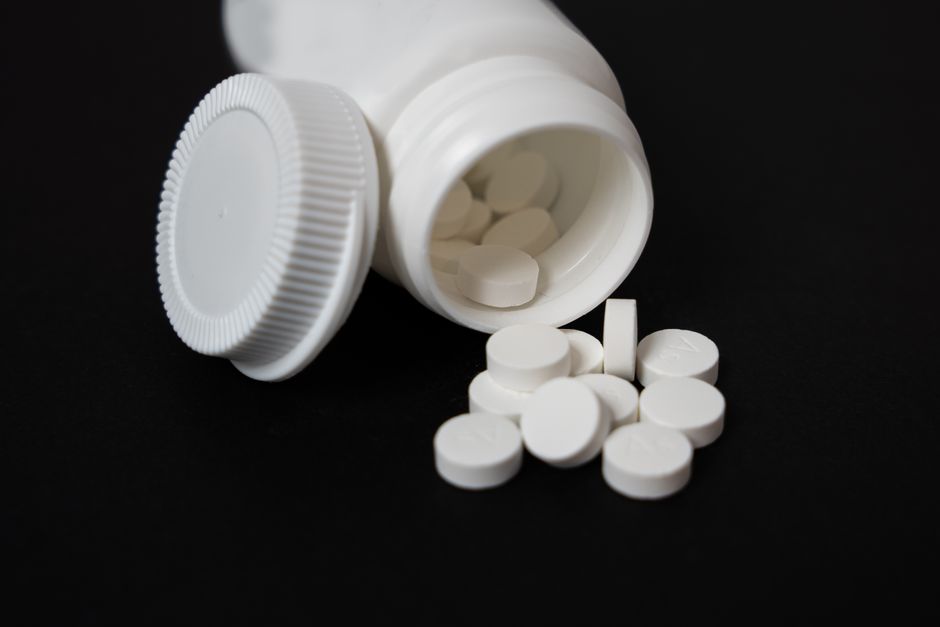
A throbbing tooth or a fresh extraction site can make even simple things like eating or sleeping feel impossible. When over-the-counter pain relievers fall short, dentists sometimes turn to oxycodone for dental pain, especially after surgical procedures like wisdom tooth removal or root canals gone wrong. But oxycodone is a powerful opioid, and using it safely requires understanding how it works, when it’s actually necessary, and what risks come with it.
In this article, you’ll learn exactly when dentists prescribe oxycodone, how it compares to other pain management options, proper dosing guidance, potential side effects, and safer alternatives worth discussing with your provider. Whether you’re facing an upcoming procedure or already holding a prescription, this guide will help you make informed decisions about your recovery.
What Is Oxycodone and How Does It Work?
Oxycodone is a semi-synthetic opioid that works by binding to opioid receptors in the brain and spinal cord, blocking pain signals and altering how the body perceives discomfort. It’s classified as a Schedule II controlled substance in the United States because of its high potential for misuse and dependence, even when taken exactly as prescribed.
Unlike nonsteroidal anti-inflammatory drugs (NSAIDs) that target inflammation directly at the source, oxycodone works centrally, meaning it changes how your brain interprets pain rather than reducing swelling or tissue irritation. This makes it effective for short bursts of severe pain, but it doesn’t address the underlying inflammation that often accompanies dental trauma or infection.
Common brand-name and combination formulations include OxyContin (extended-release), Roxicodone (immediate-release), and Percocet, which pairs oxycodone with acetaminophen. If you’re curious about the different formulations available, our guide to oxycodone brand names breaks down how these products differ.
Understanding Dental Pain: Causes and Severity
Not all dental pain is created equal, and the intensity often dictates whether an opioid is even appropriate. Dental pain generally falls into a few categories:
- Acute post-surgical pain, such as after wisdom tooth extraction or dental implant placement
- Infection-related pain, including abscesses and severe periodontal disease
- Nerve-related pain, often from an exposed or inflamed dental pulp
- Chronic jaw pain, such as temporomandibular joint (TMJ) disorders
Most routine dental pain, including cavity fillings and minor cleanings, responds well to over-the-counter medication. Oxycodone typically enters the picture only when pain is severe, surgery was extensive, or the patient can’t tolerate NSAIDs due to allergies, bleeding disorders, or kidney issues.
When Is Oxycodone Prescribed for Dental Pain?
Dentists and oral surgeons reserve opioids like oxycodone for situations where pain is expected to be significant and short-lived. It’s rarely a first-line option anymore, largely due to growing awareness of opioid misuse risks, but it still has a place in certain procedures.
Wisdom Tooth Extraction
Impacted wisdom tooth removal is one of the most common reasons dentists prescribe short courses of opioids. When extraction involves cutting through gum tissue or bone, swelling and soreness can last several days, and some patients need stronger relief than ibuprofen alone provides during the first 24 to 48 hours.
Root Canals
A root canal itself is usually not more painful than the infection that led to it, but in cases involving severe abscesses or complicated retreatment, post-procedure discomfort can be intense enough to warrant a short opioid course.
Dental Abscesses and Infections
Severe infections that cause facial swelling, throbbing pain, and pressure can be debilitating. While antibiotics address the infection itself, oxycodone may be used temporarily to manage pain while the infection resolves.
Other Oral Surgery
Procedures like dental implant placement, bone grafting, or jaw surgery can involve significant tissue trauma. In these cases, a dentist or oral surgeon may prescribe oxycodone for a limited period, often just a few days, similar to how it’s used following other types of surgical recovery. Our article on oxycodone after surgery covers what to expect in the days following an invasive procedure.
Oxycodone vs Other Pain Relief Options for Dental Pain
Research has increasingly shown that combining ibuprofen and acetaminophen often works as well as, or better than, opioids for dental pain. A widely cited study published in the Journal of the American Dental Association found that an ibuprofen-acetaminophen combination outperformed opioid-containing regimens for post-surgical dental pain in several trials.
Oxycodone vs Ibuprofen
Ibuprofen reduces inflammation at the source, which matters a lot for dental pain since swelling is often the main driver of discomfort. Oxycodone doesn’t reduce inflammation at all. For many patients, especially after simple extractions, ibuprofen alone or combined with acetaminophen is sufficient. Our detailed comparison of oxycodone and ibuprofen combination therapy explains how these two drugs can sometimes be used together under medical guidance for more severe cases.
Oxycodone vs Codeine
Codeine is a weaker opioid sometimes used for milder dental pain, but it converts unpredictably in the body due to genetic variation, making its effectiveness inconsistent. Oxycodone tends to provide more reliable, potent relief, which is why it’s typically reserved for more severe cases. If you want a deeper breakdown of how these two opioids differ, check out our comparison of codeine vs oxycodone for pain management.
Oxycodone with Acetaminophen (Percocet)
Percocet combines oxycodone with acetaminophen, which can allow for a lower opioid dose while still achieving strong pain control. This combination is sometimes preferred after more extensive oral surgery, though it requires careful attention to total daily acetaminophen intake to avoid liver strain.
Dosage and How to Take Oxycodone for Dental Pain
Dosing for dental pain is almost always conservative and short-term. A typical adult dose ranges from 5 mg to 10 mg every 4 to 6 hours as needed, though your dentist will tailor this based on the procedure, your weight, medical history, and pain tolerance.
Key points to keep in mind:
- Take oxycodone with food if it causes nausea, unless your dentist advises otherwise
- Never exceed the prescribed dose, even if pain feels severe, since more isn’t always safer
- Most dental prescriptions are limited to a 3 to 5 day supply
- Avoid alcohol completely while taking oxycodone, as the combination can suppress breathing dangerously
- Store the medication securely, away from children and other household members
Extended-release formulations like OxyContin are almost never used for dental pain because the pain is expected to be short-lived and intense rather than chronic. Immediate-release oxycodone is the standard choice for this type of acute discomfort.
How Long Does Oxycodone Take to Work for Dental Pain?
Immediate-release oxycodone typically starts working within 15 to 30 minutes, reaching peak effect around one hour after taking it. Pain relief generally lasts 4 to 6 hours, which is why dosing schedules are spaced accordingly.
For dental procedures, timing your first dose matters. Many oral surgeons recommend taking the first dose before local anesthesia fully wears off, which helps prevent pain from escalating to a level that’s harder to control once it sets in.
Side Effects of Oxycodone for Dental Pain
Even short-term use can produce noticeable side effects. Being aware of these ahead of time helps you distinguish normal reactions from something that needs medical attention.
Common Side Effects
- Nausea and vomiting
- Constipation
- Drowsiness or sedation
- Dizziness or lightheadedness
- Dry mouth, which can be particularly uncomfortable after oral surgery
- Itching or mild skin flushing
Constipation is worth planning for in advance, since opioids slow digestive motility significantly. Staying hydrated, eating fiber-rich foods when possible, and using a stool softener can help prevent this common complaint.
Serious Side Effects
Although rare at dental-pain dosages, seek immediate medical attention if you experience:
- Slow or shallow breathing
- Extreme drowsiness or difficulty waking up
- Confusion or hallucinations
- Severe allergic reaction symptoms, such as facial swelling, hives, or difficulty breathing
According to Mayo Clinic, respiratory depression is the most dangerous risk associated with opioid use, particularly when combined with other sedating substances like alcohol or benzodiazepines.
Risks and Precautions
Addiction and Dependence Risk
Dental prescriptions are usually short, but research has shown that even brief opioid exposure can increase the risk of long-term use in some individuals, particularly younger patients receiving opioids after wisdom tooth extraction. Studies have found that patients prescribed opioids after dental procedures are more likely to still be using opioids months later compared to those who weren’t prescribed them at all.
This doesn’t mean everyone who takes oxycodone for a few days will develop dependence, but it does mean the decision shouldn’t be taken lightly. Ask your dentist whether a non-opioid approach could work first, especially for less invasive procedures.
Drug Interactions
Oxycodone interacts with a range of medications and substances, some of which are commonly used for other conditions. If you’re taking any of the following, tell your dentist and pharmacist before starting oxycodone:
- Benzodiazepines or other sedatives
- Certain antidepressants, including combinations discussed in our piece on Lexapro and oxycodone
- Muscle relaxants such as those covered in our article on Flexeril and oxycodone
- Sleep aids or melatonin supplements
- Other opioids or pain medications
Even seemingly minor combinations, like caffeine intake, can affect how you feel while on oxycodone. If you’re wondering whether your morning coffee habit is safe, our article on drinking coffee while taking oxycodone covers this in detail.
Who Should Avoid Oxycodone
Certain individuals face higher risks and should discuss alternatives with their dentist or physician, including:
- People with a history of substance use disorder
- Those with severe respiratory conditions, such as sleep apnea or COPD
- Pregnant or breastfeeding individuals, unless specifically advised otherwise by a physician
- People taking MAOIs or certain other medications with dangerous interaction potential
- Older adults, who are more sensitive to sedation and fall risk
Combining Oxycodone with Other Medications for Dental Pain
Multimodal pain management, using more than one type of medication together, is increasingly the standard approach for dental procedures. This often means combining a lower dose of oxycodone with a non-opioid drug to improve pain control while reducing total opioid exposure.
Common combinations include:
- Oxycodone plus ibuprofen, alternating or staggering doses to cover both inflammation and breakthrough pain
- Oxycodone plus acetaminophen, as found in Percocet, for a combined mechanism approach
- Oxycodone plus gabapentin in select cases involving nerve-related dental pain, though this combination requires careful monitoring, as discussed in our article on oxycodone and gabapentin for pain relief
Never combine medications on your own without guidance. Even seemingly harmless over-the-counter drugs can interact with oxycodone in ways that increase sedation or organ strain. If you’re unsure whether it’s safe to pair oxycodone with something you’re already taking, our guide on taking ibuprofen with oxycodone offers useful safety guidance.
Alternatives to Oxycodone for Dental Pain
Given the risks associated with opioids, many dentists now default to non-opioid strategies first, reserving oxycodone for cases where those approaches genuinely aren’t enough.
NSAIDs and Acetaminophen
The combination of ibuprofen and acetaminophen, taken on a staggered schedule, has repeatedly shown comparable or superior pain control to opioid-based regimens for procedures like wisdom tooth removal. This approach also avoids sedation, constipation, and dependence risk.
Long-Acting Local Anesthetics
Some oral surgeons now use longer-lasting numbing agents during the procedure itself, which can delay the onset of significant pain by many hours, reducing the need for strong medication in the immediate aftermath.
Cold Therapy and Rest
Applying ice packs to the jaw during the first 24 to 48 hours after oral surgery can meaningfully reduce swelling and discomfort, complementing whatever medication regimen you’re using.
Topical Treatments
For localized pain, such as from a canker sore or minor gum irritation, topical anesthetic gels can provide relief without any systemic medication at all.
Tips for Safe Use After Dental Procedures
If your dentist does prescribe oxycodone, following these practical steps can help you use it as safely and effectively as possible.
- Take the medication exactly as prescribed, don’t adjust the dose on your own
- Set a timer for doses rather than waiting until pain becomes severe, since staying ahead of pain is easier than catching up to it
- Avoid driving or operating machinery while taking oxycodone
- Don’t mix it with alcohol, sedatives, or sleep aids
- Store leftover pills securely and dispose of unused medication through a take-back program rather than keeping it around
- Taper off as soon as pain allows, transitioning to NSAIDs or acetaminophen once tolerable
If you notice the medication seems less effective after a few days, this is often normal as swelling decreases, but if pain worsens instead of improving, it could signal an infection or complication rather than something oxycodone should mask. Our article on why oxycodone might stop working explains some of the reasons this can happen.
When to Call Your Dentist or Doctor
Contact your dental provider promptly if you experience any of the following after a procedure:
- Pain that worsens significantly rather than gradually improving
- Fever, chills, or spreading swelling
- Pus or foul-tasting drainage from the surgical site
- Difficulty swallowing or breathing
- Signs of an allergic reaction to the medication
- Persistent bleeding that doesn’t slow down
These symptoms could indicate a complication like a dry socket, infection, or medication reaction that needs prompt attention rather than simply more pain medication.
Frequently Asked Questions
Is oxycodone commonly prescribed for dental pain?
It’s used less often than it used to be, mainly reserved for severe post-surgical pain such as after complex wisdom tooth extractions or extensive oral surgery. Many dentists now prefer NSAID and acetaminophen combinations as a first approach.
How long does a typical oxycodone prescription for dental pain last?
Most dental prescriptions cover 3 to 5 days at most, since dental pain from surgery usually peaks within the first 48 to 72 hours and then steadily improves.
Can I take ibuprofen with oxycodone after a tooth extraction?
In many cases, yes, and this combination is often recommended because ibuprofen addresses inflammation while oxycodone manages breakthrough pain. Always confirm the exact schedule and dosing with your dentist or pharmacist first.
Why does my dentist prefer ibuprofen over oxycodone?
Because studies consistently show that ibuprofen combined with acetaminophen provides comparable or better pain relief for most dental procedures, without the sedation, constipation, or dependence risks associated with opioids.
What should I do with leftover oxycodone after my dental pain resolves?
Don’t keep unused pills at home. Use a pharmacy take-back program or a DEA-authorized disposal location to get rid of them safely, since leftover opioids in medicine cabinets are a common source of misuse.
Conclusion
Oxycodone can play a valuable role in managing severe dental pain, particularly after invasive procedures like complicated wisdom tooth extractions or extensive oral surgery. However, it’s a powerful medication that carries real risks, from sedation and constipation to a small but meaningful chance of dependence, even with short-term use. For many patients, a combination of ibuprofen and acetaminophen provides equal or better relief without those downsides.
If your dentist prescribes oxycodone, use it exactly as directed, watch for warning signs of complications, and transition off it as soon as your pain allows. When in doubt, ask your dental provider directly whether a non-opioid approach might work just as well for your specific situation.