Health Tips
Can You Drink Coffee While Taking Oxycodone? What You Need to Know

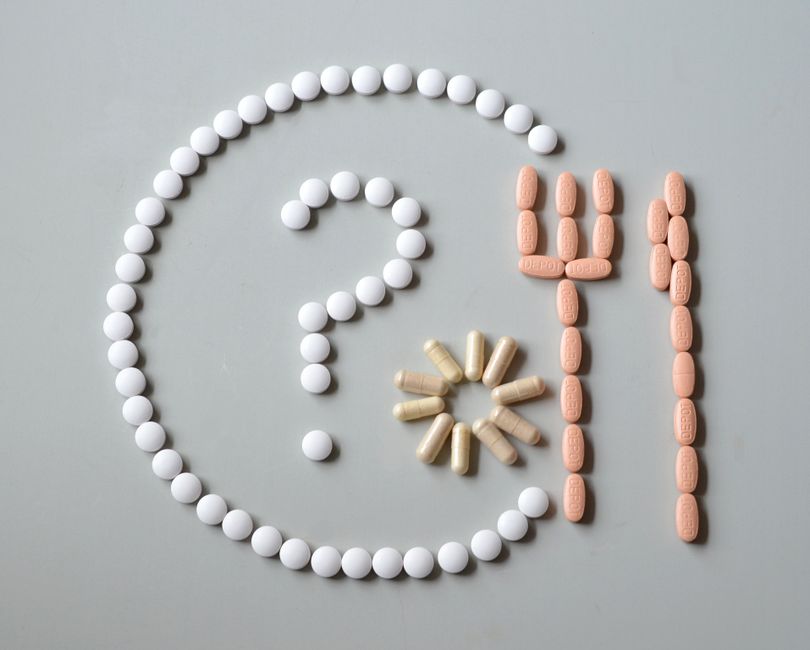
If you rely on a morning cup of coffee to function and you’ve just been prescribed oxycodone for pain, you’re probably wondering whether the two can mix safely. It’s a fair question. Oxycodone is a powerful opioid painkiller, and caffeine is the most widely used psychoactive substance in the world, so it makes sense to ask whether combining them causes trouble.
The short answer is that drinking coffee while taking oxycodone is generally considered low-risk for most healthy adults, but it isn’t quite as simple as that one sentence suggests. Caffeine can influence how your body responds to oxycodone in ways that matter, especially if you have heart problems, anxiety, high blood pressure, or trouble sleeping. In this article, we’ll break down exactly what happens when caffeine and oxycodone meet in your system, who should be more cautious, and how to enjoy your coffee without compromising your pain management plan.
Understanding How Oxycodone Works in the Body
Oxycodone is a semi-synthetic opioid prescribed for moderate to severe pain. It works by binding to opioid receptors in the brain and spinal cord, blocking pain signals and producing feelings of relaxation or euphoria in some people. It’s commonly prescribed after surgery, for injury-related pain, or for chronic conditions when other treatments haven’t worked well enough.
Because oxycodone depresses the central nervous system, it slows down several bodily functions. This includes breathing rate, heart rate, and digestive motility, which is why constipation and drowsiness are two of the most common side effects. If you want a deeper overview of how this medication is used for ongoing pain conditions, our guide on oxycodone for chronic pain benefits and risks covers this in detail.
Oxycodone is metabolized primarily by the liver enzyme CYP3A4, with a smaller contribution from CYP2D6. This matters because caffeine is also processed through liver enzymes, though a different one (CYP1A2). Understanding this distinction helps explain why the interaction between coffee and oxycodone is more about symptom overlap than direct enzyme competition.
Understanding How Caffeine Affects the Body
Caffeine is a stimulant. It blocks adenosine receptors in the brain, which is the mechanism that makes you feel more alert and less tired. It also increases heart rate slightly, raises blood pressure temporarily, and stimulates the release of adrenaline. For most healthy people, moderate caffeine intake, typically defined as 400 milligrams or less per day (roughly three to four 8-ounce cups of coffee), is considered safe according to the Mayo Clinic.
Caffeine also has a diuretic effect, meaning it increases urine output, which can contribute to mild dehydration if fluid intake isn’t managed alongside it. This becomes more relevant when you’re also taking a medication like oxycodone that already slows digestion and can worsen constipation.
So, Can You Drink Coffee While Taking Oxycodone?
Yes, in most cases, drinking coffee while taking oxycodone is not dangerous. There is no direct, well-documented pharmacological interaction between caffeine and oxycodone that causes a dangerous chemical reaction in the body. Unlike combining oxycodone with alcohol or certain sedatives, coffee doesn’t amplify the central nervous system depression that makes opioid overdose so dangerous.
In fact, some people find that caffeine helps offset the drowsiness and mental fog that oxycodone can cause. This is actually why caffeine is sometimes added to over-the-counter pain relievers, since it can slightly enhance the pain-relieving effect of certain analgesics and counteract sedation. However, this doesn’t mean coffee and oxycodone mix without any considerations at all. The interaction is less about danger and more about how caffeine can influence side effects, comfort, and how well the medication works for you personally.
How Caffeine Can Affect Oxycodone’s Side Effects
While coffee won’t cause a life-threatening reaction with oxycodone, it can influence several of the medication’s common side effects, sometimes for better, sometimes for worse. Understanding these nuances can help you decide how much coffee, if any, makes sense for your situation.
1. Constipation May Get Worse
Oxycodone is well known for slowing down the digestive tract, which is why constipation is one of the most frequently reported side effects of opioid use. Caffeine’s diuretic and stimulant properties create a mixed effect here. On one hand, caffeine can stimulate bowel activity in some people, which might seem helpful. On the other hand, if you’re not drinking enough water, the dehydrating effect of caffeine can make stools harder and constipation worse overall.
If you’re managing opioid-induced constipation, it’s important to drink plenty of water throughout the day, not just coffee, and to talk to your doctor about stool softeners or fiber supplements if needed.
2. Increased Heart Rate and Blood Pressure Fluctuations
Oxycodone itself can cause changes in heart rate and blood pressure, particularly a drop in blood pressure that leads to dizziness or lightheadedness, especially when standing up quickly. Caffeine, in contrast, tends to raise heart rate and blood pressure temporarily. In healthy individuals, these opposing effects are usually mild and not something to worry about. However, if you already have a heart condition or blood pressure issues, combining the two substances could create small but noticeable swings in how you feel. This is one reason it’s worth understanding how oxycodone affects blood pressure before adding regular caffeine intake into the mix.
3. Masking Sedation, Not Eliminating It
This is perhaps the most important nuance to understand. Coffee can make you feel more awake and alert, which might trick you into thinking the sedative effects of oxycodone have worn off or aren’t affecting you as much. In reality, your reaction time, coordination, and judgment may still be impaired even if you feel mentally sharper after a cup of coffee. This is particularly risky if you plan to drive, operate machinery, or make important decisions while on oxycodone. Feeling awake is not the same as being unimpaired.
4. Increased Anxiety or Jitteriness
Oxycodone can sometimes cause mood changes, and for some people, anxiety is one of them. Caffeine is a stimulant that can independently cause jitteriness, restlessness, and increased anxiety, particularly in higher doses or in people sensitive to it. When combined, some individuals report feeling unusually anxious, shaky, or on edge. If you notice this pattern, cutting back on caffeine while taking oxycodone may help you feel more balanced.
5. Disrupted Sleep Patterns
Oxycodone can cause drowsiness, but it can also interfere with normal sleep cycles, sometimes leading to lighter, less restorative sleep. Drinking coffee, especially in the afternoon or evening, can compound sleep problems by making it harder to fall asleep or stay asleep. Since quality sleep plays an important role in pain management and recovery, it may be worth limiting coffee intake to the morning hours if you’re taking oxycodone regularly.
Does Coffee Affect How Well Oxycodone Works?
There isn’t strong clinical evidence suggesting that caffeine significantly reduces or blocks the pain-relieving effects of oxycodone. Oxycodone works by binding to opioid receptors in the brain and spinal cord to reduce the perception of pain, a process that isn’t directly interfered with by caffeine metabolism. In fact, as mentioned earlier, caffeine is sometimes used deliberately alongside pain medications because it can enhance their effectiveness slightly, a concept supported by research published through the National Center for Biotechnology Information.
That said, everyone’s body responds differently. Some people report that caffeine helps them feel more functional and less foggy while on oxycodone, making it easier to get through the day. Others feel that caffeine makes them more aware of discomfort or restlessness, which can make pain feel more noticeable rather than less. Paying attention to your own patterns over a few days can help you figure out where you fall on that spectrum.
How Much Coffee Is Safe While Taking Oxycodone?
If your doctor hasn’t given you specific instructions to avoid caffeine, moderate coffee consumption is generally considered acceptable while taking oxycodone. Most health experts, including those at the Mayo Clinic, suggest staying within 400 milligrams of caffeine per day for healthy adults, which is roughly equivalent to three or four 8-ounce cups of coffee. However, when you’re taking oxycodone, it may be wise to aim lower, especially if you’re new to the medication or noticing side effects.
Here are some practical guidelines to consider:
- Start low. If you’re just beginning oxycodone treatment, consider limiting yourself to one cup of coffee in the morning to see how your body responds before increasing intake.
- Watch the clock. Avoid drinking coffee in the late afternoon or evening, since the combination of oxycodone’s sleep disruption and caffeine’s stimulating effects can make it much harder to get quality rest.
- Stay hydrated. For every cup of coffee, try to drink an equivalent amount of water to offset caffeine’s diuretic effect and help reduce the risk of constipation.
- Monitor your heart rate and mood. If you notice heart palpitations, unusual anxiety, or jitteriness after drinking coffee, scale back your intake or space it out more throughout the day.
- Avoid energy drinks and high-caffeine products. These often contain much more caffeine than a standard cup of coffee and may include other stimulants that could compound side effects.
When Coffee and Oxycodone Might Not Mix Well
While moderate coffee consumption is generally fine for most people taking oxycodone, there are specific situations where caution is especially important.
Existing Heart Conditions
If you have a diagnosed heart condition, arrhythmia, or uncontrolled high blood pressure, the stimulating effects of caffeine combined with oxycodone’s cardiovascular effects could create unwanted strain. In these cases, it’s worth discussing your caffeine habits directly with your prescribing doctor.
Anxiety Disorders
People who already struggle with anxiety or panic disorders may find that caffeine intensifies feelings of unease, and this can be compounded by any mood-related side effects from oxycodone. If you notice heightened anxiety, it may be worth reducing or eliminating caffeine altogether while on this medication.
Severe Constipation Issues
If you’re already dealing with significant opioid-induced constipation, adding caffeine without adjusting your water intake could make the problem worse. In this case, it’s less about avoiding coffee entirely and more about being deliberate with hydration and fiber intake alongside it.
Combining With Other Substances
The real danger with oxycodone comes from combining it with other central nervous system depressants, such as alcohol, benzodiazepines, or sleep aids. Coffee doesn’t create this same risk, but it’s worth remembering that masking sedation with caffeine while also using other depressants could create a false sense of alertness that increases risk. If you’re taking other medications alongside oxycodone, such as Benadryl or muscle relaxers like Flexeril, it’s especially important to understand how each substance interacts with your overall alertness and coordination, not just how caffeine factors in.
Tips for Managing Pain Medication and Daily Habits Together
Living with a prescription like oxycodone, whether for short-term acute pain or longer-term chronic pain management, often means making small adjustments to daily habits rather than eliminating them completely. Here are some broader tips that can help you strike a healthy balance.
Keep a Simple Symptom Journal
Jot down when you drink coffee, how much, and how you feel afterward in terms of pain relief, alertness, mood, and digestion. Over a week or two, patterns often become clear, helping you and your doctor make informed decisions about your routine.
Time Your Doses Thoughtfully
If you notice that coffee combined with oxycodone makes you feel jittery or uncomfortable, try adjusting the timing so the two aren’t consumed too close together. Spacing them out by an hour or two can sometimes reduce unwanted interactions in how you feel.
Prioritize Hydration
Since both oxycodone and caffeine can contribute to dehydration and constipation, make water a consistent part of your day. Carrying a water bottle and sipping throughout the day, rather than only when thirsty, can help offset these effects.
Don’t Rely on Caffeine to Mask Sedation
If you feel drowsy or foggy from oxycodone, treat that as a genuine signal to rest rather than reaching for coffee to push through it. Driving or performing tasks that require full alertness should be avoided if you feel impaired, regardless of how much caffeine you’ve had.
Talk to Your Doctor About Your Habits
Many patients hesitate to mention something as routine as coffee drinking to their doctor, assuming it’s not medically relevant. In reality, your prescribing physician wants a full picture of your daily habits, including caffeine, to give you the safest and most personalized advice. This is especially true if you’re also taking other medications, since interactions can compound. For a broader look at how oxycodone interacts with other common substances and medications, the Complete Oxycodone Resource Center offers a helpful overview.
What About Decaf or Other Caffeinated Beverages?
If you’re concerned about caffeine’s effects but still want the comfort and ritual of a warm drink, decaf coffee is a reasonable alternative. Decaf typically contains a small amount of residual caffeine, usually less than 5 milligrams per cup, which is unlikely to cause any noticeable interaction with oxycodone.
Other caffeinated beverages like tea, soda, and energy drinks should be considered as well when calculating your total daily caffeine intake. Tea generally contains less caffeine than coffee, making it a gentler option if you’re trying to reduce your overall intake without cutting it out completely. Energy drinks, on the other hand, often contain very high concentrations of caffeine plus additional stimulants, and these are best avoided or used with extra caution while taking oxycodone.
Frequently Asked Questions
Can drinking coffee reduce how well oxycodone controls my pain?
There’s no strong evidence that coffee reduces oxycodone’s pain-relieving effects. In fact, some research suggests caffeine may slightly enhance the effectiveness of pain relievers. However, individual responses vary, so it’s worth paying attention to your own experience.
Is it safe to drink coffee right after taking oxycodone?
Generally, yes, there’s no need to space out coffee and oxycodone by a specific amount of time for safety reasons. That said, some people prefer to wait an hour or so to avoid feeling jittery or overly stimulated, especially if they’re sensitive to caffeine.
Will coffee help with the drowsiness oxycodone causes?
Coffee can help you feel more alert and less foggy, but it doesn’t eliminate the underlying sedative effects of oxycodone. You may still be impaired in terms of coordination and reaction time even if you feel more awake after caffeine.
Can too much coffee make oxycodone side effects worse?
Yes, excessive caffeine intake can worsen dehydration, constipation, anxiety, and heart palpitations, all of which can overlap with or intensify oxycodone’s side effects. Sticking to moderate caffeine intake is the safer approach.
Should I avoid coffee entirely while taking oxycodone for chronic pain?
Not necessarily. Many people managing chronic pain with oxycodone continue to drink coffee without issue. The key is moderation, staying hydrated, and paying attention to how your body responds over time.
Final Thoughts
Drinking coffee while taking oxycodone is generally considered safe for most people when done in moderation. There’s no dangerous chemical interaction between caffeine and oxycodone the way there is with alcohol or other sedatives, but that doesn’t mean the combination is entirely without nuance. Caffeine can influence side effects like constipation, heart rate, anxiety, and sleep quality, and it can mask sedation without actually resolving the impairment oxycodone causes. Paying attention to how your body responds, staying hydrated, timing your coffee intake thoughtfully, and being honest with your doctor about your daily habits are the best ways to enjoy your morning cup without compromising your safety or your pain management plan. As always, if you have underlying health conditions or are taking multiple medications, a quick conversation with your doctor or pharmacist can give you personalized peace of mind.