Health Tips
Can You Drink Coffee With Oxycodone? What You Need to Know

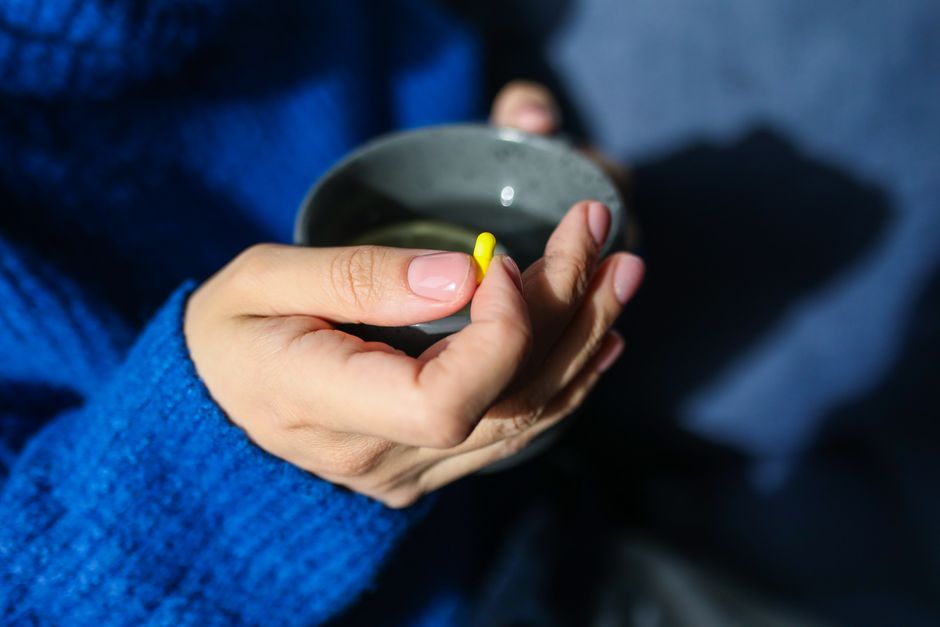
If you rely on a morning cup of coffee to function and you have just started taking oxycodone for pain, you are probably wondering whether the two can safely mix. It is a fair question. Millions of people drink coffee every day, and just as many take opioid painkillers after surgery, an injury, or for chronic pain management.
The short answer is that drinking coffee with oxycodone is generally considered low risk for most healthy adults, but that does not mean it is risk-free. Caffeine and oxycodone affect your body in different ways, and combining them can intensify certain side effects, mask warning signs of sedation, or disrupt your sleep and digestion. In this article, you will learn exactly how coffee interacts with oxycodone, what symptoms to watch for, how much caffeine is considered safe, and practical tips to protect yourself while still enjoying your coffee habit.
How Oxycodone Works in Your Body
Oxycodone is a semi-synthetic opioid that binds to opioid receptors in the brain and spinal cord to block pain signals. It is prescribed for moderate to severe pain, often after surgery, dental procedures, injuries, or for cancer-related pain. Depending on the formulation, it comes as an immediate-release tablet that works quickly for short-term relief, or an extended-release version designed to provide steady pain control over 12 hours.
Common side effects of oxycodone include drowsiness, constipation, nausea, slowed breathing, and dizziness. Because it depresses the central nervous system, oxycodone can make you feel sluggish, foggy, or sedated, especially when you first start taking it or when your dose is increased. If you are unsure which version you were prescribed, our guide on immediate-release vs extended-release oxycodone breaks down the differences in more detail.
How Caffeine Affects Your Body
Caffeine is a stimulant that works in almost the opposite way. It blocks adenosine receptors in the brain, which reduces feelings of tiredness and increases alertness. It also raises heart rate slightly, stimulates the digestive system, and can act as a mild diuretic in some people.
A typical 8-ounce cup of brewed coffee contains around 95 milligrams of caffeine, though this can vary widely depending on the roast, brewing method, and brand. Espresso shots, energy drinks, and some teas also contain meaningful amounts of caffeine that add up quickly if you are not tracking your intake.
Can You Drink Coffee With Oxycodone?
Yes, most people can drink coffee with oxycodone without a dangerous interaction. There is no direct pharmacological conflict between caffeine and oxycodone the way there is with alcohol or certain sedatives. In fact, some research has explored caffeine as an adjunct to opioid pain relief because it may enhance the pain-relieving effect of certain analgesics.
That said, the interaction is not entirely neutral. Because caffeine is a stimulant and oxycodone is a depressant, drinking coffee while on oxycodone can create a push-and-pull effect in your body. Some people feel like the coffee masks the sedation from oxycodone, making them feel more alert than they actually are, which can be misleading when it comes to judging whether it is safe to drive or operate machinery.
Why the Combination Feels Different for Everyone
Your response to combining coffee and oxycodone depends on several personal factors, including:
- Your regular caffeine tolerance
- The oxycodone dose and how long you have been taking it
- Whether you are taking other medications at the same time
- Your age, liver function, and overall health
- Whether you have taken the medication on an empty or full stomach
Someone who drinks coffee daily and has built a tolerance to caffeine may barely notice the stimulant effect, while someone who rarely drinks coffee might feel jittery, anxious, or have a racing heart when combining it with oxycodone.
Potential Risks of Mixing Coffee and Oxycodone
While the combination is not considered dangerous for most people, there are a few specific risks worth understanding before you reach for your next cup.
1. Masking Sedation and Impaired Judgment
One of the more concerning aspects of mixing caffeine with oxycodone is that the caffeine can trick you into feeling more awake and capable than you really are. Oxycodone still slows your reaction time and impairs coordination even if caffeine makes you feel alert. This false sense of alertness can be risky if you plan to drive, use machinery, or make important decisions.
2. Increased Heart Rate and Anxiety
Caffeine naturally raises heart rate and can trigger feelings of anxiety or jitteriness, especially in higher doses. Oxycodone, on its own, does not typically cause anxiety, but some people report feeling uneasy or restless while on opioids. Combining a stimulant with an opioid can sometimes amplify these uncomfortable sensations, particularly if you consume more than 400 milligrams of caffeine per day (roughly four 8-ounce cups of coffee).
3. Digestive Disruption
Oxycodone is well known for causing constipation because it slows down gut motility. Coffee, on the other hand, is a natural stimulant for the digestive tract and can trigger bowel movements. In some people, this combination causes an unpredictable digestive experience: constipation from the opioid offset temporarily by a jolt from caffeine, followed by discomfort, cramping, or urgency.
4. Dehydration
Caffeine has a mild diuretic effect, which means it can increase urination and contribute to dehydration if you are not drinking enough water. Dehydration can worsen constipation caused by oxycodone and may also intensify feelings of dizziness or lightheadedness, which are already possible side effects of the medication.
5. Sleep Disruption
If you take oxycodone at night for pain relief, drinking coffee too close to bedtime can interfere with your ability to fall asleep, even though the opioid itself is sedating. Poor sleep can, in turn, make pain feel worse the next day and create a frustrating cycle. If nighttime dosing is part of your routine, it is worth reading our article on whether you should take oxycodone at night for more guidance.
How Much Caffeine Is Considered Safe?
According to health authorities, most healthy adults can safely consume up to 400 milligrams of caffeine per day, which is roughly equivalent to four 8-ounce cups of brewed coffee. However, if you are taking oxycodone, it is wise to stay on the lower end of that range, especially in the first few days of starting the medication when side effects tend to be strongest.
The Mayo Clinic notes that caffeine sensitivity varies significantly from person to person, and factors like body weight, medication use, and overall health can all influence how caffeine affects you. If you notice your heart racing, feel unusually anxious, or experience stomach upset after your usual coffee while on oxycodone, it may be worth cutting back your intake temporarily.
Tips for Managing Caffeine Intake While on Oxycodone
- Stick to one or two cups of coffee per day rather than several
- Avoid energy drinks, which often combine high caffeine with other stimulants
- Space your coffee out from your oxycodone dose by at least an hour if you notice jitteriness
- Drink plenty of water throughout the day to offset caffeine’s diuretic effect
- Avoid coffee within four to six hours of bedtime if you take oxycodone at night
- Pay attention to how your body responds during the first week of a new dose
Does Coffee Affect How Well Oxycodone Works?
There is some evidence that caffeine may actually enhance the pain-relieving effects of certain analgesics. This is why you will find caffeine listed as an ingredient in some over-the-counter pain relief combination products. However, this effect has been studied more extensively with non-opioid pain medications rather than with oxycodone specifically, so you should not rely on coffee to boost your pain relief or reduce your prescribed dose.
Caffeine does not appear to significantly interfere with how oxycodone is metabolized in the liver, so it is unlikely to reduce the medication’s effectiveness. Still, if you feel like your pain control is inconsistent, that is a conversation to have with your doctor rather than something to try to manage through caffeine intake.
What About Decaf, Tea, or Other Caffeinated Drinks?
If you are concerned about the stimulant effect of coffee but do not want to give up the ritual, decaffeinated coffee is a reasonable alternative. It still contains trace amounts of caffeine, typically 2 to 15 milligrams per cup, which is unlikely to cause any noticeable interaction with oxycodone.
Tea, including black, green, and matcha varieties, contains caffeine as well, though usually less than coffee. Herbal teas without caffeine, such as chamomile or peppermint, are generally safe and may even help soothe digestive discomfort caused by oxycodone.
Energy drinks and pre-workout supplements deserve extra caution. These products often contain much higher caffeine doses than a standard cup of coffee, sometimes combined with other stimulants like taurine or guarana, which could intensify jitteriness, anxiety, or heart palpitations when combined with oxycodone.
Other Substances and Factors to Consider
Coffee is just one piece of the puzzle when it comes to using oxycodone safely. Other lifestyle factors can have a much bigger impact on your safety and comfort while taking this medication.
Alcohol
Unlike caffeine, alcohol is a genuine concern when combined with oxycodone. Both substances depress the central nervous system, and combining them significantly increases the risk of severe sedation, slowed breathing, and overdose. This combination should be avoided entirely.
Food and Fasting
What you eat, and when, can influence how oxycodone affects you and how comfortable you feel while taking it. If you are considering fasting for religious or health reasons while on this medication, it is worth reading our guides on fasting while taking oxycodone and managing oxycodone during Ramadan for practical strategies.
Vitamins and Supplements
Some vitamins and supplements can interact with oxycodone or affect how your body processes it. If you take daily supplements, our article on taking vitamins with oxycodone covers what is generally safe and what to avoid.
Other Pain Relievers
Many people combine oxycodone with acetaminophen for more comprehensive pain relief. If you are doing this, or considering it, review our detailed guides on taking acetaminophen with oxycodone and taking Tylenol with oxycodone to understand safe dosing limits.
Special Considerations for Older Adults
Older adults often metabolize both caffeine and opioids more slowly than younger people, which can increase sensitivity to side effects from both substances. If you are caring for an elderly parent or relative taking oxycodone, it is worth reviewing broader safety practices in our guide on oxycodone safety tips for seniors, which covers fall risk, medication timing, and monitoring for side effects.
When to Talk to Your Doctor or Pharmacist
While coffee and oxycodone are generally safe to combine, there are certain situations where you should check with your healthcare provider before continuing your usual coffee habit:
- You have a heart condition, arrhythmia, or high blood pressure
- You experience anxiety, panic attacks, or a diagnosed anxiety disorder
- You are taking other medications that also interact with caffeine, such as certain antidepressants or stimulants
- You notice new or worsening symptoms like heart palpitations, tremors, or severe insomnia
- You are taking a high dose of oxycodone or have recently increased your dose
Your pharmacist is also a valuable resource. They can review your full medication list and flag any specific caffeine-related interactions based on your personal health history. The Drugs.com interaction checker is a useful tool for getting a general sense of how substances interact, though it should not replace personalized medical advice.
Signs You Should Cut Back on Coffee While Taking Oxycodone
Pay attention to how your body responds after drinking coffee while on oxycodone. Consider reducing your intake if you notice:
- A racing or pounding heartbeat
- Increased anxiety or restlessness
- Difficulty falling asleep even when tired
- Stomach cramping, urgency, or digestive discomfort
- Headaches that seem to worsen rather than improve
- Feeling shaky or jittery beyond your normal caffeine response
These symptoms do not necessarily mean something is seriously wrong, but they are a sign that your current caffeine intake may not be a good match for your body while you are on this medication.
Final Thoughts
Drinking coffee with oxycodone is generally safe for most people when done in moderation. There is no dangerous drug interaction between caffeine and oxycodone the way there is with alcohol or other sedatives, but the stimulant effect of caffeine can mask sedation, worsen anxiety, disrupt sleep, and interact unpredictably with the digestive slowdown caused by opioids. Staying mindful of how much caffeine you consume, spacing it appropriately from your medication, and listening to your body’s signals will help you enjoy your coffee without compromising your safety or comfort. As always, if you have underlying health conditions or take other medications, a quick conversation with your doctor or pharmacist is the safest way to get personalized advice.
Frequently Asked Questions
Can I drink coffee right after taking oxycodone?
Yes, there is no need to wait a specific amount of time between taking oxycodone and drinking coffee. Most people can drink coffee immediately before, during, or after taking their dose without a dangerous interaction, though some may prefer to space it out if they notice jitteriness or an upset stomach.
Does coffee reduce the effectiveness of oxycodone?
No, current evidence does not suggest that caffeine significantly reduces how well oxycodone works. Some studies even suggest caffeine may slightly enhance certain pain relievers, though this has not been extensively studied with oxycodone specifically.
Can coffee help counteract the drowsiness from oxycodone?
Coffee can make you feel more alert, but it does not reverse the actual sedative or respiratory-depressing effects of oxycodone. This creates a risk of feeling awake while still being impaired, so you should not rely on coffee to feel safe to drive or operate machinery while on this medication.
Is decaf coffee a safer option while taking oxycodone?
Decaf coffee contains only trace amounts of caffeine and is unlikely to cause any noticeable interaction with oxycodone. It can be a good option if you enjoy the taste and ritual of coffee but want to minimize stimulant effects.
How much coffee is too much while taking oxycodone?
There is no universal cutoff, but staying within the general guideline of 400 milligrams of caffeine per day, roughly four 8-ounce cups, is a reasonable starting point. If you notice anxiety, heart palpitations, or digestive upset, reducing your intake to one or two cups per day is a safer approach.