Health Tips
Traveling With Oxycodone: What You Should Know

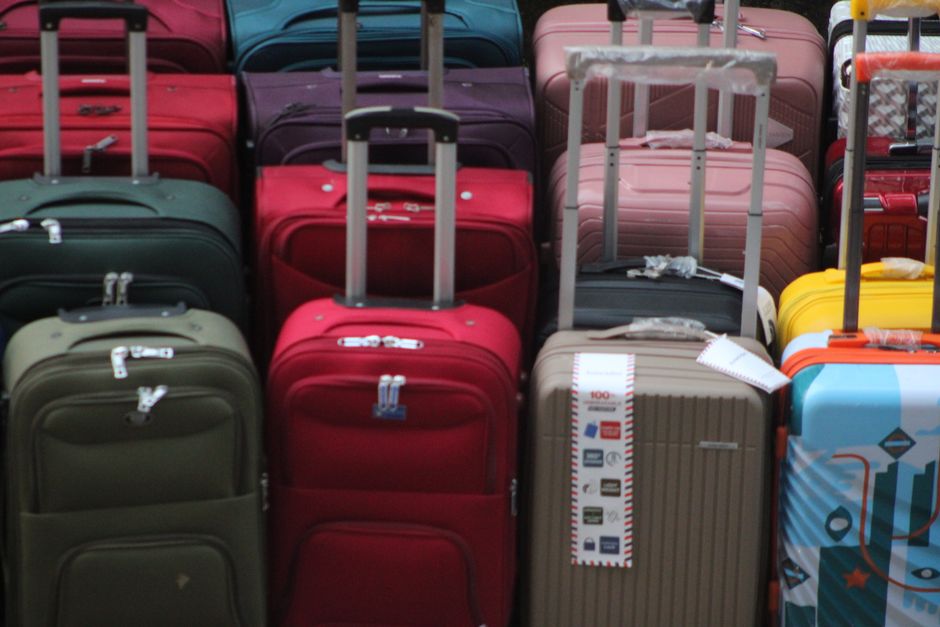
Planning a trip while managing chronic pain or recovering from surgery adds a layer of complexity that healthy travelers never have to think about. If you take a prescription opioid like oxycodone, traveling with oxycodone means juggling airport security, customs regulations, time zone changes, and your own comfort, all at once. Get it wrong and you could face anything from an awkward conversation at a security checkpoint to a serious legal problem in another country.
This guide walks through everything you need to know before you pack your bag: the legal rules for domestic and international travel, how to document your prescription, packing and storage tips, air travel specifics, and what to do if something goes wrong on the road. Whether you are flying across the country for a family event or crossing borders for work, a little preparation goes a long way toward keeping your trip safe and your medication legal.
Why Traveling With Oxycodone Requires Extra Planning
Oxycodone is a Schedule II controlled substance in the United States, which puts it in the same legal category as other opioids with high potential for misuse and dependence. That classification matters when you travel because it changes how airlines, TSA agents, pharmacists, and foreign governments treat your medication compared with something like an antibiotic or blood pressure pill.
Unlike over-the-counter drugs, oxycodone cannot simply be tossed into a suitcase without a second thought. You need proof it is legitimately yours, a plan for how much to bring, and an understanding of how different countries and even different U.S. states might view your prescription. As a result, travelers who take oxycodone regularly for chronic pain, post-surgical recovery, or cancer-related pain should build medication logistics into their trip planning from day one, not as an afterthought the night before departure.
If you are new to this medication in general, it also helps to understand its basic effects and warnings before you ever leave home. The oxycodone black box warnings cover serious risks like respiratory depression and dependence, and knowing them helps you make smarter decisions about dosing, timing, and mixing with other substances while you are away from your usual routine.
Know the Law Before You Pack: Domestic vs International Travel
The legal landscape for traveling with oxycodone looks very different depending on whether you are staying within the United States or crossing an international border. Confusing the two can lead to real trouble, so it is worth separating them clearly.
Traveling Within the U.S.
Generally speaking, you can travel domestically with oxycodone as long as it is prescribed to you and kept in a way that clearly shows it belongs to you. The Transportation Security Administration allows passengers to bring prescription medications, including controlled substances, in carry-on or checked luggage. However, TSA agents are not law enforcement and do not verify prescriptions themselves; they are mainly screening for security threats, not policing drug possession.
That said, some states have their own quirks. A handful of states have laws requiring medications to be in their original prescription-labeled container, and local law enforcement in any state could ask questions if they find loose pills without labeling during an unrelated stop or search. Keeping medication in its original bottle avoids this problem entirely.
International Travel and Customs
International travel is where things get genuinely risky. Oxycodone and other opioids are controlled substances in nearly every country, but the specific rules about importing personal-use quantities vary enormously. Some countries allow a reasonable personal supply with proper documentation. Others have zero-tolerance policies where possessing any amount of a controlled opioid without pre-approved authorization can result in confiscation, fines, or even criminal charges.
Countries in the Middle East and parts of Asia are particularly strict. The United Arab Emirates, for example, has historically prosecuted travelers for carrying prescription opioids and other controlled medications that were legally prescribed in their home country. Japan also has notably tight restrictions on certain narcotic medications, including some opioids, and requires advance permits (called Yakkan Shoumei) before any narcotic medication, including many opioids, can be brought into the country, even for a few days of personal use. Travelers who arrive without this paperwork have had medications confiscated at the border, and in some documented cases, faced further legal scrutiny. The lesson here is simple: never assume that a valid U.S. prescription will be recognized or respected once you cross an international border.
Europe tends to be more forgiving for short trips, especially within the Schengen Area, but individual countries still have their own thresholds and documentation requirements. Some require a doctor’s letter translated into the local language. Others ask for a specific customs declaration form to be filled out in advance. Canada and most of Western Europe generally allow a 30-day supply of a controlled substance like oxycodone for personal use with proper documentation, but it is always worth confirming directly with the embassy or consulate of your destination country before you travel, since policies do change and enforcement can vary by point of entry.
How to Prepare the Right Documentation
Before you even think about packing your suitcase, the most important step in traveling with oxycodone is gathering the right paperwork. This is not optional if you want to avoid unnecessary stress at security checkpoints or border crossings.
What to Bring With You
- A copy of your prescription. Ask your pharmacy for a printed copy that clearly shows your name, the medication name, dosage, and prescribing physician.
- A letter from your prescribing doctor. This letter should state your diagnosis in general terms, confirm that oxycodone has been prescribed for legitimate medical treatment, and include the doctor’s contact information in case verification is needed.
- Pharmacy contact information. Having the phone number and address of the pharmacy that filled your prescription can help resolve questions quickly if they arise.
- Insurance or medical records, if relevant. Some travelers also bring a brief medical summary, particularly if they are dealing with a condition like chronic pain that requires ongoing opioid management.
For international trips, it is wise to have these documents translated into the language of your destination country, or at minimum, written in clear, simple English with medical terminology that a non-native speaker could look up if needed. Some travelers also request an apostille or notarized copy of their doctor’s letter for countries with stricter import rules.
Contacting Embassies and Consulates
Every country publishes its own rules about bringing controlled substances across its borders, but these rules are not always easy to find through a general search. The most reliable method is to contact the embassy or consulate of your destination country directly. Explain that you have a legal prescription for a controlled substance and ask what documentation, permits, or quantity limits apply. Many embassies have a dedicated visa or customs department that handles these inquiries and can provide written guidance, which you should print and carry with you.
It is also worth checking the website of the International Association for Medical Assistance to Travelers, which maintains general guidance on traveling with medications and can point you toward country-specific resources. While it does not replace direct confirmation from an embassy, it is a useful starting point for understanding what kind of questions to ask.
Packing Oxycodone the Right Way
Once you have your documentation sorted out, the next step is packing your medication properly. This matters both for legal reasons and for practical ones, since lost or damaged medication can derail an entire trip if you are managing pain that requires consistent treatment.
Keep It in the Original Container
This point cannot be overstated. Always keep oxycodone in its original pharmacy-labeled bottle, complete with the label showing your name, the prescribing doctor, the dosage, and the pharmacy information. Transferring pills into a weekly pill organizer or a smaller travel container might seem convenient, but it removes the exact evidence that proves the medication is legitimately yours. If security or customs officials ever have questions, an unlabeled container of pills raises far more suspicion than a properly labeled prescription bottle.
Carry-On vs. Checked Luggage
Whenever possible, pack oxycodone and other essential medications in your carry-on bag rather than checked luggage. Checked bags can be lost, delayed, or rerouted, and being separated from a medication that manages pain or supports post-surgical recovery is a serious problem, not just an inconvenience. Keeping medication in carry-on luggage also means it stays with you at all times, reducing the risk of theft or tampering.
If you are recovering from a procedure and referencing guidance like the advice found in oxycodone after surgery recovery guides, this becomes even more important, since interrupted pain management during recovery can slow healing and increase discomfort unnecessarily.
Bring Only What You Need
It can be tempting to pack extra medication “just in case,” but carrying significantly more than a reasonable supply for your trip length can draw unwanted attention and may exceed legal quantity limits in certain states or countries. A general rule of thumb is to bring enough for the duration of your trip plus a few extra days as a buffer for unexpected delays, but not a bulk supply that looks disproportionate to your travel dates.
Navigating Airport Security and TSA Screening
Airport security is usually the least dramatic part of traveling with oxycodone, but a little preparation goes a long way toward keeping things smooth.
What to Expect at the Checkpoint
When you reach the TSA checkpoint, you do not need to proactively announce that you are carrying prescription medication unless you are transporting liquid formulations or medical equipment that requires special screening. Pills in a labeled prescription bottle can go through the X-ray machine in your carry-on bag without issue in the vast majority of cases. If a TSA officer does ask about the medication, simply explain that it is a prescribed pain medication and show the labeled bottle. There is generally no need to produce your doctor’s letter unless specifically requested, though having it available in your bag is a smart precaution.
Liquid Oxycodone and TSA’s 3-1-1 Rule
If your prescription is for liquid oxycodone rather than tablets, different rules apply. TSA allows medically necessary liquids in quantities greater than the standard 3.4-ounce limit that applies to other carry-on liquids, but you should declare this at the checkpoint so it can be screened separately. Officers may test the liquid using specialized equipment, and this process is typically quick and routine.
International Airport Security
Security screening standards vary by country, and some airports have additional layers of scrutiny for medications, particularly opioids. If you are departing from or arriving in a country known for strict narcotic laws, expect the possibility of additional questioning, and be ready to present your documentation calmly and clearly. Staying polite, patient, and cooperative during these interactions goes a long way, since security personnel are generally just doing their job and are not looking to create problems for travelers with legitimate medical needs.
Managing Dosing Schedules Across Time Zones
One challenge that often gets overlooked in discussions about traveling with oxycodone is how to handle dosing schedules when you cross multiple time zones. This is a practical, day-to-day concern that matters just as much as legal compliance.
Adjusting Gradually
For short trips involving only a one or two hour time difference, most people can simply take their next dose at the scheduled time according to the new local clock without much disruption. For longer trips involving significant time zone shifts, such as flying from the West Coast of the United States to Europe or Asia, it often makes sense to gradually shift dosing times over a day or two before departure, rather than making an abrupt change on arrival.
Talk to Your Doctor Before You Go
Because oxycodone dosing is often tied closely to pain control and, in some cases, to preventing withdrawal symptoms between doses, it is worth discussing your itinerary with your prescribing doctor ahead of time. They can help you build a modified schedule that keeps your pain managed appropriately while minimizing the risk of taking doses too close together or letting too much time pass between them. This is especially important for anyone who has previously dealt with the discomfort described in resources about the oxycodone withdrawal timeline, since missed or delayed doses can sometimes trigger early withdrawal symptoms in people who have been on the medication for an extended period.
Using Phone Alarms and Reminders
Travel days are chaotic, and it is easy to lose track of time when you are juggling flights, layovers, and new environments. Setting phone alarms labeled clearly with dosing times, and adjusting them as you cross time zones, is a simple but effective way to stay on schedule without having to do mental math at every stop.
What to Do If You Run Out or Need a Refill While Traveling
Even with careful planning, travel plans change. Flights get delayed, trips get extended, and sometimes people simply miscalculate how many days they will be away. Knowing your options in advance can prevent a stressful situation from becoming a genuine health crisis.
Domestic Travel Refill Options
If you are traveling within the United States and need a refill, your best first step is calling your regular pharmacy to see if your prescription can be transferred to a location near your destination. Because oxycodone is a Schedule II controlled substance, transfers are more restrictive than they are for regular medications, and not all pharmacies will accommodate them. In many cases, the more realistic path is contacting your prescribing doctor’s office to see if they can send a new prescription to a local pharmacy near where you are staying, though this often requires establishing that you have a legitimate ongoing need and may involve some delay.
International Refill Challenges
Refilling a controlled substance prescription while abroad is far more complicated, and in many countries, essentially unavailable to travelers without an established local doctor-patient relationship. This is precisely why bringing a sufficient supply, with a reasonable buffer, is so important for international trips. If you anticipate any possibility of an extended stay, it is worth discussing a slightly larger supply with your doctor before departure, along with documentation explaining why the extra quantity is medically justified.
When Pain Becomes Unmanageable
If you find yourself without medication and in significant pain while traveling, seek local medical care rather than trying to source oxycodone informally, which carries both legal risk and safety risk, since medications obtained outside a proper pharmacy supply chain cannot be verified for authenticity or dosage. A local clinic or hospital can assess your situation and may be able to provide a bridging solution, even if it involves a different pain medication temporarily.
Storing Oxycodone Safely on the Road
Security is not just about airports and borders. It also means protecting your medication from loss, theft, and misuse while you are away from home.
Hotel Rooms and Shared Accommodations
Hotel safes are a reasonable option for storing medication when you are not carrying it with you, though it is generally better to keep essential doses on your person rather than locked away, particularly if you need to take medication at a specific time. In shared accommodations, such as hostels or vacation rentals with multiple guests, extra caution is warranted, since prescription opioids are a target for theft in shared living situations.
Avoid Leaving Medication in Vehicles
Rental cars and parked vehicles are not secure storage locations, especially in warmer climates where heat can also affect medication stability. Leaving oxycodone visible in a car, even briefly, increases the risk of break-ins targeting the vehicle specifically because of what might be inside.
Traveling With Family or Children
If you are traveling with children or other family members, make sure medication is stored in a way that keeps it completely out of reach, even during the busy, disorganized moments of travel days when bags get left open on hotel beds or hallway floors. A locked pouch inside your carry-on bag adds an extra layer of protection during these vulnerable moments.
Special Considerations for Cruises and Road Trips
Not all travel involves airports and international borders, and different types of trips come with their own specific considerations.
Cruise Ships
Cruise lines generally allow passengers to bring necessary prescription medications on board, but many have policies requiring medications to be declared, particularly controlled substances, and some ships have onboard medical staff who prefer to be informed about passengers carrying opioids in case of a medical situation during the voyage. Because cruises often visit multiple countries, each with different import rules, it is worth checking with the cruise line directly about their specific medication policy before departure, since ports of call may have their own customs checks even for passengers who are not disembarking with a large amount of luggage.
Road Trips Across State Lines
For road trips within the United States, the primary concern is less about legality, since your prescription remains valid across state lines, and more about being pulled over or stopped for unrelated reasons. Keeping medication in its original container in an easily accessible but not overly visible location, such as a bag rather than a car’s center console, is a reasonable practice. If you are stopped by law enforcement for any reason, having your prescription information readily available avoids unnecessary complications.
Traveling for Medical Reasons or Ongoing Treatment
Some trips are not vacations at all, but medical travel, whether for a second opinion, a planned surgery in another city, or ongoing pain management consultations. These trips come with their own layer of complexity, since the traveler may be actively adjusting medication, recovering from a recent procedure, or managing a condition that fluctuates significantly.
For anyone traveling shortly after a procedure that involved oxycodone for pain control, it is worth reviewing guidance on what to expect during that recovery window, since travel itself, including sitting for long periods on flights or car rides, can affect healing and comfort levels. Combining unfamiliar environments with an active recovery process means it is especially important to stick closely to prescribed dosing and avoid skipping doses to “push through” travel days, which can backfire and worsen pain control later.
If you have noticed that your usual dose does not seem to be managing pain as effectively as it once did, it is worth addressing this with your doctor before a trip rather than during one, since travel is not the ideal time to be adjusting a medication regimen. Resources discussing why oxycodone may stop working as effectively over time can help you understand whether tolerance, timing, or another factor might be at play, so you can have a more productive conversation with your provider well before departure.
Diet, Hydration, and Comfort While Traveling on Oxycodone
Travel already tends to disrupt normal eating and hydration patterns, and oxycodone’s common side effects, including constipation, nausea, and drowsiness, can be intensified by the irregular meals, dehydration, and long periods of sitting that come with flights and road trips.
Staying Hydrated
Airplane cabins in particular have notoriously low humidity, which can worsen dehydration. Since dehydration can worsen constipation, a side effect already strongly associated with opioid use, drinking water consistently throughout your travel day is a simple but meaningful way to reduce discomfort.
Food Choices on Travel Days
Certain foods and beverages can interact with oxycodone or worsen its side effects, and travel days often involve less control over food options than usual, whether that means airport food courts, gas station snacks, or unfamiliar cuisine abroad. Reviewing a guide on foods to avoid while taking oxycodone before you leave can help you make better choices on the fly, particularly around alcohol, which should always be avoided while taking opioid pain medication, and grapefruit products, which can affect how the body processes certain medications.
Movement During Long Flights or Drives
Because oxycodone can cause drowsiness and reduced alertness, combined with the immobility of long flights or drives, getting up periodically to walk and stretch is important both for circulation and for reducing the grogginess that can accompany opioid use during travel.
When Not to Travel on Oxycodone
There are situations where postponing travel, or at least having a serious conversation with your doctor first, makes sense. If you have recently started oxycodone or recently had a dose change, your body may still be adjusting, and side effects like dizziness or sedation may be unpredictable. Similarly, if you are experiencing side effects that are not yet well controlled, adding the stress and unpredictability of travel, including irregular sleep, meals, and physical exertion like carrying luggage, can make an already difficult adjustment period harder.
If you are driving yourself rather than flying, it is worth being especially cautious, since oxycodone can impair reaction time and alertness even at prescribed doses, and this effect can be more pronounced when combined with unfamiliar roads or long stretches behind the wheel. Reviewing broader guidance on how oxycodone affects physical activity and alertness, such as the considerations discussed for exercising while taking oxycodone, can offer useful insight into how the medication affects coordination and stamina, which applies just as much to a long day of travel as it does to a workout.
Frequently Asked Questions
Can I bring oxycodone in my carry-on bag on a domestic flight?
Yes. Domestic air travel within the United States generally allows prescription oxycodone in carry-on luggage as long as it is in its original, pharmacy-labeled container. TSA officers are focused on security screening rather than verifying prescriptions, but keeping documentation on hand is still a smart precaution.
Do I need a doctor’s letter to travel internationally with oxycodone?
In many cases, yes, or at least it is strongly recommended. Some countries legally require documentation, while others simply make the process smoother if questions arise at customs. Contacting the embassy or consulate of your destination before you travel is the most reliable way to know exactly what is required.
What happens if TSA finds oxycodone without a label?
Unlabeled pills can raise questions and may result in additional screening or a conversation with a TSA officer or law enforcement, since there is no immediate way to confirm the medication is legitimately prescribed. This is why keeping medication in its original prescription bottle is so important, even if it takes up a little more space in your bag.
Can hotel staff or airport security confiscate my oxycodone?
Airport security in the United States is not authorized to confiscate legally prescribed medication carried in its proper container, though international customs officials in certain countries have the authority to confiscate controlled substances that do not meet their import requirements, even if they are legally prescribed elsewhere.
Is it safe to adjust my oxycodone schedule for a long flight?
Minor adjustments, such as shifting dose timing gradually for time zone changes, are generally fine, but any significant change to your dosing schedule should be discussed with your prescribing doctor beforehand rather than decided on your own mid-trip.
Final Thoughts
Traveling with oxycodone does not have to be a source of constant anxiety, but it does require a level of preparation that goes beyond simply tossing a pill bottle into your suitcase. Keeping medication in its original container, carrying supporting documentation, understanding the specific rules of your destination, and planning realistically for dosing schedules and potential delays all work together to make your trip smoother and safer. The goal is straightforward: manage your pain effectively while avoiding unnecessary legal complications or health risks along the way.
If you take the time to research your destination’s rules, talk openly with your prescribing doctor about your travel plans, and pack thoughtfully, there is no reason a legitimate medical need should keep you from traveling confidently. For a broader overview of the essentials covered here, the companion guide on traveling with oxycodone before you go offers additional preparation checklists worth reviewing alongside this article.