Health Tips
Traveling with Hydrocodone: What You Need to Know Before You Go

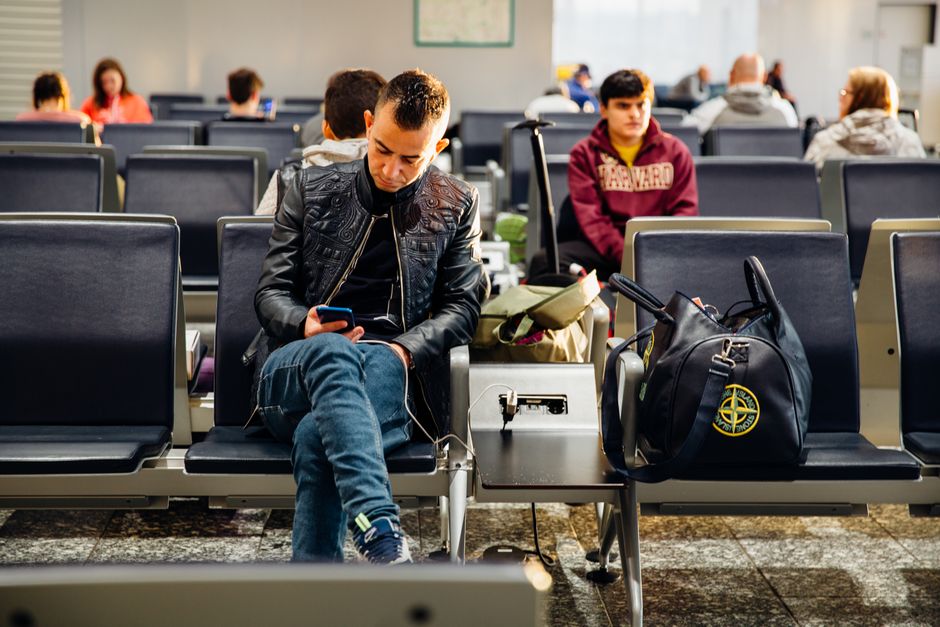
Packing for a trip gets a lot more complicated when a controlled substance like hydrocodone is part of your daily routine. Whether you’re flying across the country, driving through several states, or heading overseas, traveling with hydrocodone requires more planning than tossing a pill bottle into your carry-on. Because hydrocodone is a Schedule II controlled substance under federal law, airports, border agents, and even hotel staff may treat it differently than an over-the-counter medication.
This guide walks through everything you need to know about traveling with hydrocodone, including TSA rules, state and international laws, documentation requirements, and practical tips for keeping your medication safe and legal wherever you go. By the end, you’ll know exactly what to pack, what paperwork to carry, and what questions to ask your doctor before your trip.
Why Hydrocodone Requires Extra Planning When You Travel
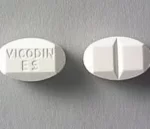
Hydrocodone is an opioid pain reliever often combined with acetaminophen (as in Norco or Vicodin) to treat moderate to severe pain. Because of its potential for misuse and dependence, the Drug Enforcement Administration classifies it as a Schedule II controlled substance, placing it in the same legal category as oxycodone, fentanyl, and morphine.
That classification matters when you travel. Airport security, rental car staff, hotel housekeeping, and foreign customs agents are all trained to look for unusual quantities of pills, unmarked containers, or medications that don’t match a traveler’s paperwork. As a result, a small oversight, like forgetting your prescription label, can turn into a stressful delay or, in rare cases, a legal problem.
Understanding these rules ahead of time lets you avoid unnecessary stress and keeps your pain management plan on track no matter where your trip takes you.
Is It Legal to Travel with Hydrocodone?
Yes, it’s generally legal to travel with hydrocodone within the United States as long as it was prescribed to you and you can prove that. However, legality depends heavily on how much medication you’re carrying, whether you’re crossing state or international borders, and whether you have documentation to back up your prescription.
The core rule to remember is simple: hydrocodone should always stay in its original prescription bottle, labeled with your name, the prescribing doctor’s information, and the pharmacy that filled it. This single habit solves the majority of problems travelers run into with controlled substances.
Domestic Travel Within the United States
Traveling with hydrocodone from one U.S. state to another is generally permitted for personal use, but a handful of states have their own quantity limits or documentation requirements for controlled substances. If you’re driving through multiple states, it’s wise to travel with no more than a reasonable supply for the length of your trip, ideally matching what’s written on your prescription label.
Some states also require that controlled substances be transported in their original container at all times, even inside a locked glove compartment or suitcase. Being pulled over with loose pills in a pill organizer, even if they belong to you, can raise questions that are easy to avoid with proper labeling.
Flying Domestically with Hydrocodone
The Transportation Security Administration allows passengers to bring prescription medications, including opioids like hydrocodone, in both carry-on and checked luggage. That said, security officers recommend keeping controlled substances in carry-on bags rather than checked luggage for two reasons: you’ll have continuous access to your medication, and you reduce the risk of it being lost or stolen if your checked bag goes missing.
Medication doesn’t need to be in its original packaging to clear security screening, but TSA officers may ask about pills that appear in checked or carry-on bags during X-ray screening. Having your prescription label or a pharmacy printout on hand speeds up that conversation considerably.
Documentation You Should Carry
Good documentation is the single most effective tool for avoiding hassles when traveling with hydrocodone. Before you leave home, gather the following:
- The original prescription bottle with your name, dosage, and pharmacy information clearly visible
- A copy of the written prescription or a pharmacy printout showing the prescribing physician’s name and contact information
- A letter from your doctor explaining your diagnosis, the medication prescribed, and the dosage, especially useful for international travel
- Your doctor’s phone number in case airport or border staff want to verify the prescription
- A list of all medications you’re currently taking, which is helpful if you need emergency care while away from home
If you’re traveling for an extended period and need more than a typical 30-day supply, ask your doctor to include the specific reason for the higher quantity in their written documentation. This preempts questions from security personnel or foreign officials who may find a large supply unusual.
International Travel with Hydrocodone: Proceed with Caution
International travel is where things get significantly more complicated. Laws governing opioid medications vary dramatically from country to country, and what’s a routine prescription in the U.S. can be treated as a controlled or even banned substance elsewhere.
Some countries require advance permits to bring controlled substances across their borders. Others ban certain opioid medications outright, regardless of whether you have a valid U.S. prescription. Getting this wrong isn’t just inconvenient, it can result in confiscation, fines, or in extreme cases, criminal charges.
Countries with Strict or Special Rules
While laws change frequently and you should always verify current regulations before departure, here are examples of the kinds of restrictions travelers have encountered:
- United Arab Emirates and other Gulf states: Historically strict about codeine and hydrocodone-containing products, sometimes requiring pre-approval from local health authorities even with a valid prescription.
- Japan: Certain narcotic medications require an import certification (Yakkan Shoumei) obtained in advance, even for personal use in small quantities.
- Singapore: Enforces strict controlled substance laws with limited quantities allowed and documentation requirements for opioids.
- Some Southeast Asian and Middle Eastern countries: Treat opioid possession, even prescribed, with far less leniency than the U.S. or Europe.
Because embassy websites and consular guidance can change without much notice, the safest step is to contact the embassy or consulate of your destination country several weeks before you travel. Ask specifically about hydrocodone or opioid pain medications, since generic guidance about
hydrocodone specifically since generic guidance about opioids in general may not capture the nuances of how a particular country classifies this medication. Some nations lump hydrocodone in with heroin and other Schedule I-equivalent substances under their own drug scheduling systems, even though it’s a legitimate prescription medication in the United States. A quick email or phone call to the consulate can save you from a legal nightmare that no vacation itinerary is worth risking.
It’s also worth noting that rules can differ depending on whether you’re just passing through a country (a layover) versus actually entering it. Some international airports have zero-tolerance policies for any controlled substances found during a layover search, even if you never intend to leave the airport. If your itinerary includes a connection through a country known for strict drug laws, treat that layover with the same level of caution as your final destination.
How to Prepare Documentation Before You Travel
Paperwork is your best friend when you’re traveling with a controlled substance like hydrocodone. Having the right documents on hand doesn’t just protect you legally, it also speeds up any conversations with security personnel, customs agents, or pharmacists if you need a refill while away from home.
Get a Letter From Your Prescribing Doctor
Ask your physician for a signed letter on official letterhead that includes your name, diagnosis or reason for the prescription, the medication name and dosage, and the prescribing doctor’s contact information. This letter serves as a quick reference for anyone who questions why you’re carrying an opioid medication, and it can be especially useful during international travel where a pill bottle label alone may not be considered sufficient proof.
Keep a Copy of Your Prescription
In addition to the doctor’s letter, carry a printed or digital copy of the actual prescription. Some travelers keep both a physical copy in their bag and a scanned version stored securely on their phone or in cloud storage, just in case one gets lost or damaged.
Research Entry Requirements in Advance
For international trips, check whether your destination requires special documentation like an import permit or medical certificate. Websites for foreign embassies typically list contact information for their health ministries, which can clarify what’s needed for travelers carrying prescription opioids. Building in a few weeks of lead time before your trip gives you enough buffer to request and receive any required paperwork.
Packing Tips for Traveling with Hydrocodone
How you pack your medication matters almost as much as the documentation you bring. A few simple habits can prevent unnecessary delays, confusion, or even loss of your medication mid-trip.
Keep It in the Original Container
Always transport hydrocodone in the pharmacy-labeled bottle it came in. This label shows your name, the prescribing doctor, the dosage, and the pharmacy that filled it, all of which help confirm that the medication is legitimately yours. Transferring pills into a generic pill organizer might be convenient, but it removes this critical layer of verification.
Pack It in Your Carry-On, Not Checked Luggage
Checked bags can be lost, delayed, or rerouted, and you don’t want your pain medication stuck on a different flight than you are. Keeping hydrocodone in your carry-on also means it stays with you at a stable temperature and reduces the chance of theft. Most airlines and security agencies actually recommend keeping all prescription medications in carry-on luggage for exactly these reasons.
Bring Only What You Need, Plus a Small Buffer
A good rule of thumb is to pack enough medication for your entire trip, plus a few extra days in case of travel delays. However, avoid packing an excessive quantity that could raise questions about intent, especially internationally. Countries with strict opioid laws sometimes set specific limits on the number of days’ supply you’re permitted to carry, often 30 days or fewer, so check this in advance if you’re traveling for an extended period.
Separate Your Documentation from Your Medication, But Keep Both Accessible
Store your doctor’s letter and prescription copy in a separate but easily reachable pocket of your bag. This way, if security asks for proof, you’re not fumbling through your entire suitcase while a line forms behind you.
Navigating TSA and Domestic Air Travel
For travel within the United States, the Transportation Security Administration does not require passengers to travel with medication in its original prescription bottle, but doing so is still strongly recommended for the reasons mentioned above. TSA agents are trained to recognize that pain medications like hydrocodone are common and are not, by themselves, cause for alarm.
That said, a few practical points can make security screening smoother:
- Declare it if asked: If a TSA officer inquires about medication during a bag check, simply state that it’s a prescription pain reliever and present your labeled bottle or documentation if requested.
- Liquid hydrocodone follows different rules: If your prescription is in liquid form, it’s exempt from the standard 3.4-ounce liquid limit for carry-ons, but you should inform the TSA officer at the checkpoint so they can screen it separately.
- Pills are not subject to the liquids rule: Standard hydrocodone tablets can be carried in any reasonable quantity for personal use, as long as it aligns with what a legitimate prescription would call for.
- X-ray screening will not damage medication: There’s no need to request a hand inspection to protect the medication itself, although you’re always allowed to ask for one if you prefer.
International Air Travel: Extra Precautions
Flying internationally with hydrocodone adds layers of complexity beyond what you’d encounter domestically. Security and customs officials in foreign countries may not be familiar with U.S. prescription practices, and language barriers can make explaining your situation more difficult if you’re not prepared.
Double-Check Layover Countries
As mentioned earlier, even a brief layover can expose you to a country’s drug laws if your luggage is searched or if you need to pass through customs during the connection. Research every country on your itinerary, not just your final destination.
Consider Travel Insurance That Covers Medical Needs
If you’re traveling with a chronic pain condition that requires hydrocodone, look into travel insurance policies that include medical evacuation or emergency prescription assistance. This can be a lifesaver if you lose your medication abroad or need to see a local doctor for a replacement prescription.
Know How to Contact the U.S. Embassy
Wherever you’re headed, save the contact information for the nearest U.S. embassy or consulate. If you run into legal trouble over your medication, or if it’s confiscated and you need help, embassy staff can provide guidance and, in some cases, intervene on your behalf.
Road Trips and Driving with Hydrocodone
Even domestic road trips come with their own set of considerations. Hydrocodone can cause drowsiness, dizziness, and slowed reaction times, all of which are dangerous when you’re behind the wheel. If you’re the one driving, talk to your doctor about how the medication affects you personally before committing to a long drive, and never take a dose you haven’t already tried at home first.
It’s also worth remembering that driving under the influence of a controlled substance, even a legally prescribed one, can result in a DUI charge in many states if it’s determined that the medication impaired your ability to drive safely. If your trip involves crossing state lines, it’s unlikely you’ll run into the same legal complications as international travel, but it’s still smart to keep your prescription bottle and documentation in the car in case of a traffic stop.
What to Do If Your Medication Is Confiscated, Lost, or Stolen
Even with the best preparation, things can go wrong. Knowing your options ahead of time can reduce stress if you find yourself without your medication mid-trip.
If It’s Confiscated
If a customs or security official confiscates your hydrocodone, stay calm and cooperative. Ask for a written explanation or receipt if possible, and contact the nearest U.S. embassy or consulate for guidance. Arguing or attempting to negotiate on the spot rarely helps and can sometimes escalate the situation.
If It’s Lost or Stolen
Contact your prescribing doctor as soon as possible to explain the situation. Many doctors can call in an emergency prescription to a local pharmacy, though this is easier domestically than internationally. If you’re abroad, your travel insurance provider or the embassy may be able to help you locate a local doctor who can evaluate your situation and issue a temporary prescription under that country’s laws.
Preventing the Problem in the First Place
Keep your medication on your person or in a securely closed bag at all times, rather than leaving it in a hotel room or checked luggage. A small, lockable pouch inside your carry-on adds an extra layer of protection against theft.
Storage and Safety Tips While Traveling
Beyond legal and logistical concerns, basic safety habits matter just as much on the road as they do at home.
- Keep it away from extreme temperatures: Don’t leave hydrocodone in a hot car or direct sunlight, as heat can degrade the medication’s effectiveness.
- Store it out of reach of children and pets: Hotel rooms and vacation rentals aren’t always childproofed, so keep medication in a bag or drawer that’s not easily accessible.
- Avoid mixing with alcohol: Vacations and trips often come with social drinking, but combining hydrocodone with alcohol significantly increases the risk of dangerous sedation and slowed breathing. If you want a deeper understanding of just how risky this combination can be, this guide on hydrocodone and alcohol breaks down safe timelines and risks in detail.
- Track your dosing schedule: Time zone changes can throw off your usual medication schedule. Use your phone’s alarm or a travel pill organizer with time labels to stay consistent.
Drug Testing and Employment Considerations
If your job requires random drug testing, or if you’re traveling for work purposes, it’s worth understanding how long hydrocodone can remain detectable in your system after use. This is particularly relevant if you’re returning from a trip and have an employer-mandated test scheduled shortly after. For a detailed breakdown of detection windows across different test types, this hydrocodone drug test guide covers what to expect. You may also find it helpful to review how long hydrocodone stays in your system generally, especially if you’re adjusting your dosing schedule around travel and want to plan ahead for any testing requirements once you’re back.
Traveling with Hydrocodone vs. Other Opioid Medications
If you’ve been prescribed a different opioid in the past or are curious about how hydrocodone compares to similar medications, it can help to understand the broader landscape of pain management options before you travel. For instance, travelers on a related medication may find it useful to read about traveling with oxycodone, since many of the same customs and airport rules apply across opioid medications, though specific country restrictions can vary by drug name. Similarly, if you’re weighing treatment options with your doctor, comparisons like oxycodone vs hydrocodone or hydrocodone vs Norco can offer useful context, even though the travel precautions outlined in this guide remain largely the same regardless of which specific opioid you’re prescribed.
General Travel Etiquette When Carrying Prescription Opioids
Beyond the legal and logistical steps, a bit of common sense goes a long way. Avoid discussing your medication loudly in public spaces like security lines or customs areas, both for privacy and to avoid drawing unnecessary attention. Be polite and straightforward if questioned, rather than defensive, since officials are simply doing their jobs and most interactions go smoothly when travelers cooperate calmly. Finally, if you’re ever unsure about a specific rule or requirement, err on the side of over-preparation rather than assuming things will work out. A little extra planning before your trip can prevent a lot of stress once you’re already on the road or in the air.
For general reference on medication safety and opioid use, resources like Mayo Clinic’s hydrocodone overview can offer a helpful refresher on how the medication works and what precautions are generally recommended, which pairs well with the travel-specific advice covered here. Additionally, international travelers may want to review guidance from the International Narcotics Control Board, which oversees global regulations around controlled substances and can offer insight into why certain countries enforce stricter import rules than others.
Frequently Asked Questions
Can I bring hydrocodone on a plane in the United States?
Yes, you can travel domestically with hydrocodone as long as it’s for personal medical use. Keeping it in its original, pharmacy-labeled container and carrying a copy of your prescription makes the process smoother, though TSA does not strictly require the original bottle for standard tablets.
Read More: Hydrocodone vs Tramadol: Which Painkiller Works Better For You?
Do I need a special permit to travel internationally with hydrocodone?
It depends on the country. Some nations require an import certificate or prior approval, while others allow small personal-use quantities with just a prescription and doctor’s letter. Always check with the embassy or consulate of your destination country before departure.
What happens if my hydrocodone is confiscated at customs?
If your medication is confiscated, stay calm, ask for documentation of the confiscation if possible, and contact the nearest U.S. embassy or consulate for assistance. They can help guide you through local procedures and, if needed, help you access alternative care.
How much hydrocodone can I legally travel with?
There’s no single universal limit, but a common guideline is to carry only what’s needed for the length of your trip, plus a small buffer for delays. Some countries cap personal medication imports at a 30-day supply, so check specific limits for your destination.
Is it safe to drink alcohol while traveling if I’m taking hydrocodone?
No, combining hydrocodone with alcohol is not considered safe at any point, whether at home or while traveling. The combination increases the risk of dangerous sedation and slowed breathing, so it’s best avoided entirely during your trip.
Final Thoughts
Traveling with hydrocodone doesn’t have to be stressful if you plan ahead and understand the rules that apply to your specific trip. The key steps boil down to a few simple habits: keep your medication in its original container, carry solid documentation from your prescribing doctor, research your destination’s specific laws well in advance, and store your medication safely and securely throughout your journey. Whether you’re headed across the country or across the globe, a little preparation goes a long way toward making sure your pain management routine doesn’t interfere with your travel plans, and that you avoid any unnecessary legal or logistical headaches along the way. When in doubt, reach out to your doctor, the destination country’s embassy, or your airline directly, since a quick question before you leave is always easier to handle than a problem once you’ve already arrived.