Health Tips
Hydrocodone Drug Test Guide: Detection Times, Test Types, and What to Expect

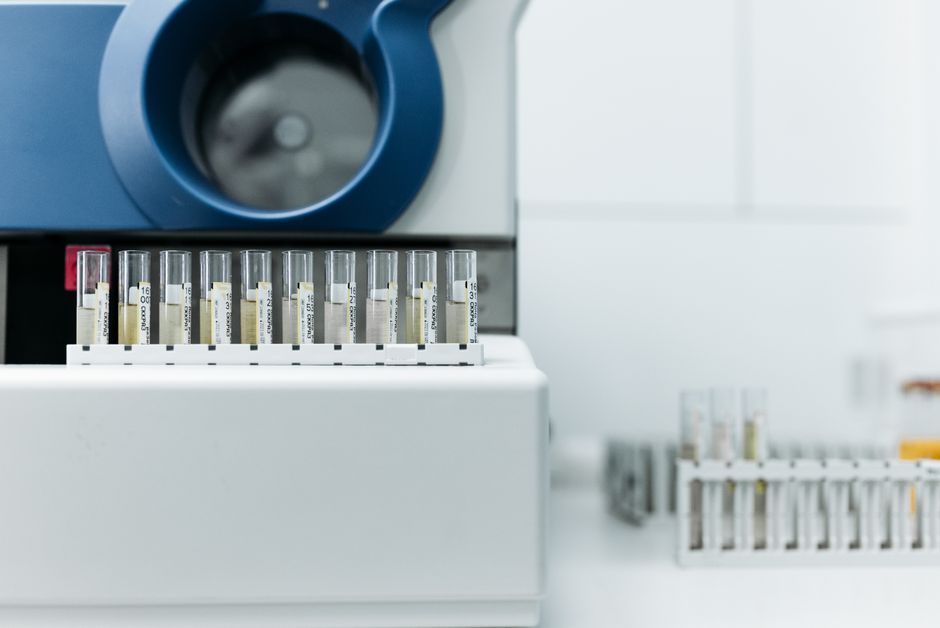
If you take hydrocodone for pain management or you’re facing an upcoming employment screening, you probably have one question on your mind: will a hydrocodone drug test catch it, and for how long? Hydrocodone is one of the most commonly prescribed opioids in the United States, and it’s also one of the most frequently detected substances on workplace and legal drug panels. Understanding how a hydrocodone drug test works, what it looks for, and how long the drug stays detectable can help you avoid confusion, protect your job, and address any concerns about a positive result.
In this guide, we’ll walk through the different types of drug tests used to detect hydrocodone, realistic detection windows for urine, blood, saliva, and hair testing, the factors that speed up or slow down elimination, and what steps to take if you’re prescribed hydrocodone and worried about a screening. We’ll also cover false positives, cross-reactivity issues, and how hydrocodone testing compares to testing for other opioids.
What Is Hydrocodone and Why Does It Show Up on Drug Tests?
Hydrocodone is a semi-synthetic opioid derived from codeine. Doctors prescribe it to manage moderate to severe pain, and it’s often combined with acetaminophen in brand-name products like Vicodin, Norco, and Lortab. Because it’s a Schedule II controlled substance under federal law, it carries a real risk of misuse, dependence, and diversion, which is exactly why employers, probation officers, and healthcare providers routinely screen for it.
When you take hydrocodone, your liver metabolizes it into several byproducts, including hydromorphone and norhydrocodone. These metabolites, along with the parent drug itself, are what standard hydrocodone drug tests are designed to identify. Because hydrocodone belongs to the opioid class, it typically triggers a positive result on an opiate immunoassay screen, though confirmation testing is usually needed to pinpoint the exact substance.
If you want a deeper breakdown of how hydrocodone moves through your body over time, our detailed article on how long hydrocodone stays in your system covers the pharmacokinetics in more depth than we’ll go into here.
Types of Drug Tests Used to Detect Hydrocodone
Not all drug tests are created equal. The method used affects both the detection window and the sensitivity of the result. Here’s how the four main testing methods stack up.
Urine Tests
Urine testing is by far the most common method used in workplace and clinical settings because it’s affordable, noninvasive, and reasonably accurate. A standard urine opiate panel can detect hydrocodone and its metabolites within a couple of hours of use, with the detection window generally lasting two to four days after the last dose.
Blood Tests
Blood tests are less commonly used for routine screening because they’re more invasive and expensive, but they’re valuable in medical or legal situations where recent impairment needs to be confirmed. Hydrocodone typically shows up in blood within thirty minutes of ingestion and remains detectable for about 24 hours, sometimes slightly longer depending on dose and individual metabolism.
Saliva Tests
Saliva, or oral fluid testing, has become increasingly popular for on-site and post-accident testing because samples are quick and easy to collect under observation. Hydrocodone usually appears in saliva within minutes of use and can be detected for roughly one to four days afterward.
Hair Follicle Tests
Hair testing offers the longest detection window by far. Because drugs become embedded in the hair shaft as it grows, a hair follicle test can detect hydrocodone use going back approximately 90 days. This method won’t catch very recent use (it takes about a week for drugs to show up in new hair growth), but it’s the gold standard for identifying long-term or repeated use patterns.
Hydrocodone Detection Times: How Long Does It Stay Detectable?
Detection windows vary depending on the testing method, but here’s a general summary based on typical use patterns:
- Urine: 2 to 4 days after last use
- Blood: Up to 24 hours after last use
- Saliva: 1 to 4 days after last use
- Hair: Up to 90 days after last use
These ranges assume typical, short-term use at standard prescribed doses. Heavier or more chronic use can extend these windows considerably, sometimes by several days in urine and saliva testing.
Factors That Influence How Long Hydrocodone Stays Detectable
No two people process hydrocodone at exactly the same rate. Several individual and situational factors determine how quickly the drug clears your system and how long it remains detectable on a test.
Metabolism and Liver Function
Hydrocodone is broken down primarily by the liver enzyme CYP2D6. People with faster metabolic rates clear the drug more quickly, while those with liver impairment, whether from alcohol use, hepatitis, or other conditions, may retain hydrocodone and its metabolites longer than average.
Dosage and Duration of Use
Higher doses and longer-term use lead to drug accumulation in fatty tissue and organs, which extends the elimination timeline. Someone who has taken a single 5 mg dose will clear the drug faster than someone who has been taking 10 mg multiple times a day for weeks.
Kidney Function
Since hydrocodone metabolites are excreted through urine, reduced kidney function can slow elimination and keep detectable levels in the body longer than normal.
Body Composition
Because opioids are somewhat lipophilic (fat-soluble), individuals with higher body fat percentages may store and release the drug more slowly, extending detection windows slightly.
Hydration and Urine pH
Hydration levels can affect urine concentration, though attempting to
attempting to flush the drug out with excessive water intake rarely works as intended. Overhydration can dilute a urine sample enough to trigger a trigger a “dilute” flag at the testing lab, prompting a retest rather than a passing result. This makes attempts to manipulate a urine test both ineffective and potentially suspicious to the collector.
Age and Overall Health
Older adults often have slower metabolic and renal function, which can extend how long hydrocodone metabolites remain detectable. Chronic health conditions such as diabetes, cardiovascular disease, or thyroid disorders can also influence how efficiently the body processes and eliminates the drug.
Genetics
Genetic variations in the CYP2D6 enzyme mean that some people are “ultra-rapid metabolizers” while others are “poor metabolizers.” This genetic difference alone can cause detection windows to vary by hours or even days between two people who took the exact same dose.
Types of Hydrocodone Drug Tests
Not all drug tests are created equal. Employers, medical providers, and legal agencies choose different testing methods depending on how far back they need to look, how invasive the test can be, and how quickly they need results. Understanding the differences helps explain why detection windows vary so much depending on which test is used.
Urine Tests
Urine testing is the most common method used in workplace and legal drug screenings because it is inexpensive, non-invasive, and provides a reasonably wide detection window. Hydrocodone and its metabolites, primarily hydromorphone and norhydrocodone, are typically detectable in urine for approximately 2 to 4 days after last use, though this can extend to a week or more with heavy, chronic use.
Standard 5-panel drug tests sometimes miss semi-synthetic opioids like hydrocodone unless the panel is specifically expanded to include opioids. Many employers now use extended opiate panels that specifically target hydrocodone, oxycodone, and their metabolites, since these drugs are structurally different from natural opiates like morphine and codeine.
Blood Tests
Blood tests are far less common for routine screening because hydrocodone clears from the bloodstream relatively quickly. Detection windows in blood are typically limited to 12 to 24 hours after the last dose, making blood tests more useful for determining very recent use, such as in emergency room settings or post-accident testing, rather than for general screening purposes.
Because blood testing is invasive and has a short detection window, it is generally reserved for situations where immediate impairment needs to be confirmed, such as after a workplace accident or a suspected DUI involving prescription medication.
Saliva Tests
Saliva, or oral fluid testing, has become increasingly popular due to its ease of collection and reduced risk of tampering. Hydrocodone is typically detectable in saliva for about 1 to 2 days after use, though this window can shift slightly depending on dosage and frequency of use.
Saliva tests are often used for random workplace testing since they can be administered on-site under direct observation, reducing the chance of sample substitution.
Hair Follicle Tests
Hair testing offers by far the longest detection window, capable of identifying hydrocodone use for up to 90 days after the last dose. As hair grows, it incorporates trace amounts of drug metabolites from the bloodstream, creating a timeline that can be analyzed in segments.
While hair testing is less commonly used for routine screening due to its higher cost, it is frequently employed in legal cases, custody disputes, or safety-sensitive employment positions where a longer history of drug use needs to be established.
Hydrocodone Detection Times at a Glance
- Urine: 2 to 4 days (up to a week or more with chronic use)
- Blood: 12 to 24 hours
- Saliva: 1 to 2 days
- Hair: Up to 90 days
These ranges are general estimates. As discussed earlier, individual factors like metabolism, dosage, kidney and liver function, and body composition can shift these windows significantly in either direction. For a deeper breakdown of how hydrocodone timelines compare across different test types and use patterns, our complete hydrocodone detection timeline guide offers additional detail worth reviewing.
What Happens During a Hydrocodone Drug Test
If you have never been through a formal drug screening, the process can feel intimidating. Knowing what to expect can ease some of that anxiety and help you understand your rights and responsibilities during the process.
Step 1: Notification and Scheduling
Depending on the context, employer-mandated tests may be scheduled in advance, random, or triggered by a specific incident (such as a workplace accident). Legal or medical testing may be ordered with little to no advance notice.
Step 2: Sample Collection
For urine tests, you will typically be asked to provide a sample in a private restroom, sometimes under observation to prevent tampering, especially in federally regulated testing. Saliva tests involve swabbing the inside of the cheek, while blood draws are performed by a trained phlebotomist. Hair tests require a small sample cut close to the scalp.
Step 3: Chain of Custody
To ensure the integrity of the results, most formal drug tests follow a strict chain-of-custody protocol. This means the sample is labeled, sealed, and documented at every step from collection to laboratory analysis, minimizing the risk of contamination or mix-ups.
Step 4: Laboratory Analysis
Most initial screenings use an immunoassay test, which is fast and cost-effective but can occasionally produce false positives due to cross-reactivity with other substances. If a sample tests positive on the initial screen, it is typically sent for confirmatory testing using gas chromatography-mass spectrometry (GC-MS) or liquid chromatography-mass spectrometry (LC-MS), both of which are highly accurate and specific.
Step 5: Results and Medical Review
In workplace settings, a Medical Review Officer (MRO) typically reviews positive results before they are reported to an employer. If you have a valid prescription for hydrocodone, this is the stage where you would provide that documentation to explain the positive result.
Will Hydrocodone Show Up as an Opiate on a Drug Test?
This is one of the most common points of confusion. Hydrocodone is a semi-synthetic opioid, chemically derived from codeine, but it is structurally different enough from natural opiates like morphine that standard opiate immunoassay tests do not always detect it reliably.
Because of this, many testing panels now specifically include hydrocodone or use an expanded opiate panel to ensure accurate detection. If you are being tested with an older or more basic opiate panel, there is a chance that hydrocodone use could go undetected, though this is increasingly rare as testing technology has improved.
It is also worth noting that hydrocodone metabolizes partly into hydromorphone, a different opioid medication, which can sometimes create confusion during result interpretation if the lab is not using a confirmatory test to distinguish between the two.
Can You Test Positive from Secondhand Exposure or Poppy Seeds?
Unlike morphine and codeine, which can occasionally trigger positive results after eating poppy seed products, hydrocodone is not naturally found in poppy seeds. This means a positive hydrocodone test cannot be explained away by poppy seed consumption, unlike some other opioid tests.
Secondhand exposure is also not a realistic concern with hydrocodone. Unlike some substances that can be absorbed through inhaling smoke, hydrocodone is almost always taken orally in pill or liquid form, making incidental secondhand exposure essentially impossible.
If you test positive for hydrocodone and have not knowingly taken it, the most likely explanations are an accidental prescription mix-up, a combination medication (like those containing acetaminophen and hydrocodone together), or, in rare cases, a lab error that should be addressed through confirmatory retesting.
How to Prepare for a Hydrocodone Drug Test
If you take hydrocodone legally under a doctor’s supervision, preparation mostly comes down to documentation and communication rather than trying to alter your body chemistry.
Bring Proof of Your Prescription
Always have your prescription bottle, pharmacy printout, or a note from your prescribing physician available. This documentation allows the Medical Review Officer or testing administrator to verify your legitimate use and prevent a positive result from causing unnecessary complications.
Be Honest About Current Medications
Before testing, most testing facilities will ask you to disclose any medications you are currently taking. Being upfront about hydrocodone use, along with any other prescriptions, helps avoid confusion during the review process.
Avoid Risky “Detox” Products
Countless products claim to help you pass a drug test by flushing your system or masking metabolites. Most of these products are ineffective, and some can actually trigger a “dilute” or “substituted” flag, which often causes more suspicion than a straightforward positive result accompanied by valid documentation.
Time Your Test When Possible
If you know a test is coming and you have a valid prescription, there is no need to stop taking your medication as prescribed. Suddenly discontinuing hydrocodone without medical guidance can cause withdrawal symptoms and is not necessary if your use is properly documented.
Natural Ways to Support Your Body’s Elimination Process
While there is no magic method to instantly clear hydrocodone from your system, certain healthy habits can support your body’s natural elimination processes over time.
- Stay moderately hydrated: Drink water throughout the day, but avoid excessive intake right before a test, which can trigger a dilute sample flag.
- Support liver health: Since the liver plays a central role in metabolizing hydrocodone, eating a balanced diet and avoiding alcohol can help maintain healthy liver function. If you want to understand more about how alcohol interacts with hydrocodone specifically, this guide on mixing hydrocodone and alcohol covers the risks in detail.
- Exercise regularly: Physical activity supports overall metabolism and circulation, which can modestly aid the body’s natural detoxification processes over time, though it will not produce dramatic overnight changes.
- Get adequate sleep: Rest supports liver and kidney function, both of which are essential for processing and eliminating hydrocodone metabolites.
None of these habits will guarantee a negative test result if hydrocodone was recently used, but they support overall health and may modestly assist your body’s natural elimination timeline.
Hydrocodone Compared to Other Opioid Medications
Hydrocodone is often prescribed alongside or instead of other opioid pain relievers, and patients sometimes wonder how it compares in terms of detection and strength. For example, those switching between medications for pain management purposes often ask how oxycodone compares to hydrocodone in terms of potency and duration of action, both of which can indirectly affect how long each drug remains detectable. Similarly, combination products like Norco, which pairs hydrocodone with acetaminophen, follow the same basic detection timelines as hydrocodone alone, since the acetaminophen component is not typically part of standard opioid testing panels.
Legal and Workplace Considerations
Prescription drug laws vary significantly depending on where you live, and this can affect how a positive hydrocodone test is handled in workplace or legal settings. Some states have specific protections for employees using legally prescribed controlled substances, while others leave more discretion to employers. If you are unsure how local regulations might affect your situation, it may help to review how prescription drug laws vary by state, since this can influence everything from testing procedures to how a positive result is documented and reported.
Regardless of location, most reputable employers and testing agencies are required to provide a fair review process, including the opportunity to present valid prescription documentation before a positive result is finalized.
Frequently Asked Questions
How long does hydrocodone stay in your urine?
Hydrocodone is typically detectable in urine for 2 to 4 days after the last dose, though heavy or long-term use can extend this window to a week or slightly longer in some cases.
Does hydrocodone show up the same as other opioids on a drug test?
Not always. Because hydrocodone is semi-synthetic, some basic opiate panels may not detect it as reliably as natural opiates like morphine or codeine. Expanded opiate panels are typically used to ensure accurate detection.
Can a single dose of hydrocodone cause a positive drug test?
Yes. Even a single therapeutic dose can result in a positive urine test for 1 to 3 days afterward, depending on individual metabolism and the sensitivity of the test being used.
Will a hydrocodone prescription protect me from a positive drug test consequence?
In most cases, yes. Providing valid prescription documentation to a Medical Review Officer or testing administrator typically resolves a positive result without further complications, as long as the use aligns with your prescribed dosage.
Can hair testing detect a single instance of hydrocodone use?
Hair testing is generally more effective at detecting patterns of repeated use rather than a single isolated dose. A single use may not produce a strong enough concentration in the hair shaft to reliably trigger a positive result, though this can vary based on dosage and individual hair growth rates.
Final Thoughts
Understanding how hydrocodone interacts with different types of drug tests can remove a lot of unnecessary stress, whether you are facing a workplace screening, a legal requirement, or simply want to understand how your prescription might affect testing outcomes. Detection times vary widely based on the type of test used, your personal metabolism, dosage history, and overall health, so there is no single universal answer to how long hydrocodone stays detectable.
The most reliable path through any drug testing situation is transparency. Keeping documentation of your prescriptions, communicating openly with testing administrators, and avoiding risky shortcuts like detox products will serve you far better than trying to outsmart a system that is specifically designed to catch inconsistencies. If you have additional questions about how hydrocodone interacts with your body over time, resources like Drugs.com and Healthline offer additional medically reviewed information that can complement what your prescribing physician tells you directly.
Ultimately, staying informed, honest, and proactive is the best strategy for navigating a hydrocodone drug test with confidence, whether you are a patient managing chronic pain or simply preparing for a routine screening.