Health Tips
How Long Does Hydrocodone Stay in Your System? Full Timeline Explained

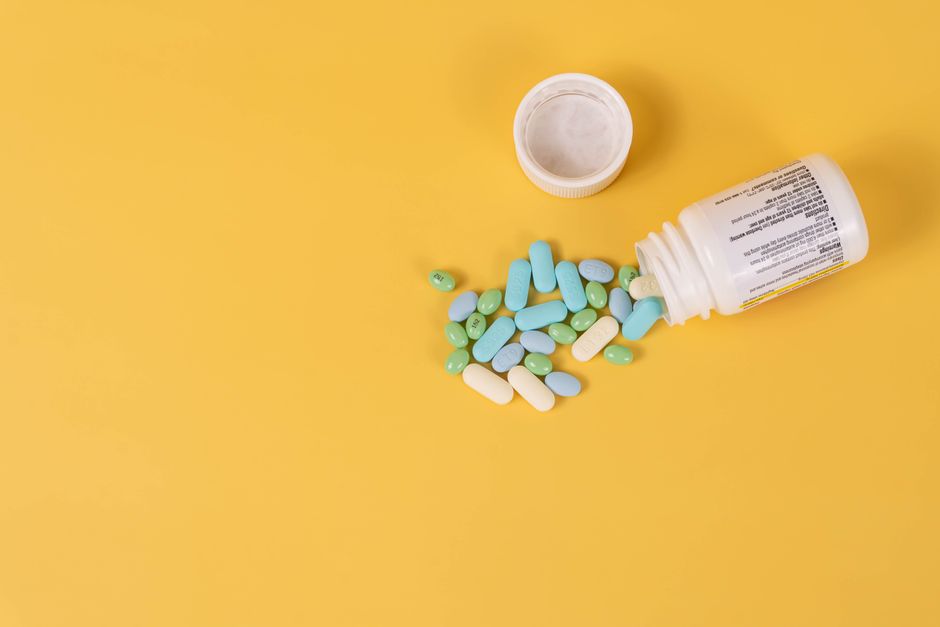
If you’ve recently taken hydrocodone for pain relief and you’re wondering when it will fully clear your body, you’re not alone. Whether you’re preparing for a drug test, managing a prescription responsibly, or just curious about how this common opioid painkiller behaves in your bloodstream, understanding the timeline matters. How long does hydrocodone stay in your system depends on several factors, including your dose, metabolism, liver function, and the type of drug test being used.
In this guide, we’ll break down hydrocodone’s half-life, how it’s metabolized, how long it stays detectable in urine, blood, saliva, and hair, and what factors can speed up or slow down elimination. By the end, you’ll have a clear, practical understanding of what to expect and how to use this medication safely.
What Is Hydrocodone?
Hydrocodone is a semi-synthetic opioid prescribed to treat moderate to severe pain. It’s often combined with acetaminophen (as in Norco or Vicodin) or sold in extended-release formulations for chronic pain management. As a Schedule II controlled substance in the United States, hydrocodone carries a real risk of dependence and misuse, which is one reason detection timelines matter so much for both medical and legal purposes.
Hydrocodone works by binding to opioid receptors in the brain and spinal cord, blocking pain signals and producing feelings of relaxation or euphoria at higher doses. This is also why it’s a frequently monitored substance in workplace drug screens, pain management programs, and legal settings.
If you want a deeper dive into how hydrocodone compares to similar opioids, our hydrocodone vs oxycodone comparison covers strength, risks, and how each drug is processed differently by the body.
How Hydrocodone Is Processed by the Body
Once you swallow a hydrocodone tablet, it’s absorbed through the gastrointestinal tract and enters the bloodstream within 10 to 30 minutes. Peak plasma concentrations typically occur within 30 minutes to 1.3 hours after an immediate-release dose. From there, the liver takes over the job of breaking the drug down.
Hydrocodone is metabolized primarily by two liver enzymes: CYP3A4 and CYP2D6. CYP2D6 converts hydrocodone into hydromorphone, a more potent opioid metabolite, while CYP3A4 converts it into norhydrocodone, a less active compound. Genetic variation in these enzymes means that some people metabolize hydrocodone faster than others, which directly affects how long the drug and its byproducts remain detectable.
After metabolism, hydrocodone and its metabolites are eliminated primarily through the kidneys and excreted in urine, with a smaller amount removed through feces. This is why kidney health plays such a significant role in elimination speed, right alongside liver function.
Hydrocodone Half-Life Explained
The half-life of a drug is the time it takes for the concentration of that drug in your bloodstream to drop by half. For immediate-release hydrocodone, the average half-life is about 3.8 hours, though it can range between 3.3 and 4.5 hours depending on the individual. Extended-release formulations behave differently, with half-lives that can stretch to 7 to 9 hours because the drug is released slowly over time.
As a general rule of thumb, it takes about five to six half-lives for a drug to be considered fully eliminated from the bloodstream. For immediate-release hydrocodone, that means roughly 19 to 23 hours. For extended-release versions, full elimination can take closer to 40 to 45 hours.
However, detection windows in urine, blood, saliva, and hair tests don’t line up perfectly with the half-life figure, because those tests aren’t measuring blood plasma concentration in the same way a lab measures elimination in a pharmacokinetic study. Detection windows are influenced by the sensitivity of the testing method, the cutoff levels used by the lab, and how much of the drug and its metabolites have accumulated in a particular tissue. This is why someone can technically have “cleared” hydrocodone from their bloodstream in under 24 hours, yet still test positive on a urine or hair test days or even months later.
How Long Does Hydrocodone Stay in Urine?
Urine testing is by far the most common method used for detecting hydrocodone, whether it’s for a pre-employment screening, a pain management agreement, or a court-ordered test. Hydrocodone and its metabolites are typically detectable in urine for approximately 2 to 4 days after the last dose. For most healthy adults taking a standard therapeutic dose, the average detection window falls closer to 48 to 72 hours.
Several variables can push that window longer. Higher doses, extended-release formulations, chronic or long-term use, and slower metabolism can all extend the presence of hydrocodone metabolites in urine beyond the typical range. In some cases of heavy, prolonged use, traces have been detected in urine for up to a week. If you want a deeper breakdown of how different drug panels are structured and what cutoff levels labs typically use, our hydrocodone drug test guide covers this in much more detail.
How Long Does Hydrocodone Stay in Blood?
Blood tests are far less commonly used for routine drug screening because they are more invasive and have a shorter detection window, but they are sometimes used in medical settings, accident investigations, or situations requiring precise, real-time measurement of drug levels. Hydrocodone is generally detectable in blood for about 24 hours, though sensitive lab techniques may pick it up for slightly longer in some individuals.
Because blood concentration closely tracks the drug’s half-life, this test is considered the most accurate reflection of how much active hydrocodone is circulating in your system at any given moment. It’s often used when doctors need to assess overdose risk or evaluate whether a medication is being metabolized as expected.
How Long Does Hydrocodone Stay in Saliva?
Saliva testing has become increasingly popular because it’s non-invasive, difficult to tamper with, and can be administered on the spot. Hydrocodone typically shows up in saliva within minutes of ingestion and remains detectable for around 1 to 2 days, though some studies suggest a window as short as 12 hours for lower doses.
Saliva tests are often used in workplace settings, roadside sobriety checks, and situations where immediate results are needed. While the detection window is shorter than urine, saliva testing is considered a reliable snapshot of very recent use.
How Long Does Hydrocodone Stay in Hair?
Hair follicle testing offers by far the longest detection window of any drug test. Because hair grows at a fairly predictable rate (roughly half an inch per month), a standard 1.5-inch hair sample can reveal drug use going back approximately 90 days. Hydrocodone typically becomes detectable in hair about 7 to 10 days after use, once the hair has grown enough to be tested near the scalp.
This extended window makes hair testing especially useful for identifying patterns of long-term or repeated use rather than a single, recent dose. It’s less useful for catching someone who used hydrocodone only once, several days before the test, since the drug needs time to be incorporated into the hair shaft.
Factors That Affect How Long Hydrocodone Stays in Your System
No two people process hydrocodone identically, which is why detection windows are always expressed as ranges rather than fixed numbers. Understanding the variables at play can help explain why your experience (or a loved one’s) might differ from the averages listed above.
Age
As we age, liver and kidney function naturally decline, which slows the body’s ability to metabolize and excrete drugs. Older adults often retain hydrocodone in their system longer than younger individuals with the same dosage.
Metabolic Rate
Genetics play a significant role in how quickly your CYP2D6 and CYP3A4 enzymes process hydrocodone. Some people are classified as “rapid metabolizers,” clearing the drug faster, while “poor metabolizers” may retain it, and its active metabolite hydromorphone, for a longer stretch of time.
Dosage and Frequency of Use
Higher doses naturally take longer to clear, and repeated or chronic use can lead to drug accumulation in fatty tissue and organs, extending the overall elimination timeline well beyond what a single dose would produce.
Body Composition
Hydrocodone is lipophilic, meaning it can be stored in fat cells. Individuals with a higher body fat percentage may retain trace amounts of the drug longer than those with less body fat, since it gets released back into the bloodstream gradually over time.
Liver and Kidney Health
Since the liver metabolizes hydrocodone and the kidneys excrete it, any impairment to either organ, whether from disease, medication interactions, or chronic alcohol use, can significantly slow elimination. This is one of the most important factors, and it’s part of why mixing hydrocodone with substances that stress the liver, such as alcohol, is discouraged. Our article on hydrocodone and alcohol explains the added risks in more depth.
Hydration and Urine pH
Staying well hydrated can support kidney function and may slightly influence how quickly metabolites are flushed from the body, though it won’t dramatically shorten a true detection window. Urine pH can also subtly affect excretion rates for certain opioids.
Formulation: Immediate-Release vs Extended-Release
As mentioned earlier, extended-release hydrocodone products are designed to release the medication slowly over 12 hours or more. While this provides longer-lasting pain relief, it also means the drug stays active in the body longer, extending both the half-life and the detection window compared to immediate-release versions.
Hydrocodone Compared to Other Opioids
It’s helpful to put hydrocodone’s timeline into context by comparing it to other commonly prescribed opioids. Oxycodone, for example, has a somewhat similar half-life, but the two drugs are metabolized through slightly different pathways and carry different potency profiles. If you’re curious how the two stack up, our comparison on oxycodone vs hydrocodone breaks down potency, half-life, and side effects side by side.
Tramadol, another commonly prescribed pain reliever, has a notably longer half-life than hydrocodone in many patients, which can extend its detection window. For a full look at how these two compare, check out hydrocodone vs tramadol. And if you’ve been prescribed a combination product, our guide to hydrocodone vs Norco clarifies the differences between the two, since Norco is simply a brand-name combination of hydrocodone and acetaminophen.
Drug Testing and Hydrocodone: What to Expect
If you’re facing a scheduled drug test, whether for employment, athletics, or a pain management program, it helps to know what kind of test you’re taking and how far back it can detect use. Standard 5-panel and 10-panel urine tests typically screen for opioids, but hydrocodone doesn’t always trigger a positive result on older immunoassay tests designed primarily for morphine and codeine. Many labs now use expanded opiate panels specifically calibrated to catch semi-synthetic opioids like hydrocodone and oxycodone.
If you have a legitimate prescription, it’s important to disclose this to the testing facility or a Medical Review Officer (MRO) beforehand. A documented prescription can prevent a false assumption of illicit use. According to Mayo Clinic, prescription opioids like hydrocodone should always be taken exactly as directed, and any concerns about drug interactions or testing should be discussed directly with your prescribing physician.
Traveling and Hydrocodone: A Quick Note
If your daily routine involves travel, whether for work or leisure, it’s worth understanding how carrying a controlled substance like hydrocodone can complicate things at airport security or border crossings. Regulations vary significantly by state and country, and getting caught unprepared can create unnecessary stress. Our guide on traveling with hydrocodone walks through documentation requirements, storage tips, and legal considerations so you can travel with confidence.
Can You Speed Up How Fast Hydrocodone Leaves Your System?
There’s no magic shortcut or detox product that will instantly clear hydrocodone from your bloodstream, despite what some over-the-counter “detox kits” claim. However, there are legitimate steps that support your body’s natural elimination process:
- Stay hydrated. Drinking plenty of water supports kidney function, which plays a direct role in flushing out hydrocodone metabolites.
- Eat a balanced diet. Fiber-rich foods and a healthy diet support liver function and overall metabolism.
- Get moving. Light to moderate exercise can support circulation and metabolic processes, though intense exercise right before a drug test isn’t recommended since it can temporarily concentrate urine.
- Get adequate sleep. Your liver does much of its metabolic work while you rest, so quality sleep supports efficient drug clearance.
- Avoid alcohol and other CNS depressants. Combining these substances with hydrocodone not only slows elimination but significantly increases the risk of dangerous respiratory depression.
- Simply wait it out. Time is truly the only guaranteed way to clear hydrocodone completely. Trying to rush the process with excessive water intake can also dilute your urine sample, which many labs flag as a suspicious result.
If you’re concerned about how hydrocodone might be interacting with another medication or health condition, it’s always best to speak directly with your doctor or pharmacist rather than relying on home remedies or unverified online advice.
Signs of Hydrocodone Dependence and When to Seek Help
Because hydrocodone is an opioid, regular use, even at prescribed doses, can lead to physical dependence over time. This is different from addiction, though the two can overlap. Physical dependence means your body has adapted to the presence of the drug and may react with withdrawal symptoms if you stop suddenly. Common withdrawal symptoms include muscle aches, anxiety, sweating, nausea, insomnia, and intense cravings.
If you or someone you know has been taking hydrocodone longer than prescribed, is using more than directed, or finds it difficult to stop despite wanting to, it may be time to talk to a healthcare provider about a safe tapering plan. Abruptly stopping opioid use, especially after long-term or high-dose use, can be uncomfortable and in some cases risky, so medical guidance is strongly recommended. Resources like WebMD offer additional general information on opioid dependence and withdrawal, though a licensed medical professional should always guide any tapering or treatment decisions.
Frequently Asked Questions
How long does hydrocodone stay in your system if you only took one dose?
For a single, standard therapeutic dose, hydrocodone is generally cleared from the bloodstream within about 24 hours and from urine within 2 to 4 days for most healthy adults. Saliva tests may only detect it for a day or two, while a single low dose is less likely to show up on a hair test at all since it needs sustained exposure to be incorporated into hair strands.
Does drinking water help hydrocodone leave your system faster?
Staying hydrated supports normal kidney function and can help your body process and excrete metabolites efficiently, but it won’t dramatically shorten the true elimination timeline. Overhydrating right before a drug test can also backfire, since diluted urine samples are often flagged and may require a retest.
Can hydrocodone show up on a standard opiate drug test?
Not always. Older, basic opiate immunoassay tests are calibrated primarily for morphine and codeine and may not reliably detect semi-synthetic opioids like hydrocodone. Many employers and testing facilities now use expanded panels specifically designed to catch hydrocodone, oxycodone, and other semi-synthetic opioids, so it’s important to know which type of test is being administered.
Why does hydrocodone stay in your system longer than its half-life suggests?
Half-life measures how quickly the drug clears from your bloodstream, but detection tests measure trace metabolites in urine, saliva, or hair, which can linger well after the active drug has left your blood. Factors like dosage, frequency of use, and individual metabolism also extend how long these metabolites remain detectable beyond the pure pharmacokinetic half-life.
Is it dangerous to take hydrocodone with other medications?
Combining hydrocodone with other central nervous system depressants, including alcohol, benzodiazepines, and certain sleep aids, can significantly increase the risk of slowed breathing, sedation, and overdose. Always inform your doctor and pharmacist about every medication and supplement you’re taking to avoid dangerous interactions.
Final Thoughts
Hydrocodone’s timeline in your system depends on far more than a single number. While its half-life sits at just a few hours, the drug’s metabolites can linger in urine, saliva, and hair for varying periods, sometimes stretching to days or even months depending on the test used and your individual biology. Factors like age, metabolism, liver and kidney health, dosage, and whether you’re taking an immediate-release or extended-release formulation all shape your personal detection window.
If you’re facing an upcoming drug test, managing a prescription responsibly, or simply curious about how your body processes medication, understanding these timelines empowers you to make informed decisions. And if you ever have concerns about dependence, drug interactions, or unexpected test results, don’t hesitate to reach out to a healthcare provider who can offer guidance tailored specifically to your health history and needs.