Health Tips
Oxycodone vs Hydrocodone: Which Is Stronger?

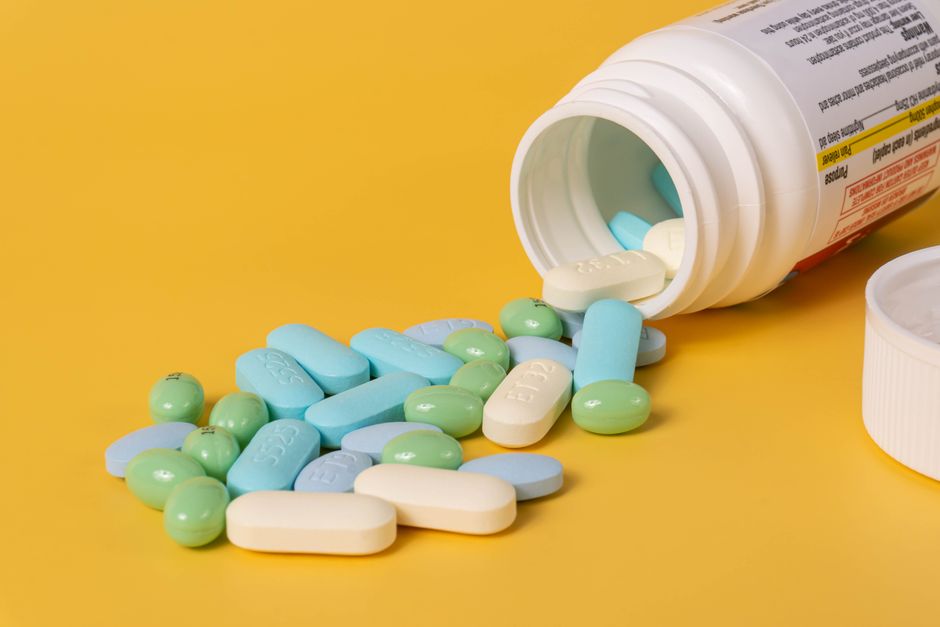
If you’ve ever left a doctor’s office or pharmacy holding a prescription for oxycodone or hydrocodone, you’ve probably wondered how the two compare. Both are opioid painkillers, both show up in common brand-name medications, and both carry real risks. But when it comes to oxycodone vs hydrocodone, which one actually packs a stronger punch?
This article breaks down the pharmacology, potency, side effects, and safety considerations of both drugs in plain language. You’ll learn how each medication works in the body, what the research says about relative strength, and what factors actually matter more than a simple milligram-for-milligram comparison. Whether you’re a patient, a caregiver, or just curious, this guide gives you the full picture.
Oxycodone vs Hydrocodone: The Quick Answer
Milligram for milligram, oxycodone is generally considered somewhat more potent than hydrocodone. Most clinical references and equianalgesic (equal pain-relief) tables suggest oxycodone is roughly 1.5 times stronger than hydrocodone. That means 10 mg of oxycodone may produce pain relief similar to about 13 to 15 mg of hydrocodone.
However, real-world strength comparisons are more complicated than they first appear. Potency on paper doesn’t always translate into potency in practice, because so much depends on the formulation you’re taking, how your body metabolizes the drug, your personal tolerance, and whether the medication is combined with other ingredients like acetaminophen. In other words, the “stronger” drug for one person may not feel stronger at all for someone else. To really understand the oxycodone vs hydrocodone debate, you have to look past the numbers on an equianalgesic chart and into the biology of how these two opioids actually behave once they enter the bloodstream.
How Oxycodone and Hydrocodone Work in the Body
Both oxycodone and hydrocodone belong to a class of drugs called semi-synthetic opioids. They’re derived from naturally occurring opiate alkaloids (thebaine for oxycodone, codeine for hydrocodone) and chemically modified to improve their pain-relieving effects and absorption. Despite their different starting points, both drugs ultimately do the same basic job: they bind to mu-opioid receptors in the brain and spinal cord, blocking pain signals and triggering the release of dopamine, which produces feelings of relief and, in some cases, euphoria.
Where the two drugs start to diverge is in how the liver processes them. Oxycodone is metabolized primarily by the CYP3A4 enzyme, with a smaller portion converted by CYP2D6 into a more potent active metabolite called oxymorphone. Hydrocodone, on the other hand, relies more heavily on CYP2D6 to convert into hydromorphone, a metabolite that is significantly stronger than the parent drug itself. If you’re curious about how that metabolite compares to hydrocodone in its own right, our detailed breakdown of hydrocodone vs hydromorphone explains just how much of a jump in potency that conversion represents.
This metabolic pathway matters because CYP2D6 activity varies widely from person to person due to genetics. Some people are “poor metabolizers” who convert very little hydrocodone into hydromorphone, meaning they get less pain relief from a standard dose. Others are “ultra-rapid metabolizers” who convert a larger share, intensifying the drug’s effects and, in rare cases, increasing overdose risk. The same genetic variability affects oxycodone’s conversion to oxymorphone, though to a somewhat lesser degree. This is one of the biggest reasons why strength comparisons between oxycodone and hydrocodone can’t be reduced to a single fixed ratio: your own liver enzymes play a starring role in how strong either drug feels.
Potency Comparison: What the Equianalgesic Data Actually Shows
Equianalgesic tables are charts used by clinicians to compare the relative potency of different opioids so they can safely switch a patient from one medication to another without under- or over-dosing them. These tables are built from decades of clinical research, but they’re best thought of as educated approximations rather than precise scientific formulas.
Most modern equianalgesic references place the oxycodone-to-hydrocodone ratio somewhere between 1:1 and 1.5:1, with oxycodone generally considered the stronger of the two. That means:
- 5 mg of oxycodone is roughly equivalent to 6.5 to 7.5 mg of hydrocodone
- 10 mg of oxycodone is roughly equivalent to 13 to 15 mg of hydrocodone
- 15 mg of oxycodone is roughly equivalent to 20 to 22.5 mg of hydrocodone
Some older studies and clinical guides list the two drugs as nearly equivalent on a milligram basis, which is part of why you’ll sometimes see conflicting information online. The truth is that both drugs are considered moderately strong opioids, sitting below more potent options like oxymorphone, hydromorphone, or fentanyl, but above weaker opioids like codeine or tramadol. If you want to see how oxycodone stacks up against one of the more powerful opioids on the market, take a look at our comparison of oxycodone vs fentanyl, which illustrates just how much variation exists across the opioid spectrum.
It’s also worth noting that potency isn’t the same as effectiveness. A drug can be “stronger” in a lab sense while still being less appropriate for a particular patient’s pain level, medical history, or risk profile. Strength is only one piece of a much bigger clinical puzzle.
Common Formulations and Brand Names
Part of the confusion around oxycodone vs hydrocodone comes from the sheer number of brand names and formulations each drug appears in. Recognizing these products can help you understand exactly what you (or a loved one) might be taking.
Oxycodone Products
- OxyContin – an extended-release formulation designed for around-the-clock pain management
- Roxicodone – an immediate-release tablet used for short-term or breakthrough pain
- Percocet – oxycodone combined with acetaminophen
- Xtampza ER – an extended-release capsule formulated to reduce misuse potential
Hydrocodone Products
- Vicodin – hydrocodone combined with acetaminophen
- Norco – another hydrocodone/acetaminophen combination, with slightly different dosing ratios than Vicodin
- Lortab – a similar acetaminophen combination product
- Hysingla ER – an extended-release, single-ingredient hydrocodone tablet
Interestingly, hydrocodone is far more commonly sold as a combination product, whereas oxycodone is widely available in both combination and standalone forms. This distinction matters clinically, because when acetaminophen is involved, dosing limits become just as important as opioid strength. If you take a combination product regularly, it’s worth reading our guide on whether you can safely take Tylenol with oxycodone, since accidental acetaminophen overload is a real and preventable risk.
For a closer look at how oxycodone doses are typically structured, our article on oxycodone strengths breaks down the 5 mg, 10 mg, 15 mg, 20 mg, and 30 mg tablets you’re likely to encounter, while our oxycodone dosage chart offers a broader educational overview of safe dosing ranges across different formulations.
Onset, Duration, and Half-Life: Speed Matters as Much as Strength
Strength isn’t just about how much pain relief a drug provides, it’s also about how quickly that relief kicks in and how long it lasts. This is where oxycodone and hydrocodone are actually quite similar.
Immediate-release oxycodone typically begins working within 10 to 30 minutes, reaches peak effect around one hour, and provides relief for roughly four to six hours. Immediate-release hydrocodone follows a nearly identical timeline, with onset in about 20 to 30 minutes and a similar four-to-six-hour duration. Extended-release versions of both drugs are designed to provide steady pain control over 12 hours (or in some formulations, 24 hours), rather than the peaks and valleys associated with immediate-release dosing.
Half-life, which measures how long it takes for half of a drug dose to be eliminated from the body, is also comparable between the two: oxycodone’s half-life is roughly 3 to 5 hours, while hydrocodone’s is around 3.5 to 4.5 hours. For a deeper dive into how this affects drug testing, tapering, and safety, our full breakdown of oxycodone’s half-life covers the topic in detail.
Because their timing profiles are so similar, the real-world experience of taking oxycodone versus hydrocodone often feels less about “strength” and more about individual response, tolerance, and formulation.
Side Effects: How Do They Compare?
Both drugs share a nearly identical side effect profile, which makes sense given that they act on the same opioid receptors. Common side effects include:
- Drowsiness and sedation
- Nausea and vomiting
- Constipation
- Dizziness or lightheadedness
- Dry mouth
- Sweating
- Itching
- Slowed breathing at higher doses
Sweating in particular is a side effect that catches many patients off guard, especially with longer-term use. If you’ve noticed this while taking oxycodone, our article on why oxycodone can cause sweating explains the underlying mechanisms and offers practical relief tips.
Because oxycodone is generally considered somewhat more potent milligram for milligram, some patients report slightly more intense side effects at equivalent “stronger” doses, particularly sedation and nausea. However, this isn’t universal, and many patients report the opposite experience, tolerating oxycodone better than hydrocodone or vice versa. Individual biochemistry, again, plays a huge role.
One area where the two drugs genuinely differ is liver risk, but this has more to do with formulation than the opioid itself. Since hydrocodone is almost always sold combined with acetaminophen, and oxycodone is available both alone and combined, patients taking combination products of either drug need to watch their total daily acetaminophen intake closely. Exceeding 3,000 to 4,000 mg of acetaminophen per day (from all sources, including over-the-counter cold medicine) can cause serious liver damage. Our guide on taking acetaminophen with oxycodone safely walks through exactly how to avoid this risk.
Addiction Potential and Abuse Risk
Both oxycodone and hydrocodone are classified as Schedule II controlled substances in the United States, meaning they have a high potential for abuse and dependence despite having legitimate medical uses. Neither drug is inherently “safer” from an addiction standpoint; both activate the brain’s reward pathways in nearly identical ways, and both can lead to physical dependence within just a few weeks of regular use.
That said, prescribing patterns and street availability have shifted over the years. Hydrocodone, historically the most prescribed opioid in the U.S. due to its widespread use in combination products like Vicodin, was reclassified from Schedule III to Schedule II in 2014 specifically because of rising concerns about misuse. Oxycodone, meanwhile, became infamous in the 1990s and 2000s largely due to the marketing and overprescription of OxyContin, which played a significant role in the early wave of the opioid crisis.
In terms of raw abuse potential, research generally shows the two drugs are comparably addictive when adjusted for dose and potency. Some studies suggest oxycodone may produce slightly more euphoria in certain individuals, which could theoretically make it more reinforcing and more attractive for misuse, but this finding isn’t universal across the research. The bigger predictors of addiction risk tend to be dose, duration of use, personal and family history of substance use disorder, and how the medication is taken (as prescribed versus crushed, snorted, or injected).
Which Is Safer? Factors That Matter More Than Milligrams
If you’re trying to figure out which drug is the “safer” choice for a specific situation, potency is honestly one of the least important factors. Here’s what actually matters more:
1. Kidney and Liver Function
Both drugs are processed by the liver and excreted by the kidneys. Patients with liver disease may struggle to metabolize either drug efficiently, leading to prolonged effects and higher overdose risk. Kidney impairment can cause metabolites to build up in the bloodstream, which is particularly relevant for oxycodone’s active metabolite, oxymorphone.
2. Other Medications
Drug interactions can dramatically change how “strong” either opioid feels. Both oxycodone and hydrocodone carry serious risks when combined with:
- Benzodiazepines (like Xanax or Valium), which significantly increase the risk of fatal respiratory depression
- Alcohol, which amplifies sedation and breathing suppression
- Other CNS depressants, including certain sleep aids and muscle relaxants
- Strong CYP3A4 inhibitors or inducers (like certain antifungal medications, macrolide antibiotics, or anticonvulsants), which can raise or lower blood levels of either drug unpredictably
3. Age and Body Composition
Older adults often experience heightened sensitivity to both opioids due to slower metabolism and increased fat-to-muscle ratio, which can prolong drug effects. Pediatric patients metabolize these drugs differently as well, which is part of why dosing guidelines vary so much by age group.
4. Tolerance
A patient who has taken opioids regularly for months will respond very differently to a given dose than someone who is opioid-naive. Tolerance can make a “weaker” drug feel insufficient, or a “stronger” drug feel manageable, independent of the drug’s inherent potency.
Oxycodone and Hydrocodone Combination Products: A Closer Look
Because Percocet (oxycodone/acetaminophen) and Vicodin or Norco (hydrocodone/acetaminophen) are so commonly prescribed, it’s worth comparing them directly. Percocet typically comes in oxycodone doses of 2.5 mg, 5 mg, 7.5 mg, or 10 mg, paired with either 325 mg of acetaminophen (in some formulations) or up to 300-325 mg depending on the specific product. Norco, by contrast, comes in hydrocodone doses of 5 mg, 7.5 mg, or 10 mg, typically paired with 325 mg of acetaminophen.
When comparing these products head-to-head at matched hydrocodone-to-oxycodone ratios, Percocet tends to produce slightly stronger pain relief per milligram, consistent with the broader potency data. However, because acetaminophen content is often similar across both product lines, the practical difference in daily acetaminophen exposure is usually minimal, provided patients don’t exceed recommended dosing.
Drug Interactions to Watch For
Beyond the interactions already mentioned, there are a few specific categories worth flagging for anyone taking either medication:
- Grapefruit and grapefruit juice can inhibit CYP3A4 activity, potentially increasing blood levels of both oxycodone and hydrocodone.
- MAOIs (monoamine oxidase inhibitors) used for depression can interact dangerously with opioids and typically require a washout period before starting either drug.
- Serotonergic medications, including certain antidepressants, can increase the risk of serotonin syndrome when combined with opioids, though this is more commonly discussed with tramadol than with oxycodone or hydrocodone.
- Muscle relaxants like carisoprodol can compound sedation risk significantly. If you’re weighing pain relief options that involve muscle relaxants, our comparison of carisoprodol vs tramadol offers useful context on how these combinations affect the body.
Always disclose your full medication list, including over-the-counter drugs and supplements, to your prescriber and pharmacist before starting either oxycodone or hydrocodone.
When Might a Doctor Choose One Over the Other?
In clinical practice, the choice between oxycodone and hydrocodone often comes down to factors that have little to do with which drug is technically stronger. Some common considerations include:
- Severity of pain: Oxycodone is sometimes preferred for more severe acute pain, such as post-surgical recovery, due to its slightly higher potency and availability in higher single-agent doses.
- Insurance and cost: Hydrocodone combination products are often less expensive and more readily covered by insurance, making them a common first-line choice for moderate pain.
- Formulation needs: If a patient needs an extended-release option without acetaminophen, oxycodone (OxyContin) or hydrocodone (Hysingla ER) may be chosen based on specific pharmacokinetic goals.
- Patient history: A history of poor response or intolerance to one drug often steers a prescriber toward the other, since individual response varies so much.
- State regulations: Prescribing rules, especially around controlled substances, vary by state and can influence which medication is more readily accessible. If you live in a state with specific opioid prescribing laws, our state-by-state guides, such as those covering Texas, Florida, and California, break down what patients need to know about local prescribing rules and safety requirements.
Ultimately, the “stronger” drug on paper isn’t always the better choice for a given patient. A good prescriber weighs potency alongside safety, tolerability, cost, and the specific type of pain being treated.
Tapering and Withdrawal: Is One Harder to Quit?
Because oxycodone and hydrocodone have similar half-lives and act on the same receptors, withdrawal symptoms are nearly identical between the two. Common withdrawal symptoms include muscle aches, anxiety, sweating, insomnia, nausea, diarrhea, and intense cravings. Symptoms typically begin within 8 to 24 hours of the last dose and peak around 72 hours, gradually subsiding over one to two weeks, though psychological symptoms can linger longer.
Neither drug is considered easier or harder to taper than the other in a general sense; what matters more is the total daily dose, duration of use, and whether tapering is done gradually under medical supervision. Abruptly stopping either medication after prolonged use is not recommended. According to Mayo Clinic, gradual dose reduction under a physician’s guidance is the safest way to discontinue long-term opioid therapy, regardless of which specific opioid is involved.
Overdose Risk: How the Two Compare
Opioid overdose occurs when the drug suppresses breathing to a dangerous or fatal degree. Because oxycodone is somewhat more potent per milligram, a comparable “high” dose of oxycodone could theoretically carry slightly more overdose risk than the same numerical dose of hydrocodone. But in practice, overdose risk is driven far more by combining opioids with other depressants (alcohol, benzodiazepines, or sedatives), taking doses larger than prescribed, or using tampered/crushed extended-release formulations that release the full dose too quickly.
Naloxone, the opioid overdose reversal medication, works equally well on both oxycodone and hydrocodone overdoses, since both drugs act on the same opioid receptors that naloxone blocks. Anyone taking either medication regularly, or living with someone who does, may benefit from keeping naloxone on hand as a safety precaution, a recommendation increasingly echoed by pharmacists and public health organizations across the country.
Frequently Asked Questions
Is 10 mg of oxycodone equal to how much hydrocodone?
Most equianalgesic references suggest that 10 mg of oxycodone is roughly equivalent to 13 to 15 mg of hydrocodone, though individual response can vary based on metabolism and tolerance.
Which drug has worse side effects, oxycodone or hydrocodone?
Side effect profiles are nearly identical between the two, including nausea, constipation, drowsiness, and sweating. Some patients tolerate one better than the other, but there’s no consistent evidence that one drug causes uniformly worse side effects across the board.
Can you switch from hydrocodone to oxycodone safely?
Switching between opioids, sometimes called opioid rotation, should only be done under a doctor’s supervision using appropriate equianalgesic dosing calculations. Because oxycodone is somewhat more potent, a straight dose-for-dose switch could result in overdose.
Is hydrocodone easier to get than oxycodone?
Both are Schedule II controlled substances requiring a prescription, but hydrocodone combination products have historically been more commonly prescribed for moderate pain, partly due to lower cost and broader insurance coverage, though this varies by region and prescriber.
Which drug is more commonly abused, oxycodone or hydrocodone?
Both drugs carry significant abuse potential. Oxycodone, particularly in its OxyContin form, gained notoriety during the early opioid crisis, while hydrocodone’s widespread prescribing historically made it one of the most commonly misused opioids in the U.S. Neither is inherently “safer” from a misuse standpoint.
Conclusion
When it comes to oxycodone vs hydrocodone, the honest answer is that oxycodone is generally considered somewhat stronger on a milligram-for-milligram basis, but that fact alone shouldn’t drive treatment decisions. Side effects, addiction risk, withdrawal symptoms, and overdose potential are all remarkably similar between the two drugs. What actually determines how “strong” either medication feels for you comes down to your liver’s metabolic pathways, your tolerance, your other medications, and the specific formulation you’re prescribed.
If you’re currently taking either oxycodone or hydrocodone, the most important thing you can do is follow your prescriber’s instructions closely, disclose all other medications and supplements you’re taking, watch your acetaminophen intake if you’re on a combination product, and never adjust your dose without medical guidance. Both drugs can provide effective, legitimate pain relief when used responsibly and under proper medical supervision, but both also carry real risks that deserve to be taken seriously. When in doubt, talk to your doctor or pharmacist, they’re your best resource for understanding exactly how these medications will affect you as an individual.