Health Tips
Oxycodone Information for California Patients: What You Need to Know

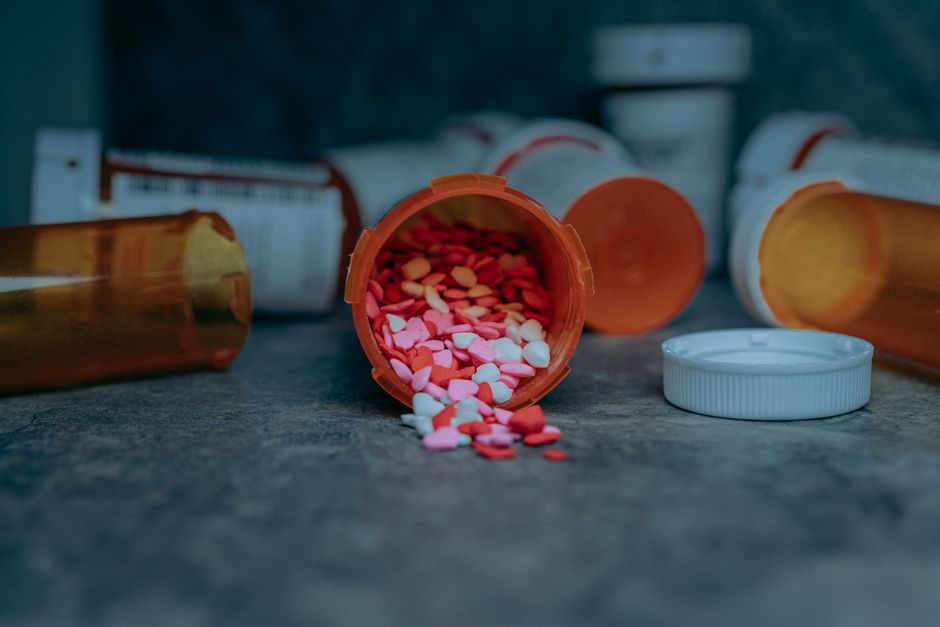
If you’ve been prescribed oxycodone in California, you’ve probably noticed that the process feels a bit different than what friends or family in other states describe. That’s not your imagination. California has some of the strictest prescription monitoring rules in the country, and understanding them can save you from delays at the pharmacy, unexpected paperwork, or confusion about refills.
This guide pulls together the oxycodone information for California patients that actually matters day to day: how the state tracks controlled substances, what your doctor and pharmacist are required to do, how dosing and strengths work, what side effects to watch for, and how to store and dispose of your medication safely. Whether you’re starting oxycodone for the first time after surgery or managing chronic pain long term, this article will walk you through what to expect.
What Is Oxycodone and How Does It Work?
Oxycodone is a semi-synthetic opioid prescribed to manage moderate to severe pain. It works by binding to opioid receptors in the brain and spinal cord, which blocks pain signals and changes how the body perceives discomfort. It’s available in immediate-release tablets (like Roxicodone) and extended-release formulations (like OxyContin), as well as in combination products with acetaminophen, such as Percocet.
Because oxycodone is a Schedule II controlled substance under federal law, it carries a high potential for misuse and dependence alongside its legitimate medical benefits. California treats it with the same federal classification but layers additional state-specific rules on top, which is where things can get confusing for patients who aren’t familiar with the process.
For a broader overview of how the drug behaves in the body, including onset time and duration, the Complete Oxycodone Resource Center is a good starting point before diving into California-specific rules.
California’s Prescription Drug Laws for Oxycodone
California regulates opioid prescriptions more tightly than many other states. This isn’t unique to oxycodone, but because oxycodone is one of the most commonly prescribed and misused opioids, patients feel the effects of these regulations directly.
The CURES Database
California operates the Controlled Substance Utilization Review and Evaluation System, known as CURES. Every time a pharmacist fills an oxycodone prescription, that transaction gets logged into this statewide database. Prescribers are required to check CURES before writing a new opioid prescription for a patient, and again periodically during ongoing treatment.
What this means for you as a patient:
- Your prescription history for controlled substances is visible to any licensed prescriber or pharmacist who checks the system.
- If you’ve recently filled an oxycodone prescription from another doctor, your new provider will likely see it and may ask questions.
- CURES helps prevent duplicate prescriptions, but it can occasionally flag legitimate patients who see multiple specialists, so it helps to keep your care coordinated and mention any other prescribers to your doctor upfront.
Prescription Limits and Refill Rules
California law generally restricts initial opioid prescriptions for acute pain to a maximum of a 7-day supply for first-time patients, with some exceptions for chronic pain, cancer care, palliative care, and other specific circumstances. Schedule II prescriptions, including oxycodone, cannot be refilled the way many non-controlled medications can. Each fill requires a new prescription, whether written, electronic, or in limited cases, called in under emergency provisions.
If you’re managing chronic pain, your doctor may write for a longer supply, but they’ll typically want to see you on a regular schedule (often monthly) to reassess your pain levels, monitor for side effects, and review your CURES report.
Mandatory Electronic Prescribing
Since 2022, California has required nearly all controlled substance prescriptions, including oxycodone, to be submitted electronically rather than on paper. This reduces the risk of prescription fraud and forgery, but it also means your prescriber needs proper e-prescribing software set up. If you’re at a smaller clinic or urgent care, ask ahead of time whether they can send an oxycodone prescription electronically to avoid delays.
Getting an Oxycodone Prescription in California
Whether you’re recovering from surgery, dealing with an injury, or managing a chronic condition, getting an oxycodone prescription filled in California generally follows this pattern:
- Evaluation: Your doctor assesses your pain, medical history, and any risk factors for substance misuse.
- CURES check: The prescriber reviews your controlled substance history in the state database.
- E-prescription sent: The prescription is transmitted electronically to your chosen pharmacy.
- Pharmacy verification: The pharmacist confirms your identity, checks the prescription against CURES, and may ask about other medications you’re taking.
- Counseling: Many California pharmacies are required to offer a naloxone co-prescription or at least discuss it, especially for higher-dose or long-term opioid prescriptions.
Naloxone Co-Prescribing
California encourages, and in some cases requires, prescribers to offer naloxone (an opioid overdose reversal medication) alongside oxycodone prescriptions when certain risk factors are present, such as high daily doses, concurrent benzodiazepine use, or a history of substance use disorder. Don’t be alarmed if your doctor brings this up. It’s a standard safety precaution, not an accusation, and having naloxone on hand is a smart move for any household where opioids are stored.
Oxycodone Dosage and Strengths
Oxycodone comes in a range of strengths, and your prescribed dose depends on factors like the severity of your pain, your prior opioid exposure, kidney and liver function, and other medications you’re taking.
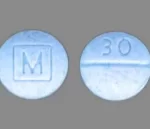
Common immediate-release tablet strengths include 5 mg, 10 mg, 15 mg, 20 mg, and 30 mg. For a detailed breakdown of what each strength is typically used for and how they compare, see Oxycodone Strengths Explained.
If you want a visual reference for how dosing is typically structured over the course of treatment, the Oxycodone Dosage Chart offers an educational overview, though your specific dose should always come from your prescribing physician, not a general chart.
How Long Oxycodone Stays in Your System
Understanding the half-life of oxycodone can help explain why some formulations require dosing every 4 to 6 hours while extended-release versions are taken every 12 hours. The immediate-release form typically has a half-life of around 3 to 4.5 hours, meaning it clears from the bloodstream relatively quickly, though effects on pain relief and detection windows differ. For a full explanation, check out Oxycodone Half-Life Explained.
Best Timing for Pain Control
Many California patients ask their doctors or pharmacists about the ideal time to take oxycodone for consistent pain relief, especially when balancing it with meals, sleep schedules, or work commitments. Taking your dose around the same time each day helps maintain steady pain control and reduces the chances of breakthrough pain. For more detail, see Best Time to Take Oxycodone for Pain Relief.
Common Side Effects and What They Mean
Like all opioids, oxycodone comes with a list of potential side effects. Most are manageable, but it helps to know what’s typical and what warrants a call to your doctor.
Digestive Side Effects
Constipation is by far the most common and persistent side effect of oxycodone use. Unlike drowsiness or nausea, which often fade as your body adjusts, constipation tends to stick around for as long as you’re taking the medication. Staying hydrated, increasing fiber intake, and staying active can help. For specific food recommendations, see Best Foods to Relieve Oxycodone Constipation and Oxycodone and Constipation: Prevention & Relief Strategies.
Nausea is also common, particularly when starting the medication or increasing your dose. Taking oxycodone with a small amount of food can sometimes reduce stomach upset. Learn more in Oxycodone Nausea: Causes and Relief Tips and Should You Take Oxycodone Before or After Food?
Skin and Sensory Side Effects
Some patients experience itching, sweating, or night sweats while on oxycodone. These reactions are usually related to histamine release triggered by opioids rather than a true allergy. If these symptoms are bothering you, your doctor may suggest an antihistamine or a dose adjustment. See Why Does Oxycodone Make Me Itchy?, Can Oxycodone Cause Sweating?, and Oxycodone and Night Sweats for more detail.
Less Common but Notable Effects
Some patients report blurred vision, hiccups, ringing in the ears, or changes in blood pressure while taking oxycodone. These aren’t the most typical reactions, but they’re worth understanding if you experience them. Related reading includes Oxycodone and Blurred Vision, Oxycodone and Hiccups, Can Oxycodone Cause Ringing in the Ears?, and Can Oxycodone Lower Blood Pressure?
You might also notice changes in urine color while taking oxycodone or other medications alongside it, which is usually harmless but worth understanding. See Oxycodone Urine Color Changes: What Patients Should Know.
What to Do If You Miss a Dose or Take Too Much
Life happens, and sometimes doses get missed or accidentally doubled. Knowing the right response ahead of time reduces panic and risk. If you skip a dose, the general rule is to take it as soon as you remember unless it’s almost time for your next scheduled dose, in which case you skip the missed one rather than doubling up. For full guidance, see What Happens If You Miss an Oxycodone Dose?
On the other end, accidentally taking an extra dose is a more serious situation that requires monitoring for signs of overdose such as slowed breathing, excessive drowsiness, or confusion. Read What to Do If You Accidentally Take Two Oxycodone Pills for step-by-step advice, and don’t hesitate to call Poison Control or 911 if symptoms appear serious.
Safe Storage and Disposal Rules in California
California takes opioid storage and disposal seriously, and for good reason. Unused pills sitting in a medicine cabinet are one of the most common sources of accidental misuse, particularly among teenagers and other household members.
Storage Recommendations
- Keep oxycodone in its original labeled container, away from children and pets.
- Consider a lockbox or locked cabinet, especially in households with teenagers or frequent visitors.
- Avoid storing it in a bathroom medicine cabinet where humidity can degrade the medication and where it’s easily accessible to guests.
- Never share your prescription with anyone else, even if they’re dealing with similar pain, since this is both illegal and dangerous.
Disposal Options
California has an extensive drug take-back network. Many pharmacies, including large chains like CVS and Walgreens, have secure medication drop boxes where you can dispose of unused oxycodone at any time, no questions asked. The California Department of Resources Recycling and Recovery also promotes periodic community take-back events, often coordinated with local law enforcement.
If a take-back location isn’t accessible, the FDA recommends a flush list for certain high-risk opioids, including oxycodone, because the danger of accidental ingestion outweighs environmental concerns. Alternatively, mixing pills with an unpalatable substance like used coffee grounds or cat litter, sealing them in a bag, and throwing them in household trash is an acceptable at-home method when a take-back program isn’t nearby.
Insurance, Medi-Cal, and Cost Considerations in California
Cost is a real concern for many patients, especially those managing long-term pain. In California, coverage for oxycodone varies significantly depending on your insurance type.
Medi-Cal Coverage
Medi-Cal, California’s Medicaid program, generally covers oxycodone when prescribed appropriately, but it may require prior authorization for higher doses or long-acting formulations. Pharmacies participating in Medi-Cal are also subject to the same CURES reporting requirements as any other California pharmacy.
Private Insurance and Formularies
Most private insurance plans cover generic oxycodone at a relatively low copay, but brand-name extended-release versions like OxyContin often require prior authorization or step therapy, meaning you may need to try a less expensive alternative first. If cost is a barrier, ask your pharmacist about generic options or manufacturer assistance programs.
Uninsured Patients
For patients without insurance, generic immediate-release oxycodone tends to be relatively affordable compared to many other prescription drugs, though prices vary by pharmacy. Community health centers and county clinics across California often have sliding-scale fee structures that can help reduce out-of-pocket costs for both the office visit and the prescription.
Traveling With Oxycodone in California
If you’re traveling within California or heading to another state, a few precautions can prevent unnecessary hassle.
- Always keep oxycodone in its original prescription bottle with your name and prescriber’s information visible.
- Carry a copy of your prescription or a note from your doctor, especially for air travel.
- The Transportation Security Administration allows prescription medications, including opioids, in carry-on luggage, but it’s wise to declare them at the checkpoint if they’re not in original packaging.
- If traveling to another country, research that country’s laws in advance since some nations have strict rules or outright bans on opioid medications, even with a valid US prescription.
Doctor Shopping Laws and Why They Matter
California law explicitly prohibits obtaining controlled substances from multiple prescribers without disclosing other prescriptions, a practice often called doctor shopping. This isn’t just an ethical guideline, it’s a criminal offense under California Health and Safety Code provisions, and CURES was specifically designed to catch this behavior.
For patients with legitimate, complex medical needs who see multiple specialists, the key is transparency. Tell each prescriber about your other treatments and medications. This protects you from being flagged unfairly and helps your care team coordinate more effectively. It’s far better to have an open conversation with your doctor than to have a CURES report raise questions no one can answer.
Recognizing Signs of Dependence or Misuse
Physical dependence can develop even when oxycodone is taken exactly as prescribed, since the body adapts to regular opioid exposure over time. This is different from addiction, which involves compulsive use despite negative consequences. Still, it’s worth knowing the warning signs of a developing problem:
- Needing higher doses to get the same pain relief (tolerance)
- Taking oxycodone for reasons other than physical pain, such as stress or mood
- Running out of medication early on a consistent basis
- Feeling anxious or preoccupied about your next dose
- Withdrawal symptoms like sweating, irritability, or nausea when a dose is delayed
If any of these sound familiar, talk to your prescriber honestly. They can adjust your treatment plan, explore non-opioid alternatives, or refer you to specialized support without judgment.
Resources for California Patients
California has invested in several patient-facing resources related to opioid safety:
- The California Department of Public Health offers educational materials on safe opioid use and disposal.
- Local county behavioral health departments provide free or low-cost substance use counseling and support groups.
- Pharmacies statewide participate in the naloxone standing order program, which allows Californians to obtain naloxone without an individual prescription in many cases.
For general medical reference on oxycodone’s uses, interactions, and warnings, the Drugs.com database and Mayo Clinic are reliable, regularly updated sources worth bookmarking.
How California’s Rules Compare to Other States
It’s worth understanding that California isn’t an outlier in trying to control opioid prescribing, but its specific mechanisms, like mandatory CURES checks and near-universal e-prescribing, are more comprehensive than what’s found in many other states. Prescription drug monitoring programs exist nationwide, but the scope of enforcement and integration into daily pharmacy practice varies. If you’re moving to California from another state or splitting time between states, it helps to understand these differences ahead of time. For a broader look at why these variations exist, see State-Based Educational Pages: Why Prescription Drug Laws Vary by State.
Frequently Asked Questions
Can a California pharmacy refuse to fill my oxycodone prescription?
Yes. Pharmacists in California have professional discretion to refuse to fill a prescription if they have concerns about its legitimacy, dosage, or potential for misuse. This can happen even with a valid prescription from a licensed doctor. If this happens, ask the pharmacist directly what their concern is, and consider having your prescriber contact the pharmacy to clarify the treatment plan.
How long is an oxycodone prescription valid in California?
Schedule II prescriptions, including oxycodone, must generally be filled within six months of the date written, and no refills are permitted on the same prescription. Each new fill requires a new prescription from your provider.
Is it legal to travel across state lines with oxycodone prescribed in California?
Generally yes, as long as it’s in its original prescription bottle and you have documentation showing it was legally prescribed to you. However, laws can vary by state and country, so it’s smart to carry your prescription information when traveling, particularly by air or across international borders.
Does California require doctors to offer alternatives to opioids before prescribing oxycodone?
While there’s no absolute legal mandate to try alternatives first in every case, California’s opioid prescribing guidelines encourage physicians to consider non-opioid pain management options, especially for chronic, non-cancer pain, before turning to long-term opioid therapy. Many insurance plans also require documentation of prior treatment attempts for coverage approval.
What should I do with leftover oxycodone after my treatment ends?
Do not keep unused oxycodone in your home. Take it to a pharmacy drop box, a local law enforcement drug take-back location, or dispose of it at home using an FDA-recommended method, such as mixing it with an undesirable substance and sealing it before throwing it away.
Final Thoughts
Oxycodone can be an effective tool for managing pain, but navigating it in California means understanding a system built around careful oversight. From CURES tracking to mandatory e-prescribing and strict refill rules, the state has designed these safeguards to protect patients while still allowing access to necessary pain relief. The more informed you are about how these rules work, the smoother your treatment experience will be, and the better equipped you’ll be to spot problems early, whether that’s a side effect worth mentioning to your doctor or a storage habit that needs to change.
If you take away one thing from this guide, let it be this: communicate openly with your prescriber and pharmacist. Most of the friction patients experience with California’s opioid laws comes down to gaps in communication, not the rules themselves. Stay informed, store your medication safely, and don’t hesitate to ask questions whenever something feels unclear.