Health Tips
Oxycodone Information for Illinois Patients: Laws, Prescriptions, and Safety Guide

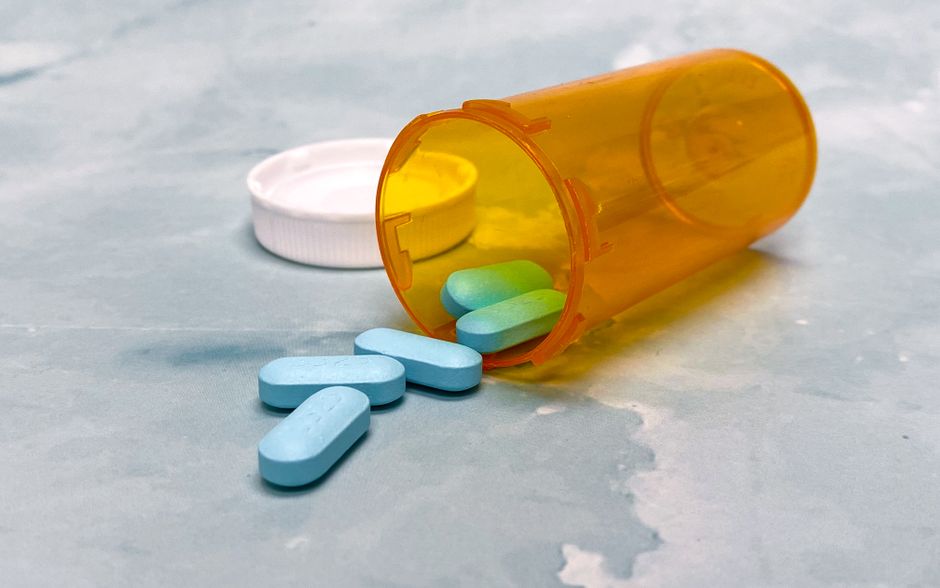
If you’ve been prescribed oxycodone in Illinois, you probably have questions that go beyond what your doctor covered in a rushed fifteen-minute appointment. How many pills can a pharmacy legally dispense at once? Why does your prescriber use an electronic system instead of a paper script? What happens if you need a refill early? This guide answers those questions specifically for oxycodone information for Illinois patients, covering state law, pharmacy practice, safety tips, and what to do if something goes wrong.
Illinois has its own rules layered on top of federal drug law, and those rules affect how your prescription gets written, filled, tracked, and renewed. Understanding them can save you a frustrating trip to the pharmacy or an awkward conversation with your doctor’s office. Let’s walk through everything you need to know.
What Is Oxycodone and Why Is It Prescribed?
Oxycodone is a semi-synthetic opioid used to manage moderate to severe pain. Doctors prescribe it after surgery, for injury-related pain, for cancer pain, or for chronic conditions when other treatments haven’t worked well enough. It’s sold under brand names like OxyContin (extended-release) and Roxicodone (immediate-release), and it’s also a component of combination products such as Percocet, which pairs oxycodone with acetaminophen.
The drug works by binding to opioid receptors in the brain and spinal cord, blocking pain signals and producing a sense of relief and, at higher doses, euphoria. That euphoric effect is exactly why oxycodone carries such a high potential for misuse and why federal and state governments regulate it so tightly.
Oxycodone comes in several strengths, and understanding the difference matters for both effectiveness and safety. If you want a deeper breakdown, our guide on oxycodone strengths explained covers the 5 mg, 10 mg, 15 mg, 20 mg, and 30 mg tablets and how dosing typically progresses.
Oxycodone’s Legal Classification in Illinois
Under federal law, oxycodone is a Schedule II controlled substance. Illinois mirrors this classification through the Illinois Controlled Substances Act (720 ILCS 570), which regulates how the drug is prescribed, dispensed, stored, and tracked throughout the state. Schedule II status means oxycodone has a legitimate medical use but also carries a high potential for abuse and dependence, which is why the rules around it are so much stricter than for, say, a Schedule IV medication like a typical anxiety prescription.
Because of this classification, Illinois pharmacies and prescribers must follow specific documentation, storage, and reporting requirements every single time oxycodone changes hands, whether it’s a hospital dispensing it to a patient, a doctor writing a script, or a pharmacy filling one.
Schedule II Rules That Apply to Illinois Patients
- Prescriptions cannot be phoned in verbally except in a genuine emergency, and even then, a written or electronic follow-up is typically required.
- Refills are not permitted on Schedule II prescriptions. Each fill requires a brand-new prescription from your provider.
- Prescriptions are generally valid for a limited window after being written, so patients need to fill them promptly.
- Pharmacies must verify identification for controlled substance pickups in many cases, especially for new patients or large quantities.
Illinois Prescription Monitoring Program (PMP)
Illinois operates the Illinois Prescription Monitoring Program, a statewide electronic database that tracks every controlled substance prescription filled in the state. When your doctor prescribes oxycodone, that transaction gets logged, and both prescribers and pharmacists are required to check the PMP before prescribing or dispensing to you in most circumstances.
The purpose of the PMP isn’t to make patients feel surveilled or distrusted. It exists to catch dangerous situations, such as a patient unknowingly receiving overlapping opioid prescriptions from multiple doctors, or a prescriber who may be over-prescribing. For patients using oxycodone as directed, the PMP check is usually invisible and doesn’t slow down care at all.
However, it does mean a few things practically:
- Your prescriber will likely ask about any other controlled substances you’re taking, including from other doctors or dentists.
- If you’ve recently moved to Illinois from another state, your prescription history may not be fully visible in the Illinois system yet, so bring documentation of prior prescriptions to your first appointment.
- Pharmacists may ask follow-up questions if the PMP shows something unusual, like an early refill request or an overlapping prescription from a different provider.
Electronic Prescribing Requirements in Illinois
Illinois law requires that most controlled substance prescriptions, including oxycodone, be transmitted electronically from the prescriber directly to the pharmacy. This mandate was designed to cut down on prescription fraud, forged paper scripts, and errors caused by illegible handwriting.
For patients, this means a few practical changes compared to how prescriptions used to work:
- You typically won’t receive a paper prescription to carry to the pharmacy yourself. Instead, it’s sent electronically and appears in the pharmacy’s queue.
- You should confirm with your doctor’s office which pharmacy they sent it to, especially if you use multiple pharmacies or a mail-order service.
- In rare cases, such as technical outages or specific emergency situations, a paper or verbal prescription may still be used, but these exceptions are narrow and documented.
If your doctor’s office and pharmacy use different electronic health record systems, occasionally a prescription can get delayed or lost in transmission. If you haven’t received a text or call from your pharmacy within a reasonable time after your appointment, it’s worth calling to confirm the prescription actually arrived.
Quantity Limits and Refill Rules in Illinois
Illinois doesn’t impose a single statewide numeric cap on every oxycodone prescription, but state guidance strongly encourages prescribers to limit initial opioid prescriptions for acute pain, often to a supply of seven days or fewer for first-time or short-term pain issues. Chronic pain patients under ongoing management with a specialist are typically exempt from these short-supply defaults, but the prescriber has to document the reasoning.
Because oxycodone is Schedule II, there are no automatic refills. Every single fill requires a new prescription, which means:
- You’ll need to schedule follow-up appointments or check-ins before your current supply runs out.
- Pharmacies cannot simply add extra oxycodone refills on their own authority, no matter how the request is phrased.
- Planning ahead for holidays, weekends, and travel is essential since pharmacies and prescribers may have limited availability during those windows.
- Running out early because a dose was missed, doubled, or taken incorrectly does not usually justify an emergency early refill, so understanding your prescribed schedule matters. If you’re unsure what to do after a missed or accidental double dose, resources like what to do if you accidentally take two oxycodone pills and what happens if you miss an oxycodone dose can help you understand appropriate next steps before contacting your prescriber.
Some Illinois pharmacies also apply their own internal policies on top of state and federal rules, such as requiring patients to fill Schedule II prescriptions at the same location every time or limiting how early a refill can be picked up relative to the previous fill date. These internal policies are legal, and they exist largely to comply with corporate diversion-control programs, so don’t be surprised if a specific pharmacy chain feels stricter than another.
Illinois Prescription Monitoring Program (PMP)
Illinois maintains a Prescription Monitoring Program, often abbreviated PMP, that tracks every controlled substance prescription filled in the state, including oxycodone. Pharmacists are required to report dispensed controlled substances to this database, typically within 24 hours, and prescribers are required to check it before writing new opioid prescriptions in most circumstances.
This system exists to help identify patterns that might suggest misuse, such as a patient receiving overlapping prescriptions from multiple providers or filling at an unusual number of different pharmacies. For the vast majority of patients using oxycodone exactly as prescribed for a legitimate medical reason, the PMP has virtually no practical impact on daily life. You won’t notice it. Your doctor checks it, confirms your prescription history is consistent with your treatment plan, and moves forward with care as usual.
Where patients sometimes do notice the PMP is when they’ve recently moved to Illinois from another state, switched insurance plans, or changed doctors. In these situations, a new prescriber may want to review your out-of-state or prior in-state prescription history, confirm your diagnosis and treatment plan with your previous provider, or request updated records before writing a new oxycodone prescription. This isn’t an accusation of wrongdoing. It’s standard due diligence that protects both the patient and the prescriber.
Traveling With Oxycodone in Illinois
If you’re traveling within Illinois, or into Illinois from another state, with a legitimate oxycodone prescription, a few practical steps can prevent unnecessary complications:
- Keep the medication in its original, pharmacy-labeled container rather than a pill organizer, at least while traveling.
- Carry a copy of the prescription or a note from your prescriber, particularly for longer trips or air travel.
- Pack the medication in carry-on luggage rather than checked baggage if flying, both to prevent loss and because TSA guidance permits medically necessary medications in carry-on bags.
- Be aware that state laws can differ once you cross state lines. What’s routine in Illinois may involve different quantity limits or documentation expectations elsewhere. Patients relocating or splitting time between states sometimes find it helpful to review guides for their other state of residence, such as the Florida oxycodone guide, the Texas oxycodone guide, or the California oxycodone guide, since state-level opioid rules can vary significantly.
International travel with oxycodone is a separate and more complicated matter entirely, since some countries classify oxycodone far more strictly than the United States does, or ban it outright. Patients planning international travel should contact the embassy or consulate of their destination country well in advance and should never assume that a valid U.S. prescription guarantees legal entry with the medication.
Naloxone Access and Illinois’ Standing Order
Illinois has taken significant steps to expand access to naloxone, the opioid overdose reversal medication, recognizing that any patient taking oxycodone, even exactly as prescribed, carries some level of overdose risk, particularly if combined with other central nervous system depressants like benzodiazepines or alcohol.
Under a statewide standing order, Illinois pharmacists can dispense naloxone directly to patients, family members, or caregivers without a patient-specific prescription. This means you can walk into most participating pharmacies and request naloxone, whether it’s the nasal spray version or an injectable formulation, without first visiting a doctor.
Many prescribers in Illinois now routinely offer a naloxone co-prescription alongside oxycodone, especially for patients on higher doses, patients with a history of substance use, or patients also prescribed a benzodiazepine. This isn’t a judgment about the patient. It’s a safety net, similar to how someone with a severe allergy might carry an epinephrine auto-injector even if they’ve never needed to use it. Keeping naloxone in the home, and making sure household members know where it is and how to use it, is a reasonable precaution for essentially any household where opioid medications are present.
Safe Storage and Disposal Requirements
Illinois encourages, and in some settings requires, secure storage of controlled substances like oxycodone, particularly in households with children, teenagers, or other individuals who might be tempted to misuse leftover medication. A locked box or cabinet is the most reliable method, since child-resistant packaging from the pharmacy is helpful but not truly childproof or theft-proof.
When it comes to disposal, Illinois participates in numerous take-back programs designed to keep unused oxycodone out of the wrong hands and out of the water supply:
- Many pharmacies, hospitals, and police departments across Illinois host permanent drug take-back kiosks where you can drop off unused or expired medication anonymously, no questions asked.
- The DEA sponsors National Prescription Drug Take Back Day twice a year, and Illinois consistently hosts numerous collection sites during these events.
- If no take-back option is readily available, the FDA’s flush list identifies certain opioid medications, including oxycodone, as appropriate for flushing down the toilet specifically because the overdose and misuse risk of keeping them in the home outweighs the relatively small environmental impact.
- Alternatively, mixing leftover pills with an unappealing substance like used coffee grounds or cat litter, sealing them in a bag, and discarding them in household trash is an acceptable at-home method when take-back options aren’t accessible.
Proper disposal matters more than many patients realize. Leftover prescription opioids sitting in a medicine cabinet are a well-documented source of initial misuse, particularly among teenagers and young adults experimenting with medications found at home.
What Illinois Patients Should Discuss With Their Doctor
Because oxycodone carries real risks alongside its legitimate pain-relief benefits, having an open, ongoing conversation with your prescriber is one of the most important things you can do as a patient. Some topics worth raising include:
- Your complete medication list, including over-the-counter drugs, supplements, and anything prescribed by other providers, to screen for interactions.
- Any personal or family history of substance use disorder, since this context helps your doctor design a safer treatment plan, not because it disqualifies you from receiving appropriate pain treatment.
- Side effects you’re experiencing, even ones that feel minor or embarrassing. Symptoms like unusual sweating, itching, or nausea are common enough that your prescriber has almost certainly heard about them before and may have simple solutions.
- Whether the timing of your doses, such as taking oxycodone in relation to meals or at a specific point in your day, might improve its effectiveness or reduce side effects. Guides like whether to take oxycodone before or after food and the best time to take oxycodone for pain relief can offer helpful background before your next appointment.
- Your long-term plan, including how and when you and your doctor will reassess whether continued opioid therapy remains the right choice, or whether tapering or alternative treatments might be introduced.
Patients sometimes worry that asking too many questions will make their doctor suspicious of them or reluctant to continue prescribing. In reality, the opposite is usually true. Prescribers generally view engaged, informed patients as easier and safer to treat, precisely because open communication reduces the chances of miscommunication, accidental misuse, or dangerous drug interactions.
Understanding Oxycodone Strengths and Formulations
Oxycodone in Illinois pharmacies comes in a range of strengths and formulations, and understanding the difference matters for both safety and expectations around pain relief. Immediate-release oxycodone tablets are commonly available in 5 mg, 10 mg, 15 mg, 20 mg, and 30 mg strengths, each intended for a different level of pain severity and patient tolerance. Extended-release formulations, by contrast, are designed to release the medication gradually over 12 hours and should never be crushed, split, or chewed, since doing so can cause a dangerous, rapid release of the full dose at once.
Patients new to oxycodone, or those whose dosage has recently changed, often benefit from reviewing detailed breakdowns of what each strength is typically used for. Resources such as oxycodone strengths explained and the oxycodone dosage chart can offer useful educational context, though they should never replace direct guidance from your prescribing physician or pharmacist.
It’s also worth understanding how long oxycodone remains active in your system, both for practical reasons, like timing your next dose, and for safety reasons, like understanding how long effects and interactions might persist. The article on oxycodone’s half-life breaks this down in plain language.
Special Considerations for Older Adults and Illinois Patients With Chronic Conditions
Illinois has a substantial population of older adults, and oxycodone prescribing for this group involves some additional nuance. Aging kidneys and livers process medications more slowly, which means older patients may need lower starting doses and more gradual increases than younger adults. Prescribers in Illinois are generally trained to start conservatively with elderly patients and titrate carefully while monitoring for side effects like confusion, dizziness, or excessive sedation, all of which can increase fall risk.
Patients with chronic conditions such as sleep apnea, chronic obstructive pulmonary disease (COPD), or significant kidney or liver impairment also require closer monitoring, since oxycodone’s respiratory-depressing effects can be more pronounced in these populations. If you fall into one of these categories, don’t hesitate to ask your doctor specifically how your condition factors into your dosing plan and what warning signs should prompt an immediate call or visit.
Patients managing chronic pain over the long term should also periodically revisit whether oxycodone remains the most appropriate option, since pain conditions, tolerance, and overall health can shift over months and years. This is part of why Illinois emphasizes regular follow-up visits rather than indefinite, unmonitored prescribing.
Frequently Asked Questions
Is oxycodone legal to possess in Illinois without a prescription?
No. Oxycodone is a Schedule II controlled substance under both federal and Illinois law, meaning possession without a valid, current prescription is illegal and can carry serious criminal penalties, regardless of how the medication was obtained.
Can an Illinois doctor call in an oxycodone prescription over the phone?
Generally, no. Illinois requires electronic prescribing for controlled substances in almost all circumstances, so verbal or phoned-in oxycodone prescriptions are limited to narrow, documented emergency exceptions rather than routine practice.
How many days’ supply of oxycodone will an Illinois doctor typically prescribe for a new, short-term pain issue?
State guidance generally encourages a supply of seven days or fewer for acute, first-time pain situations, though chronic pain patients under specialist management may receive longer supplies when properly documented.
Can I get naloxone in Illinois without a separate doctor’s visit?
Yes. Illinois’ statewide standing order allows pharmacists to dispense naloxone directly to patients, family members, or caregivers without a patient-specific prescription, making it accessible at most participating pharmacies.
What should I do with leftover oxycodone I no longer need?
Use a local pharmacy or police department take-back kiosk, attend a National Prescription Drug Take Back Day event, or dispose of it at home by mixing it with an undesirable substance and sealing it before throwing it away, following FDA guidance for medications appropriate for at-home disposal.
Final Thoughts
Navigating oxycodone as an Illinois patient involves more than just picking up a bottle from the pharmacy. Between electronic prescribing requirements, PMP monitoring, quantity guidance for acute pain, and the state’s strong push toward naloxone access and safe disposal, Illinois has built a framework that aims to balance genuine pain relief with meaningful safeguards against misuse. For most patients using oxycodone exactly as directed, these rules operate quietly in the background, rarely causing friction, but understanding them can save you time, confusion, and stress if something unexpected comes up, whether that’s a delayed electronic prescription, a pharmacy policy you weren’t expecting, or a conversation about naloxone you didn’t anticipate having.
If you’re new to oxycodone therapy or simply want a broader foundation before diving into Illinois-specific rules, the Complete Oxycodone Resource Center offers a wide-ranging starting point, while the piece on why prescription drug laws vary by state explains the bigger picture behind why Illinois’ approach looks somewhat different from neighboring states. As always, nothing in this guide substitutes for personalized medical advice, and any specific questions about your prescription, dosage, or treatment plan should be directed to your prescriber or pharmacist, who understands your individual health history best. For additional general drug safety information, resources like Drugs.com and Mayo Clinic can also serve as helpful, reputable references alongside guidance from your care team.