Health Tips
Safe Use of Oxycodone at Home: A Complete Patient Guide

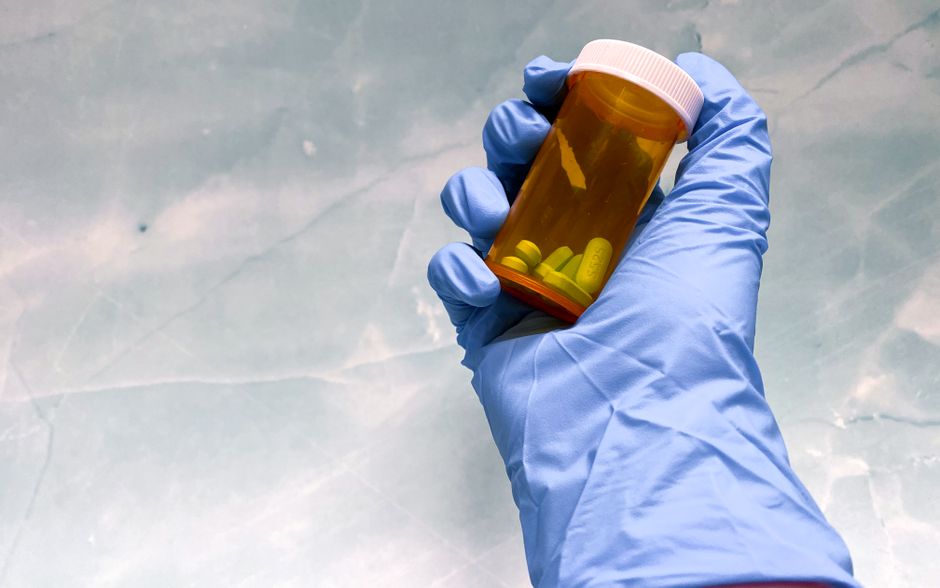
Oxycodone is one of the most commonly prescribed opioid painkillers in the United States, yet many patients leave the pharmacy counter without a clear understanding of how to use it safely once they get home. That gap in knowledge is where accidents, dangerous interactions, and even overdoses happen. This guide walks you through the practical, everyday steps involved in the safe use of oxycodone at home, from dosing and storage to spotting warning signs and disposing of leftover pills properly.
Whether you were just prescribed oxycodone after surgery, for chronic pain, or for an injury, the information below will help you and your family manage this medication responsibly. We will also cover interactions, side effects, and special situations such as caring for an elderly relative or a recovering post-surgical patient.
What Is Oxycodone and Why Does Home Safety Matter So Much?
Oxycodone is a semi-synthetic opioid that works on the central nervous system to block pain signals. It is sold under brand names like OxyContin and Roxicodone, and it is also a component in combination products such as Percocet. Doctors prescribe it for moderate to severe pain, including pain from surgery, injury, cancer, or chronic musculoskeletal conditions.
Unlike many other prescription drugs, oxycodone carries a significant risk of dependence, misuse, and fatal overdose, even when taken exactly as directed if certain precautions are ignored. The safe use of oxycodone at home is not just about following the label; it involves understanding how the drug interacts with your body, your other medications, and your daily environment.
According to the Mayo Clinic, opioid pain relievers like oxycodone should always be used at the lowest effective dose for the shortest time necessary, and patients should never adjust their dose without talking to their prescriber first.
Before You Start: Conversations You Should Have With Your Doctor
Safety begins before you even swallow the first pill. A short conversation with your doctor or pharmacist can prevent most home-use problems.
Questions Worth Asking
- What is the exact dose and how often should I take it?
- Should I take it with food, or on an empty stomach?
- What symptoms mean I should call the doctor immediately?
- Are there any medications, supplements, or foods I should avoid?
- How long will I likely need this medication?
- What is the plan for tapering off once my pain improves?
If you take other prescriptions, mention every single one, including over-the-counter drugs and supplements. Many people don’t realize that combining oxycodone with common medications, such as antihistamines or muscle relaxants, can be risky. For example, our guide on taking oxycodone and Benadryl together explains why that particular combination requires caution due to added sedation.
Understanding Your Prescription Label
Read the label every single time, even if you’ve taken oxycodone before. Prescriptions can change strength, formulation (immediate-release versus extended-release), or dosing schedule between refills.
Immediate-Release vs. Extended-Release
This distinction matters enormously for home safety:
- Immediate-release oxycodone starts working within 15 to 30 minutes and is usually taken every 4 to 6 hours as needed for pain.
- Extended-release oxycodone (such as OxyContin) releases the medication slowly over 12 hours and must be swallowed whole, never crushed, chewed, or dissolved, because doing so can release the full dose at once and cause a fatal overdose.
If your pharmacist switches you between formulations, always confirm which one you have before taking your next dose.
Setting Up a Safe Dosing Routine
Consistency is one of the biggest protective factors in the safe use of oxycodone at home. A predictable routine reduces the chance of accidental double-dosing or missed doses.
Practical Tips for Dosing
- Use a pill organizer labeled with days and times, especially if you’re managing multiple medications.
- Set phone alarms for each dose rather than relying on memory.
- Keep a simple paper or digital log noting the time and amount of each dose taken.
- Never take a double dose to make up for one you missed. If you’re unsure whether you took your last dose, check your log before taking another.
If you do miss a dose, take it as soon as you remember unless it’s almost time for your next scheduled dose. In that case, skip the missed dose and resume your normal schedule. Never double up to compensate, as this significantly raises the risk of respiratory depression and overdose.
Safe Storage of Oxycodone at Home
Where and how you store oxycodone matters just as much as how you take it. Opioid medications are one of the most commonly misused drugs in American households, and much of that misuse traces back to medications left in unlocked cabinets, purses, or nightstands.
Best Practices for Storage
- Store oxycodone in a locked box, lockable cabinet, or medication safe, especially if children, teenagers, or visitors have access to your home.
- Keep the medication in its original labeled container so there’s no confusion about dosage or expiration.
- Avoid storing oxycodone in the bathroom medicine cabinet, where humidity and heat can degrade the medication faster than in a cool, dry location like a bedroom closet.
- Keep track of how many pills you have on hand. If you notice pills missing without explanation, address it immediately, whether that means talking to a family member or reporting it to your prescriber.
If you live with teenagers, it’s worth having an honest conversation about why the medication is locked up. Curiosity, peer pressure, and the misconception that prescription drugs are “safer” than street drugs contribute to a large share of teen opioid misuse.
Managing Common Side Effects at Home
Even when taken exactly as prescribed, oxycodone can produce side effects that range from mildly annoying to genuinely concerning. Knowing what to expect helps you respond appropriately instead of panicking or, on the other end of the spectrum, ignoring something that needs medical attention.
Constipation
This is one of the most common and persistent side effects of opioid use, and unlike drowsiness, it often doesn’t improve with time. Opioids slow down the digestive tract, and for patients taking oxycodone for more than a few days, constipation can become uncomfortable or even lead to complications like impaction. Staying ahead of it with fiber, fluids, gentle movement, and if needed, a stool softener recommended by your doctor, makes a real difference. For a deeper look at remedies that work well alongside opioid therapy, this guide on natural and medical options for constipation relief covers strategies you can start using right away.
Nausea and Drowsiness
Nausea is most common in the first few days of starting oxycodone and often fades as your body adjusts. Taking the medication with a small amount of food can help, unless your doctor has instructed otherwise. Drowsiness is expected, particularly with the first few doses or after a dosage increase, but excessive or worsening sleepiness that doesn’t improve should be reported to your prescriber.
Dizziness and Low Blood Pressure
Oxycodone can cause blood pressure to drop, especially when standing up quickly from sitting or lying down. This effect, sometimes called orthostatic hypotension, can lead to lightheadedness or fainting. Rising slowly and sitting on the edge of the bed for a moment before standing reduces the risk of falls. If you’re also managing blood pressure concerns, it may help to review how oxycodone affects blood pressure so you know what symptoms to watch for.
Itching and Skin Reactions
Mild itching, particularly around the nose or face, is a fairly common but usually harmless histamine response to opioids. It’s different from a true allergic reaction. Widespread hives, swelling of the face or throat, or difficulty breathing are signs of a real allergic reaction and require immediate medical attention, not home management.
Drug and Substance Interactions to Avoid at Home
One of the most dangerous mistakes patients make at home isn’t misusing oxycodone itself, but combining it carelessly with other substances. Many interactions aren’t obvious, especially with over-the-counter products or supplements that seem harmless.
Alcohol
Alcohol and oxycodone is one of the riskiest combinations a patient can make at home. Both substances depress the central nervous system, and together they can slow breathing to dangerous levels. Even a single drink taken alongside a standard oxycodone dose can amplify sedation far beyond what either substance would cause alone. The same underlying risk applies to other opioids, as explained in this breakdown of mixing hydrocodone and alcohol, and the safety principles translate directly to oxycodone.
Other Sedating Medications
Benzodiazepines, sleep aids, muscle relaxants, and even some antihistamines can compound the sedative effects of oxycodone. This doesn’t mean these combinations are always forbidden, but they require direct medical supervision. For example, patients sometimes wonder whether it’s fine to take oxycodone and Benadryl together for allergy symptoms or sleep, and the honest answer is that it depends heavily on dose, timing, and individual health factors, which is exactly why a pharmacist consultation matters before combining anything.
Muscle Relaxants and Nerve Pain Medications
Some patients are prescribed oxycodone alongside medications like gabapentin or cyclobenzaprine for conditions involving both pain and muscle spasm or nerve involvement. These combinations can be effective when properly managed, but they also increase sedation risk. If you’re managing a combination like oxycodone and gabapentin, or Flexeril and oxycodone for muscle-related pain, your doctor should be actively monitoring your dosing schedule rather than leaving you to adjust things on your own.
Over-the-Counter Pain Relievers
It’s a common misconception that combining oxycodone with over-the-counter pain relievers is always risky. In reality, pairing oxycodone with a non-opioid medication like ibuprofen is sometimes recommended by doctors specifically because it can improve pain control while allowing for a lower opioid dose. Still, this should always be done under guidance, as outlined in this overview of oxycodone and ibuprofen combination therapy. Never assume a combination is safe just because one component is available without a prescription.
Antidepressants and Mental Health Medications
Certain antidepressants, particularly SSRIs, can interact with opioids in ways that raise the risk of a rare but serious condition called serotonin syndrome. Patients managing both nerve pain and mood symptoms sometimes ask about combinations like Lexapro and oxycodone, and while these are sometimes prescribed together safely, the decision should always involve your prescribing physician rather than being figured out through trial and error at home.
Recognizing an Oxycodone Overdose: What to Do
Even careful, well-informed patients should know the signs of opioid overdose, because early recognition genuinely saves lives. Overdose can happen even at prescribed doses if the body’s tolerance changes, such as after an illness, a period of not taking the medication, or an unintentional interaction with another sedating substance.
Warning Signs to Watch For
- Slow, shallow, or irregular breathing, or breathing that stops for periods of time
- Extreme drowsiness or inability to wake the person up
- Pinpoint pupils
- Blue or grayish tint to the lips or fingertips
- Limp body or unresponsiveness to voice or touch
- Choking, gurgling sounds, or vomiting while unconscious
If you notice any of these signs in yourself or someone else who has taken oxycodone, treat it as a medical emergency immediately. Call emergency services right away and do not wait to see if symptoms improve on their own.
Naloxone: A Safety Net Worth Having at Home
Naloxone (commonly known by the brand name Narcan) is a fast-acting medication that can temporarily reverse an opioid overdose. Many pharmacies now carry naloxone without a prescription, and doctors increasingly recommend that any household with opioid medications keep it on hand, similar to how a fire extinguisher sits ready in case it’s ever needed.
If you or a family member is prescribed oxycodone, ask your pharmacist about obtaining naloxone and make sure at least one other person in your household knows where it is and how to use it. According to Mayo Clinic’s guidance on naloxone, it can be administered by nearly anyone with minimal training, and using it on someone who isn’t actually experiencing an opioid overdose carries very little risk, so when in doubt, it’s better to use it than to hesitate.
Safely Discontinuing or Tapering Oxycodone
Stopping oxycodone abruptly after regular use, even for a relatively short period, can trigger withdrawal symptoms such as muscle aches, anxiety, sweating, nausea, and insomnia. This is a normal physical response, not a sign of addiction, but it still needs to be managed carefully.
Tapering Guidelines
- Never stop oxycodone suddenly without talking to your prescriber first, especially if you’ve been taking it for more than a week or two.
- Your doctor will typically reduce your dose gradually, sometimes over several days or weeks, depending on how long you’ve been on the medication.
- Track your symptoms during tapering and report anything severe, such as persistent vomiting, extreme agitation, or symptoms that interfere with daily functioning.
- Stay hydrated and prioritize rest during the tapering period, as withdrawal symptoms can be physically draining even when they aren’t dangerous.
If you find that you’re craving the medication beyond what your pain level would suggest, or you’re taking it for reasons other than physical pain, such as anxiety or sleep, this is worth discussing openly with your doctor. Early conversations about dependence are far easier to navigate than crisis-level ones.
Proper Disposal of Unused Oxycodone
Leftover oxycodone sitting in a home is a liability, both for potential misuse by someone else in the household and for accidental ingestion by children or pets. Proper disposal is a critical, often overlooked piece of home safety.
How to Dispose of Oxycodone Safely
- Check for a local drug take-back program, often available at pharmacies, police stations, or community health events. This is the safest and most recommended disposal method.
- If a take-back option isn’t available, many pills can be disposed of at home by mixing them with an unappealing substance like used coffee grounds or cat litter, sealing them in a bag, and placing them in household trash.
- Never flush oxycodone down the toilet unless the label specifically instructs you to do so, as this can introduce the medication into the water supply.
- Remove and destroy the prescription label from the bottle before disposal to protect your personal information.
According to guidance from Drugs.com on proper medication disposal, holding onto unused opioids “just in case” is one of the more common but risky habits patients fall into, since it increases the chances of the medication being used improperly by someone other than the person it was prescribed for.
Special Considerations for Certain Situations
Post-Surgical Recovery
Oxycodone is frequently prescribed after surgical procedures to manage acute pain during recovery. Patients recovering from procedures like a cesarean section often have specific questions about balancing pain relief with the demands of caring for a newborn. If this applies to you, this guide on oxycodone use after a C-section addresses many of the concerns unique to postpartum recovery.
Pregnancy and Breastfeeding
Oxycodone use during pregnancy requires very careful medical oversight, as opioid exposure can affect fetal development and may lead to neonatal withdrawal symptoms after birth. If you’re pregnant or planning to become pregnant while managing pain that requires oxycodone, it’s essential to have a detailed conversation with your OB-GYN. This resource on oxycodone use during pregnancy outlines the risks and safety considerations in more depth.
Older Adults
Elderly patients metabolize oxycodone more slowly, which can lead to a higher risk of drowsiness, falls, and constipation even at standard doses. If you’re caring for an older family member taking oxycodone, extra vigilance around fall risks, hydration, and bowel habits is well worth the effort. Starting at the lowest effective dose and increasing slowly under medical supervision is standard practice for this age group.
Households With Pets
Pets are curious, and dropped pills or accessible pill bottles pose a real risk. Oxycodone is toxic to dogs and cats and should never be given to a pet under any circumstances, even in a reduced dose. If your pet is in pain, only medications specifically prescribed by a veterinarian, such as certain approved options discussed in this article on safe pain relief options for dogs, should ever be considered.
Preventing Misuse and Protecting Your Household
Even with the best intentions, opioid misuse can creep in gradually. Recognizing the warning signs early, in yourself or a family member, protects everyone in the home.
Signs Worth Paying Attention To
- Taking oxycodone more frequently or in higher amounts than prescribed
- Running out of medication earlier than expected on a consistent basis
- Seeking the medication for reasons other than physical pain, such as stress or sleep
- Feeling unable to function normally without taking a dose
- Attempting to obtain oxycodone from multiple prescribers
If any of these patterns show up, whether in your own use or someone else’s, addressing it directly with a healthcare provider is far more effective than trying to manage it quietly. Opioid dependence develops gradually and often without obvious warning signs until it’s well underway, which is exactly why honest, early conversations matter so much.
For a broader understanding of how oxycodone works, its risks, and how it fits into pain management overall, this complete oxycodone resource center pulls together many of these topics in one place and is worth bookmarking for future reference.
Frequently Asked Questions
Can I take oxycodone on an empty stomach?
Yes, oxycodone can be taken with or without food, though taking it with a small snack may help reduce nausea, particularly during the first few days of treatment. Follow your specific prescription instructions, as some extended-release formulations have particular food-related guidance.
Is it safe to drive while taking oxycodone?
Driving is not recommended, especially when starting oxycodone or after a dose change, because drowsiness, slowed reaction time, and impaired judgment are common side effects. Wait until you know exactly how the medication affects you before considering driving, and even then, proceed with caution.
How long can I safely keep leftover oxycodone at home?
Ideally, leftover oxycodone shouldn’t be kept at all once your treatment ends. If disposal isn’t immediately possible, store it securely and dispose of it as soon as you’re able using a take-back program or approved home disposal method.
What should I do if I accidentally take an extra dose?
Contact your doctor, pharmacist, or a poison control hotline right away for guidance, even if you feel fine. Watch closely for signs of excessive sedation or slowed breathing, and seek emergency care immediately if any of those symptoms appear.
Can I split or crush extended-release oxycodone tablets?
No. Extended-release tablets are specifically designed to release medication slowly over 12 hours. Crushing, splitting, or chewing them can cause the entire dose to be released at once, which significantly raises the risk of a life-threatening overdose.
Final Thoughts
Using oxycodone safely at home isn’t about being overly cautious or fearful of a medication that, when used correctly, provides genuine and necessary pain relief. It’s about building small, consistent habits, reading labels carefully, storing medication securely, tracking doses, watching for interactions, and staying alert to warning signs, that protect both the patient and everyone else sharing that home. Pain management should never feel like navigating a minefield, and with the right precautions in place, it doesn’t have to. If anything about your prescription feels unclear or if new symptoms arise, don’t hesitate to reach out to your prescribing doctor or pharmacist. They would far rather answer a simple question today than manage a preventable complication later.