Health Tips
How to Store Oxycodone Safely: A Complete Home Storage Guide

Oxycodone is one of the most commonly prescribed opioid painkillers in the United States, and it works well when used correctly. However, its potency also makes it a target for theft, a serious risk for accidental ingestion by children or pets, and a substance that requires careful handling once it enters your home. Learning how to store oxycodone safely is not optional housekeeping advice, it’s a critical part of responsible medication use that protects your family and reduces the chance of misuse.
In this guide, you’ll learn exactly where to keep oxycodone, how to protect it from curious kids and pets, what temperature and humidity conditions preserve its effectiveness, how to travel with it, and what to do with leftover pills once you no longer need them. Whether you’re a patient managing chronic pain or a caregiver looking after a loved one’s medication, this article gives you a practical, room-by-room plan.
Why It’s So Important to Store Oxycodone Safely
Oxycodone belongs to a class of drugs called opioids, and it is classified as a Schedule II controlled substance because of its high potential for misuse and dependence. When people leave opioid medications sitting on countertops, in unlocked cabinets, or in purses and backpacks, they create opportunities for theft, accidental ingestion, or misuse by someone the medication wasn’t prescribed for.
According to information published by the Centers for Disease Control and Prevention, a large share of people who misuse prescription opioids report getting them from a friend or relative, often without that person even knowing the pills were taken. That statistic alone should change how you think about where you keep your prescription bottle.
Beyond the risk of diversion, improper storage can also damage the medication itself. Heat, moisture, and light can degrade oxycodone’s active ingredients, making the drug less effective or, in rare cases, altering it in ways that could be harmful. Storing it safely, in other words, protects both people and the medication’s potency.
Understanding the Risks: Who and What You’re Protecting Against
Before deciding where to store your oxycodone, it helps to understand the specific risks you’re guarding against. Each one calls for a slightly different precaution.
Children and Curious Toddlers
Young children explore the world by putting things in their mouths, and opioid pills often look like candy. A single oxycodone tablet, especially an extended-release formulation, can be dangerous or even fatal to a small child. Pill bottles with child-resistant caps slow down curious hands, but they are not truly childproof, so location matters just as much as the container.
Pets
Dogs in particular are notorious for chewing through pill bottles and packaging left within reach. Oxycodone is toxic to pets and can cause severe respiratory depression, so bottles should never be left on low tables, nightstands, or floors.
Teenagers and Visitors
Teens sometimes experiment with medications found in a family member’s cabinet, often unaware of how dangerous opioids can be when combined with alcohol or other substances. Visitors, contractors, or house cleaners with access to your home are another, less obvious, source of risk. A locked storage solution removes the temptation entirely.
Theft and Diversion
Unfortunately, prescription opioids are sometimes stolen from homes during break-ins or by people who know a household member has a supply. Storing oxycodone in a locked box or safe, rather than an obvious spot like a bathroom medicine cabinet, reduces this risk significantly.
General Guidelines for Storing Oxycodone Safely
Regardless of which specific storage method you choose, a few core principles apply to everyone.
- Keep it in the original container. The prescription label includes your name, dosage, and instructions, which matters if there’s ever confusion about what the medication is or who it belongs to.
- Store at room temperature. Most oxycodone formulations should be kept between 68degF and 77degF (20degC to 25degC), away from direct sunlight.
- Avoid humid environments. Bathrooms are one of the worst places to store any medication because steam from showers raises humidity and can degrade pills over time.
- Lock it up. A locking cabinet, lockbox, or medication safe is far safer than an open shelf or drawer.
- Track your supply. Periodically count your remaining pills so you notice quickly if any are missing.
- Keep it out of sight. Storing medication somewhere visible to guests or in a commonly used space increases the risk of theft or curiosity-driven access.
Best Places to Store Oxycodone at Home
Where you keep your oxycodone matters just as much as how you keep it. Below are the most practical options, ranked from most secure to least secure.
1. A Locking Medication Safe or Lockbox
A small, dedicated medication lockbox is widely considered the gold standard for home opioid storage. These boxes are inexpensive, portable, and specifically designed to prevent children, pets, and unauthorized adults from accessing pills. Many models are combination-locked or key-locked and small enough to fit in a closet, drawer, or even a car’s glove compartment for travel.
Look for a lockbox that is:
- Made of durable metal or hard plastic
- Large enough to hold your prescription bottle without cramming
- Fitted with a lock mechanism that isn’t easily picked or forced open
2. A Locked Cabinet or Drawer in a Climate-Controlled Room
If a dedicated lockbox isn’t available, a locked cabinet in a bedroom or home office works well. Avoid the kitchen, since temperature fluctuations near the stove and humidity from cooking can affect the medication. Bedrooms tend to have more stable temperatures and less foot traffic from visitors than common areas.
3. A High Shelf, As a Last Resort
If locking storage truly isn’t an option, placing medication on a high shelf, out of reach and out of sight of children, is better than nothing. However, this method does not protect against theft, older children who can climb, or determined pets, so it should be treated as a temporary solution rather than a long-term plan.
Places to Avoid
- Bathroom medicine cabinets: Too much humidity and heat from showers.
- Kitchen counters or drawers: Heat from appliances and high visibility to visitors.
- Nightstands: Easily accessible to children, pets, and anyone sharing the bedroom or home.
- Purses or backpacks left unattended: Easy targets for theft, especially outside the home.
- Cars: Extreme temperature swings, especially in summer or winter, can degrade the medication quickly, and parked cars are a common theft target.
Storing Oxycodone Safely When Children or Teens Are in the Home
If you have kids or teenagers living in or visiting your household, extra precautions are worth the effort.
- Use a lockbox with a combination only adults know, and change it periodically if a teen might have guessed it.
- Never refer to oxycodone as “candy” or transfer it to unlabeled containers, which increases confusion risk.
- Talk openly with teenagers about why the medication is locked up and the dangers of sharing prescription opioids with friends.
- Count pills regularly, especially after a teen has friends over.
Families managing pain medication for an older relative face a related but distinct set of challenges. If you’re caring for an aging parent or grandparent, our guide on oxycodone safety tips for seniors covers storage alongside dosing and monitoring considerations specific to older adults.
Storing Oxycodone Safely Around Pets
Even the most disciplined household can have a moment where a pill bottle gets knocked over or left within a dog’s reach. Because oxycodone is highly toxic to animals, take these extra steps:
- Store pills in a closed lockbox, not just a closed drawer, since some pets can open drawers or cabinets.
- Immediately pick up any dropped pills, checking under furniture and rugs.
- If you suspect a pet has ingested oxycodone, contact your veterinarian or an animal poison control hotline immediately.
Storing Different Forms of Oxycodone
Oxycodone comes in several formulations, and each one has slightly different storage considerations.
Immediate-Release Tablets
These are the most common form and generally have straightforward storage needs: room temperature, dry, and away from light. If you’re unsure about the difference between formulations and how it affects your regimen, see our comparison of immediate-release vs extended-release oxycodone.
Extended-Release Tablets
Extended-release oxycodone (such as OxyContin) is designed to release medication slowly over many hours. Because tampering with these tablets, such as crushing or splitting them, can cause a dangerous, rapid release of the full dose, they require intact, careful storage in their original form. For more on why altering these tablets is risky, read our article on whether you can crush oxycodone tablets.
Oral Liquid Solutions
Liquid oxycodone should be stored upright, tightly capped, and away from freezing temperatures, which can affect its consistency. Always use the measuring device provided by the pharmacy rather than a household spoon, and keep the liquid out of reach in the same locked storage as tablet forms.
Traveling With Oxycodone: Storage on the Go
Safe storage doesn’t stop at your front door. Whether you’re heading to work, running errands, or flying across the country, oxycodone needs the same level of protection outside the home.
Everyday Travel
Carry only the amount you need for the day in the original labeled bottle, and keep it in a zipped, inner pocket rather than loose in a bag. A portable, soft-sided lockbox can add another layer of protection if you’re traveling with a larger supply.
Car Travel
Never leave oxycodone in a parked car, even briefly, because of both temperature extremes and theft risk. If you must transport it, keep it with you and out of view. For guidance on whether it’s safe to get behind the wheel while taking this medication, check out our article on driving after taking oxycodone.
Air Travel
Airlines and security agencies have specific rules about carrying controlled substances. Always keep oxycodone in your carry-on rather than checked luggage, in its original prescription packaging, and bring a copy of the prescription or a note from your prescriber. Our detailed guide on flying with oxycodone walks through TSA and international considerations in more depth.
Labeling, Organization, and Tracking Your Supply
Good storage habits go beyond just locking pills away. Keeping your medication organized reduces confusion and makes it easier to notice problems early.
- Never remove the pharmacy label. It contains dosing instructions, your name, prescriber information, and an expiration or fill date.
- Don’t combine medications in one container. Mixing different pills together, even temporarily, increases the risk of taking the wrong dose.
- Keep a simple log. Note the date and quantity each time you fill or use the prescription. This is especially useful for caregivers managing medication for someone else.
- Store away from other household medications that a child might associate with a familiar routine, such as vitamins or over-the-counter pain relievers.
Speaking of other medications, many patients wonder whether it’s safe to take supplements alongside their prescription. If that applies to you, our article on taking vitamins with oxycodone explains what to watch for.
What to Do With Leftover or Expired Oxycodone
Proper storage matters throughout the life of the prescription, but disposal is equally important once you no longer need the medication or it has expired.
Drug Take-Back Programs
The safest disposal method is a take-back program. Many pharmacies, hospitals, and community organizations host take-back events or offer permanent drop boxes where you can dispose of unused opioids without a prescription requirement. The Drugs.com website maintains general guidance on safe medication disposal that can help you locate options in your area.
At-Home Disposal When a Take-Back Program Isn’t Available
If no take-back location is nearby, the FDA recommends a specific at-home method for certain opioids, including oxycodone, known as the flush list, because leaving unused opioids in the home poses a greater danger than the environmental impact of flushing a small amount. Always check current guidance for your specific formulation before disposing of it this way.
What Not to Do
- Don’t simply throw pill bottles in the household trash without first mixing pills with an unpalatable substance like coffee grounds or cat litter, as recommended by pharmacists.
- Don’t keep leftover oxycodone “just in case” for future pain, since this increases both diversion risk and the temptation to self-medicate without medical guidance.
- Don’t pour large quantities down the drain unless specifically instructed to do so.
Special Considerations for Caregivers and Older Adults
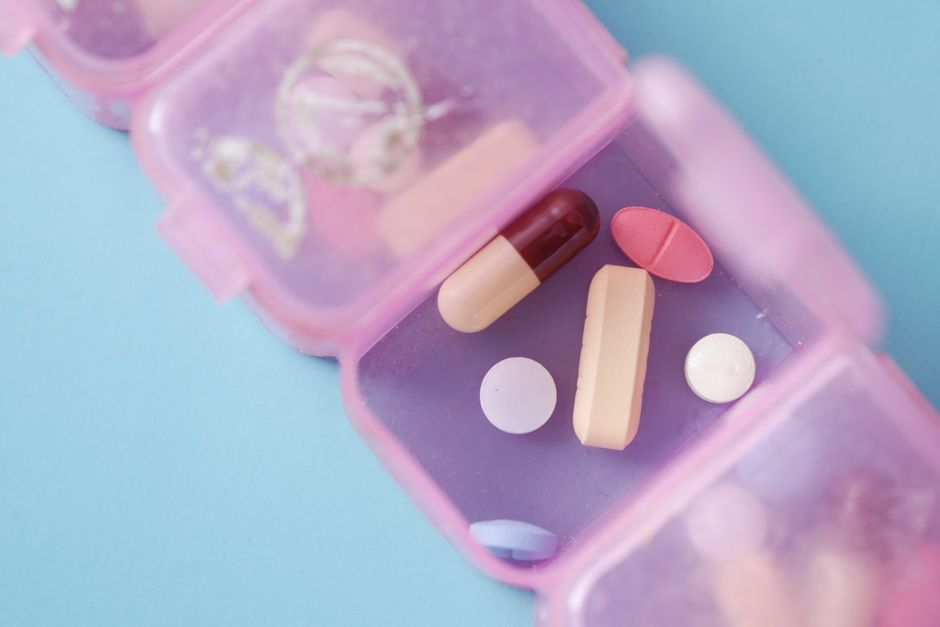
Older adults often manage multiple prescriptions at once, which can make organization more complicated and storage mistakes more likely. Pill organizers are helpful for daily dosing, but they should never be used as long-term storage for opioid medications since they typically aren’t locked or child-resistant.
Caregivers should also be mindful of cognitive changes that can affect an older adult’s ability to store medication safely on their own. If you’re supporting a parent or older relative through pain management, our guide on whether oxycodone is safe for older adults discusses both storage and broader safety concerns families should know about.
Common Oxycodone Storage Mistakes to Avoid
Even well-intentioned patients and caregivers sometimes make storage errors that increase risk. Watch out for these common pitfalls:
- Leaving the bottle on a nightstand for convenience, especially if you take a dose before bed.
- Storing in the bathroom out of habit, despite the humidity risk.
- Sharing storage location information with people outside the immediate household who don’t need to know it.
- Forgetting to relock a lockbox after retrieving a dose.
- Assuming a high shelf is childproof when older children or teens can easily climb to reach it.
- Transporting loose pills in a pocket or bag without the original container.
Building a Simple, Repeatable Storage Routine
Consistency is what makes safe storage actually work day to day. Consider building a routine like this:
- Keep the lockbox or locked cabinet in the same spot every time.
- Retrieve only the single dose you need, then immediately relock storage.
- Do a monthly pill count to confirm nothing is missing.
- Review your storage plan whenever your household situation changes, such as new visitors, a new pet, or a teenager reaching an age where curiosity increases.
For further general reference on opioid medication safety, the Mayo Clinic offers additional patient resources on safe medication practices that complement the storage steps outlined here.
Frequently Asked Questions About Storing Oxycodone Safely
Can I store oxycodone in the refrigerator?
Generally, no. Most oxycodone formulations are meant to be stored at room temperature, and refrigeration isn’t necessary or recommended unless your pharmacist specifically instructs otherwise for a particular liquid formulation. Refrigerators can also introduce moisture that affects tablet integrity.
How long does oxycodone stay effective once opened?
Tablets typically remain effective through the expiration date printed on the label as long as they’re stored properly, away from heat, light, and moisture. Liquid formulations may have a shorter usable window after opening, so check with your pharmacist for specifics.
Is a childproof cap enough to keep oxycodone safe?
Childproof caps slow down access but are not foolproof, especially for older children or determined toddlers. They should be treated as one layer of protection, not a substitute for locked storage in a location out of a child’s reach.
What should I do if I think someone accessed my oxycodone without permission?
Contact your prescribing doctor and pharmacist right away to report the missing medication, and consider reporting theft to local authorities if you suspect it occurred outside your household. Moving forward, switch to a more secure storage method, such as a locking medication safe.
Can I travel internationally with oxycodone?
Rules vary significantly by country, and some nations restrict or ban opioid medications entirely. Always check destination-specific regulations well before your trip and carry documentation from your prescriber, as detailed in our guide on flying with oxycodone.
Final Thoughts
Learning to store oxycodone safely takes only a small amount of extra effort, but the payoff in reduced risk is significant. A locked, climate-controlled storage spot, consistent tracking habits, and a clear disposal plan for leftover medication together create a system that protects children, pets, and your household from preventable harm. Take a few minutes this week to evaluate where your medication currently sits, and make the changes needed to bring your storage routine up to the standard your family deserves.