Health Tips
How to Dispose of Unused Oxycodone: A Complete Safety Guide

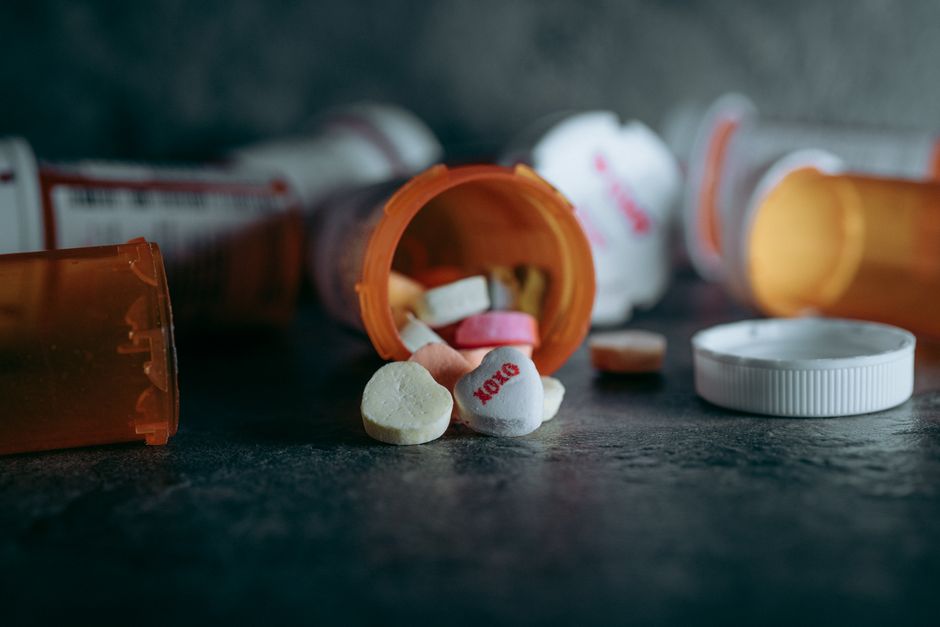
Leftover oxycodone sitting in a medicine cabinet is not a harmless leftover. It is a controlled substance with a high potential for misuse, accidental ingestion, and diversion, and knowing how to dispose of unused oxycodone properly protects your household, your community, and the environment. This guide walks through every safe disposal method available, including take-back programs, mail-back kits, deactivation pouches, and the specific FDA guidance on flushing certain opioids.
Whether you finished a prescription early, switched medications, or are helping clean out a family member’s home after a hospital stay, you will learn exactly what to do (and what never to do) with unused oxycodone tablets, capsules, patches, or liquid solutions.
Why Proper Disposal of Unused Oxycodone Matters
Oxycodone is a Schedule II opioid painkiller, which means it carries a significant risk of dependence, misuse, and overdose. Unused pills that sit around the house are one of the most common sources of prescription opioid misuse in the United States, particularly among teenagers and young adults who often obtain their first opioid from a family member’s medicine cabinet rather than from a dealer.
Beyond the risk to people, unused oxycodone poses a threat to pets and small children who may accidentally swallow a pill mistaken for candy. Even a single tablet can cause a fatal overdose in a toddler or a small dog. As a result, health authorities strongly recommend removing unused opioids from the home as soon as they are no longer needed, rather than keeping them rather than keeping them around indefinitely “just in case” the pain returns. Studies published by groups such as the Mayo Clinic have consistently found that having leftover opioids in the home is one of the strongest predictors of nonmedical opioid use among family members, particularly teens who may not fully appreciate how dangerous these medications can be when taken without medical supervision.
There is also an environmental angle to consider. Opioids that are flushed improperly or thrown into landfills without precautions can leach into water systems and soil. While the FDA has approved flushing for a short list of high-risk medications (oxycodone included, under specific circumstances), the agency still recommends take-back programs as the preferred first option whenever one is reasonably available. Understanding the full hierarchy of disposal options helps you choose the safest, most responsible method for your specific situation.
The FDA Flush List and Why Oxycodone Is On It
Most medications should never be flushed down the toilet or poured down the sink, because wastewater treatment plants are not designed to filter out pharmaceutical compounds, and flushed drugs can end up in rivers, lakes, and drinking water supplies. However, a small number of medications are considered so dangerous in the wrong hands that the risk of accidental ingestion or misuse outweighs the environmental concern. These medications appear on what is commonly known as the FDA Flush List.
Oxycodone, in several of its formulations, is on that list. This includes:
- Immediate-release oxycodone tablets (such as Roxicodone)
- Extended-release oxycodone tablets (such as OxyContin)
- Oxycodone combination products, in some formulations
The reasoning behind this guidance is straightforward: a single dose of some extended-release oxycodone formulations can be lethal to a child, a pet, or an opioid-naive adult if swallowed accidentally. The immediate risk of a fatal ingestion in the home is judged to outweigh the comparatively small environmental impact of flushing a limited number of leftover tablets. That said, flushing is generally framed as a fallback option, useful mainly when a take-back program, mail-back envelope, or deactivation pouch is not readily accessible and the medication cannot be safely stored until one is.
The Safest Disposal Methods, Ranked
There is no single “best” way to dispose of unused oxycodone that applies to every household. The right method depends on how much medication you have, how quickly you need to get rid of it, and what resources are available in your area. Below are the main options, generally ordered from most to least preferable.
1. DEA-Authorized Take-Back Programs
Drug take-back programs are widely considered the gold standard for disposing of unused opioids, including oxycodone. These programs allow you to drop off unused, unwanted, or expired medications at an authorized collection site, no questions asked, where they are collected and later destroyed by incineration in a controlled, environmentally responsible manner.
You can find a permanent, year-round collection site near you through several channels:
- Many retail pharmacies, including large chains, host on-site collection kiosks
- Local police and sheriff’s departments often maintain a drop box in their lobby
- Hospitals and clinics sometimes offer take-back bins for patients and the public
- National Prescription Drug Take Back Day, held twice a year, provides temporary collection sites in nearly every community
To find the nearest permanent collection location, the DEA maintains a searchable database on its website that lets you enter your zip code and see nearby options. Most take-back kiosks accept tablets, capsules, and patches; some do not accept liquids, needles, or thermometers, so it is worth calling ahead if you have a liquid oxycodone solution.
2. Mail-Back Envelopes and Kits
If there is no take-back location near you, or if leaving the house is difficult due to illness, mobility issues, or lack of transportation, mail-back envelopes are an excellent alternative. These are pre-paid, postage-included envelopes or small boxes specifically designed for the disposal of unused medications, including controlled substances like oxycodone.
Many pharmacies now offer these envelopes for free or for a small fee at the pharmacy counter. Some community health departments and addiction-prevention coalitions distribute them at no cost. To use one:
- Place the unused tablets, capsules, or patches directly into the envelope (there is usually no need to remove them from blister packaging first, though check the specific product’s instructions)
- Seal the envelope according to the printed instructions
- Drop it in any public mailbox or hand it to a mail carrier
The envelope is then transported to a facility where the medication is destroyed. Because these products are approved for mailing controlled substances, they meet postal regulations that would otherwise prohibit sending opioids through the mail.
3. Drug Deactivation Pouches
Deactivation pouches, sold under brand names, are small pouches containing an activated carbon material that chemically neutralizes medications on contact. You simply add water, drop in the pills, patches, or liquid, seal the pouch, and shake it briefly. The carbon binds to the active drug molecules and renders them inert, after which the pouch (with its now-deactivated contents) can be thrown safely in household trash.
These pouches are particularly useful because they let you dispose of medication immediately, at home, without needing to leave the house or wait for a mail-back envelope to arrive. Many pharmacies, hospice programs, and community health initiatives distribute these pouches for free, especially to patients being discharged after surgery or to families managing end-of-life care where large quantities of opioids may be left over. If you have been following guidance from our guide to storing oxycodone safely at home, a deactivation pouch is often the natural next step once the medication is no longer needed and it’s time to clear it out of the house for good.
4. The FDA-Approved Household Trash Method (With Precautions)
When none of the above options are available and the medication is not on the flush list, or when you prefer not to flush a flush-list drug like oxycodone, the FDA outlines a specific household disposal method designed to make the medication unappealing and difficult to retrieve or misuse. The steps are as follows:
- Do not crush tablets or capsules unless you are specifically instructed to as part of a deactivation product’s directions
- Mix the medication with an unpalatable substance such as used coffee grounds, dirt, or cat litter (never crush tablets to speed this up, since crushing extended-release oxycodone can release a dangerous dose all at once if someone were to retrieve it)
- Place the mixture into a sealable container or a sturdy zip-top bag
- Seal the container and place it in the household trash, ideally as close to your regular trash pickup day as possible so it doesn’t sit in a bin for long
- Scratch out or peel off all personal identifying information on the empty prescription bottle before recycling or discarding it
This method works reasonably well for many medications, but it is worth remembering that trash bins are not tamper-proof, and this approach carries more residual risk of retrieval by a curious child, a pet, or someone rummaging through the trash than take-back programs, mail-back kits, or deactivation pouches do. It is best treated as a last resort rather than a first choice, particularly for a potent opioid like oxycodone.
5. Flushing (When It Is Actually Appropriate)
As covered above, oxycodone is one of the medications the FDA has approved for flushing when no other disposal method is reasonably accessible. If you decide flushing is your only practical option, for instance you have a large supply of extended-release oxycodone tablets, small children or pets in the home, and no take-back site or mail-back envelope available for days, the process is simple:
- Remove the tablets, capsules, or patches from their original packaging
- Drop them into the toilet bowl
- Flush
Only flush medications that specifically appear on the FDA’s flush list. Never flush most other prescription drugs, and never assume a medication is safe to flush just because it is an opioid; some opioid formulations are not on the list and should be disposed of using one of the other methods described above.
How to Dispose of Different Forms of Oxycodone
Oxycodone comes in several different forms, and each one has slightly different disposal considerations. Whether you are dealing with immediate-release tablets, extended-release tablets, oral liquid solution, or transdermal patches, the same general principles apply, but a few extra steps matter for certain forms.
Tablets and Capsules
Standard immediate-release oxycodone tablets and capsules are the easiest form to dispose of. They can go into a take-back kiosk, a mail-back envelope, a deactivation pouch, or, if none of those are available, the household trash method or the flush method described above. There is no need to remove tablets from a blister pack for most take-back and mail-back programs, though check the specific instructions provided with your mail-back envelope.
Extended-Release Tablets
Extended-release oxycodone, such as OxyContin, deserves extra caution. These tablets are formulated to release the medication slowly over many hours, which means a single tablet can contain a much larger total dose of oxycodone than an immediate-release tablet. If a child or pet swallows even one extended-release tablet, the entire dose can be absorbed rapidly if the tablet is crushed or chewed, leading to a potentially fatal overdose. This is precisely why extended-release oxycodone is on the FDA flush list, and why take-back programs and deactivation pouches are strongly preferred whenever they’re accessible. If you are unsure whether your prescription is immediate-release or extended-release, our comparison of immediate-release versus extended-release oxycodone can help you identify which formulation you have and understand why the distinction matters for both everyday use and disposal.
Oral Liquid Solutions
Oxycodone oral solution is less commonly prescribed than tablets, but it does exist, particularly for patients who have difficulty swallowing pills. Liquid oxycodone should not typically be flushed unless specifically instructed, since not all take-back kiosks accept liquids and pouring it down the drain can contribute to water contamination. The best options are a take-back program that explicitly accepts liquids, a deactivation pouch designed for liquids, or mixing the liquid with an unpalatable substance (such as sawdust, dirt, or cat litter) inside a sealed container before placing it in household trash.
Transdermal Patches
Although oxycodone itself is not commonly formulated as a patch (fentanyl is more frequently found in patch form), some extended-release opioid patches contain oxycodone-related compounds or are prescribed alongside oxycodone therapy. If you do have a patch-based opioid product to dispose of, the used or unused patch still contains active medication, sometimes a substantial amount even after use. Fold the patch in half so the adhesive sides stick together, sealing in the medicated surface, then dispose of it using a take-back program, mail-back kit, or the flush method if patches for your specific medication are approved for flushing. Never simply throw a used patch in an open trash can, since a child or pet could easily come into contact with the adhesive side and absorb a dangerous dose through the skin.
What Never to Do With Unused Oxycodone
Knowing what not to do is just as important as knowing the approved disposal methods. Some of the most common and dangerous mistakes include:
- Never share leftover oxycodone with a friend or family member, even if their pain seems similar to what you experienced. Sharing prescription opioids is illegal and can be fatal if the other person has an undiagnosed condition, is taking an interacting medication, or has a lower opioid tolerance than you do.
- Never keep unused oxycodone in the medicine cabinet “just in case” you experience pain again in the future. Holding onto leftover opioids increases the risk that they will be misused, stolen, or accidentally ingested by someone in the household. If a doctor determines you need oxycodone again later, a new prescription can be written that matches your current medical needs.
- Never pour liquid oxycodone down the drain or throw loose tablets in the trash without following the mixing method described above. Unaltered medication thrown directly in the garbage can be retrieved by anyone with access to household waste, including children, pets, or individuals struggling with substance use disorder.
- Never flush oxycodone unless it appears on the FDA’s flush list and no take-back option is reasonably available to you. While flushing certain high-risk opioids is sanctioned by federal guidance specifically because the danger of accidental ingestion outweighs minimal environmental risk, flushing should not be treated as a default first choice when safer alternatives exist nearby.
- Never give unused oxycodone to a veterinarian, pharmacist, or clinic staff member informally without confirming they are part of an authorized take-back program. Handing medication to an untrained person doesn’t guarantee proper destruction and may not be legal depending on local regulations.
- Never leave old prescription bottles with legible labels in the recycling bin or trash without removing or destroying the personal information first. Prescription labels contain your name, address, prescribing doctor, and medication details, all of which can be exploited for identity theft or prescription fraud.
Many of these mistakes happen simply because people don’t realize how risky leftover medication can be once it’s no longer needed. If you’re currently taking oxycodone and want to reduce the chances of ending up with a large leftover supply, reviewing how you store oxycodone safely at home can help you keep better track of how much medication remains and when it should be used or disposed of.
Why Proper Disposal Matters So Much for Opioids Specifically
It’s worth pausing to understand why oxycodone disposal receives so much more attention than, say, disposing of an old bottle of antihistamines. The answer comes down to three overlapping risks that are unique to opioid medications.
1. Overdose Risk From Accidental Exposure
Oxycodone is potent even in relatively small doses, and its effects are magnified in people who have no tolerance to opioids, such as young children. A single tablet intended for an adult patient can be enough to cause respiratory depression, coma, or death in a small child. Because tablets and capsules are often colorful or small enough to resemble candy, curious toddlers are especially vulnerable when leftover medication is left within reach.
2. The Ongoing Opioid Misuse Crisis
Leftover prescription opioids are one of the most common ways people are first exposed to these substances outside of a medical context. National health surveys have repeatedly shown that a significant percentage of people who misuse prescription opioids obtained them from a friend or relative’s medicine cabinet, often without the original patient’s knowledge. Removing unused oxycodone from the home promptly closes off this pathway and reduces the overall supply of opioids that can be diverted for non-medical use.
3. Environmental Contamination
When medications are disposed of improperly, especially by pouring liquids down drains or flushing large quantities of pills without following approved guidance, trace amounts of the drug can make their way into water treatment systems and natural waterways. While modern wastewater treatment removes many contaminants, pharmaceutical residues, including opioids, have been detected in surface water and can affect aquatic ecosystems over time. Following official flush or take-back guidance minimizes this impact far more effectively than casual, informal disposal.
Special Considerations for Households With Children, Teens, or Pets
If you live with children, teenagers, or pets, disposing of leftover oxycodone quickly should be treated as a priority rather than a task to get around to eventually. A few extra precautions can add another layer of protection while you’re in the process of arranging proper disposal.
- Store medication in a locked box or cabinet until disposal is complete. Even a day or two of delay creates a window of risk if pills are left on a countertop or in an unlocked drawer.
- Count remaining pills before and after storage so you’ll notice quickly if any go missing, which can be an early warning sign of teen experimentation or diversion.
- Talk openly with teenagers about the dangers of prescription opioid misuse. Many teens mistakenly believe prescription medications are safer than illicit drugs simply because they come from a pharmacy.
- Keep pet-proof disposal in mind. Dogs in particular are known for chewing through pill bottles and medicated patches, so used patches and loose tablets should never be left in an easily accessible trash can.
Families caring for older relatives who take oxycodone alongside multiple other medications may also want to review general safety guidance in oxycodone safety tips for seniors, since medication mix-ups and leftover pill accumulation tend to be more common in households managing complex medication schedules.
What Happens to Medications After You Drop Them Off
People sometimes hesitate to use take-back programs because they aren’t sure what actually happens to the medication once it leaves their hands. Understanding the process can offer some reassurance. Collected medications from authorized take-back locations and mail-back envelopes are typically transported to licensed reverse distributors or incineration facilities. There, they are destroyed using high-temperature incineration methods specifically designed to break down pharmaceutical compounds completely, preventing any possibility of the drugs being extracted, resold, or released into the environment in harmful concentrations. This is a far more controlled and secure destruction method than anything that can be replicated at home, which is part of why take-back programs are considered the gold standard for opioid disposal.
How to Find a Disposal Location Near You
If you’re not sure where to start, a few reliable resources can point you toward a nearby take-back option:
- DEA-authorized collector locator: The Drug Enforcement Administration maintains a searchable database of pharmacies, hospitals, and law enforcement locations that accept controlled substances year-round.
- National Prescription Drug Take Back Day: Held twice a year, this event sets up temporary collection sites in communities across the country, often in parking lots of pharmacies, schools, or community centers.
- Local pharmacy programs: Many major pharmacy chains, including Walgreens and CVS, have installed permanent medication drop boxes in select locations. Calling ahead or checking the pharmacy’s website can confirm whether your local branch participates.
- State and county health department websites: Many regional health departments maintain updated lists of disposal kiosks, drop-off events, and mail-back program information specific to your area.
If none of these options are readily available where you live, a mail-back envelope purchased online or provided by your pharmacist remains a dependable backup plan that requires no travel at all.
Frequently Asked Questions
Can I throw oxycodone in the trash if I don’t have access to a take-back program?
Yes, but only after following the recommended mixing method. Combine the medication with an undesirable substance like used coffee grounds or cat litter, seal it in a container or bag, and place it in your household trash. This should be treated as a fallback option, used only when take-back programs, mail-back envelopes, and flushing (for medications not on the flush list) are genuinely unavailable.
Is it really safe to flush oxycodone down the toilet?
For medications specifically listed on the FDA’s flush list, yes, flushing is considered safe and is recommended when no take-back option is immediately accessible. The FDA determined that the risk of accidental exposure or misuse from keeping these high-risk opioids in the home outweighs the minimal environmental impact of flushing small quantities. Always check the current flush list or your medication’s label to confirm oxycodone products you have are included before flushing.
What should I do with the empty pill bottle after disposing of the medication?
Remove or thoroughly scratch out the label before recycling or discarding the empty container, since it contains personal information such as your name, address, and prescribing physician. Some take-back programs will accept empty bottles along with medication, but many prefer that you empty the pills into a bag first and recycle the container separately according to your local recycling guidelines.
Can I dispose of oxycodone prescribed to a family member who has passed away?
Yes, and doing so promptly is strongly recommended. Leftover opioids belonging to a deceased family member are a common and often overlooked source of diversion. The same disposal methods described in this guide, take-back programs, mail-back envelopes, or the trash mixing method, apply regardless of whose name is on the prescription.
How long does oxycodone stay effective if I don’t dispose of it right away?
Most oxycodone products carry an expiration date roughly one to three years from the manufacture date, though potency can begin declining before that date under poor storage conditions such as heat or humidity. Expired oxycodone should never be taken, since reduced potency can lead patients to unknowingly take more than intended, and it should be disposed of using the same methods outlined above rather than left in storage indefinitely.
Conclusion
Disposing of unused oxycodone properly is one of the simplest yet most impactful steps you can take to protect your household and community from opioid-related harm. Whether you choose a take-back program, a mail-back envelope, the approved flush method, or the trash mixing technique, the goal is the same: keeping potent medication out of the hands of children, pets, and anyone who might misuse it. Taking a few extra minutes to dispose of leftover pills correctly, rather than letting them linger in a cabinet, closes off one of the most common pathways to accidental poisoning and prescription drug misuse. If you still have questions about safe medication practices, whether related to storage, dosing, or interactions, resources like the U.S. Food and Drug Administration and the Drug Enforcement Administration offer up-to-date, authoritative guidance to help you make informed, safe decisions about every stage of opioid medication use, right down to its final disposal.