Why Does Oxycodone Make Me Itchy? Causes and Relief Tips

Itchy skin after taking oxycodone is a common, usually harmless side effect caused by histamine release rather than a true allergy, and this guide explains why it happens along with practical relief strategies and long-term management tips.
Oxycodone and Hiccups: Why It Happens and How to Stop Opioid-Induced Hiccups
Oxycodone can trigger hiccups by affecting the brainstem, vagus nerve, and digestive system, and while most cases are mild and temporary, this guide covers why it happens, effective home remedies, medical treatments, and when to call a doctor.

Oxycodone and Night Sweats: Causes, Management, and When to See a Doctor
Night sweats can be an uncomfortable side effect of oxycodone, often linked to withdrawal between doses or the drug's effect on temperature regulation. Here's what causes them, how to manage them, and when they signal a bigger problem.

Can Oxycodone Cause Ringing in the Ears (Tinnitus)? What Patients Need to Know
Ringing in the ears is an uncommon but real potential side effect of oxycodone. Here's what causes it, how common it is, and when to talk to your doctor.

Mixing Oxycodone and Miralax: A Safe Guide to Managing Opioid-Induced Constipation
Mixing oxycodone and Miralax is generally safe and effective, since Miralax works locally in the colon to soften stool without interfering with oxycodone's pain-relieving effects, making it a top choice for managing opioid-induced constipation.

Is It Safe to Go in a Hot Tub or Sauna After Taking Oxycodone?
Combining oxycodone with hot tubs or saunas can intensify dizziness, low blood pressure, dehydration, and fainting risk, making caution and medical guidance essential before soaking or sweating while on this medication.

Does Oxycodone Affect Your Menstrual Cycle or Period?
Oxycodone can disrupt the hormonal pathways that regulate ovulation and menstruation, leading to missed, irregular, or altered periods, but these changes are usually temporary and worth discussing with your doctor.

Oxycodone and Male Fertility: What the Latest Research Shows
Emerging research links oxycodone use to hormonal suppression and reduced sperm quality in men, though effects appear largely reversible once treatment stops, making open communication with doctors and fertility specialists essential for couples trying to conceive.

Can Oxycodone Cause Dizziness? What You Should Know
Dizziness is a common side effect of oxycodone caused by central nervous system depression, blood pressure changes, and other factors, and this guide explains why it happens, who's most at risk, and how to manage it safely.
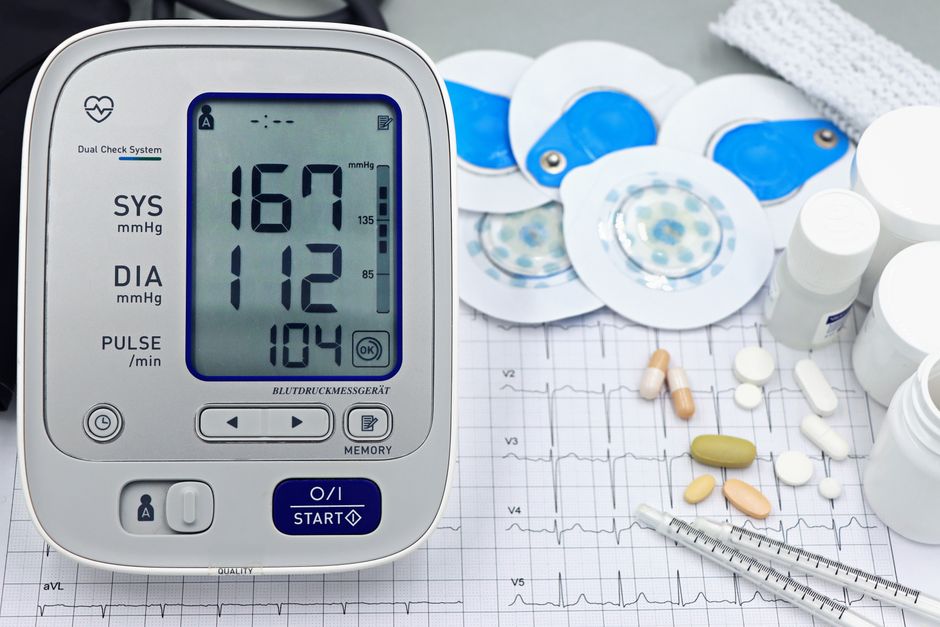
Can Oxycodone Lower Blood Pressure? What Patients Need to Know
Oxycodone can lower blood pressure through histamine release, nervous system depression, and reduced vascular tone, and this article explains why, who's most at risk, warning signs, and how to manage it safely.
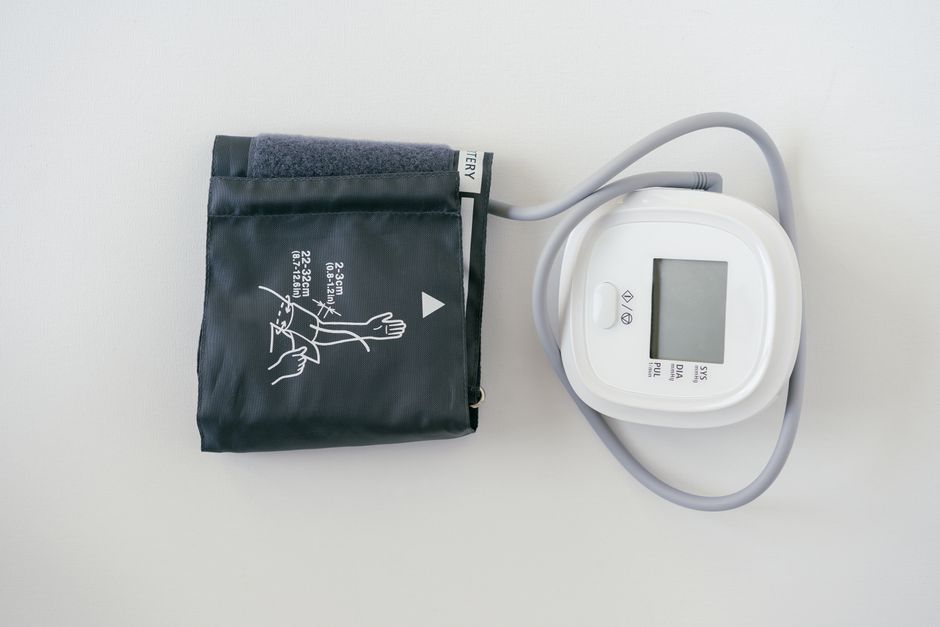
Does Oxycodone Increase Blood Pressure? What You Need to Know
Oxycodone typically lowers blood pressure rather than raising it, but withdrawal, untreated pain, and drug interactions can cause temporary spikes worth watching for.

Can You Drive After Taking Oxycodone? What You Need to Know Before Getting Behind the Wheel
Driving after taking oxycodone can be legally and physically risky due to slowed reaction time, impaired judgment, dizziness, and drowsiness, even at prescribed doses, so this guide breaks down the science, the law, and practical safety tips for anyone on this medication.