Health Tips
Can You Drink Alcohol with Hydrocodone? Risks and Safety Facts

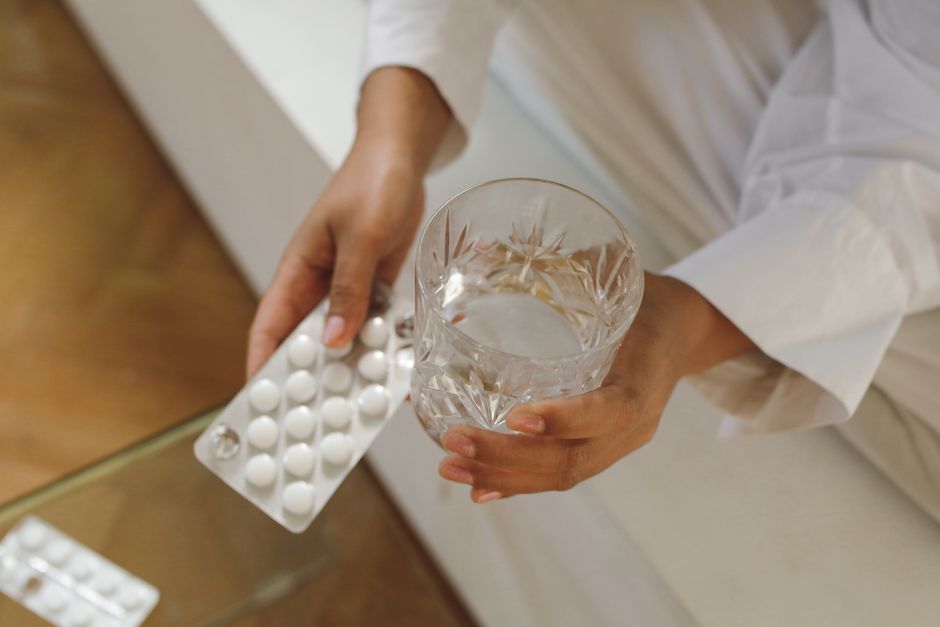
Mixing painkillers with a glass of wine or a beer might seem harmless, especially if you’ve done it before without noticing a problem. But when it comes to hydrocodone, combining it with alcohol is one of the riskiest things you can do while on this medication. If you’re asking, can you drink alcohol with hydrocodone, the short answer is no, and this article explains exactly why, what happens in your body when you combine the two, and what you should do instead.
You’ll learn how hydrocodone and alcohol interact, the specific dangers of combining them, how long you should wait after your last dose before drinking, and what warning signs to watch for if someone has already mixed the two. We’ll also cover common questions people search for, so you leave this page with a clear, practical understanding of the risks involved.
Why People Ask If They Can Drink Alcohol with Hydrocodone
Hydrocodone is a widely prescribed opioid painkiller, often combined with acetaminophen in brand names like Vicodin, Norco, and Lortab. It’s used for moderate to severe pain after surgery, dental work, injuries, or for chronic conditions. Because it’s so common, many people take it for weeks or months, and social situations involving alcohol inevitably come up.
Some people don’t realize hydrocodone is an opioid with serious sedative properties. Others assume that because their prescription bottle doesn’t specifically mention alcohol, a single drink must be fine. Unfortunately, this assumption can lead to dangerous, sometimes fatal, consequences.
Can You Drink Alcohol with Hydrocodone? The Direct Answer
No, you should not drink alcohol while taking hydrocodone. Both substances are central nervous system depressants, meaning they slow down brain activity, breathing rate, and heart function. When combined, their effects don’t just add up, they multiply. This is called a synergistic effect, and it’s the primary reason medical professionals warn against mixing opioids with alcohol.
Even a moderate amount of alcohol, such as one or two drinks, can dangerously amplify hydrocodone’s sedative effects. This increases the risk of extreme drowsiness, slowed or stopped breathing, and loss of consciousness. According to the WebMD drug interaction database, alcohol combined with hydrocodone is classified as a major interaction, meaning it should generally be avoided altogether.
What Makes This Combination So Dangerous
Hydrocodone works by binding to opioid receptors in the brain, reducing the perception of pain and producing a calming, sometimes euphoric effect. Alcohol, on the other hand, depresses the central nervous system through different pathways, but the end result overlaps significantly with what hydrocodone does. Together, they compound each other’s sedative and respiratory-depressing effects.
Here’s what can happen when hydrocodone and alcohol are combined:
- Severe drowsiness: You may become far more sedated than either substance would cause on its own.
- Respiratory depression: Breathing can slow down significantly or stop entirely, which is the leading cause of opioid-related deaths.
- Impaired coordination and judgment: This raises the risk of falls, accidents, and poor decision-making.
- Increased sedation and blackout risk: Memory gaps and loss of awareness become more likely.
- Liver damage: If your hydrocodone product contains acetaminophen, alcohol adds extra strain on the liver, increasing the risk of serious liver injury.
- Overdose risk: The combination significantly raises the chance of a fatal overdose, even at doses that would be considered safe individually.
How Alcohol Affects Hydrocodone Absorption
Alcohol doesn’t just add its own depressant effects, it can also change how quickly your body absorbs hydrocodone. Some studies suggest alcohol may increase the rate at which extended-release opioid formulations release their medication, causing what’s sometimes called “dose dumping.” This means a large portion of the medication that was meant to be released slowly over several hours gets released all at once, flooding your bloodstream with far more hydrocodone than your body is prepared to handle. Dose dumping can turn a controlled, therapeutic dose into something that mimics an overdose, with dangerously high levels of the opioid circulating in your system within a short window of time.
This effect is particularly concerning with extended-release hydrocodone products, which are designed to provide steady pain relief over 12 hours or more. When alcohol interferes with that mechanism, the safety profile of the drug changes entirely. Even moderate drinking, in some cases, has been shown to accelerate this release in laboratory studies, which is one reason why extended-release opioid labels often carry specific warnings against alcohol use.
Beyond dose dumping, alcohol also affects liver enzymes responsible for metabolizing hydrocodone. The liver uses specific enzyme pathways, particularly CYP3A4 and CYP2D6, to break down hydrocodone into its active metabolites. Alcohol can interfere with these pathways, either slowing down metabolism (allowing hydrocodone to build up in the body) or, in chronic drinkers, potentially speeding it up in ways that create unpredictable swings in drug concentration. This unpredictability makes it very difficult to judge how much of the drug is actually active in your system at any given time, which is a significant safety concern.
Short-Term Risks of Mixing Hydrocodone and Alcohol
Even a single instance of combining these substances can trigger immediate and sometimes severe effects. The short-term dangers tend to appear quickly, often within the first hour or two after drinking, and can escalate rapidly.
- Extreme drowsiness or sedation: You might find it difficult to stay awake or alert, even during normal daily activities.
- Nausea and vomiting: Both substances can irritate the stomach lining, and together they often intensify gastrointestinal discomfort.
- Slowed or shallow breathing: This is the most life-threatening short-term risk, as it can lead to hypoxia (low oxygen levels) and, in severe cases, respiratory arrest.
- Confusion or disorientation: Mixing the two substances can make it hard to think clearly, form memories, or respond appropriately to your surroundings.
- Low blood pressure and fainting: Both hydrocodone and alcohol can lower blood pressure, and combined use may cause dizziness or fainting spells, which is especially dangerous if you’re standing, driving, or operating machinery. If you’re wondering more broadly about how hydrocodone affects balance and alertness, our guide on whether hydrocodone can cause dizziness covers this in more depth.
- Impaired motor skills: Reaction times slow down significantly, increasing the risk of falls, car accidents, and other injuries.
These short-term effects are not just uncomfortable, they can be genuinely dangerous, especially for people who are elderly, have underlying health conditions, or are taking other medications alongside hydrocodone.
Long-Term Risks of Combining Hydrocodone and Alcohol
While the short-term dangers are serious enough on their own, repeated or chronic combination of hydrocodone and alcohol introduces a different set of risks that build up over time. These long-term consequences often develop quietly, without obvious warning signs, until they become significant health problems.
Liver Damage
Many hydrocodone products are combined with acetaminophen (commonly known by the brand name Tylenol). Acetaminophen is already processed by the liver, and when alcohol is added to the mix, the liver has to work overtime to break down both substances. Chronic alcohol use combined with acetaminophen-containing hydrocodone products significantly raises the risk of liver toxicity, and in severe cases, this can progress to liver failure. According to the Mayo Clinic, acetaminophen overdose is one of the leading causes of acute liver failure in the United States, and alcohol use is a well-documented risk factor that increases this danger.
Increased Risk of Dependence and Addiction
Both hydrocodone and alcohol act on the brain’s reward system, and using them together can accelerate the development of tolerance and dependence. Over time, the brain adapts to the presence of both substances, and stopping either one can trigger uncomfortable or even dangerous withdrawal symptoms. People who regularly combine the two are also at higher risk of escalating their use of one or both substances to achieve the same effects, a pattern that can quickly spiral into addiction.
Digestive System Damage
Chronic alcohol use is already linked to gastritis, ulcers, and other digestive issues. Hydrocodone, which slows down gut motility, can compound these problems by increasing constipation and worsening existing gastrointestinal irritation. Over months or years, this combination can contribute to chronic digestive discomfort and more serious conditions like gastrointestinal bleeding.
Cardiovascular Strain
Long-term use of both substances together has been associated with irregular heart rhythms, changes in blood pressure, and increased cardiovascular strain. This is particularly concerning for individuals who already have heart conditions or risk factors like high blood pressure or high cholesterol.
Mental Health Effects
Both alcohol and opioids are known to worsen symptoms of depression and anxiety over time. When used together chronically, they can create a cycle where mental health symptoms worsen, leading to increased substance use as a coping mechanism, which in turn worsens mental health further. This cycle can be difficult to break without professional support.
Who Is Most at Risk?
While combining hydrocodone and alcohol is risky for anyone, certain groups face a substantially higher danger level:
- Older adults: Aging bodies metabolize substances more slowly, and older adults are more likely to be on multiple medications that could interact poorly with both hydrocodone and alcohol.
- People with liver or kidney conditions: Since both organs play key roles in processing hydrocodone and alcohol, any existing impairment increases the risk of toxic buildup.
- Individuals with respiratory conditions: Conditions like COPD, asthma, or sleep apnea already compromise breathing, and adding two respiratory depressants together can be especially dangerous.
- People taking other CNS depressants: If you’re also taking benzodiazepines, sleep aids, muscle relaxants, or certain antidepressants, adding alcohol on top of hydrocodone creates a dangerous multi-substance depressant effect.
- Those with a history of substance use disorder: People in recovery or with a history of addiction are at heightened risk of relapse or escalating use when combining these substances.
- Pregnant individuals: Both alcohol and hydrocodone can cross the placenta and affect fetal development, and combining them multiplies the potential risks to both mother and baby.
If you fall into any of these categories, it’s especially important to speak with your doctor or pharmacist about the risks specific to your situation before considering any alcohol consumption while on hydrocodone.
How Long After Taking Hydrocodone Can You Drink Alcohol?
There’s no universally agreed-upon “safe” waiting period, because it depends on several individual factors: your metabolism, liver function, the dose of hydrocodone you took, and whether you’re taking an immediate-release or extended-release formulation.
That said, general guidance suggests waiting at least 24 hours after your last dose of hydrocodone before consuming any alcohol, and ideally longer if you’re taking higher doses or extended-release formulations. Hydrocodone typically stays in your system for about 24 hours after the last dose, though traces can remain detectable in urine for several days. Since the sedative effects can persist even after the pain-relieving effects wear off, waiting until the drug has fully cleared your system is the safest approach.
For a more detailed breakdown of exact timelines and how they vary based on formulation and dosage, our dedicated guide on whether it’s safe to mix hydrocodone and alcohol walks through the specifics in much greater detail.
What to Do If You’ve Already Mixed Hydrocodone and Alcohol
If you’ve already combined the two, either accidentally or without realizing the risks, it’s important to know what warning signs to watch for and when to seek help.
Mild symptoms like slight drowsiness or a bit of nausea may not require emergency care, but you should stop drinking immediately, avoid taking any more hydrocodone, and monitor yourself closely. Have someone stay with you if possible, since your judgment and coordination may be impaired.
However, you should seek emergency medical help immediately if you or someone else experiences any of the following:
- Slow, shallow, or irregular breathing
- Blue-tinged lips or fingertips
- Extreme drowsiness or inability to wake up
- Confusion, slurred speech, or loss of coordination
- Vomiting while unconscious or semi-conscious
- Seizures
- Loss of consciousness
These are signs of a potential overdose, and every minute matters. Call emergency services right away rather than waiting to see if symptoms improve on their own. Naloxone, a medication that can reverse opioid overdose, may be administered by emergency responders if opioids are involved, but it does not reverse the effects of alcohol, so professional medical evaluation is still essential. For a full breakdown of warning signs and appropriate emergency responses, take a look at our guide on recognizing and responding to a hydrocodone overdose.
Safer Alternatives and Practical Tips
If you’re currently prescribed hydrocodone and want to minimize risk while still managing your pain effectively, consider these practical strategies:
- Talk openly with your doctor: Let your prescriber know if you drink alcohol regularly or occasionally, even socially. This helps them tailor your prescription and give you accurate guidance.
- Avoid alcohol entirely while on hydrocodone: The safest option is simply not drinking at all during your treatment period, especially if you’re taking the medication regularly for conditions like chronic pain or recovering from something like surgery.
- Read medication labels carefully: Pay attention to whether your hydrocodone product also contains acetaminophen, as this changes the liver-related risks significantly.
- Store medication safely: Keeping hydrocodone secure and out of reach of others, especially if alcohol is present in the home, reduces the risk of accidental misuse. Our guide on safe storage of hydrocodone offers helpful tips for this.
- Never drive after combining the two: Even if you feel “fine,” both substances impair reaction time and judgment. For more on this, see our article on whether it’s safe to drive while taking hydrocodone.
- Ask about non-opioid pain management options: Depending on your condition, alternatives or complementary treatments might reduce your reliance on hydrocodone altogether.
- Be mindful of hidden alcohol sources: Some cough syrups, mouthwashes, and even certain foods contain small amounts of alcohol, which can add up more than expected when combined with hydrocodone.
Being proactive about these precautions doesn’t just reduce risk, it also helps you get the most effective pain relief from your medication without unnecessary complications.
Frequently Asked Questions
Can a small amount of alcohol really cause problems with hydrocodone?
Yes. Even small amounts of alcohol can amplify the sedative and respiratory-depressing effects of hydrocodone. While the severity often depends on dose and individual factors, there’s no truly “safe” amount of alcohol to combine with this medication, particularly for people with additional health risk factors.
Is it safe to drink alcohol the day after stopping hydrocodone?
It depends on how long you were taking hydrocodone and at what dose. Generally, waiting at least 24 hours after your last dose is recommended, though this can vary based on your metabolism and liver function. If you’ve been on hydrocodone for an extended period, talk to your doctor before resuming alcohol use.
Does the type of alcohol matter, like beer versus liquor?
Not really. What matters most is the total amount of alcohol consumed, not the type of beverage. A standard drink of beer, wine, or liquor all contain similar amounts of pure alcohol, so the risks of combining any of them with hydrocodone remain the same.
Can mixing hydrocodone and alcohol be fatal even at prescribed doses?
Yes, unfortunately. Many opioid-related overdose deaths involve individuals taking hydrocodone as prescribed but combining it with alcohol, which pushes the combined depressant effect beyond what the body can safely handle. This is precisely why medical guidance strongly warns against mixing the two, regardless of dosage.
What should I do if I forgot and had a drink while on hydrocodone?
Stop drinking immediately, avoid taking any additional hydrocodone doses, and monitor yourself for symptoms like excessive drowsiness, confusion, or breathing difficulties. If you notice anything concerning, seek medical attention right away rather than waiting it out.
Final Thoughts
Combining hydrocodone and alcohol is never a risk worth taking casually. What might seem like a harmless drink after your pain medication can quickly escalate into dangerous sedation, breathing difficulties, or even a life-threatening overdose. The safest path forward is straightforward: avoid alcohol entirely while taking hydrocodone, communicate openly with your healthcare provider about your habits and concerns, and always follow prescribed dosing instructions closely. If you or someone you know struggles with balancing pain management and alcohol use, don’t hesitate to reach out to a medical professional for guidance tailored to your specific situation. Your safety, and your long-term health, are worth that conversation.