Health Tips
Safe Storage of Hydrocodone: A Complete Guide to Protecting Your Family

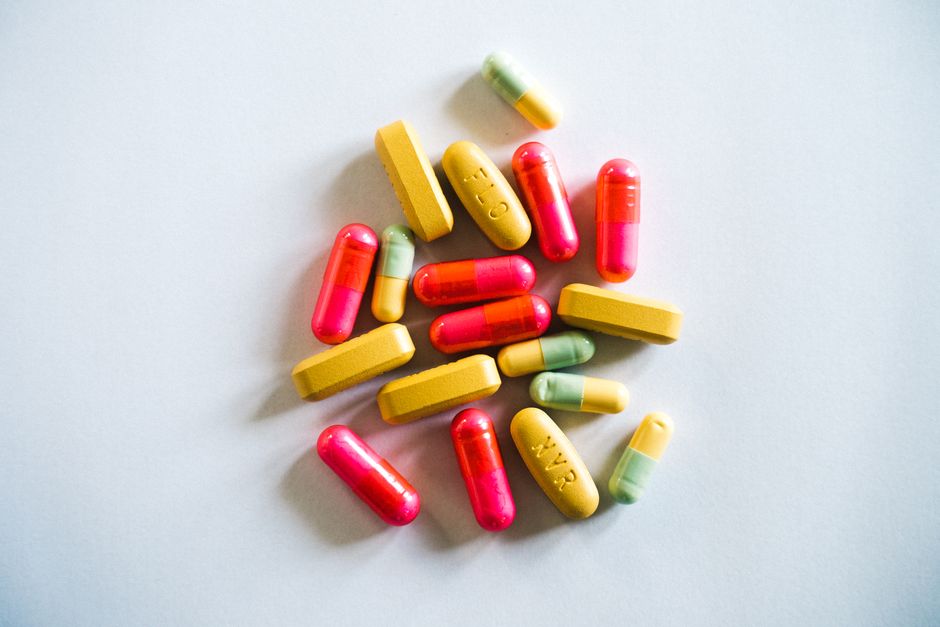
Every year, thousands of accidental poisonings and cases of prescription drug misuse happen not because someone bought pills off the street, but because a bottle was left sitting on a kitchen counter or tucked in an unlocked medicine cabinet. If you or a family member has been prescribed this powerful painkiller, understanding the safe storage of hydrocodone is not optional. It’s a responsibility that protects children, teens, older relatives, pets, and even the person taking the medication from unintended harm.
In this guide, you’ll learn exactly where hydrocodone should and shouldn’t be kept, how to childproof your home against accidental exposure, what to do if you suspect a family member is misusing your supply, and how to dispose of leftover pills the right way. Whether you just picked up a prescription after surgery or you’re a caregiver managing medications for an aging parent, this article walks you through practical, real-world steps you can start using today.
Why Safe Storage of Hydrocodone Matters More Than You Think
Hydrocodone is a semi-synthetic opioid, usually combined with acetaminophen, prescribed for moderate to severe pain after surgery, injury, or dental procedures. It works well, but it also carries a high potential for misuse, dependence, and accidental overdose, especially in households with children or teenagers.
According to public health researchers, a significant percentage of people who misuse prescription opioids for the first time got them from a friend or relative’s medicine cabinet, not from a doctor or a dealer. That statistic alone should change how every household thinks about where painkillers are kept. Safe storage isn’t just about avoiding a scary story on the news. It’s a practical, everyday habit that closes off one of the most common paths to opioid misuse.
There’s also the safety of the patient to think about. Hydrocodone containers that aren’t stored properly can degrade faster, get mixed up with other medications, or become harder to track, which increases the risk of accidental double-dosing or confusion about how many pills remain.
What Makes Hydrocodone a High-Risk Medication in the Home
Not every prescription medication requires the same level of caution. Hydrocodone sits in a different category because of a few specific factors.
- It’s a controlled substance. Hydrocodone combination products are classified as Schedule II controlled substances in the United States, meaning they carry a recognized potential for abuse and dependence.
- It can be dangerous in small amounts for children. Even one or two pills can cause serious respiratory depression in a young child, and combination products containing acetaminophen add the risk of liver damage.
- It’s attractive to people who misuse opioids. Unlocked pill bottles are a known target for theft, whether by houseguests, contractors, or family members struggling with substance use.
- It interacts dangerously with other substances. Combining hydrocodone with alcohol, benzodiazepines, or other sedatives can slow breathing to a dangerous degree, which is one more reason it shouldn’t be casually accessible.
If you want a deeper understanding of how this medication behaves in the body and what a safe dose actually looks like, our hydrocodone dosage guide breaks down dosing charts and safety thresholds in detail.
Where You Should Never Store Hydrocodone
Before getting into best practices, it helps to know which storage habits are common but genuinely risky. Many households unknowingly do at least one of these.
- The bathroom medicine cabinet. This is the classic choice, but it’s also the first place curious kids, teenagers, and even burglars look. Bathroom humidity can also degrade the medication over time.
- Kitchen counters or drawers. High-traffic areas mean more eyes on the bottle, including houseguests and delivery workers.
- Nightstands. Convenient for the patient, but easily accessible to children who climb into bed with parents or grandparents.
- Purses or bags left in common areas. Kids are notorious for going through purses, and bags left on a couch or entryway table are an easy target.
- Unlabeled pill organizers left out in the open. Weekly pill organizers are great for adherence but terrible for security if hydrocodone is one of the medications inside.
If any of these describe your current storage habits, it’s worth making a change today rather than waiting for a close call.
Best Practices for Safe Storage of Hydrocodone at Home
The good news is that safe storage doesn’t require an elaborate security system. A few consistent habits dramatically reduce risk.
Choosing the Right Lockbox or Safe
A locked container is the single most effective step you can take. Options range from simple lockboxes sold at pharmacies to small combination safes designed specifically for medication.
- Look for a lockbox with a key or combination lock rather than a simple latch, since latches can be opened by curious toddlers.
- Choose a size that fits your pill bottles comfortably without cramming, which reduces the temptation to leave pills out of a locked box.
- Bolt or anchor larger safes to a shelf or wall stud if you’re storing multiple controlled substances, since a small safe can simply be carried away by a determined teenager or intruder.
- Keep the key separate from your everyday keychain, or set a combination that isn’t your birthday, address, or another easily guessed number.
- Consider a safe with an audit trail feature if you’re managing medications for a family member with a history of substance misuse. Some models log every time they’re opened.
Many pharmacies now sell inexpensive lockboxes at checkout, and some community health departments distribute them for free as part of opioid safety initiatives. If cost is a barrier, even a repurposed toolbox with a padlock is far better than an open shelf.
Using Child-Resistant Caps Correctly
Child-resistant caps are a helpful layer of protection, but they are not foolproof. Studies have shown that many young children can figure out how to open them within a matter of minutes, especially if they’ve watched an adult do it repeatedly. Child-resistant does not mean childproof. Treat these caps as a backup to locked storage, never as a replacement for it.
It’s also worth noting that child-resistant packaging can become less effective over time. Caps that are opened and closed frequently, especially by someone with arthritis or reduced hand strength, sometimes get left loose or replaced with a standard cap for convenience. If a caregiver in your home struggles with the child-resistant mechanism, talk to the pharmacist about compliant alternatives rather than simply switching to an easy-open cap.
Storage Location Best Practices
Where you place the lockbox matters almost as much as the lockbox itself. Keep these factors in mind:
- Avoid bathrooms. Heat and humidity from showers can degrade medication faster than a cool, dry environment, and bathrooms are often the first place children learn to explore.
- Choose a discreet, adult-only area. A locked box on a high closet shelf, inside a bedroom dresser, or in a home office drawer is far less visible to curious children or visiting guests than one sitting on a kitchen counter.
- Keep it away from extreme temperatures. Don’t store hydrocodone in a car, garage, or near a heating vent, as temperature swings can affect how the medication works.
- Don’t advertise the location. Avoid mentioning where medications are stored in front of children, contractors, or anyone who doesn’t need to know.
Tracking Pill Counts
One of the simplest ways to catch a problem early, whether it’s a curious child, a family member misusing medication, or a counting error at the pharmacy, is to keep track of exactly how many pills should be in the bottle at any given time. Write the fill date and quantity on a small piece of paper kept with (but not inside) the lockbox, or use a notes app on your phone. Recount periodically, especially after houseguests visit or after a caregiver change. If numbers don’t add up, address it immediately rather than assuming you miscounted.
This habit is particularly important for patients managing chronic conditions, such as those detailed in our guide to hydrocodone for chronic pain, where the medication may be in the home for months or years rather than a short recovery period. Long-term storage naturally increases the number of people who might come into contact with the medication over time, from cleaning help to visiting relatives.
Educating Family Members and Caregivers
Safe storage is a team effort. Every adult in the household, along with any regular caregivers, babysitters, or home health aides, should know:
- Where the medication is stored and how to access it if needed
- That the medication should never be left unattended, even briefly
- What the pills look like, in case they’re ever found somewhere unexpected
- Who to call if the medication goes missing or a child is exposed
Don’t assume that because someone is an adult, they automatically understand the risks. Grandparents visiting from out of town, for example, may not be aware of current recommendations, particularly if their own experience with prescription opioids dates back decades when awareness was lower.
Safe Storage When Children Are in the Home
Children are, by far, the population most frequently harmed by improperly stored opioids. According to data frequently cited by the American Academy of Pediatrics (aap.org), tens of thousands of young children are treated in emergency departments every year after getting into medications that weren’t secured properly, and opioids like hydrocodone are among the most dangerous because even a small dose can be life-threatening for a toddler.
If there are children in your home, whether they live there full-time or visit occasionally, consider the following:
- Lock it up, every single time. Even if you’re only stepping away for a moment to answer the door, get the mail, or take a phone call, a bottle left on the counter is a bottle a toddler can reach.
- Store it up and away, not just out of reach. Children are surprisingly good climbers, and “out of reach” today may not be true in six months.
- Never refer to medication as candy. This common shortcut to get a reluctant child to take medicine can backfire seriously if it makes pills seem appealing rather than dangerous.
- Watch for signs of accidental ingestion. Drowsiness, slowed or shallow breathing, pinpoint pupils, vomiting, and unresponsiveness are all red flags that require immediate emergency attention.
Grandparents’ homes deserve special mention here. A significant number of pediatric opioid exposures happen not in the child’s own home, but at a grandparent’s house, where medications may have been stored the same way for years without incident, simply because young children weren’t regularly present before.
Safe Storage When Teens Are in the Home
Teenagers present a different kind of risk than young children. They’re not going to accidentally swallow a pill thinking it’s candy, but they may be curious, may be dealing with peer pressure, or may be experimenting with substances for the first time. National surveys have repeatedly shown that most teens who misuse prescription opioids get them from a friend or relative’s medicine cabinet rather than buying them from a stranger.
To reduce this risk:
- Keep hydrocodone locked up regardless of how much you trust your teenager. This isn’t about suspicion, it’s about removing temptation and opportunity for both your teen and their friends.
- Have an open, non-judgmental conversation about why the medication is dangerous and why it’s locked up. Teens who understand the reasoning are more likely to respect the boundary.
- Be alert to signs of misuse, such as missing pills, changes in mood or sleep patterns, or a sudden drop in academic performance.
- Talk about the specific risks of combining hydrocodone with alcohol or other substances at parties, a topic we cover in detail in our article on mixing hydrocodone and alcohol, since this combination is unfortunately common at teen gatherings and can be fatal.
Safe Storage for Elderly or Memory-Impaired Patients
Older adults managing pain from arthritis, surgery, or other chronic conditions face a unique set of storage challenges. Cognitive changes, memory issues, and physical limitations can all complicate safe medication management. For a deeper look at how aging affects opioid use, see our guide on hydrocodone side effects in older adults.
Families caring for an aging parent or relative should consider:
- Pre-portioning doses. Rather than leaving a full bottle accessible, a caregiver can measure out a single dose at a time using a locked pill organizer, reducing the risk of accidental double-dosing.
- Written schedules posted discreetly. A simple chart can help a patient with memory issues (and their caregivers) track what’s been taken and when.
- Regular check-ins. If a loved one lives alone, periodic visits or calls to confirm medication is being taken correctly, and that pill counts match expectations, can catch problems early.
- Coordination with home health aides. Anyone entering the home to provide care should be briefed on where medication is stored and how it’s tracked.
Confusion about dosing is one of the most common issues in this population, so it’s worth reviewing our full hydrocodone dosage guide together with any family member managing medication for an older relative.
Traveling with Hydrocodone Safely
Travel introduces a whole new set of storage considerations. Hotel rooms, rental cars, and unfamiliar environments all increase the chance that medication gets left somewhere it shouldn’t, or falls into the wrong hands.
- Always keep hydrocodone in its original, labeled prescription bottle. This is important both for airport security and in case you need medical attention while away from home, since it clearly identifies the medication, dosage, and prescribing physician.
- Carry it in a carry-on bag, not checked luggage. Checked bags can be lost, delayed, or opened by baggage handlers, and temperature extremes in cargo holds can affect medication.
- Use a small travel lockbox. Compact, TSA-compliant lockboxes are widely available and fit easily in a carry-on or hotel safe.
- Never leave medication in a hotel room in plain sight. Housekeeping staff, other guests with room access, and children traveling with the family all pose the same risks as at home.
- Bring only what you need. If you’re traveling for a week, there’s rarely a reason to carry an entire month’s supply.
- Check destination laws if traveling internationally. Some countries have strict rules about bringing controlled substances across borders, even with a valid prescription, and it’s worth contacting the embassy of your destination country ahead of time.
If your travel plans involve driving, remember that hydrocodone can impair reaction time and alertness. Our article on driving while taking hydrocodone covers what you need to know before getting behind the wheel on a road trip.
Proper Disposal of Unused Hydrocodone
Safe storage doesn’t end when a prescription is finished. Leftover pills sitting in a medicine cabinet, even a locked one, are a liability that serves no purpose once treatment is complete. Proper disposal is just as important as proper storage.
Take-Back Programs
The safest disposal method is a medication take-back program. Many pharmacies, hospitals, and community organizations host regular take-back events, and some pharmacies have permanent drop boxes available year-round. These programs allow you to dispose of unused hydrocodone without ever putting it in the trash or flushing it down the toilet, and they’re typically free and anonymous.
At-Home Disposal When Take-Back Isn’t Available
If a take-back program isn’t accessible, the FDA-recommended flush list includes certain opioid medications, including hydrocodone combination products, because the risk of accidental ingestion or misuse outweighs the minor environmental concern of flushing. If you choose not to flush, an alternative method is:
- Mix the pills (do not crush) with an unappealing substance such as used coffee grounds or kitty litter.
- Place the mixture in a sealed bag or container.
- Throw the sealed container in the household trash, ideally on the day of pickup.
- Scratch out or remove personal information from the prescription label before discarding the empty bottle.
Never simply pour pills into an unmarked container in the trash without concealing them, as they can still be found and retrieved.
Why Disposal Matters for Household Safety
Unused hydrocodone left in a home is one of the most common sources of medication that ends up misused by a teenager, a visiting relative, or even a household member managing their own substance use disorder. If you or a family member has ever gone through the withdrawal process, understanding what that timeline looks like reinforces just how important it is to remove temptation from the home entirely once it’s no longer medically necessary. Our hydrocodone withdrawal timeline guide explains what someone may experience if dependence has developed, which is exactly the outcome safe storage and timely disposal are designed to prevent.
What to Do If a Child or Pet Ingests Hydrocodone
Despite every precaution, accidents can still happen. Knowing how to respond quickly can make a critical difference.
If a Child Is Exposed
- Call Poison Control immediately. In the United States, the national Poison Help line, reachable through the American Association of Poison Control Centers at poison.org, is available 24/7 and can advise you on next steps even if you’re not certain how much was ingested.
- Call 911 or go to the nearest emergency room right away if the child is unresponsive, having trouble breathing, or losing consciousness. Do not wait to see if symptoms improve on their own.
- Bring the medication bottle with you to the hospital, or have the information ready (medication name, strength, and estimated quantity missing) when speaking with Poison Control or paramedics.
- Do not attempt to induce vomiting unless specifically instructed to do so by a medical professional.
If a Pet Is Exposed
Dogs in particular are known to chew through pill bottles, and hydrocodone can be extremely dangerous, even fatal, for pets in relatively small amounts. If you suspect your pet has ingested hydrocodone, contact your veterinarian or an animal poison control hotline immediately, and bring the packaging with you if you seek emergency care.
Legal and Household Considerations
Beyond the immediate safety concerns, there are practical and legal reasons to take storage seriously. Diversion of prescription opioids, meaning medication that ends up in the hands of someone other than the person it was prescribed for, is a real legal risk for the person responsible for storing it, particularly if it happens repeatedly or if a minor is harmed as a result. Some states have specific laws addressing liability when a controlled substance is left accessible to a child and that child is injured or killed.
From an insurance standpoint, some homeowners and renters policies address liability in cases of medication-related injury on the property, though coverage varies widely. It’s worth understanding your policy if you’re regularly storing controlled substances in a home with frequent visitors, roommates, or shared custody arrangements involving children.
If your household includes a family member recovering from substance use disorder, whether related to hydrocodone or another substance, extra precautions are warranted. In these situations, some families choose to have a trusted third party control access to medication entirely, dispensing single doses only as prescribed, rather than allowing the person in recovery to have any access to the storage location.
Building a Personal Safe Storage Checklist
To bring everything together, here’s a simple checklist you can adapt to your own household:
- Medication is stored in a locked box or safe, not just a high shelf or child-resistant cap alone
- The storage location is cool, dry, and out of sight of visitors and children
- Pill counts are tracked and recorded somewhere separate from the medication itself
- All adult caregivers know where medication is stored and understand the risks
- Older children and teens have been told why medication is locked up, in age-appropriate terms
- A plan is in place for what to do if a child or pet is accidentally exposed
- Unused or expired medication is disposed of promptly through a take-back program or FDA-recommended method
- Travel storage uses a portable lockbox and keeps medication in original labeled packaging
Reviewing this list once every few months, or any time your household situation changes (a new grandchild, a visiting relative, a new caregiver), helps ensure that safe habits don’t slip over time.
Frequently Asked Questions About Safe Storage of Hydrocodone
Is it safe to store hydrocodone in the refrigerator?
Generally, no. Hydrocodone should be stored at room temperature in a dry location unless your pharmacist specifically instructs otherwise. Refrigerators expose medication to humidity every time the door is opened, and cold temperatures aren’t necessary for this type of medication. A locked cabinet or lockbox at room temperature is the better choice.
How long can I safely keep leftover hydrocodone at home?
Most prescriptions are labeled with an expiration or discard-by date, and it’s best not to keep leftover opioid medication longer than necessary for the condition it was prescribed for. Once your treatment course is finished, unused pills should be disposed of promptly rather than kept “just in case,” since expired medication may be less effective and unnecessary leftover pills increase the risk of misuse or accidental ingestion.
What’s the difference between a lockbox and a child-resistant cap?
A child-resistant cap is a mechanical feature built into the pill bottle designed to slow down (not necessarily prevent) a young child from opening it. A lockbox is a separate container, secured with a key or combination, that keeps the entire bottle inaccessible to anyone without the code or key. Child-resistant caps are a helpful backup, but a lockbox provides a much stronger layer of protection and is considered best practice for controlled substances like hydrocodone.
Should I tell my kids where the medication is stored?
Generally, it’s better not to disclose the exact location, especially to young children. For teenagers, an honest, age-appropriate conversation about why the medication is locked up and dangerous can be more effective than secrecy, since understanding the reasoning builds respect for the boundary rather than curiosity about what’s being hidden.
What should I do with the empty bottle after disposing of hydrocodone pills?
Before recycling or discarding an empty prescription bottle, remove or thoroughly scratch out the label, including your name, the medication name, and the prescribing doctor’s information. This protects your personal health information and prevents the bottle from being reused to store other pills in a way that might confuse family members later.
Conclusion
Safe storage of hydrocodone isn’t a single action you complete once and forget about. It’s an ongoing habit that adapts as your household changes, whether that means a new grandchild learning to climb, a teenager going through a difficult phase, an aging parent moving in, or simply the natural passage of time between refills. The steps involved are straightforward: lock the medication up, track how much is on hand, educate everyone in the home, plan for travel, and dispose of leftovers promptly once they’re no longer needed. None of these steps require significant expense or effort, but together they dramatically reduce the risk of accidental exposure, misuse, and the tragedies that can follow when a powerful opioid medication is left within easy reach. Taking these precautions seriously protects not just the person the medication was prescribed for, but every child, teenager, guest, and pet who shares space in your home.