Health Tips
Hydrocodone Dosage Guide: Safe Dosing, Charts, and What to Know

Hydrocodone is one of the most frequently prescribed opioid painkillers in the United States, and getting the dosage right matters more than most patients realize. Too little, and pain control fails. Too much, and the risk of dangerous side effects, dependence, or overdose climbs quickly. This hydrocodone dosage guide breaks down how the medication is dosed across its different formulations, what factors influence the right dose for you, and how to use it as safely as possible.
Whether you were just prescribed hydrocodone/acetaminophen for a dental procedure, are managing chronic pain with an extended-release formula, or are simply researching before you fill a prescription, this article walks through the practical details you need. We’ll cover starting doses, maximum daily limits, special population adjustments, and warning signs that something isn’t right.
What Is Hydrocodone and How Does It Work?
Hydrocodone is a semi-synthetic opioid derived from codeine. It works by binding to opioid receptors in the brain and spinal cord, blocking pain signals and altering how the body perceives discomfort. It’s classified as a Schedule II controlled substance in the United States because of its high potential for misuse and physical dependence.
Hydrocodone rarely appears alone. In most prescriptions, it’s combined with a non-opioid pain reliever, most commonly acetaminophen (as in Norco, Vicodin, and Lortab) or occasionally ibuprofen. Extended-release, single-ingredient hydrocodone products, such as Hysingla ER and Zohydro ER, are also available for patients who need round-the-clock pain control rather than short-term relief.
Because hydrocodone comes in so many different formulations and strengths, dosage isn’t one-size-fits-all. A dose that’s appropriate for post-surgical pain in a healthy adult could be excessive for an elderly patient with reduced kidney function.
Hydrocodone Dosage Guide: General Principles
Before looking at specific numbers, it helps to understand the basic dosing philosophy behind hydrocodone prescriptions. Physicians generally follow a
“start low, go slow” approach: begin with the lowest dose likely to provide meaningful pain relief, then adjust based on how the patient responds. This isn’t just a cautious suggestion, it’s a clinical necessity with opioids like hydrocodone, where the difference between a therapeutic dose and one that causes dangerous respiratory depression can be surprisingly small, especially in people who haven’t taken opioids before.
Start Low, Go Slow
For opioid-naive patients (those who haven’t recently taken opioid medications), doctors typically prescribe the smallest available strength and the least frequent dosing interval that still manages pain effectively. If relief is inadequate after a reasonable trial, the dose may be increased gradually, always weighing added pain control against the added risk of side effects.
Patients who are opioid-tolerant, meaning they’ve been taking opioids regularly for at least a week at a certain dose, can often handle higher starting doses because their bodies have adapted somewhat to the drug’s effects. This is a key distinction prescribers use when calculating safe starting points, particularly for extended-release formulations.
Individualized Dosing
No two patients metabolize hydrocodone identically. Genetics play a surprisingly large role here. Hydrocodone is converted in the liver into hydromorphone, a more potent metabolite, by an enzyme called CYP2D6. Some people are “poor metabolizers” who convert very little hydrocodone into its active form, meaning they may get less pain relief from a standard dose. Others are “ultra-rapid metabolizers” who convert it unusually fast, increasing their risk of side effects at doses that would be unremarkable for most people.
Body weight, age, kidney and liver function, other medications, and even chronic health conditions like sleep apnea all factor into how a doctor determines an appropriate dose. This is why copying a friend’s or family member’s dosage, even for a similar type of pain, is never a safe strategy.
Hydrocodone Dosage Chart by Formulation
Because hydrocodone is sold under many brand and generic names, in various strengths and release mechanisms, a simple chart can help clarify how dosing typically breaks down. Keep in mind that these are general reference ranges, not personalized medical advice, and your prescriber’s instructions always take precedence.
Immediate-Release Combination Products (Norco, Vicodin, Lortab)
| Formulation | Common Strengths | Typical Starting Dose | Usual Frequency |
|---|---|---|---|
| Hydrocodone/Acetaminophen | 2.5/325 mg, 5/325 mg, 7.5/325 mg, 10/325 mg | 1 tablet of the lowest effective strength | Every 4 to 6 hours as needed |
| Hydrocodone/Ibuprofen | 7.5/200 mg | 1 tablet | Every 4 to 6 hours as needed |
These combination products are almost always prescribed for short-term, acute pain, such as after dental surgery, an injury, or a surgical procedure. Because they contain acetaminophen or ibuprofen, dosing is capped not just by the hydrocodone content but by how much of the second ingredient the body can safely process in a day. This is a distinction some patients overlook, and it’s discussed more later in this guide. For context on how this class compares to similarly formulated painkillers, our comparison of hydrocodone and Norco breaks down the similarities and differences in more depth.
Extended-Release Hydrocodone (Hysingla ER, Zohydro ER)
| Formulation | Common Strengths | Typical Starting Dose (Opioid-Naive) | Usual Frequency |
|---|---|---|---|
| Hysingla ER | 20 mg to 120 mg tablets | 20 mg once daily | Every 24 hours |
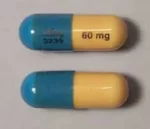
| Zohydro ER | 10 mg to 50 mg capsules | 10 mg every 12 hours | Every 12 hours |
Extended-release hydrocodone products don’t contain acetaminophen or ibuprofen. They’re designed to release the medication slowly over many hours, providing steady, around-the-clock pain relief for people with chronic pain conditions who need consistent coverage rather than intermittent dosing. These formulations are not meant for occasional or as-needed use, and they should never be crushed, chewed, or dissolved, since doing so can release the entire dose at once, a genuinely dangerous scenario.
Standard Adult Starting Doses
For most healthy adults being prescribed hydrocodone/acetaminophen for acute pain, a typical starting regimen looks like one tablet of the 5/325 mg or 7.5/325 mg strength every 4 to 6 hours as needed for pain. Some prescribers begin even more conservatively with the 2.5/325 mg strength, particularly for older adults or those who have never taken an opioid before.
The goal during this initial period is to find the lowest dose that provides adequate relief while minimizing side effects like drowsiness, nausea, and constipation. If a patient finds that pain returns well before the next scheduled dose is due, that’s valuable information for the prescriber, it may indicate the need for a dosage adjustment or a switch to a different formulation altogether, rather than simply taking doses more frequently than prescribed.
Maximum Daily Hydrocodone Dosage
There isn’t a single universal maximum dose for hydrocodone itself; instead, limits are usually set by the total amount of hydrocodone combined with restrictions on the non-opioid ingredient in combination products. For immediate-release hydrocodone/acetaminophen products, prescribing guidelines generally cap total hydrocodone intake around 60 to 90 mg per day for chronic use, though acute post-surgical prescriptions are often lower and shorter in duration.
Extended-release products have their own dosing ceilings that depend on the specific brand, the patient’s opioid tolerance, and how the medication is being titrated. These are always determined by a physician based on individual response and should never be exceeded or adjusted without medical guidance.
Acetaminophen Limits
This is one of the most important safety considerations for anyone taking hydrocodone/acetaminophen combination products. The FDA has limited over-the-counter and prescription combination products to a maximum of 325 mg of acetaminophen per tablet or capsule, specifically because higher doses were linked to an increased risk of severe, sometimes fatal, liver damage.
Beyond the per-tablet limit, total daily acetaminophen intake from all sources, including over-the-counter cold medicines, other pain relievers, and the hydrocodone combination product, generally should not exceed 3,000 to 4,000 mg per day, and many doctors now recommend staying closer to the lower end of that range, especially for long-term use or in patients with any degree of liver impairment. This means that even if a hydrocodone dose itself seems “safe,” doubling up on doses or combining the medication with other acetaminophen-containing products (like many flu and cold remedies) can quietly push a person into dangerous territory.
According to Mayo Clinic’s patient guidance on acetaminophen and hydrocodone, patients should always check the labels of any other medications they’re taking to avoid accidental acetaminophen overload, since this ingredient is hidden in dozens of common over-the-counter products.
Dosage Adjustments for Special Populations
Standard dosing charts assume an average, healthy adult. In reality, a meaningful percentage of patients fall outside that category, and for them, dosage decisions require extra caution.
Elderly Patients
Older adults typically experience slower drug metabolism, reduced kidney and liver function, and a higher likelihood of taking multiple other medications, all of which increase sensitivity to opioids. Physicians usually start elderly patients at the lowest possible dose, sometimes half of what a younger adult might receive, and increase gradually while watching closely for confusion, dizziness, excessive sedation, or falls, all of which are more common in this age group when opioids are involved.
Patients with Liver or Kidney Impairment
Because hydrocodone is processed by the liver and eliminated through the kidneys, impairment in either organ can cause the drug (and, in combination products, the acetaminophen) to build up to unsafe levels. Patients with liver disease are often advised to avoid acetaminophen-containing combination products altogether or to use them only under close medical supervision with reduced dosing. Those with significant kidney impairment may need longer intervals between doses or lower total daily amounts, since reduced clearance can prolong the drug’s effects and increase the risk of accumulation.
Opioid-Tolerant vs Opioid-Naive Patients
As mentioned earlier, someone who has been taking opioids regularly can often tolerate doses that would be dangerous, even fatal, for someone with no recent opioid exposure. This is especially critical with extended-release hydrocodone products, which are specifically labeled as inappropriate for opioid-naive patients at higher starting strengths. If a patient has taken a break from opioid therapy, even for just a few days, their tolerance can drop significantly, and resuming a previous dose without medical guidance can be extremely risky.
Pediatric Dosing
Hydrocodone is generally not recommended for young children, and when it is prescribed for adolescents, dosing is calculated much more conservatively, often based on body weight, and requires close parental supervision. Many pediatricians avoid opioid combination products in children altogether when alternative pain management options are available, reserving hydrocodone for situations involving significant pain, such as after major surgery or trauma.
Pregnant or Breastfeeding Patients
Opioid use during pregnancy carries risks, including the possibility of neonatal opioid withdrawal syndrome if the medication is used regularly in later pregnancy. Hydrocodone can also pass into breast milk. Any pregnant or breastfeeding patient prescribed hydrocodone should have a detailed conversation with their obstetrician or prescriber about risks, benefits, and alternative pain management strategies before starting or continuing treatment.
How to Take Hydrocodone Safely
Beyond just knowing the numbers, safe hydrocodone use comes down to a handful of practical habits:
- Take it exactly as prescribed. Don’t adjust your dose or frequency based on how you feel unless your doctor has given you specific instructions for doing so.
- Avoid alcohol completely. Combining hydrocodone with alcohol dramatically increases the risk of dangerous respiratory depression, even at doses that would otherwise be considered safe. Our detailed guide on mixing hydrocodone and alcohol covers exactly why this combination is so risky and how long you should wait between the two.
- Don’t crush or split extended-release tablets. Doing so can release the full dose at once, leading to overdose.
- Take with food if it upsets your stomach, unless your prescriber advises otherwise.
- Store it securely, away from children, guests, and anyone who might misuse it. Opioid medications are among the most commonly diverted prescription drugs in the country.
- Never share your prescription, even with someone experiencing similar pain. Dosing that’s safe for you could be dangerous for someone else.
If you’re planning to travel with a hydrocodone prescription, whether domestically or internationally, there are additional legal and logistical considerations worth knowing ahead of time, which we cover in our guide on traveling with hydrocodone.
What to Do If You Miss a Dose
If you’re taking hydrocodone on an as-needed basis for pain, a missed dose typically just means taking the next one when pain returns, without doubling up. For scheduled dosing, such as with extended-release formulations, the general rule is to take the missed dose as soon as you remember, unless it’s almost time for your next scheduled dose, in which case you skip the missed one and resume your regular schedule. Doubling a dose to “catch up” is never appropriate with an opioid medication and significantly increases overdose risk.
When in doubt, calling your pharmacist or prescriber for guidance is always safer than guessing.
Signs of Hydrocodone Overdose
Recognizing the signs of an opioid overdose can save a life. Because hydrocodone depresses the central nervous system, an overdose primarily affects breathing and consciousness. Warning signs include:
- Extreme drowsiness or difficulty staying awake
- Slow, shallow, or stopped breathing
- Pinpoint pupils
- Blue or grayish tint to the lips or fingertips
- Limp body or lack of muscle tone
- Cold, clammy skin
- Gurgling or choking sounds
- Unresponsiveness to voice or touch
If you suspect someone is experiencing an opioid overdose, call emergency services immediately. If naloxone (Narcan) is available, administer it according to instructions while waiting for help to arrive. Naloxone can temporarily reverse opioid overdose effects, but its effects wear off faster than many opioids remain active in the body, so emergency medical care is still essential even after naloxone is given.
Hydrocodone Interactions to Watch For
Hydrocodone doesn’t exist in a vacuum, and its safety profile changes significantly depending on what else is in a person’s system. Some of the most important interactions include:
- Alcohol: Increases sedation and respiratory depression risk substantially.
- Benzodiazepines (like Xanax, Valium, or Ativan): The combination of opioids and benzodiazepines is one of the leading causes of prescription drug overdose deaths, due to the compounded effect on breathing.
- Other opioids: Combining hydrocodone with other opioid medications multiplies sedative effects and overdose risk.
- Muscle relaxants: These can compound drowsiness and impair coordination.
- MAO inhibitors: Can cause dangerous interactions and should generally be avoided within two weeks of hydrocodone use.
- Sleep medications: Increase sedation risk when combined with opioids.
- Certain antidepressants and antibiotics: Some can affect the CYP2D6 or CYP3A4 enzymes responsible for hydrocodone metabolism, altering how much active medication is in your system.
Always give your prescriber and pharmacist a full list of everything you take, including over-the-counter medications, supplements, and herbal products, before starting hydrocodone.
Long-Term Use, Tolerance, and Dependence
With continued use, most people develop some degree of tolerance to hydrocodone, meaning the same dose gradually produces less pain relief over time. This is a normal physiological response, not necessarily a sign of misuse, but it’s an important reason why long-term opioid therapy requires ongoing medical supervision rather than self-adjustment.
Physical dependence, where the body has adapted to the presence of the drug and experiences withdrawal symptoms if it’s stopped abruptly, can develop even in patients taking hydrocodone exactly as prescribed. This is different from addiction, which involves compulsive use despite negative consequences, though the two can certainly overlap. If you’re wondering how long hydrocodone actually remains detectable and active in your body, which matters both for dosing intervals and for drug testing purposes, our guide on how long hydrocodone stays in your system offers a detailed breakdown.
Tapering Off Hydrocodone Safely
Because physical dependence can develop with regular use, stopping hydrocodone abruptly after taking it for an extended period often triggers withdrawal symptoms, including muscle aches, anxiety, sweating, nausea, and insomnia. For this reason, doctors typically recommend a gradual taper, slowly reducing the dose over days or weeks, rather than stopping suddenly.
The exact tapering schedule depends on how long the medication has been used, the dose involved, and individual patient factors. If you’re preparing to stop hydrocodone or are simply curious about what the process looks like day by day, our detailed hydrocodone withdrawal timeline walks through what to expect at each stage.
How Hydrocodone Compares to Other Painkillers
Hydrocodone is often prescribed alongside, or instead of, other opioid and non-opioid pain medications, and patients frequently want to know how it stacks up. In terms of potency, hydrocodone is generally considered roughly equivalent to oxycodone milligram for milligram in some contexts, though the two drugs have different metabolic pathways and side effect profiles. For a deeper look at how these two commonly prescribed opioids compare, our article on hydrocodone versus oxycodone breaks down potency, onset, and risk differences in detail.
Compared to non-opioid options like tramadol, hydrocodone is generally considered more potent and carries a higher risk of dependence, though tramadol has its own unique interaction risks. If you’re weighing options with your doctor, our comparison of hydrocodone versus tramadol can help clarify which factors matter most for different types of pain.
Frequently Asked Questions
What is the strongest dose of hydrocodone available?
Among combination products, 10 mg of hydrocodone paired with 325 mg of acetaminophen is generally the highest commercially available strength. Extended-release single-ingredient products like Hysingla ER go considerably higher, up to 120 mg, but these are reserved for opioid-tolerant patients with significant, ongoing pain management needs, not for initial or short-term prescriptions.
Can I take hydrocodone every 4 hours instead of every 6?
Only if your prescriber has specifically instructed you to do so. Dosing intervals are set based on how long the medication remains effective and how quickly it clears your system, and taking doses closer together than prescribed increases the risk of side effects and overdose, even if the total daily amount seems similar.
Is it safe to take hydrocodone on an empty stomach?
For many people, yes, but hydrocodone can cause nausea in some patients, and taking it with a small amount of food can help reduce this side effect. Unless your prescriber has given specific instructions about food timing, this is generally a personal comfort choice rather than a safety requirement.
How quickly does hydrocodone start working?
Immediate-release formulations typically begin relieving pain within 20 to 30 minutes, reaching peak effect around 1 to 1.5 hours after ingestion. Extended-release versions work more gradually, providing steadier, longer-lasting relief rather than a quick onset.
What should I do if my prescribed dose isn’t controlling my pain?
Contact your prescriber rather than increasing the dose on your own. Inadequate pain control can sometimes be addressed with a dosage adjustment, a different formulation, or an entirely different treatment approach, but this decision should always involve your healthcare provider, since self-adjusting opioid doses carries serious risks.
Conclusion
Hydrocodone can be an effective tool for managing moderate to severe pain, but its safety depends heavily on precise, individualized dosing. What works for one person, whether that’s a starting strength, a dosing interval, or a maximum daily amount, may be entirely inappropriate for someone else based on age, organ function, opioid tolerance, and other medications. The details in this guide are meant to help you understand the general landscape of hydrocodone dosing and ask better-informed questions, but they’re never a substitute for guidance from your prescribing doctor or pharmacist. If anything about your prescription feels unclear, whether it’s the strength, the frequency, or how it interacts with something else you’re taking, that’s always worth a phone call before your next dose.