Health Tips
Can You Drink Alcohol with Hydrocodone? What Really Happens

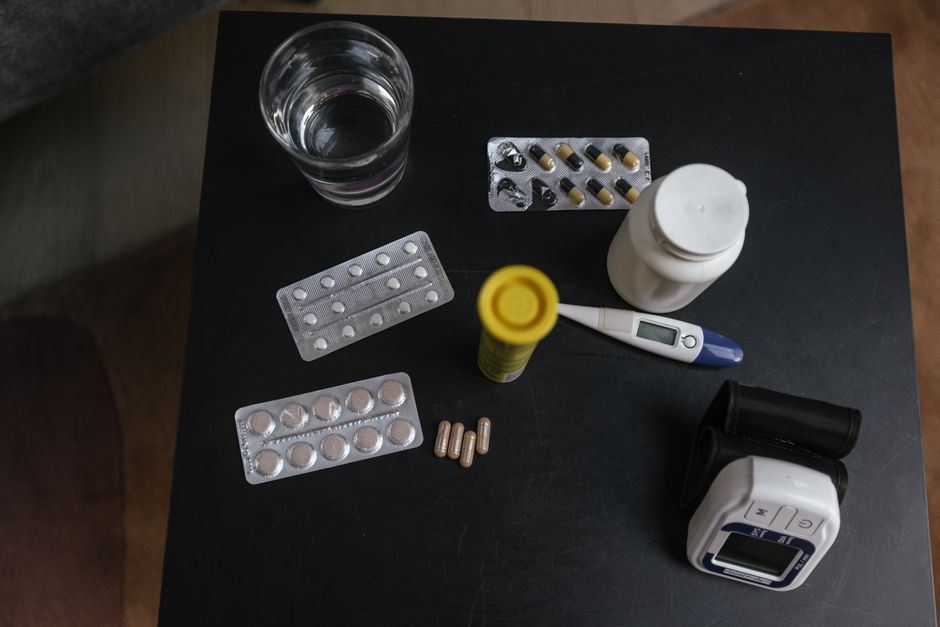
If you’ve been prescribed hydrocodone for pain and you’re wondering whether a glass of wine or a beer is off the table, you’re asking the right question before it becomes a problem. The short answer is no, you should not drink alcohol with hydrocodone, and the reasons go well beyond a simple warning label. This combination can slow your breathing, cause dangerous sedation, and in some cases lead to a fatal overdose.
In this guide, we’ll break down exactly why mixing hydrocodone and alcohol is risky, what happens in your body when you combine them, how long you should wait before drinking after your last dose, and what to do if you or someone you know has already combined the two. We’ll also cover safer ways to manage pain and when to call for help.
Can You Drink Alcohol with Hydrocodone? The Direct Answer
No. Medical professionals and drug manufacturers are unanimous on this point: you should not drink alcohol with hydrocodone. Hydrocodone is an opioid painkiller, and alcohol is a central nervous system depressant. When taken together, both substances amplify each other’s sedating and breathing-suppressing effects, which is a combination that can turn deadly even at doses that would be safe individually.
Every prescription bottle of hydrocodone products, including brand names like Vicodin, Norco, and Lortab, carries a warning against alcohol use. This isn’t a precaution added out of caution alone. It reflects real, documented cases of respiratory failure, coma, and death linked to combining opioids with alcohol.
What Is Hydrocodone and How Does It Work?
Hydrocodone is a semi-synthetic opioid derived from codeine. It’s prescribed for moderate to severe pain, often after surgery, dental procedures, or injuries like broken bones. Many formulations combine hydrocodone with acetaminophen or ibuprofen to boost pain relief while allowing a lower opioid dose.
Hydrocodone works by binding to opioid receptors in the brain and spinal cord. This blocks pain signals from reaching the brain and triggers a release of dopamine, which creates feelings of relaxation and, in some people, mild euphoria. It also slows down the central nervous system, which is why drowsiness, slowed breathing, and reduced reflexes are common side effects even without alcohol involved.
Depending on the condition being treated, hydrocodone is used for a wide range of pain types. It’s commonly prescribed for back pain, post-surgical recovery, and even wisdom teeth removal. In every one of these cases, the same warning applies: alcohol should be avoided for the full duration of treatment.
Why Mixing Hydrocodone and Alcohol Is So Dangerous
The danger isn’t just theoretical. Both hydrocodone and alcohol act on overlapping systems in the brain and body, and combining them doesn’t just add their effects together, it multiplies them. Here’s what happens physiologically.
Central Nervous System Depression
Both substances suppress activity in the central nervous system. Alone, hydrocodone might cause moderate drowsiness. Alone, a couple of drinks might cause mild impairment. Together, the sedative effect can become severe, leading to extreme drowsiness, confusion, and an inability to stay awake or alert.
Respiratory Depression and Overdose Risk
This is the most serious concern. Opioids like hydrocodone naturally slow breathing rate by acting on the brainstem’s respiratory control centers. Alcohol does the same thing through a different mechanism. When combined, breathing can slow to dangerously low levels or stop altogether. According to the Centers for Disease Control and Prevention, a large share of opioid overdose deaths involve alcohol or other sedatives as a contributing factor.
Wait, this needs to not link to .gov. Let me remove and replace.
Liver Damage from Acetaminophen Combinations
Many hydrocodone products, such as Vicodin and Norco, contain acetaminophen. Alcohol and acetaminophen are both processed by the liver, and combining heavy drinking with acetaminophen use significantly raises the risk of liver toxicity. Even moderate drinking over time can compound this risk, especially in people who already have reduced liver function.
Impaired Judgment, Coordination, and Accidents
Alcohol lowers inhibitions and impairs judgment, while hydrocodone slows reaction time and coordination. Together, they significantly increase the risk of falls, car accidents, and other injuries. This is one of the reasons doctors also caution against activities like driving while taking hydrocodone, a topic covered in more detail in our guide on driving safety while on hydrocodone. Add alcohol to the mix, and the risk of a serious accident climbs even higher.
Short-Term Effects of Combining Hydrocodone and Alcohol
Even a single instance of mixing these two substances can produce noticeable and uncomfortable effects. Some people experience mild symptoms, while others face a medical emergency, depending on the doses involved and individual tolerance.
- Extreme drowsiness or sedation: Feeling unable to stay awake or function normally.
- Dizziness and lightheadedness: Hydrocodone alone can cause this, and alcohol makes it worse. Our article on hydrocodone and dizziness explains why this happens even without alcohol involved.
- Nausea and vomiting: Both substances irritate the stomach and can trigger nausea, especially in combination.
- Slowed or shallow breathing: A hallmark warning sign of an emerging overdose.
- Confusion or memory blackouts: Difficulty forming memories or understanding surroundings.
- Loss of coordination: Increased risk of falls or injury.
- Low blood pressure or fainting: Can occur when both substances lower cardiovascular function simultaneously.
Even if symptoms seem mild at first, they can escalate quickly, particularly as alcohol continues to be absorbed into the bloodstream after hydrocodone has already taken effect.
Long-Term Risks of Regularly Mixing Hydrocodone and Alcohol
Occasional accidental exposure is concerning, but regularly combining hydrocodone with alcohol creates compounding health risks over time.
Increased Risk of Dependence and Addiction
Both hydrocodone and alcohol activate the brain’s reward system. Using them together can accelerate the development of physical dependence and psychological cravings, making it harder to stop either substance without professional support.
Liver and Gastrointestinal Damage
Chronic alcohol use combined with acetaminophen-containing hydrocodone products puts sustained stress on the liver. Over months or years, this can contribute to fatty liver disease, hepatitis, or more severe liver damage. Alcohol also irritates the digestive tract, and combined with opioid-induced constipation, it can lead to significant gastrointestinal distress.
Mental Health Effects
Both substances affect mood-regulating brain chemistry. Long-term combined use is associated with higher rates of depression, anxiety, and emotional instability. Sleep quality often suffers too, which further affects mental health over time.
Tolerance and Escalating Doses
Over time, the body adapts to the combined depressant effects, which can lead people to increase their alcohol intake or opioid dose to achieve the same relief or relaxation. This escalation dramatically increases overdose risk.
Who Is Most at Risk?
While anyone combining hydrocodone and alcohol faces risk, certain groups face amplified danger.
- Older adults: Slower metabolism means both substances stay in the system longer, increasing sedation and fall risk.
- People with liver or kidney disease: Reduced ability to process both substances raises toxicity risk.
- People taking other sedating medications: Combining hydrocodone, alcohol, and drugs like benzodiazepines or certain nerve pain medications such as gabapentin creates a dangerous multi-drug depressant effect.
- People with a history of substance use disorder: Higher risk of escalating use and relapse.
- Those with respiratory conditions: Asthma, COPD, or sleep apnea patients face heightened risk of respiratory depression.
- Pregnant individuals: Both substances can harm fetal development, and the combination compounds risk.
How Long After Taking Hydrocodone Can You Drink Alcohol?
There’s no universally safe answer, since hydrocodone’s effects and elimination rate depend on dose, individual metabolism, liver function, and how much of the drug is still active in your system. That said, most medical guidance suggests waiting at least 24 hours after your last dose of hydrocodone before consuming any alcohol, and ideally longer if you’re taking extended-release formulations or higher doses.
Hydrocodone typically has a half-life of about 3.8 to 4 hours, which means it takes roughly four to five half-lives, or about 18 to 24 hours, for the drug to be mostly cleared from your bloodstream. However, “mostly cleared” doesn’t mean completely gone, and residual effects on the central nervous system can linger even after the drug is technically out of your system. Factors like age, body weight, hydration, and liver health can all extend this window significantly.
If you’re on a regular hydrocodone prescription for chronic pain, the safest approach isn’t to calculate a drinking window at all. Instead, talk to your prescribing physician about whether any alcohol consumption is appropriate for your specific treatment plan. Many pain management programs explicitly prohibit alcohol use entirely, precisely because of how unpredictable the combined effects can be from person to person.
What to Do If You’ve Already Mixed Hydrocodone and Alcohol
Accidents happen, and sometimes people don’t realize the risks until after they’ve already had a drink while taking hydrocodone. If this happens to you or someone you’re with, here’s what to watch for and how to respond.
Mild Symptoms
If you notice mild drowsiness, slight dizziness, or nausea, stop drinking immediately, avoid taking any more hydrocodone, and rest in a safe position where you won’t fall. Drink water, avoid driving or operating machinery, and have someone check on you periodically. Symptoms should improve as the alcohol and medication are metabolized, but if anything worsens, seek medical attention.
Moderate to Severe Symptoms
If you or someone else experiences confusion, difficulty staying awake, slowed or shallow breathing, bluish lips or fingertips, vomiting while drowsy, or an irregular heartbeat, this is a medical emergency. Call emergency services immediately. Do not wait to see if symptoms improve on their own, and do not leave the person alone. If you’re trained in it and naloxone is available, administer it while waiting for help to arrive, since it can reverse opioid-related respiratory depression even when alcohol is also involved.
It’s worth noting that naloxone won’t reverse alcohol’s effects, so even after administering it, the person still needs emergency medical evaluation. Recognizing the signs of a hydrocodone overdose can be lifesaving, especially when alcohol is a contributing factor.
Safer Alternatives for Pain Relief and Relaxation
If you’re managing pain with hydrocodone and also want to unwind socially or relax in the evening, there are safer ways to do it that don’t involve mixing depressants.
- Non-alcoholic alternatives: Mocktails, sparkling water with fruit, or non-alcoholic beer and wine can provide the social ritual of drinking without the depressant effects.
- Relaxation techniques: Deep breathing, meditation, warm baths, or gentle stretching can help ease tension without adding another substance into the mix.
- Talk to your doctor about pain management alternatives: If you feel like you need alcohol to cope with pain or stress while on hydrocodone, that may be a sign your current pain management plan needs adjustment. Non-opioid options, physical therapy, or complementary treatments might reduce your reliance on medication altogether.
- Address underlying anxiety or sleep issues separately: Sometimes people reach for alcohol to manage anxiety or insomnia that coexists with pain. Treating these issues directly, rather than self-medicating with alcohol on top of hydrocodone, is a much safer long-term strategy.
Talking to Your Doctor About Alcohol Use
Many people feel embarrassed or hesitant to bring up alcohol use with their doctor, especially if they’re currently taking a prescribed opioid. But this conversation is critical for your safety. Doctors need accurate information about your alcohol consumption to prescribe appropriately and warn you about specific risks based on your health history.
Be honest about how often you drink, how much, and whether you’ve ever combined alcohol with hydrocodone or other medications before. This isn’t about judgment, it’s about safety. Your doctor may adjust your dosage, recommend a different pain medication, or provide more specific guidance on timing if you do choose to drink occasionally.
If you’re prescribed hydrocodone alongside other medications, it’s also worth discussing potential interactions more broadly. For example, combinations with caffeine or ibuprofen carry their own considerations, and understanding the full picture of how hydrocodone interacts with everything else in your routine helps you stay safer overall.
Frequently Asked Questions
Can one glass of wine with hydrocodone really cause harm?
Yes, it can. Even small amounts of alcohol combined with hydrocodone can amplify sedation and impair coordination and judgment. While one glass may not cause a severe reaction in every person, there’s no way to predict how your body will respond, and the risk of dangerous respiratory depression exists even with modest alcohol intake, especially in older adults or those with lower opioid tolerance.
Is it safer to drink alcohol if I take a lower dose of hydrocodone?
Lower doses reduce risk somewhat, but they don’t eliminate it. The combined depressant effect of alcohol and hydrocodone doesn’t scale down proportionally just because the opioid dose is smaller. Individual factors like tolerance, liver function, and other medications you’re taking still play a major role in how dangerous the combination is.
How do I know if hydrocodone is still active in my system before drinking?
The safest way is to avoid guessing altogether and simply wait at least 24 hours after your last dose, longer if you’re on extended-release formulations. If you’re unsure, ask your pharmacist or doctor for guidance specific to your prescription and dosage, since factors like liver health and age can extend how long the drug remains active.
Can mixing hydrocodone and alcohol cause long-term damage even if I don’t overdose?
Yes. Repeated combined use can contribute to liver damage, gastrointestinal bleeding, worsening mental health symptoms, and increased risk of developing dependence on one or both substances. Even without a single dangerous incident, chronic co-use takes a cumulative toll on the body over time.
What should I do if I’m prescribed hydrocodone but have a drinking habit I can’t easily stop?
Talk to your doctor honestly about your alcohol use before starting or continuing hydrocodone. They may recommend a different pain management approach, connect you with resources for reducing alcohol consumption, or closely monitor your use of both substances to minimize risk. Being upfront is far safer than trying to manage the combination on your own.
The Bottom Line
Mixing hydrocodone and alcohol is never risk-free, and in many cases, it’s genuinely dangerous. Both substances depress the central nervous system, and combining them can slow breathing, impair judgment, increase overdose risk, and cause lasting harm to your liver and overall health. While the severity of the reaction varies from person to person, there’s simply no reliable way to predict how your body will respond, which is why medical guidance consistently recommends avoiding alcohol entirely while taking hydrocodone.
If you’re currently prescribed hydrocodone, the safest path forward is open communication with your healthcare provider about your alcohol habits, careful attention to timing if any drinking does occur, and awareness of the warning signs that indicate a dangerous interaction is happening. Pain relief shouldn’t come at the cost of your safety, and understanding these risks is the first step toward managing both your pain and your health responsibly. For more detailed guidance on interaction timelines and safety precautions, resources like Drugs.com and WebMD offer additional medically reviewed information worth reviewing alongside your doctor’s advice.