Oxycodone Half-Life Explained: How Long It Really Stays in Your System

Learn what oxycodone's half-life really means, how long it stays in your system, and the key factors like liver function, age, and genetics that affect elimination, detection times, and safe dosing.

Can Oxycodone Cause Sweating? Causes, Risks, and Relief Tips
Oxycodone can cause sweating due to its effects on the brain's temperature control center, histamine release, and the autonomic nervous system. Learn why it happens, when it's a warning sign, and how to find relief.

Why Does Oxycodone Make Me Itchy? Causes and Relief Tips
Itchy skin after taking oxycodone is a common, usually harmless side effect caused by histamine release rather than a true allergy, and this guide explains why it happens along with practical relief strategies and long-term management tips.
Oxycodone Nausea: Causes and Relief Tips
Learn why oxycodone causes nausea, how long it typically lasts, and practical, doctor-backed strategies to relieve queasiness while staying on track with your pain treatment plan.
What to Do If You Accidentally Take Two Oxycodone Pills
Learn exactly what to do if you accidentally take two oxycodone pills, including warning signs of overdose, when to call Poison Control or 911, and practical steps to prevent dosing mistakes in the future.

What Happens If You Miss an Oxycodone Dose? A Complete Guide
Missing an oxycodone dose is common and usually manageable, but knowing whether to take it late, skip it, or contact your doctor can help you avoid pain flares, withdrawal symptoms, and dangerous double dosing.

Should You Take Oxycodone Before or After Food? What You Need to Know
Whether oxycodone should be taken before or after food depends on the formulation you're prescribed; immediate-release is flexible, while extended-release requires caution around high-fat meals to avoid unpredictable absorption spikes.
Best Time to Take Oxycodone for Pain Relief
Timing plays a major role in how well oxycodone controls pain, and this guide breaks down how onset, formulation, food, sleep, and daily routine all affect the best schedule for relief.
Best Foods to Relieve Oxycodone Constipation
Oxycodone often causes constipation, but the right foods, including high-fiber fruits, vegetables, whole grains, and probiotics, can help keep digestion moving and ease discomfort.
Oxycodone and Constipation: Prevention & Relief Strategies That Actually Work
Oxycodone commonly causes constipation by slowing gut motility, but the right prevention plan and relief options can keep symptoms manageable without sacrificing pain control.

Can Oxycodone Cause Dizziness? What You Should Know
Dizziness is a common side effect of oxycodone caused by central nervous system depression, blood pressure changes, and other factors, and this guide explains why it happens, who's most at risk, and how to manage it safely.
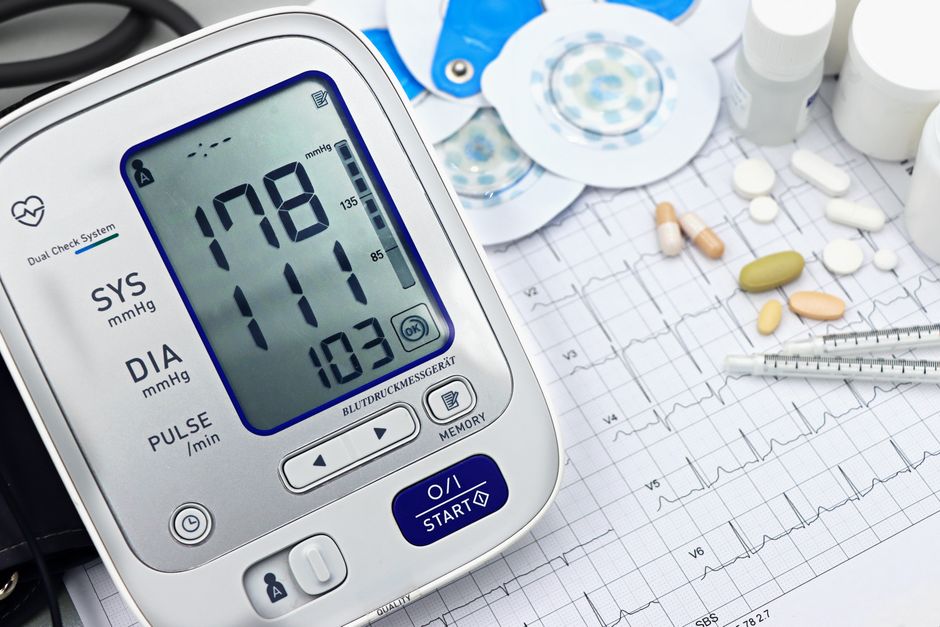
Oxycodone and Heart Rate: What to Expect
Oxycodone can raise or lower your heart rate depending on dosage, individual physiology, and other medications. Here's what's normal, what's concerning, and when to call your doctor.