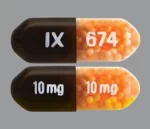
Immediate-Release vs Extended-Release Oxycodone: What’s the Difference?

Immediate-release and extended-release oxycodone differ in onset, duration, and safety risks. Here's how they compare and which one doctors prescribe for different types of pain.

Oxycodone vs Fentanyl: Comparing Strength, Uses, and Overdose Risk
A detailed comparison of oxycodone and fentanyl covering potency, medical uses, forms, addiction risk, and why fentanyl carries a far greater overdose danger than oxycodone.

Oxycodone vs Codeine: Comparing Strength, Uses, and Risks
A detailed comparison of oxycodone and codeine covering potency, medical uses, side effects, addiction risk, drug interactions, and safety considerations to help patients understand which opioid may be appropriate for their needs.

Oxycodone vs Dilaudid: Comparing Strength, Uses, and Risks
A detailed comparison of oxycodone and Dilaudid covering their strength, medical uses, side effects, dependence risks, dosing conversions, and safety considerations to help patients understand these two powerful opioid pain relievers.

Oxycodone vs Norco: Comparing Strength, Uses, and Risks
A detailed comparison of oxycodone and Norco covering strength, uses, dosing, side effects, addiction risk, and safety considerations to help patients understand the key differences between these two commonly prescribed opioids.

Oxycodone vs Tramadol: Which Painkiller Is Right for You?
Oxycodone and tramadol are both prescription painkillers, but they differ significantly in strength, mechanism, side effects, and addiction risk, making the right choice highly dependent on individual pain levels and health factors.

Oxycodone vs Morphine: Which Opioid Is Stronger and Safer?
Oxycodone and morphine are both powerful opioids used for pain relief, but they differ in potency, absorption, and safety profile. This guide compares their strength, side effects, dosing, and risks to help you understand which may be right for a given situation.

Oxycodone vs Hydrocodone: Which Is Stronger?
Oxycodone is generally considered about 1.5 times stronger than hydrocodone milligram for milligram, but side effects, addiction risk, and safety depend far more on individual metabolism, dosage, and combination ingredients than on raw potency.

Can You Take Acetaminophen With Oxycodone? Safety, Dosing, and Risks
Combining acetaminophen with oxycodone, as in Percocet, can be safe and effective for pain relief when dosed correctly, but overlapping acetaminophen sources and liver strain make careful tracking essential.

Can You Take Tylenol With Oxycodone? Safety, Dosage, and Risks
Combining Tylenol and oxycodone is generally safe and commonly recommended for pain relief, but tracking total daily acetaminophen intake is essential to avoid liver damage.

Additional Long-Tail Topics: Answering Common Prescription Medication Questions
A detailed roundup answering the specific, often-overlooked prescription medication questions people search for, covering drug interactions, storage, dosing, tapering, and overdose safety.

Oxycodone Information for North Carolina Patients: Laws, Prescriptions, and Safety Guide
A complete guide to oxycodone laws, prescribing limits, pharmacy rules, and safety practices for patients in North Carolina, including details on the STOP Act and the state's Controlled Substances Reporting System.