Health Tips
Oxycodone vs Tramadol: Which Painkiller Is Right for You?


If your doctor has mentioned either oxycodone or tramadol for pain relief, you probably have questions about how these two medications stack up against each other. Both are prescription painkillers, but they work differently, carry different risks, and are regulated in different ways. Understanding the distinction between oxycodone vs tramadol can help you have a more informed conversation with your healthcare provider and use either medication more safely.
In this guide, we’ll break down how each drug works, how strong each one is, what side effects to expect, and which situations call for one over the other. We’ll also cover addiction risk, drug interactions, and answer the most common questions patients ask about these two medications.
Oxycodone vs Tramadol: The Quick Answer
Oxycodone is a full opioid agonist, meaning it binds strongly and directly to opioid receptors in the brain and spinal cord. Tramadol is considered an atypical opioid; it has weaker opioid activity but also affects serotonin and norepinephrine levels, similar to some antidepressants. In practical terms, oxycodone is significantly more potent and is generally reserved for moderate to severe pain, while tramadol is typically prescribed for mild to moderate pain.
Both drugs carry risks of dependence, tolerance, and misuse, but oxycodone’s risk profile is considerably higher because of its strength and the way it interacts with the brain’s reward system. That said, tramadol is not without serious risks of its own, particularly when combined with certain antidepressants or in people with a history of seizures.
What Is Oxycodone?
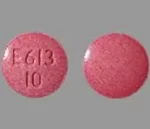
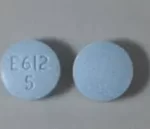
Oxycodone is a semi-synthetic opioid derived from thebaine, an alkaloid found in the opium poppy. It’s classified as a Schedule II controlled substance in the United States because of its high potential for abuse and dependence. Doctors prescribe oxycodone for moderate to severe pain, including post-surgical pain, cancer-related pain, and chronic pain that hasn’t responded to other treatments.
Oxycodone is sold under several brand names, including OxyContin (extended-release) and Roxicodone (immediate-release). It’s also combined with acetaminophen in products like Percocet. Oxycodone works by binding tightly to mu-opioid receptors, blocking pain signals and producing a sense of euphoria that contributes to its potential for misuse.
If you want a deeper look at how oxycodone compares to other strong opioids, our articles on oxycodone vs morphine and oxycodone vs hydrocodone go into more detail on potency and safety differences within the opioid class.
What Is Tramadol?
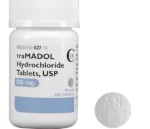
Tramadol is a synthetic opioid that works differently from most other opioids on the market. It has a dual mechanism of action: it binds weakly to mu-opioid receptors, and it also inhibits the reuptake of serotonin and norepinephrine in the brain. This dual action is why tramadol is sometimes described as having antidepressant-like properties in addition to its pain-relieving effects.
Tramadol is classified as a Schedule IV controlled substance, which reflects a lower (but not negligible) potential for abuse compared to oxycodone. It’s commonly prescribed under brand names like Ultram and ConZip, and it’s often used for conditions like osteoarthritis, fibromyalgia, back pain, and post-surgical discomfort that doesn’t require a stronger opioid.
How Do Oxycodone and Tramadol Work in the Body?
Both drugs relieve pain, but the way they get there is quite different, and this matters for how each one feels, how long it lasts, and what risks come with it.
Oxycodone’s Mechanism
Oxycodone is a pure opioid agonist. It binds directly and strongly to mu-opioid receptors throughout the central nervous system. This action blocks pain signals from reaching conscious awareness and also triggers the release of dopamine, which produces feelings of relaxation and euphoria. This strong receptor binding is part of why oxycodone is so effective for severe pain, but it’s also why the drug carries a higher risk of dependence and respiratory depression.
Tramadol’s Mechanism
Tramadol’s opioid activity is much weaker on its own. In fact, much of tramadol’s pain-relieving effect comes from its active metabolite, O-desmethyltramadol, which is produced by liver enzymes (primarily CYP2D6). This means tramadol’s effectiveness can vary significantly from person to person depending on how quickly their liver metabolizes the drug. Some people are
ultra-rapid metabolizers due to genetic variations in the CYP2D6 enzyme, meaning they convert tramadol into its active form very quickly and may experience stronger effects and a higher risk of side effects, including dangerous respiratory depression, even at standard doses. Others are poor metabolizers who convert very little of the drug, meaning they may get minimal pain relief no matter how much they take. This genetic variability is one of the most important differences between the two medications. Oxycodone’s effects are relatively predictable across most people because it doesn’t rely on this conversion step, while tramadol’s effectiveness can range from barely noticeable to unexpectedly strong depending on a person’s individual liver chemistry.
There’s another layer to tramadol’s mechanism that sets it apart from oxycodone entirely. In addition to its opioid activity, tramadol inhibits the reuptake of serotonin and norepinephrine in the brain, giving it a secondary mechanism similar to certain antidepressants known as SNRIs (serotonin-norepinephrine reuptake inhibitors). This dual action is part of why tramadol can be helpful for certain types of nerve-related pain, but it also introduces additional risks, such as an increased chance of seizures and a potentially serious condition called serotonin syndrome, especially when combined with other serotonin-affecting medications.
Which One Is Stronger: Oxycodone or Tramadol?
In terms of raw analgesic power, oxycodone is significantly stronger than tramadol. Oxycodone is generally considered to be several times more potent on a milligram-for-milligram basis, which is why it’s reserved for moderate to severe pain, including post-surgical recovery, cancer-related pain, and injuries that don’t respond to milder medications. Tramadol, by contrast, sits closer to the lower end of the opioid potency spectrum, making it more appropriate for pain that’s uncomfortable but not debilitating.
This difference in strength is directly tied to how each drug interacts with opioid receptors. Oxycodone binds tightly and directly, producing a strong and relatively fast analgesic effect. Tramadol’s weaker direct opioid activity, combined with its dependence on liver conversion for full effect, means it simply can’t match oxycodone’s pain-relieving power in most clinical situations. If you’re curious about how oxycodone stacks up against other strong opioids, our comparison of oxycodone vs morphine and oxycodone vs hydrocodone can offer more context on where oxycodone falls among commonly prescribed opioids.
Effectiveness for Different Types of Pain
Neither drug is a one-size-fits-all solution, and doctors typically choose between them based on the type, severity, and expected duration of a patient’s pain.
When Oxycodone Is Typically Prescribed
Oxycodone is generally the go-to option for:
- Moderate to severe pain following surgery
- Pain related to cancer or serious injury
- Chronic pain conditions that haven’t responded to weaker medications
- Situations where fast, reliable, and strong pain relief is essential
Because oxycodone comes in both immediate-release and extended-release formulations, it can be tailored to short-term acute pain or longer-term chronic pain management. Understanding the available strengths can help patients and caregivers better grasp how dosing is typically structured; our guide to oxycodone strengths breaks this down in more detail.
When Tramadol Is Typically Prescribed
Tramadol tends to be favored for:
- Mild to moderate pain, such as osteoarthritis or lower back pain
- Chronic pain conditions like fibromyalgia, where its serotonin and norepinephrine effects may offer added benefit
- Post-surgical pain that isn’t severe enough to warrant a stronger opioid
- Situations where a physician wants to minimize exposure to more potent opioids
Some patients find tramadol sufficient for their needs, especially for pain that fluctuates or is more manageable day to day. Others find it underwhelming, particularly if they happen to be poor metabolizers or if their pain is more severe than initially thought.
Onset, Duration, and How Long Each Drug Lasts
Oxycodone’s immediate-release form typically starts working within 10 to 30 minutes, reaching peak effect around one hour, with pain relief lasting roughly four to six hours. Extended-release oxycodone formulations are designed to provide steady relief over approximately 12 hours, making them useful for continuous chronic pain management.
Tramadol’s immediate-release form generally takes effect within 30 to 60 minutes, with effects lasting about four to six hours as well, though this can vary more than oxycodone due to the metabolism factor discussed earlier. Extended-release tramadol can provide relief for up to 24 hours in some formulations.
Both drugs are eventually cleared from the body, but the exact timeline depends on factors like age, liver and kidney function, hydration, and metabolism. If you want a deeper look at how long opioids like oxycodone remain detectable and active in the system, our article on oxycodone’s half-life covers this in detail.
Side Effects: Oxycodone vs Tramadol
Both medications share a number of overlapping side effects because they work on opioid receptors, but there are also some distinct differences worth understanding before starting either one.
Common Side Effects Shared by Both
- Nausea and vomiting
- Constipation
- Dizziness or lightheadedness
- Drowsiness or fatigue
- Dry mouth
- Sweating
Nausea, in particular, is one of the most frequently reported complaints with both drugs, especially when starting treatment. If this is something you’re dealing with, our guide on oxycodone-related nausea offers some practical relief strategies that may also apply to tramadol users. Excessive sweating is another surprisingly common complaint with opioid medications; we cover this in more detail in our article on oxycodone and sweating.
Side Effects More Specific to Oxycodone
Because oxycodone binds more strongly to opioid receptors, it tends to produce more pronounced sedation and euphoria, which also contributes to its higher abuse potential. Itching is another notable side effect linked to opioid use, caused by histamine release; our piece on why oxycodone causes itching explains the science behind this reaction.
Side Effects More Specific to Tramadol
Tramadol carries a unique risk that oxycodone doesn’t: seizures. This risk is higher in people with a history of seizure disorders, those taking other medications that lower the seizure threshold, or those who take tramadol at high doses. Tramadol also carries a risk of serotonin syndrome, a potentially life-threatening condition that can occur when serotonin levels in the brain become too high. Symptoms of serotonin syndrome include agitation, rapid heartbeat, high blood pressure, dilated pupils, muscle twitching, sweating, diarrhea, and in severe cases, seizures or loss of consciousness. This risk increases significantly when tramadol is combined with antidepressants, certain migraine medications, or other serotonergic drugs.
Addiction and Dependence Potential
Oxycodone’s classification as a Schedule II controlled substance reflects its high potential for misuse, tolerance, and physical dependence. Because it produces strong euphoric effects and works quickly, it’s considered one of the more addictive prescription opioids on the market. Long-term use, even when taken exactly as prescribed, can lead to physical dependence, meaning the body adapts to the drug’s presence and withdrawal symptoms can occur if it’s stopped abruptly.
Tramadol, while classified as Schedule IV and generally considered to have a lower abuse potential, is not risk-free. Some individuals, particularly those who are ultra-rapid metabolizers or who take tramadol for extended periods, can develop dependence and experience withdrawal symptoms similar to those seen with other opioids, including anxiety, sweating, insomnia, and flu-like symptoms. Tramadol withdrawal can also include unusual symptoms like heightened anxiety, panic attacks, and sensory disturbances, likely due to its effects on serotonin and norepinephrine.
The takeaway here is that neither drug should be viewed as “safe” from a dependence standpoint. Both require careful, supervised use, and neither should be stopped suddenly without medical guidance after long-term use.
Drug Interactions to Watch For
Both oxycodone and tramadol can interact with other medications and substances, but the specific risks differ somewhat.
Oxycodone Interactions
- Other central nervous system depressants: Combining oxycodone with benzodiazepines, sleep aids, muscle relaxants, or alcohol significantly increases the risk of dangerous respiratory depression.
- MAOIs: Can cause serious, unpredictable reactions when combined with opioids.
- Acetaminophen-combination products: Many oxycodone formulations are combined with acetaminophen, which requires careful dose tracking to avoid liver damage. Our articles on taking acetaminophen with oxycodone and Tylenol with oxycodone go into more detail on this important safety consideration.
Tramadol Interactions
- Serotonergic medications: Antidepressants (SSRIs, SNRIs, MAOIs), triptans for migraines, and certain other drugs can raise the risk of serotonin syndrome when combined with tramadol.
- Seizure-threshold-lowering drugs: Certain antipsychotics, antidepressants, and other medications can compound tramadol’s seizure risk.
- CYP2D6 inhibitors: Medications that interfere with the CYP2D6 enzyme, such as certain antidepressants and antifungals, can reduce tramadol’s effectiveness by blocking its conversion to its active metabolite.
Given these differences, it’s essential to give your doctor or pharmacist a complete list of medications and supplements you’re taking before starting either drug. According to the Mayo Clinic, drug interactions are one of the leading causes of preventable adverse events with opioid medications, underscoring how important this step really is.
Dosage Forms and Administration
Oxycodone is available in several forms, including immediate-release tablets and capsules, extended-release tablets (such as OxyContin), and liquid formulations. Doses commonly range from 5 mg to 30 mg or higher, depending on the formulation and the patient’s pain management needs and opioid tolerance. For a closer look at how these dosages are typically structured for safe use, our oxycodone dosage chart offers an educational breakdown.
Tramadol is available as immediate-release tablets, extended-release tablets and capsules, and orally disintegrating tablets. Standard doses typically range from 50 mg to 100 mg for immediate-release formulations, taken every four to six hours as needed, with a general maximum daily limit that a doctor will specify based on individual health factors. Extended-release versions are usually dosed once daily.
Both medications should always be taken exactly as prescribed, and neither should ever be crushed, chewed, or altered in a way that changes how the drug is released into the body, as doing so can cause a dangerous, rapid release of the full dose at once.
Cost and Availability
Tramadol is generally less expensive than oxycodone, particularly in its generic form, and its Schedule IV status means it’s often easier to obtain refills for compared to the more tightly regulated Schedule II oxycodone. Insurance coverage varies, but many plans place fewer restrictions on tramadol prescriptions.
Oxycodone, due to its Schedule II classification, typically requires more frequent doctor visits, stricter prescription monitoring, and in many states, electronic prescribing with no automatic refills. Patients living in states with particularly strict opioid regulations may find it helpful to review state-specific guidance, such as our patient guides for California, Texas, Florida, and several other states, which explain local prescribing rules and safety requirements.
Which Painkiller Is Right for You?
Choosing between oxycodone and tramadol isn’t something to decide on your own, but understanding the general factors that guide this decision can help you have a more informed conversation with your doctor.
Oxycodone May Be More Appropriate If:
- You’re recovering from major surgery or a serious injury
- Your pain is severe and hasn’t responded to milder medications
- You need fast, strong, and reliable pain control
- You don’t have a history of substance use disorder, or your use will be closely monitored if you do
Tramadol May Be More Appropriate If:
- Your pain is mild to moderate
- You have a chronic pain condition like fibromyalgia that may benefit from tramadol’s dual mechanism
- You want to avoid a stronger, more addictive opioid if possible
- You don’t have a seizure disorder or take other medications that increase seizure or serotonin syndrome risk
Ultimately, the right choice depends on your specific diagnosis, medical history, other medications, kidney and liver function, and personal risk factors for dependence. Your doctor is in the best position to weigh these factors and recommend the safest, most effective option for your situation.
Frequently Asked Questions
Is tramadol safer than oxycodone?
Tramadol is generally considered to have a lower potential for abuse and severe respiratory depression compared to oxycodone, but it’s not without risks. Tramadol carries its own unique dangers, including seizures and serotonin syndrome, that oxycodone doesn’t share. “Safer” depends heavily on the individual patient and how the drug is used.
Can you switch from oxycodone to tramadol, or vice versa?
Switching between these medications should only be done under a doctor’s supervision. Because they have different potencies and mechanisms, dosing adjustments require careful calculation to avoid under-treating pain or causing withdrawal symptoms.
Can oxycodone and tramadol be taken together?
Combining opioids is generally avoided unless specifically directed by a physician, due to the increased risk of respiratory depression, sedation, and overdose. Any combination therapy involving both drugs should only occur under close medical supervision.
Which drug has worse withdrawal symptoms?
Both can cause uncomfortable withdrawal symptoms after long-term use, including nausea, sweating, anxiety, and insomnia. Tramadol withdrawal can sometimes include additional symptoms like heightened anxiety and sensory disturbances due to its effects on serotonin, while oxycodone withdrawal is often described as more physically intense due to its stronger opioid activity.
Is tramadol considered an opioid?
Yes. Despite sometimes being perceived as a “weaker” or less serious medication, tramadol is a full opioid that carries real risks of dependence, misuse, and dangerous interactions, and it should be treated with the same level of caution as other prescription opioids.
Conclusion
Oxycodone and tramadol both serve important roles in pain management, but they’re far from interchangeable. Oxycodone offers stronger, faster, more predictable relief for moderate to severe pain, paired with a higher risk of dependence and misuse. Tramadol offers a gentler option for milder pain, with the trade-off of variable effectiveness and its own set of risks, including seizures and serotonin syndrome. Neither medication is inherently “better”, they’re simply designed for different situations, and the safest path forward is always an open, honest conversation with your healthcare provider about your pain, your medical history, and your personal risk factors. When used responsibly and under proper medical guidance, both drugs can be effective tools in managing pain and improving quality of life.