Health Tips
Ritalin LA vs Ritalin SR vs immediate-release: what’s the difference?

Medically reviewed by [Reviewer name, credentials] · Last updated October 19, 2026
It is 11:45 a.m., and your 9-year-old is supposed to leave math class, walk to the nurse’s office, and take a second pill in front of whoever happens to be in line. Some days he forgets. Some days he refuses because the other kids ask questions. By 2 p.m. his teacher is emailing you again. If that sounds familiar, the “Ritalin LA vs SR” question is probably on your mind, along with plain old immediate-release Ritalin.
All three contain the same medicine, methylphenidate. What changes is the delivery: how fast it enters the body, how many times a day it needs to be taken, and how long it covers. This guide decodes the letters, compares the three side by side, shows what a day on each looks like, explains what happened to Ritalin SR, and gives you questions to bring to your child’s prescriber or your own.
Decoding the letters on the bottle
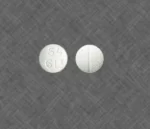
- IR (immediate release): The whole dose is released right away. Plain “Ritalin” is the IR form.
- SR (sustained release): A tablet built to release the drug slowly over several hours. Ritalin-SR used a wax matrix.
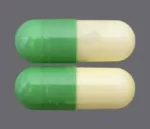
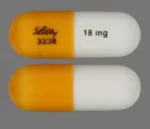
- LA (long acting): Ritalin LA is a capsule of tiny beads, half released right away and half released later.
- ER (extended release): A general label for any long-acting form. Generic versions are often called “methylphenidate ER.”
- CD (controlled delivery): Used in the name Metadate CD, another bead-based capsule.
- XR (extended release): Another way of saying ER, as in Aptensio XR.
The letters are marketing names, not strict medical categories. Two “ER” products can behave quite differently, so always check the exact product name on the label.
Ritalin LA vs SR vs IR at a Glance
Methylphenidate is a central nervous system stimulant. It blocks the reuptake of dopamine and norepinephrine, two brain messengers involved in attention and impulse control. It is a Schedule II controlled substance, so each form needs a written prescription and has tight refill rules. Here is how the three Ritalin forms line up.
| Feature | Ritalin (IR) | Ritalin-SR | Ritalin LA |
|---|---|---|---|
| Release technology | Standard tablet, releases all at once | Wax-matrix tablet, slow steady release | Capsule with 50% immediate-release beads and 50% delayed-release beads |
| How long it lasts | About 3 to 4 hours | About 8 hours | Roughly 8 hours |
| Doses per day | Usually 2 to 3 | Usually 1 | 1, in the morning |
| Strengths | 5, 10 and 20 mg tablets | 20 mg tablet | 10, 20, 30 and 40 mg capsules |
| Can it be sprinkled? | No (tablet) | No; swallow whole | Yes, on a spoonful of cool applesauce |
| Availability | Brand and generic | Brand discontinued; generic ER tablets may be available | Brand and generic |
| Label uses | ADHD (age 6 and up, and adults); narcolepsy | Check your generic product’s label | ADHD in children ages 6 to 12 |
Your prescriber chooses the strength and timing. The details above come from the prescribing labels and are meant to help you follow the conversation, not to set a dose.
How Each Form Releases Methylphenidate
Picture the amount of medicine in the blood as a line on a graph across the day. The shape of that line is the real difference between these products. It explains why one child does great until lunch and then falls apart, while another stays steady through the afternoon.
Immediate-release Ritalin: a short, sharp hill
An IR tablet dissolves and gets absorbed quickly. Picture the line rising steeply after the dose, reaching a peak, then sliding back down over the next few hours. The useful window is about 3 to 4 hours. To cover a school day, most people need a second dose around midday, and sometimes a third in the afternoon for homework.
That short window is both the strength and the weakness of IR. It gives fine control: a prescriber can add a small afternoon dose without stretching the medicine into bedtime. But each dose wears off, and some children have a dip in mood or focus, often called “rebound,” as each one fades. You can read more about rebound and other effects in our guide to Ritalin side effects in children vs adults.
Ritalin-SR: a low, wide plateau
Ritalin-SR packed methylphenidate into a wax matrix. As the tablet moved through the gut, the drug seeped out gradually. On our imaginary graph, the line rose more gently than with IR and stayed up longer, lasting about 8 hours from one morning tablet.
The trade-off: a slow, gradual release can feel less sharp than IR, and the single 20 mg strength left little room to fine-tune. Because the wax matrix controls the release, SR tablets must be swallowed whole. Crushing or chewing would defeat the design and release too much drug at once.
Ritalin LA: two hills from one capsule
Ritalin LA takes a different approach. Inside each capsule are two kinds of beads. Half are immediate-release beads that start working soon after the dose. The other half have an enteric coating that delays their release. The result, according to the label, is two peaks about 4 hours apart, similar to taking an IR dose at breakfast and another at lunch, but without the trip to the nurse.
The effect lasts roughly 8 hours. The label calls for one dose in the morning, with a maximum of 60 mg a day. The capsule can be swallowed whole, or opened and the beads sprinkled on a spoonful of cool applesauce, eaten right away. The beads should not be crushed, chewed or divided. That sprinkle option is a big deal for kids who cannot swallow pills.
Tip for the sprinkle method: Use cool applesauce, not warm, and give the whole spoonful at once without chewing. Do not mix the beads into a big bowl to eat slowly over breakfast, and do not save a sprinkled dose for later. If your child struggles with the method, ask the pharmacist to show you.
A Day on Each: Ritalin LA vs SR vs IR Hour by Hour
Numbers on a label are hard to picture. The table below shows a typical pattern for a child who takes the first dose at 7 a.m. It is a rough illustration. Real timing varies by person, by food, by dose and by product, and your prescriber may set a different schedule. Plain IR is shown with a second dose at noon.
| Time | Ritalin IR (7 a.m. and noon) | Ritalin-SR (7 a.m.) | Ritalin LA (7 a.m.) |
|---|---|---|---|
| 7 a.m. | Dose 1, timed around breakfast as the label directs | One tablet, swallowed whole | One capsule, whole or sprinkled |
| 9 a.m. | Working well | Building gradually | First bead wave working |
| 11 a.m. | Wearing off; focus may dip | Steady | First wave easing, second wave starting |
| Noon | Dose 2 at school | Steady | Second wave working |
| 1 p.m. | Working again | Steady | Covered |
| 3 p.m. | Working, starting to fade | Starting to fade | Starting to fade |
| 5 p.m. | Mostly worn off; a third dose is sometimes added | Mostly worn off | Mostly worn off |
| 7 p.m. | Off unless a third dose was given | Off | Off |
| 9 p.m. | Off; bedtime | Off; bedtime | Off; bedtime |
A few patterns jump out. All three cover roughly the school day. None of them reliably covers evening homework without help, which is why some families add a small afternoon IR dose under the prescriber’s direction, or ask about a longer-acting product. And IR has two “edges” during school hours, one before lunch and one in the afternoon, where symptoms can creep back.
If the medicine runs too late, sleep often suffers. If that happens, mention it to the prescriber; our guide on how to cure insomnia also has general sleep habits that help.
Ritalin SR Discontinued: What That Means for You
Brand-name Ritalin-SR has been discontinued, according to Drugs.com’s availability listing. That is why the Ritalin LA vs SR question is now more about history and generics than about two brand products sitting on the same pharmacy shelf.
Generic methylphenidate extended-release and sustained-release tablets may still be stocked, depending on the manufacturer and your pharmacy. We cannot promise any specific product is available near you. Supply of stimulants has been uneven at times, so call your pharmacy before you count on it.
A few practical points if you or your child used Ritalin-SR or a generic SR tablet:
- “ER” generics are not all the same. A generic methylphenidate ER tablet may be modeled on an older SR product, or on a different long-acting brand. Ask the pharmacist which brand your generic matches.
- A switch can feel different. Even with the same total milligrams, a new release pattern can change when the medicine kicks in and fades.
- Do not substitute on your own. If your usual tablet is out of stock, contact the prescriber for a new prescription rather than splitting, combining or borrowing pills.
Other Long-Acting Methylphenidate Options
Ritalin LA vs SR is not the whole menu. Several other brands deliver methylphenidate over a longer stretch. Each has its own label, strengths and rules, and many have generics. The table below is a quick orientation, not a full comparison.
| Product | Form | What sets it apart |
|---|---|---|
| Concerta | Osmotic (OROS) extended-release tablet | Long coverage, about 10 to 12 hours |
| Metadate CD | Extended-release capsule with beads | Bead-based like Ritalin LA, with its own release mix |
| Aptensio XR | Extended-release capsule | Once-daily capsule option |
| Quillichew ER | Chewable extended-release tablet | An option for kids who cannot swallow capsules |
| Jornay PM | Delayed-release, extended-release capsule | Taken in the evening so it starts working by morning |
| Daytrana | Skin patch | No swallowing; wear time affects how long it works |
| Focalin / Focalin XR | Dexmethylphenidate | Contains only the active d-isomer of methylphenidate |
Concerta is the product most often compared with Ritalin LA. Both are once-daily, but Concerta generally lasts longer, which can help teens with late classes, sports or homework, and can be too long for a child who has trouble falling asleep. Our full guide to Ritalin vs Concerta covers the differences. For dexmethylphenidate, see Focalin vs Ritalin.
If methylphenidate is not a good fit at all, other stimulant families exist. Our comparisons of Adderall vs Ritalin, Ritalin vs Vyvanse and Evekeo vs Ritalin explain how amphetamine-based medicines differ.
Switching Between Ritalin Forms
Families switch forms for all kinds of reasons: a child who cannot take a pill at school, a teen whose schedule now runs past 5 p.m., a pharmacy shortage, or side effects that line up with the peaks of IR. Moving between forms is common, but it is a prescriber decision.
Why milligrams do not tell the whole story
It might seem simple to add up the IR doses and pick the long-acting capsule with the same number. Prescribers often do start from the total daily amount. But the experience is not always identical. A child who took 10 mg at 7 a.m. and 10 mg at noon may feel a 20 mg LA capsule a little differently, because the second “wave” arrives on the capsule’s timetable, not the school bell’s. The peaks may be higher or lower, and the fade may come sooner or later.
That is why most prescribers recheck symptoms and side effects after any switch. Expect a follow-up visit or call, and be ready to share what you see.
What to track after a switch
- When focus seems to start and when it seems to fade
- How lunch and dinner go (appetite dips are common with stimulants)
- What time your child falls asleep
- Mood in the late afternoon, including irritability or tearfulness
- Teacher comments, especially about the late morning and afternoon
- Any headaches, stomach aches, racing heart or new tics
If appetite becomes a problem, our sibling guide on Ritalin and appetite loss has practical meal ideas built around dose timing.
Choosing Between Ritalin LA vs SR vs IR: Questions to Ask
There is no single best form. The right choice depends on the person’s day, body and preferences. Bring these questions to the next appointment. They make the conversation faster and help the prescriber see the whole picture.
Schedule
- What hours do we most need covered: school only, after-school activities, homework, driving?
- Can my child take a dose at school, and does that cause stress or teasing?
- Do weekends and summers look different from school days?
Swallowing and routine
- Can my child swallow a capsule or tablet whole?
- Would the Ritalin LA sprinkle method on applesauce work at our breakfast table?
- Would a chewable or patch be easier?
Side effects
- Are side effects worse at certain times of day, which might point to peaks or wear-off?
- Is sleep a problem, and would a shorter-acting form help?
- Is appetite, weight or growth a concern? (Labels advise monitoring height and weight in children on stimulants.)
Cost and access
- Which forms does our insurance cover, and is prior authorization needed?
- Is a generic available, and does our pharmacy usually have it in stock?
- If one form runs short, what is our backup plan?
For adults
Most of this guide speaks to parents, but adults use methylphenidate too. Immediate-release Ritalin is labeled for adults, while the Ritalin LA label covers children ages 6 to 12, so adults are more often prescribed IR or a different long-acting product. Our guide to Ritalin for adults explains the options and the extra heart and blood pressure checks adults usually need.
Safety Rules That Apply to Every Form
The release pattern changes from product to product, but the medicine inside does not. Whichever form you end up with, the same core safety rules apply.
Misuse and safe storage
All prescription stimulants carry a boxed warning about misuse, abuse and addiction. In May 2023, the FDA updated those warnings for the whole class to stress the risks of misuse, addiction and overdose, and to ask prescribers to assess each patient’s risk and counsel families. In real life, that means:
- Keep the bottle in a locked or hidden spot, not in a backpack or on the kitchen counter.
- Count pills now and then, especially if teens or visitors are in the home.
- Never share a dose with a sibling, friend or roommate, even “just to study.”
- Do not crush, chew or break long-acting forms. Releasing a long-acting dose all at once defeats its design and raises risk.
- Ask your pharmacy or local police about drug take-back options for leftover pills.
Health checks that stay the same
Labels for methylphenidate products ask prescribers to watch heart rate and blood pressure, mood and behavior, and, in children, height and weight. Growth can slow in some kids on daily stimulants, and treatment may need a pause if a child is not growing or gaining as expected. Those checks do not change just because you switched from IR to LA. Bring up any family history of heart problems, fainting or sudden death, along with any history of mood disorders, before starting any form.
One more rule worth knowing: methylphenidate should not be taken within 14 days of a monoamine oxidase inhibitor (MAOI), a type of antidepressant. Give every prescriber and pharmacist a full list of medicines and supplements, whichever Ritalin form you use.
Call a doctor right away or go to the ER for: chest pain, fainting, shortness of breath, a very fast or pounding heartbeat, seeing or hearing things that are not there, sudden extreme mood changes, an erection lasting more than 4 hours, or fingers and toes that turn pale, blue or painful. Call 911 if someone has taken too much medicine and is having seizures, severe agitation or trouble breathing.
Frequently Asked Questions
What is the difference between Ritalin LA and Ritalin SR?
Ritalin LA is a capsule with two types of beads that release methylphenidate in two waves about 4 hours apart. Ritalin-SR was a wax-matrix tablet that released the drug slowly and steadily. Both last about 8 hours, but brand Ritalin-SR has been discontinued, while Ritalin LA is still available.
How long does Ritalin last?
Immediate-release Ritalin lasts about 3 to 4 hours, so it is usually taken 2 or 3 times a day. Ritalin LA and the older Ritalin-SR last roughly 8 hours. Other long-acting methylphenidate products, such as Concerta, can last about 10 to 12 hours.
Is Ritalin SR discontinued?
Yes, the brand-name Ritalin-SR tablet has been discontinued. Generic methylphenidate sustained-release or extended-release tablets may still be available from some manufacturers. Check with your pharmacy and prescriber, because availability varies.
Can you open Ritalin LA capsules?
Yes. The label allows the capsule to be opened and the beads sprinkled on a spoonful of cool applesauce, which should be eaten right away. The beads should not be crushed, chewed or divided, and the mixture should not be saved for later.
Is Ritalin LA stronger than regular Ritalin?
Not exactly. Both contain methylphenidate, and strength depends on the milligram dose, not the form. Ritalin LA spreads its dose across two waves in one capsule, while IR delivers each dose all at once, so the same total amount can feel different through the day.
What is the difference between Ritalin LA and Concerta?
Both are once-daily methylphenidate products, but they use different technology. Ritalin LA uses beads and lasts roughly 8 hours, while Concerta uses an osmotic tablet and lasts about 10 to 12 hours. Concerta must be swallowed whole, while Ritalin LA can be sprinkled on applesauce.
Can adults take Ritalin LA?
The Ritalin LA label lists ADHD in children ages 6 to 12. Immediate-release Ritalin is labeled for adults, and several other long-acting methylphenidate products are approved for adults. An adult’s prescriber decides which product fits best.
Can I switch from Ritalin IR to Ritalin LA myself?
No. Switching forms needs a new prescription and a plan from the prescriber, who often starts from the total daily dose and then adjusts. The timing of effects changes with each form, so a follow-up check after the switch is common.
The Takeaway on Ritalin LA vs SR vs IR
The Ritalin LA vs SR vs IR choice comes down to timing, not strength. IR gives short, adjustable windows of about 3 to 4 hours and usually needs a midday dose. Ritalin LA packs two IR-like waves into one morning capsule, lasts roughly 8 hours, and can be sprinkled for kids who cannot swallow pills. Brand Ritalin-SR is discontinued, and generic SR or ER tablets vary by maker. Map out the hours that matter most to your family, write down what you notice, and let the prescriber match the form to the day. Organizations like the CDC and NIMH offer more background on ADHD, and the American Academy of Pediatrics guideline recommends combining FDA-approved medicine with behavioral treatment for school-age children.
This article is for education only and is not medical advice. Do not start, stop or change any medicine without talking to the prescriber. Methylphenidate is a Schedule II controlled substance: take it only as prescribed, never share it, and store it securely. If you think someone has taken too much, call 911 or Poison Control at 1-800-222-1222. For help with stimulant misuse, call the SAMHSA National Helpline at 1-800-662-4357.
Sources
- U.S. Food and Drug Administration. Ritalin LA (methylphenidate hydrochloride) extended-release capsules prescribing information.
- U.S. Food and Drug Administration. Ritalin and Ritalin-SR (methylphenidate hydrochloride) prescribing information.
- Drugs.com. Generic Ritalin-SR availability.
- Wolraich ML, et al. Clinical Practice Guideline for the Diagnosis, Evaluation, and Treatment of ADHD in Children and Adolescents. Pediatrics 2019;144(4):e20192528.
- Centers for Disease Control and Prevention. ADHD.
- National Institute of Mental Health. Attention-Deficit/Hyperactivity Disorder.