
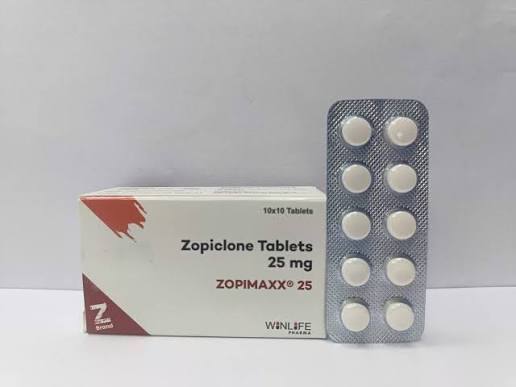
Zopiclone 25mg
Price range: $400.00 through $1,050.00
| Variation | Price | Quantity | Add To Cart |
|---|---|---|---|
| 180 pills | $600.00 |
|
Add to cart |
| 360 pills | $1,050.00 |
|
Add to cart |
| 90 pills | $400.00 |
|
Add to cart |
Zopiclone 25 mg: Medication Information and Safety Considerations
Zopiclone is a prescription sleeping medicine used in certain countries for the short-term management of insomnia. It belongs to a group of medicines commonly called Z-drugs, which act on signaling systems in the brain involved in sleep and relaxation.
This page explains the established medical uses of zopiclone, its possible side effects, important interactions, and considerations when evaluating a product labeled as zopiclone 25 mg. The stated strength must be verified against the manufacturer’s documentation and applicable regulatory authorization before the product is listed or used.
What Is Zopiclone?
Zopiclone is a hypnotic medicine that enhances certain effects of gamma-aminobutyric acid (GABA), a neurotransmitter involved in reducing activity in the central nervous system. This action produces a sedative effect that may help people with insomnia fall asleep.
Zopiclone is generally intended for short-term treatment when sleep difficulties are significant enough to warrant medication. It does not address every underlying cause of insomnia, and its suitability depends on the person’s health, other medicines, and clinical circumstances.
What Is Zopiclone Used For?
Where approved, zopiclone may be prescribed for short-term relief of insomnia. Insomnia can involve difficulty falling asleep, frequent nighttime waking, or waking too early and being unable to return to sleep.
Sleep disturbances can be associated with stress, changes in routine, chronic pain, mental health concerns, medical conditions, or the effects of other medicines. A healthcare professional can help identify contributing factors and determine whether medication or another treatment is appropriate.
Understanding the 25 mg Product Label
A product labeled zopiclone 25 mg requires careful verification because this is not a standard approved tablet strength in many markets. Commonly authorized strengths in some countries include 3.75 mg and 7.5 mg tablets, but availability and authorization vary by jurisdiction.
Before publishing this product listing, verify the exact active ingredient, stated strength, dosage form, manufacturer, packaging, and registration status. Do not assume that a product label is accurate merely because it appears in an online catalogue.
The strength displayed in a product title does not establish that the medicine is approved, authentic, or suitable for a particular patient. Any discrepancy should be resolved with the manufacturer, pharmacist, or relevant medicines regulator before the product is offered.
How Does Zopiclone Affect Sleep?
Zopiclone influences GABA-related signaling in the brain, reducing certain types of nervous system activity. This produces a sedative effect that may help initiate sleep and, for some patients, reduce nighttime waking.
Its effects can continue into the following day. Drowsiness, slower reaction times, dizziness, or impaired concentration may occur even when a person feels that they have slept adequately.
Possible Side Effects
Zopiclone can cause side effects, and their severity differs among individuals. The risk may be affected by age, other medicines, underlying health conditions, and the product’s formulation.
Commonly Reported Effects
- Bitter or metallic taste in the mouth
- Dry mouth
- Drowsiness or fatigue
- Dizziness or light-headedness
- Headache
- Nausea or digestive discomfort
- Reduced alertness or coordination
Do not drive, operate machinery, or perform other tasks requiring full attention if you experience drowsiness or impaired coordination. Follow the official product instructions concerning activities after taking a prescribed sleeping medicine.
Serious Safety Concerns
Seek urgent medical assistance for breathing difficulties, collapse, severe confusion, or symptoms of a serious allergic reaction. Some people taking sleep medicines may also experience unusual sleep-related behavior, memory gaps, or activities performed without being fully awake.
Report unexpected behavioral changes, significant mood changes, or persistent memory problems to a healthcare professional promptly. These symptoms may require reassessment of treatment.
Dependence and Withdrawal Risks
Repeated use of zopiclone can lead to physical or psychological dependence. Tolerance may also develop, meaning that the medicine’s effects can change with continued use.
Stopping after regular use may lead to withdrawal symptoms or rebound insomnia. Possible symptoms include anxiety, restlessness, irritability, sweating, and sleep disturbances.
Patients should not increase the amount taken, extend treatment, or discontinue regular treatment abruptly without appropriate medical guidance. A healthcare professional can determine whether treatment should be reduced gradually.
Important Medicine Interactions
Zopiclone can interact with other substances that depress the central nervous system. These combinations may increase sedation, impair judgment, and in some circumstances cause dangerous breathing problems.
- Alcohol: Can intensify sedation and impairment.
- Opioids: May increase the risk of severe sedation and respiratory depression.
- Benzodiazepines: Can produce additive sedative effects.
- Other sleeping medicines: May increase adverse effects when combined.
- Sedating antihistamines: Can worsen drowsiness and reduced alertness.
- Medicines affecting drug metabolism: Certain medicines may alter zopiclone exposure and its effects.
Tell your healthcare professional about all prescription medicines, nonprescription products, and supplements you use. Do not combine sedating medicines unless the combination has been specifically assessed by a qualified professional.
Who Needs Additional Medical Assessment?
Before zopiclone is considered, a healthcare professional should review relevant medical conditions and risk factors, including:
- Sleep apnea or other breathing disorders
- Severe respiratory disease
- Liver impairment
- A history of substance misuse or dependence
- Depression or other significant mental health concerns
- Pregnancy or breastfeeding
- Older age and an increased risk of falls
The medicine may be unsuitable for some people. Its approved labeling and a patient’s individual medical circumstances should guide treatment decisions.
Non-Medicine Approaches to Insomnia
Persistent insomnia often benefits from a structured assessment rather than relying solely on sleeping medicines. Cognitive behavioral therapy for insomnia, commonly called CBT-I, is an established treatment that addresses habits and thought patterns that interfere with sleep.
Consistent waking times, a comfortable bedroom environment, limiting caffeine later in the day, and establishing a relaxing bedtime routine may also support better sleep. These measures do not replace medical care when sleep difficulties are severe or ongoing.
Storage and Product Verification
Medicines should be kept in their original, clearly labeled packaging and stored according to the manufacturer’s instructions. Keep them away from children and anyone for whom they were not prescribed.
For a product labeled zopiclone 25 mg, confirm the manufacturer’s identity, batch information, packaging, active ingredient, and regulatory authorization before publishing or dispensing the listing. Do not use or offer a product whose identity or strength cannot be reliably verified.
Frequently Asked Questions
What is zopiclone used for?
In countries where it is approved, zopiclone may be prescribed for short-term treatment of insomnia. It should be used only according to the approved product information and professional instructions.
Is zopiclone 25 mg a standard tablet strength?
Zopiclone 25 mg is not a standard approved tablet strength in many markets. Confirm the product’s identity, formulation, and authorization before treating the label as accurate.
Can zopiclone cause next-day drowsiness?
Yes. Drowsiness, dizziness, and reduced alertness can persist into the next day and may interfere with driving or other activities that require concentration.
Can zopiclone be taken with alcohol?
Combining zopiclone with alcohol can intensify sedation and impairment. Avoid alcohol during treatment and follow the official medication instructions.
Can regular zopiclone use lead to dependence?
Yes. Dependence and withdrawal symptoms can occur, particularly with repeated or prolonged use. Discuss any changes to regular treatment with a healthcare professional.
Further Medical Information
Consult reliable medical references for general information about sleep disorders and authorized medicines.
- NHS: Zopiclone medication information
- MedlinePlus: Medicine and health information
- FDA: Drug safety information
Medical Disclaimer
This content is for general educational purposes and does not replace professional medical advice, diagnosis, or treatment. Product strengths and approvals vary by country. A product labeled zopiclone 25 mg should not be presented as an approved medicine unless its identity and authorization have been verified by appropriate documentation and regulatory sources.
| Select Variation |
360 pills ,180 pills ,90 pills |
|---|



Reviews
There are no reviews yet.