Health Tips
Can You Take Oxycodone Before Getting a Tattoo or Body Piercing?

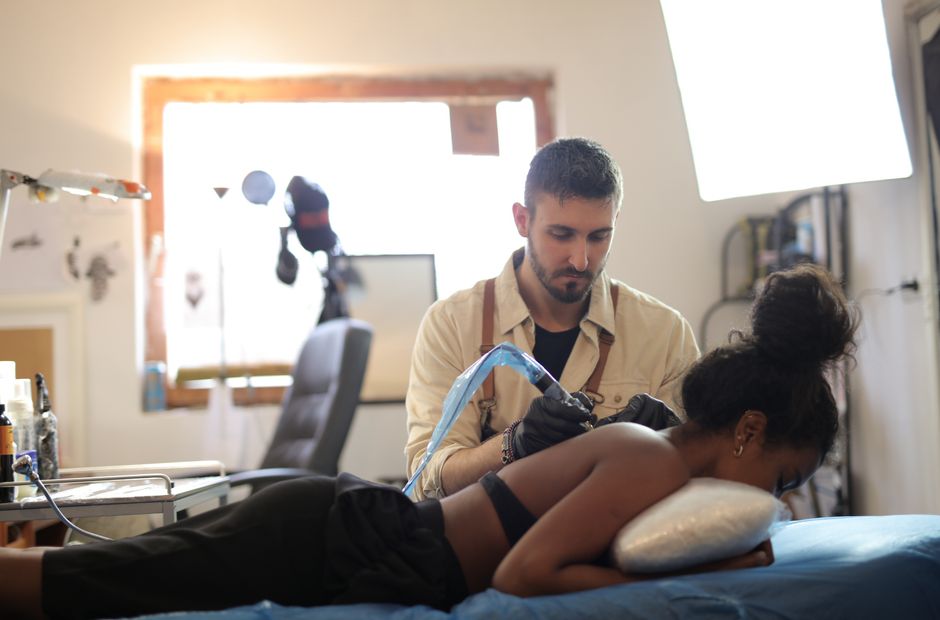
Getting inked or pierced hurts, and it’s tempting to reach for a strong painkiller beforehand to take the edge off. But if you’re wondering whether you can take oxycodone before getting a tattoo or body piercing, the short answer is no, you shouldn’t. Oxycodone is a powerful opioid, and mixing it with the physical demands of a tattoo or piercing session can create real risks for both you and the artist working on you.
In this article, we’ll break down exactly why oxycodone and tattoo appointments don’t mix well, what it does to your blood and healing process, safer alternatives for pain management, and what artists and piercers typically recommend instead. Whether you have a prescription for chronic pain or you’re just considering it as a one-time fix for tattoo anxiety, this guide will help you make an informed decision.
Why People Consider Taking Oxycodone Before a Tattoo or Piercing
Tattoos and piercings are not exactly a walk in the park. Needles repeatedly puncture the skin, and depending on placement, the pain can range from a dull irritation to a sharp, burning sensation that lasts throughout a multi-hour session. It makes sense that people look for ways to dull that discomfort.
Some people already take oxycodone for a legitimate medical reason, such as recovering from surgery or managing chronic pain, and they wonder if it’s safe to keep their regular dose before an appointment. Others consider taking a pill specifically because they’re anxious about needles or worried the pain will be too intense to sit through.
Unfortunately, both situations carry risks that most people don’t think about until they’re already in the chair.
Why Taking Oxycodone Before a Tattoo or Piercing Is Not Recommended
Reputable tattoo artists and professional piercers almost universally discourage clients from taking opioids like oxycodone before a session. This isn’t just a matter of personal preference, there are solid medical and practical reasons behind it.
Increased Bleeding Risk
Oxycodone itself doesn’t directly thin your blood the way aspirin or ibuprofen does, but it can still interfere with your body’s normal responses to pain and stress, which affects blood flow. More importantly, people combine opioids with other substances or take them alongside blood-thinning medications, and the resulting increase in bleeding can make it much harder for an artist to see the skin clearly while working. Excess bleeding can also blur linework, distort saturation, and prolong the healing process afterward.
Slowed Breathing and Sedation
Oxycodone is a central nervous system depressant. It slows down breathing and can cause drowsiness, confusion, or lightheadedness, especially in people who aren’t used to taking it regularly. Sitting still for a two or three hour tattoo session while sedated is not just uncomfortable, it’s genuinely dangerous if your breathing becomes shallow or you become unresponsive without anyone noticing right away.
This sedative effect is one reason people are also cautioned against driving after taking oxycodone, since it impairs coordination and alertness in similar ways that could make traveling to and from your appointment risky.
Impaired Judgment and Consent Issues
Most licensed tattoo studios and piercing shops require clients to be fully alert and coherent before they begin any procedure. This is a legal and ethical safeguard. If you’re visibly under the influence of an opioid, a responsible artist has every right to refuse service, because they need confirmation that you understand the placement, design, aftercare instructions, and any risks involved. Slurred speech, drowsiness, or confusion can all be signs that you’re not in a state to give informed consent.
Masking Pain That Signals a Problem
Pain during a tattoo or piercing isn’t just discomfort, it’s also feedback. If a needle goes too deep, hits a nerve, or the artist is working too aggressively in one spot, pain is often the first sign that something is wrong. Heavily dulling that sensation with oxycodone could mean you don’t notice an issue until after the damage is done.
Interactions With Anesthetic Creams or Numbing Products
Many piercers and tattoo artists use topical numbing agents, such as lidocaine-based creams, to help manage discomfort during longer sessions. Combining these with an opioid already in your system increases the risk of excessive sedation or unexpected interactions, particularly since both substances affect the nervous system.
What Oxycodone Does to Your Body That Affects Healing
Beyond the appointment itself, oxycodone can influence how your body responds afterward, which matters just as much for tattoo and piercing aftercare.
Slower Circulation and Healing
Proper blood flow to the tattooed or pierced area helps deliver oxygen and nutrients that support healing. Opioids like oxycodone can affect circulation and overall bodily function in ways that may slow this process down, especially when combined with the general stress that a fresh tattoo or piercing puts on your body’s healing systems.
Immune System Suppression
Research has shown that long-term opioid use can suppress certain immune responses, according to information available through the National Center for Biotechnology Information. A properly functioning immune system is essential for fighting off potential infection at a fresh piercing or tattoo site, so anything that dampens that response is worth taking seriously, particularly for people who use oxycodone regularly.
Constipation and General Discomfort
One of the most well-known side effects of oxycodone is constipation, which can add unnecessary discomfort on top of an already tender, healing tattoo or piercing. If you’re already managing oxycodone and constipation as an ongoing issue, adding the physical stress of a new piercing or tattoo on top of that isn’t ideal timing.
If You’re Already Prescribed Oxycodone for Chronic Pain
Not everyone considering this question is looking for a one-time pain hack, some people are on a legitimate, doctor-supervised oxycodone regimen for chronic pain and simply want to know if it’s safe to keep taking their medication as scheduled around a tattoo or piercing appointment.
If this applies to you, the smartest move is to talk to your prescribing doctor before booking anything. They know your medical history, your current dosage, and how your body typically responds. In many cases, doctors will advise:
- Scheduling your appointment for a time when your dose has been stable and your body is used to it, rather than right after starting or adjusting a new dose
- Informing your tattoo artist or piercer ahead of time about your medication so they can make informed decisions about the session
- Avoiding any additional pain relievers or supplements without medical clearance, since interactions can compound risks
- Considering a shorter session or smaller design if pain management or fatigue could become an issue partway through
Because everyone metabolizes medication differently, it’s worth understanding why oxycodone affects people differently, since your reaction to your regular dose during a stressful or painful event like a tattoo session may not be the same as someone else’s.
Why You Shouldn’t Take an Extra Dose to “Take the Edge Off”
It might seem logical: if a little oxycodone helps with pain, wouldn’t a little more help even more before a long or intense tattoo session? This kind of thinking is exactly how medication misuse starts, even among people who have no history of substance problems and are only trying to manage discomfort.
Oxycodone doesn’t work on a simple sliding scale where more medication equals proportionally more pain relief. Beyond a certain point, additional doses mainly increase your risk of sedation, slowed breathing, nausea, and impaired judgment, without meaningfully blunting the sensation of a tattoo needle or piercing gun. Your body’s response to opioids is also affected by tolerance, meaning a dose that felt manageable last month could hit differently today, especially if you’ve had less sleep, skipped a meal, or are more anxious than usual.
There’s also the matter of how oxycodone metabolism works. The drug doesn’t leave your system instantly, and taking an extra dose on top of one that hasn’t fully cleared can lead to accumulation. That stacking effect is one of the most common ways people accidentally overshoot into dangerous territory, especially when they’re also nervous, distracted, and not paying close attention to timing.
If your regular dose isn’t controlling your pain or anxiety well enough to get through a tattoo or piercing appointment, the answer isn’t to take more on your own. It’s to talk to your doctor about whether your current prescription is still the right fit, or whether a different, safer approach makes more sense for that specific day.
Alcohol, Other Painkillers, and the Danger of Mixing
Many people who go into a tattoo studio nervous end up reaching for something to calm their nerves, and unfortunately that something is often alcohol. Combining oxycodone with alcohol is one of the riskiest things you can do, since both substances depress the central nervous system and slow breathing. Even a couple of drinks on top of a standard oxycodone dose can lead to extreme drowsiness, impaired coordination, and in serious cases, respiratory failure. If you want a deeper look at why this combination is so risky, it’s worth reading through the details on oxycodone and alcohol risks before you even consider having a drink to steady your nerves beforehand.
The same caution applies to combining oxycodone with over-the-counter pain relievers like ibuprofen or with other prescription medications such as gabapentin. While some combinations are sometimes used under medical supervision for pain management, self-directed mixing before a tattoo or piercing appointment is a different story entirely. You can find more on how these combinations work, and where the risks lie, in articles covering taking ibuprofen with oxycodone and oxycodone and gabapentin together. The short version is that any additional substance introduces a new variable your body has to process, and stacking variables right before a session that already stresses your system is not a good idea.
How Tattoo Artists and Piercers Typically Handle This
Reputable tattoo artists and professional piercers deal with clients on all kinds of medications regularly, and most have a fairly standard set of questions they ask before starting any work. If you’re on oxycodone, whether prescribed or not, honesty is your best strategy. A good artist or piercer isn’t trying to pry into your medical history for no reason, they’re trying to protect you and themselves.
Here’s what typically happens during that conversation:
- They’ll ask about any medications, supplements, or substances you’ve taken in the past 24 hours
- They may ask you to demonstrate that you’re alert and coherent, since informed consent is a legal requirement for tattooing and piercing in most places
- If they suspect you’re too impaired to safely consent or sit still, they have the right to refuse service, even if you’ve already paid a deposit
- Some studios will ask you to reschedule if you appear overly sedated, dizzy, or disoriented
This isn’t the artist being difficult. Impaired clients are more likely to move unexpectedly, misjudge pain signals, or have a medical event in the chair. Studios that take safety seriously would rather lose a booking than risk a client’s health or the integrity of the tattoo itself.
What to Do Instead of Relying on Oxycodone
If you’re not already prescribed oxycodone and were simply hoping to use it as a pain management shortcut, there are safer, more appropriate options worth considering instead.
- Topical numbing creams: Many studios allow or even recommend over-the-counter or prescription-strength numbing creams formulated specifically for tattoos, applied before and sometimes during the session.
- Scheduling smart: Booking your appointment for a time when you’re well-rested, hydrated, and have eaten a proper meal beforehand can make a noticeable difference in how well you tolerate discomfort.
- Breaking up larger pieces: If you’re getting extensive work done, ask your artist about splitting it into multiple shorter sessions rather than trying to power through one long, painful sitting.
- Breathing and grounding techniques: Simple techniques like slow breathing, listening to music, or bringing a friend for support can meaningfully reduce the perception of pain without any medication at all.
- Talking to your doctor: If you have a genuinely low pain tolerance or a medical condition that makes tattoos or piercings especially painful, your doctor may be able to recommend a short-term, appropriate option that doesn’t carry the same risks as self-medicating with opioids.
None of these alternatives carry the same risks of sedation, impaired judgment, or dangerous drug interactions that come with using oxycodone outside of its intended medical purpose.
Aftercare Considerations If You Take Oxycodone Regularly
Getting through the appointment itself is only part of the picture. Tattoo and piercing aftercare requires attentiveness, consistency, and the ability to notice early signs of infection or complications. If oxycodone leaves you drowsy, foggy, or less alert than usual, that can interfere with your ability to properly clean and care for a new tattoo or piercing in the critical first few days.
People managing chronic pain with oxycodone should pay extra attention to:
- Setting phone reminders for cleaning and aftercare routines, since sedation can make it easy to forget steps
- Asking a partner, friend, or family member to check in on the healing area if you’re prone to drowsiness
- Watching for unusual redness, swelling, or discharge, and not dismissing these symptoms as “just tired eyes” or normal grogginess
- Staying extra mindful of hydration and nutrition, since oxycodone can already contribute to issues like constipation that can be worsened by dehydration during the healing period
If anything about your healing process feels off, whether it’s the tattoo, the piercing, or how your body is responding to your medication that day, don’t hesitate to contact your doctor or the studio for guidance rather than waiting it out.
Frequently Asked Questions
Can I take my prescribed oxycodone dose on the same day as my tattoo appointment?
If you’re on a stable, doctor-supervised regimen, this is a conversation to have with your prescribing physician rather than a decision to make alone. Many patients are able to keep their normal schedule, but your doctor may recommend timing adjustments based on your specific situation.
Will oxycodone actually reduce the pain of a tattoo or piercing?
It may dull pain to some degree since it’s a strong analgesic, but it also brings sedation, judgment impairment, and other risks that make it an inappropriate and unsafe choice for someone who isn’t already prescribed it for legitimate medical reasons.
Is it safe to take an over-the-counter pain reliever like ibuprofen instead before a tattoo?
Many people do use over-the-counter options, though some artists caution against blood-thinning medications before a session since they can increase bleeding. It’s best to ask your artist and, if you’re combining anything with a prescription like oxycodone, check with your doctor first.
What happens if a tattoo artist thinks I’m too impaired to consent?
They have every right to refuse or postpone the service. Informed, sober consent is a legal and ethical requirement in the tattoo and piercing industry, and reputable studios take this seriously to protect both the client and themselves.
Can oxycodone affect how a tattoo heals?
Indirectly, yes. Sedation, reduced alertness, and gastrointestinal side effects can all interfere with proper aftercare, which plays a major role in how well a tattoo or piercing heals. Staying attentive to your healing routine is especially important if you’re taking oxycodone regularly.
The Bottom Line
Oxycodone is a powerful prescription opioid meant for specific medical situations under a doctor’s supervision, not a casual pain-management tool for tattoos or piercings. Taking it without a prescription, taking extra doses to “power through” a session, or mixing it with alcohol or other medications introduces real risks that far outweigh any temporary reduction in discomfort. If you’re already prescribed oxycodone for a legitimate condition, the safest path is an open conversation with your doctor about timing, dosage, and aftercare rather than making assumptions on your own. For anyone else, there are safer, more reliable ways to manage the pain of a tattoo or piercing, from numbing creams to smart scheduling to simple breathing techniques, that don’t carry the same dangers. When in doubt, loop in your doctor and your artist or piercer. Their guidance, combined with a little planning, will get you through the chair far more safely than reaching for an opioid ever could.