Oxycodone vs Morphine: Which Opioid Is Stronger and Safer?

Oxycodone and morphine are both powerful opioids used for pain relief, but they differ in potency, absorption, and safety profile. This guide compares their strength, side effects, dosing, and risks to help you understand which may be right for a given situation.
Oxycodone vs Hydrocodone: Which Is Stronger?
Oxycodone is generally considered about 1.5 times stronger than hydrocodone milligram for milligram, but side effects, addiction risk, and safety depend far more on individual metabolism, dosage, and combination ingredients than on raw potency.
Can You Take Acetaminophen With Oxycodone? Safety, Dosing, and Risks
Combining acetaminophen with oxycodone, as in Percocet, can be safe and effective for pain relief when dosed correctly, but overlapping acetaminophen sources and liver strain make careful tracking essential.

Can You Take Tylenol With Oxycodone? Safety, Dosage, and Risks
Combining Tylenol and oxycodone is generally safe and commonly recommended for pain relief, but tracking total daily acetaminophen intake is essential to avoid liver damage.

Oxycodone Strengths Explained: 5 mg, 10 mg, 15 mg, 20 mg & 30 mg
A clear breakdown of oxycodone's 5 mg, 10 mg, 15 mg, 20 mg, and 30 mg strengths, explaining what sets each dose apart, the factors that influence dosing decisions, and how to use any strength safely.

Oxycodone Dosage Chart: An Educational Guide to Safe Dosing
This educational guide breaks down oxycodone dosage charts by formulation, age group, and tolerance level, explaining how doctors titrate doses safely and what warning signs require immediate medical attention.

Oxycodone Half-Life Explained: How Long It Really Stays in Your System
Learn what oxycodone's half-life really means, how long it stays in your system, and the key factors like liver function, age, and genetics that affect elimination, detection times, and safe dosing.
Can Oxycodone Cause Sweating? Causes, Risks, and Relief Tips
Oxycodone can cause sweating due to its effects on the brain's temperature control center, histamine release, and the autonomic nervous system. Learn why it happens, when it's a warning sign, and how to find relief.

Why Does Oxycodone Make Me Itchy? Causes and Relief Tips
Itchy skin after taking oxycodone is a common, usually harmless side effect caused by histamine release rather than a true allergy, and this guide explains why it happens along with practical relief strategies and long-term management tips.

Oxycodone Nausea: Causes and Relief Tips
Learn why oxycodone causes nausea, how long it typically lasts, and practical, doctor-backed strategies to relieve queasiness while staying on track with your pain treatment plan.
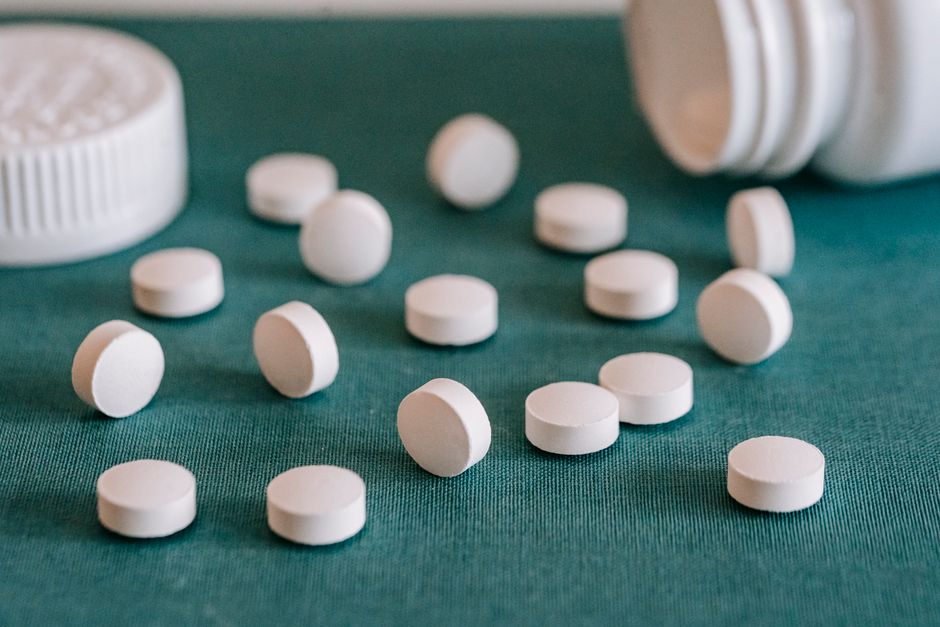
What to Do If You Accidentally Take Two Oxycodone Pills
Learn exactly what to do if you accidentally take two oxycodone pills, including warning signs of overdose, when to call Poison Control or 911, and practical steps to prevent dosing mistakes in the future.

What Happens If You Miss an Oxycodone Dose? A Complete Guide
Missing an oxycodone dose is common and usually manageable, but knowing whether to take it late, skip it, or contact your doctor can help you avoid pain flares, withdrawal symptoms, and dangerous double dosing.