Health Tips
Hydrocodone and SSRIs: Two Separate Questions a Pharmacist Asks Before Saying Yes

If you take an antidepressant every morning and a doctor or dentist has just handed you a hydrocodone prescription, you may be wondering whether one of them has to go. Most of the time neither does. But the answer is not a reflexive “it’s fine,” and it is not a reflexive “never.” It depends on which of two very different questions you are asking.
A pharmacist evaluating hydrocodone and SSRIs tends to open two mental boxes. The first box asks whether the antidepressant changes how much hydrocodone reaches your bloodstream. The second box asks whether the two drugs, even at normal blood levels, push on the same brain systems in ways that add up. Sorting the evidence into those boxes clears up a great deal of internet confusion, because different sources are usually answering different questions. This guide is general education, not personal medical advice, and it should never be a reason to stop or change an antidepressant on your own.
Box One: Does the SSRI Change Hydrocodone Levels?
This is the pharmacokinetic question, and it concerns liver enzymes. The hydrocodone and acetaminophen label explains that the body converts hydrocodone to the more potent hydromorphone mainly through an enzyme called CYP2D6, while another pathway, CYP3A4, clears it in a different way. Certain antidepressants, notably fluoxetine (Prozac) and paroxetine (Paxil), are known to block CYP2D6 strongly. The worry that follows is intuitive: block the enzyme, and hydrocodone could work differently.
The direct test with paroxetine
Researchers put this to the test. In a randomized, double-blind crossover study of 24 healthy adults, published in Clinical Therapeutics, participants took paroxetine 20 mg or a placebo for 12 days and received a single dose of an extended-release hydrocodone tablet on day 10. Hydrocodone exposure was essentially unchanged: the area-under-the-curve ratio was 105.9 percent with a confidence interval of 97.7 to 114.6, within the standard equivalence window. What did fall was the small amount of hydromorphone made along the way, from about 3.8 to 0.64 nanograms per milliliter per hour. The authors concluded that hydrocodone can be given with CYP2D6 inhibitors at therapeutic doses without dose changes, because the parent drug remained the same and the minor metabolite contributes little to pain relief.
Read this study for what it is: 24 healthy volunteers, one extended-release product, one paroxetine dose. It is strong, controlled evidence on a specific mechanism, not a guarantee for every patient.
The real-world check after surgery
A 2026 analysis in Frontiers in Pharmacology, led by Cavallari and colleagues, looked at 553 hydrocodone users and 346 oxycodone users recovering from mostly orthopedic procedures. The team inferred each patient’s CYP2D6 status from genetics and from any moderate or strong inhibitor they took. For hydrocodone, they found no significant link between metabolizer status and opioid consumption or pain scores; poor metabolizers used about 12 percent more, a difference that did not reach statistical significance. The authors suggested that multimodal pain plans may blur genetic effects after surgery.
Why oxycodone headlines should not be copied onto hydrocodone
You may have seen a widely shared 2022 finding that people starting oxycodone while on paroxetine or fluoxetine had a 23 percent higher risk of overdose than people on other SSRIs. The researchers’ own write-up describes an insurance-claims analysis of more than 2 million US adults from 2000 to 2020, and it concerned oxycodone. Oxycodone and hydrocodone are chemical cousins but not twins, and the paroxetine study above suggests hydrocodone’s blood levels behave differently. This is a good example of why an interaction has to be read drug by drug. For a sister topic, see our guide on oxycodone vs. hydrocodone.
So for box one, the evidence leans reassuring for hydrocodone, with one caveat: a pharmacist still checks your complete list, because other CYP3A4 inhibitors named in the label, such as certain macrolide antibiotics, azole antifungals and protease inhibitors, matter more for hydrocodone levels than most SSRIs do. Browse the CYP2D6 tag, the CYP3A4 inhibitors tag and genetics and medication tag for related explainers.
Box Two: Do They Overlap in the Brain?
This is the pharmacodynamic question. Even if blood levels are normal, two drugs can act on shared systems. Two overlaps matter here.
Overlap one: serotonin
SSRIs raise serotonin activity by slowing its reabsorption. Some opioids also affect serotonin signaling. The hydrocodone label lists selective serotonin reuptake inhibitors, serotonin and norepinephrine reuptake inhibitors, tricyclic antidepressants and triptans among the serotonergic drugs that may lead to serotonin syndrome when used with opioids, and it lists MAO inhibitors such as linezolid separately. Drugs.com rates hydrocodone with sertraline as moderate, quoting the principle that opioids may potentiate serotonergic agents. It also notes that most published case reports involve other opioids, including tramadol with sertraline and fentanyl with paroxetine, and that specific hydrocodone cases are limited.
Overlap two: sedation
Both drug groups can cause drowsiness and slower thinking. The Lexapro-hydrocodone entry on Drugs.com is also rated moderate and adds that the combination may increase sedation and impair judgment, thinking and psychomotor skills, with advice to avoid hazardous activities until you know how you respond. This second overlap is less dramatic than serotonin syndrome, but it affects far more people in ordinary daily life.
For a comparison of the drug families involved, see our explainer on SSRIs vs. SNRIs, which also helps if your antidepressant is duloxetine or venlafaxine rather than an SSRI, and dopamine vs. serotonin for the chemistry.
Serotonin Syndrome: What It Is and When It Shows Up
Serotonin syndrome is a state of excess serotonin activity. It ranges from mild to life-threatening. The MedlinePlus encyclopedia describes symptoms that can include agitation, unusual eye movements, diarrhea, fast heart rate and higher blood pressure, hallucinations, fever, loss of coordination, nausea and overactive reflexes. It says symptoms appear within minutes to hours, that people who develop it need urgent care, and that with treatment symptoms usually resolve in under 24 hours. Treatment includes stopping the offending medicines, sedating agitation with benzodiazepines, using cyproheptadine to block serotonin, and giving fluids, with severe cases needing intensive care.
The StatPearls review adds a clinician’s view of timing: the syndrome generally develops within a day of a serotonergic change, and most cases present six to 24 hours after a dose increase, a new medicine or a substance exposure. Its classic triad is altered mental status, autonomic instability and neuromuscular excitation, especially in the legs.
Moments when the risk window opens
- When hydrocodone is first added to an existing SSRI.
- When the dose of either drug is raised. Drugs.com specifically urges particular caution when increasing dosages.
- When a third serotonergic product arrives, such as a migraine triptan, a cough syrup containing dextromethorphan, tramadol, St. John’s wort, or a stimulant supplement.
- When someone doubles up after forgetting a dose because of sedation.
Read our related pages on serotonin syndrome and on pain meds that cause hallucination if you want to understand why confusion and visual symptoms deserve prompt attention.
What the Big Reporting Studies Say and Do Not Say
Because serotonin syndrome is uncommon, evidence often comes from adverse-event databases rather than trials. These are useful for spotting signals, but they cannot tell you how often something happens.
The FDA’s 2016 labeling change
In March 2016, the FDA issued a Drug Safety Communication warning that opioids can interact dangerously with antidepressants and migraine medicines. The agency said cases appeared most frequently with fentanyl and methadone at recommended doses, and it required label updates across opioids, alongside new statements on adrenal insufficiency and androgen deficiency.
The 2025 database analysis
A study in Medical Principles and Practice examined reports in the FDA Adverse Event Reporting System from January 2004 through March 2024. SSRIs combined with linezolid or MAO inhibitors produced the strongest signals, followed by SSRIs combined with high-risk opioids such as tramadol and fentanyl. The authors sorted opioids into high-risk and low-risk groups. Tramadol, fentanyl, meperidine, tapentadol, methadone and dextromethorphan were on the high-risk side; codeine, oxycodone, morphine, buprenorphine, oxymorphone and hydromorphone were on the low-risk side. Hydrocodone was not one of the high-risk drugs listed.
The 2026 multinational analysis
A pharmacovigilance study in Frontiers in Pharmacology combined US and Japanese reporting databases through mid-2025 and found strong signals for serotonin syndrome when SSRIs or SNRIs were combined with opioids, with tramadol, fentanyl and oxycodone among the opioids most often reported. It also found some events emerging long after starting the combination, so vigilance cannot stop after the first week.
How to weigh them
Reporting databases capture what clinicians and patients chose to report. A high “reporting odds ratio” means a drug pair is reported together with an event disproportionately often, not that a given patient has a high chance of harm. Different studies also classify opioids differently, and hydrocodone is not the star of any of them. The sensible reading is that the interaction is real enough to be on the label but less prominent for hydrocodone than for tramadol, fentanyl or methadone. If you are curious about how those higher-signal drugs compare, read tramadol vs. hydrocodone, Cymbalta vs. tramadol and our tramadol page.
SSRI-by-SSRI Cheat Sheet
The table below turns the evidence into questions you can put to a pharmacist. It deliberately avoids dosing advice and does not claim that any drug is “safe” or “unsafe.”
| SSRI (brand) | What is documented | Question to ask your pharmacist |
|---|---|---|
| Sertraline (Zoloft) | Rated moderate with hydrocodone on Drugs.com; MedlinePlus lists bleeding risk with NSAIDs and drowsiness | “Do I take any NSAID or aspirin product that adds to bleeding risk?” |
| Escitalopram (Lexapro) | Rated moderate with hydrocodone; serotonin and sedation overlap | “How should I space doses if I feel sleepy?” |
| Citalopram (Celexa) | Same serotonin and sedation overlap; label carries a dose-related heart-rhythm warning | “Does my heart history change anything?” |
| Fluoxetine (Prozac) | Strong CYP2D6 inhibitor; long half-life means effects linger after stopping | “Does the enzyme effect matter for my pain plan?” |
| Paroxetine (Paxil) | Strong CYP2D6 inhibitor; one controlled study showed no change in hydrocodone exposure | “Have you seen this pairing cause under-treated pain?” |
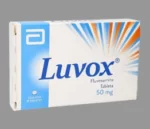
| Fluvoxamine (Luvox) | Affects several liver enzymes and interacts with many drugs | “Can you run my full list through an interaction check?” |
Our product overviews for Prozac, Lexapro, Celexa, Paxil and Luvox describe each medicine in more detail, and our comparisons Prozac vs. Celexa and Lexapro vs. Wellbutrin explain why prescribers choose between them. Antidepressants are prescription medicines; a prescriber should decide which is appropriate for you.
Beyond Serotonin: Bleeding, Drowsiness and Falls
Serotonin syndrome gets the headlines, but three quieter issues affect more people.
Bleeding when the pain pill contains an NSAID
Most hydrocodone prescriptions pair it with acetaminophen (Norco, Vicodin, Lortab). Some pair it with ibuprofen. MedlinePlus notes that sertraline may cause abnormal bleeding or bruising, particularly when combined with NSAIDs, aspirin or other blood-thinning agents. If your pain pill or an over-the-counter add-on includes ibuprofen, naproxen or aspirin, tell the pharmacist. See diclofenac vs. ibuprofen and the question is ibuprofen a blood thinner.
Drowsiness and alcohol
MedlinePlus says sertraline may make you drowsy and that alcohol can make its side effects worse. Add hydrocodone, whose boxed warning names alcohol, and a single evening drink becomes a much larger factor than either label alone would suggest. See hydrocodone and alcohol.
Falls in older adults
Mayo Clinic’s fall-risk medicine list includes both antidepressants and opioids, citing sedation, dizziness and trouble thinking. In a person over 65, the combination can make a bathroom trip at night a risky event. The fall risk tag and senior health category have supporting reading.
Why You Should Not Stop the SSRI
When people learn about an interaction, a tempting response is to skip the antidepressant “just for a few days.” Please do not do this without medical advice. MedlinePlus warns that suddenly stopping sertraline may cause withdrawal symptoms such as nausea, sweating, depression, mood changes, and even seizures and sleep disturbances. Stopping an SSRI can also let depressive or anxious symptoms return during a stressful, painful time.
The better move is to bring the question to the person who prescribed each drug. A short hydrocodone course after a procedure is usually a small addition to a stable regimen. If a prescriber decides the risk is too high, options include choosing a different pain plan (for example, non-opioid approaches), adjusting timing, or monitoring more closely. Our natural alternatives to hydrocodone page and medicines for neuropathic pain outline what else exists.
Mood, Pain and Opioids
Many people on an SSRI live with both mood symptoms and pain, and each can amplify the other. An opioid is a pain treatment, not a mood treatment, and it should never be used to “take the edge off” anxiety or low mood. If your mood dips after starting hydrocodone, or your anxiety climbs as doses wear off, tell your prescriber rather than assuming it is your antidepressant failing.
Watch for thoughts of self-harm. Antidepressants carry a boxed warning about increased suicidal thoughts and actions in children, teenagers and young adults under 24 during the early months of treatment, as MedlinePlus states for sertraline. If you or someone you know is having such thoughts, call or text 988, the Suicide and Crisis Lifeline in the United States, or call 911 in an emergency.
For gentle daily support alongside professional care, our guides on how to get rid of anxiety, foods that reduce anxiety and depression and effects of stress on the body may be useful. Browse the mental health tag too. Comparing your options? See Xanax vs. Prozac and amitriptyline vs. Lexapro. If you use amitriptyline, the question what drugs should not be taken with amitriptyline is directly relevant.
The Medication Card to Carry
Serotonin syndrome is easiest to catch when the emergency team knows what you take. A small card in your wallet or a note on your phone turns a confusing scene into a clear one. Copy the lines below and fill them in.
- Antidepressant: name, the date you last changed the dose, and who prescribes it.
- Opioid: product name, the date you started, and the date you expect to finish.
- Anything else that affects serotonin or sedation: migraine medicine, cough syrup, sleep aid, supplement.
- Allergies and past reactions: especially any earlier bout of agitation, tremor or fever on a new drug.
- Emergency contact: someone who knows the list.
- Pharmacy phone number: so a clinician can verify quickly.
Our medication checklist tag has related printable-style guides, and the polypharmacy tag explains why long lists deserve regular review.
Warning Signs: Mild, Concerning, Emergency
Family members often notice change before the patient does. Use the table as a conversation aid, not a diagnostic tool.
| Level | What you might see | What to do |
|---|---|---|
| Mild | Extra sleepiness, dry mouth, slight dizziness, mild nausea | Note the timing in your log; call the pharmacist if it lasts more than a day or two |
| Concerning | Restlessness, sweating, shivering, diarrhea, a racing pulse, twitching or tremor, unusual agitation | Contact your prescriber or urgent care promptly, and mention both medicines by name |
| Emergency | High fever, rigid muscles, confusion, hallucinations, seizure, fainting, slow or shallow breathing, or a person who cannot be woken | Call 911; if naloxone is available for suspected opioid overdose, use it and still call |
Milder items overlap with normal side effects of either drug, so the important skill is noticing a cluster or a sudden change that begins after a dose change or a new medicine. Poison Control (1-800-222-1222 in the United States) can advise about accidental extra doses when the person is awake and breathing normally. Browse the opioid sedation tag and naloxone tag for more.
Questions Worth Asking
- “I take this SSRI daily. Does the short hydrocodone course change anything about how I should take it?”
- “Is there a non-opioid plan that would work for this procedure or injury?”
- “Which symptoms should send me to urgent care, and which should I simply log?”
- “Are any of my other medicines, such as a triptan, sleep aid or cough syrup, serotonergic?”
- “Should I avoid ibuprofen or aspirin products while I take this antidepressant?”
- “How long should I expect to need the hydrocodone, and who supervises stopping it?”
Related guides in this series cover other frequent partners: muscle relaxers, blood pressure medication and diabetes medication. More background: drug interactions category and opioid safety category.
Frequently Asked Questions About Hydrocodone and SSRIs
Can you take hydrocodone with an SSRI?
Often yes under medical supervision, but it is rated a moderate interaction because opioids can add to serotonin activity and to sedation. Tell your prescriber and pharmacist about both and learn the warning signs.
Is it safe to take Zoloft with Norco or Vicodin?
Norco and Vicodin are hydrocodone with acetaminophen, so the serotonin and sedation issues are the same as with plain hydrocodone. Drugs.com rates hydrocodone with sertraline as moderate. Ask your pharmacist to review the full list.
Does hydrocodone cause serotonin syndrome?
The hydrocodone label warns that opioids used with serotonergic drugs may cause it, but reports concentrate on tramadol, fentanyl and methadone. Hydrocodone is not among the high-risk opioids in a 2025 analysis of FDA reports. Serious cases are still possible.
Do Prozac or Paxil make hydrocodone stop working?
Both block CYP2D6, which makes hydromorphone from hydrocodone. But a controlled study of paroxetine found hydrocodone levels were unchanged, and a 2026 post-surgery study found no clear link between CYP2D6 status and pain control. Tell your prescriber if pain seems undertreated.
How soon do serotonin syndrome symptoms start?
MedlinePlus says symptoms appear within minutes to hours, and StatPearls says most cases present six to 24 hours after a dose change or new medicine. Seek urgent care for a cluster of agitation, fever, sweating, tremor or diarrhea.
Should I stop my antidepressant while taking hydrocodone?
No, not without medical advice. Stopping abruptly can cause withdrawal symptoms, and a short opioid course does not usually require it. Ask the prescriber of each medicine.
Can I drink alcohol with hydrocodone and an SSRI?
It is not advised. Alcohol worsens drowsiness from both types of medicine, and the hydrocodone boxed warning names it as a danger.
Is it different if I take an SNRI like Cymbalta or Effexor?
The label lists SNRIs alongside SSRIs as serotonergic drugs that may interact with opioids. A 2026 database analysis found strong signals for both classes. Ask about your specific drug.
Does an NSAID in my pain pill matter with an SSRI?
It can. MedlinePlus notes SSRIs such as sertraline may cause abnormal bleeding or bruising, especially when combined with NSAIDs or aspirin. Ask about hydrocodone products that contain ibuprofen.
The Bottom Line
Hydrocodone and an SSRI are far more often paired than problematic. The first box, the liver-enzyme question, has a fairly reassuring answer for hydrocodone. The second box, serotonin and sedation, is real enough to appear on the label but weaker for hydrocodone than for tramadol, fentanyl or methadone.
That does not make it casual. Keep your antidepressant going, tell every clinician both names, avoid alcohol, watch for a cluster of new symptoms after any change, and call 911 for confusion with fever, rigid muscles, seizures or slowed breathing.
Health information notice: Medixway publishes this page to inform, not to diagnose or prescribe. Nothing here approves taking hydrocodone with any antidepressant without clinician guidance, and hydrocodone requires a prescription because it is a Schedule II controlled drug. Do not stop or change an antidepressant without your prescriber’s advice. In an emergency, dial 911; in a mental health crisis in the United States, call or text 988.
Sources and Further Reading
- DailyMed: Hydrocodone bitartrate and acetaminophen tablets label
- Drugs.com: Hydrocodone and sertraline interaction
- Drugs.com: Hydrocodone and Lexapro interaction
- Clinical Therapeutics: Effects of paroxetine on the pharmacokinetics of extended-release hydrocodone
- Frontiers in Pharmacology: CYP2D6 phenotype and post-surgical pain control with hydrocodone and oxycodone (2026)
- The Conversation: Opioids and commonly prescribed antidepressants and overdose risk (2022)
- FDA Drug Safety Communication: Several safety issues with opioid pain medicines (2016)
- Medical Principles and Practice: SSRIs and serotonin syndrome from drug interactions, FAERS analysis (2025)
- Frontiers in Pharmacology: Serotonin syndrome risk with concomitant opioid and serotonergic antidepressant use (2026)
- MedlinePlus: Serotonin syndrome
- StatPearls: Serotonin syndrome
- MedlinePlus: Sertraline
- Mayo Clinic: Medicines that increase fall risk in older adults