Health Tips
Hydrocodone and Diabetes Medication: The Five S’s Every Patient Should Know

Managing diabetes is a daily balancing act between food, movement, medicine and timing. A prescription for hydrocodone, whether after a fracture, a dental extraction or an operation, drops a new weight onto one side of that scale. Pain medicine does not raise or lower blood sugar the way insulin does, so many people assume it cannot matter. In practice it can matter quite a lot, but through side doors: the stomach, the brain’s fog, illness and dehydration, and even the day you are fasting for a procedure.
This guide on hydrocodone and diabetes medication is organized around five S’s: Sugar, Stomach, Sick days, Surgery and Sleep. Each S describes a way that the opioid and your diabetes plan can intersect, and each comes with concrete habits. It also asks a bigger question worth raising with your care team: for diabetic nerve pain in particular, is hydrocodone even the right tool? This is general education, not personal medical advice, and nobody should change a diabetes medicine without their clinician.
A Quick Map of Diabetes Medicines
“Diabetes medicine” covers several families, and they matter differently with an opioid. Use this map to see which of the five S’s affects which drug. It describes categories and does not recommend or rank any product.
| Medicine type (examples) | What it does | Main S’s that apply with hydrocodone |
|---|---|---|
| Insulin (many brands) | Lowers glucose directly; lows are the main danger | Sugar, Sleep, Surgery |
| Sulfonylureas (glimepiride, glipizide) | Push the pancreas to release insulin; can cause lows | Sugar, Sleep, Sick days |
| Metformin | Reduces the liver’s sugar output; rarely causes lows by itself | Sick days, Stomach, Acetaminophen footnote |
| SGLT2 inhibitors (canagliflozin, dapagliflozin, empagliflozin, ertugliflozin) | Remove glucose through urine | Sick days, Surgery |
| GLP-1 receptor agonists (semaglutide and similar) | Slow stomach emptying and lower appetite | Stomach, Surgery |
| DPP-4 inhibitors and others | Support natural insulin release | Sick days; ask your pharmacist |
Our background pieces can help you place your own medicine: does metformin reduce belly fat, does metformin cause cancer, how long does glimepiride take to work and does glimepiride cause weight gain. If you want the big picture of the condition, read which type of diabetes is worse.
S One: Sugar
The first S is the one everyone asks about: does hydrocodone move blood sugar? The hydrocodone and acetaminophen label answers in its adverse reactions section: cases of hypoglycemia have been reported in patients taking opioids, and most reports were in patients with at least one predisposing risk factor, with diabetes given as an example. The label does not claim that hydrocodone is a common cause, and it does not describe a mechanism, but it does put people with diabetes in the group to watch.
Not all opioids look alike
A 2019 analysis in Scientific Reports reviewed more than 12 million reports in the FDA’s adverse event database, from 2004 to 2019, and compared drugs given alone. Tramadol and methadone stood out for hypoglycemia reports, with a reporting odds ratio around 11 for tramadol compared with other opioids. Hydrocodone, oxycodone, morphine, fentanyl and codeine did not show elevated hypoglycemia signals, and the authors suggested monitoring glucose when starting tramadol or methadone in both diabetic and non-diabetic patients. The caveats: voluntary reports cannot establish how often lows occur, and the analysis excluded diabetes-related reports, so it cannot say how hydrocodone behaves in people who take diabetes medicines. Still, it supports a nuanced message: hydrocodone is not the opioid most linked to lows, but the label’s wording means a glucose log during any opioid course is a smart precaution. If tramadol is on the table, see tramadol vs. hydrocodone.
Why a low can hide behind opioid drowsiness
The CDC describes low blood sugar as a reading below 70 mg/dL, with mild to moderate symptoms that include a fast heartbeat, shaking, sweating, nervousness, irritability or confusion, dizziness and hunger. Below 54 mg/dL, symptoms can escalate to weakness, vision problems, strange behavior, seizures or fainting. The CDC also warns of hypoglycemia unawareness, in which some people, particularly after years of diabetes or frequent lows, feel no warning at all.
Now compare that symptom list to what hydrocodone does: it can cause drowsiness, dizziness, confusion and slowed thinking. The overlap is the danger. A person may attribute confusion to their pain pill and skip a glucose check, or a family member may see sleepiness and assume the opioid is responsible. That is a reasoning point rather than a proven statistic, but it explains why clinicians emphasize checking a number before deciding what a symptom means.
Habits that protect the Sugar lane
- Check more often on days one to three of a new opioid, and whenever a dose changes, unless your clinician tells you otherwise.
- Test before assuming. If you feel shaky, sweaty, foggy or unusually sleepy, measure your glucose rather than guessing.
- Keep your usual treatment for lows within reach and follow the plan your care team gave you.
- Do not skip meals because pain or nausea has dulled your appetite without adjusting your medicines with your team’s advice.
- Consider a continuous glucose monitor if you are prone to lows. The CDC notes such monitors can alert you during sleep.
- Avoid alcohol. The hydrocodone boxed warning names it, and the CDC lists alcohol among the causes of lows. See hydrocodone and alcohol.
For everyday glucose habits beyond this one course, our guide to natural ways to lower blood sugar is a helpful companion, though it never replaces prescribed medicine.
S Two: Stomach
The second S may be the one you feel first. Hydrocodone slows movement through the gut, which is why constipation and nausea are among its most common effects. That matters more than usual for people with diabetes for a specific reason: the National Institute of Diabetes and Digestive and Kidney Diseases identifies diabetes as the most common known cause of gastroparesis, a condition in which the stomach empties slowly, producing early fullness, bloating, nausea and vomiting. The same NIDDK page lists opioid painkillers among the medicines that can worsen or mimic gastroparesis symptoms.
The practical effect is that someone with diabetes-related stomach slowing may find an opioid tips them from tolerable digestion into frequent nausea, unpredictable meal absorption and glucose swings that are hard to explain. In principle, unpredictable stomach emptying matters if you take mealtime insulin, because food may reach the bloodstream later than the insulin acts; ask your team how they would handle that.
Where GLP-1 medicines fit
Weekly and daily GLP-1 receptor agonists deliberately slow stomach emptying, and nausea and constipation are common effects, especially when starting or raising a dose. Adding an opioid means two drugs pulling in the same direction. The clinical guidance on GLP-1 drugs listed by the American Society of Anesthesiologists and partner societies names nausea, vomiting, constipation and abdominal pain as signs of higher risk. If you take one of these medicines and feel bloated or sick after starting hydrocodone, tell your prescriber. Our article on Wegovy alternatives explains how the drug class is used for weight as well.
Habits for the Stomach lane
- Take hydrocodone with a small amount of food if your label says it may be taken that way, since an empty stomach can worsen nausea. Ask your pharmacist about your product.
- Plan for constipation from day one. Fluids, fiber and movement help, and your pharmacist can suggest a suitable bowel regimen. Read what helps with constipation and the opioid-induced constipation tag.
- Use nausea tips carefully. See the opioid nausea relief tag, and do not add anti-nausea products without asking, since some interact.
- Report severe or persistent vomiting quickly. It leads directly to the sick-day issue below.
S Three: Sick Days
Ordinary illness, whether flu, food poisoning or opioid-induced vomiting, changes the rules for several diabetes medicines. A modified Delphi consensus published in the American Journal of Kidney Diseases agreed that, during illness with volume depletion, people should temporarily stop certain medicines. Those included SGLT2 inhibitors (96 percent agreement), metformin (86 percent), ACE inhibitors and angiotensin receptor blockers (90 percent), diuretics (90 to 95 percent) and NSAIDs (95 percent). Sulfonylureas and meglitinides were to be paused only if blood glucose is low.
The triggers named by the panel were vomiting or diarrhea with significant fluid loss, nausea or poor appetite that cuts fluid intake, new lightheadedness or dizziness, a weight drop of 3 kilograms in two days, and reduced urine output. The panel advised restarting volume-depleting medicines at usual doses within 24 to 48 hours of eating and drinking normally, and restarting glucose-lowering drugs that risk lows as soon as symptoms improve and eating resumes.
How that applies to hydrocodone
Hydrocodone does not itself make you sick in the medical sense, but vomiting from an opioid produces the same fluid loss as a stomach bug. Metformin with dehydration and kidney strain is the concern behind the consensus, and dehydration with an SGLT2 inhibitor adds a ketoacidosis risk. This is guidance intended for clinicians and patients to apply together. Your job is to know that a day of vomiting is a reason to call, not a reason to silently skip or double doses. Ask in advance: “If I vomit on this pain medicine, which of my diabetes and blood pressure medicines should I pause, and who do I call?” Also review our post on hydrocodone and blood pressure medication, since ACE inhibitors and diuretics appear on the same list, and the dehydration tag.
If you fast for religious or medical reasons, the same logic applies. Browse the fasting and medication tag and the intermittent fasting tag for related reading.
S Four: Surgery and Procedures
Most hydrocodone prescriptions begin at a procedure, which is exactly when diabetes medicines need advance planning. Two rules deserve attention.
SGLT2 inhibitors before scheduled surgery
On March 17, 2020, the FDA approved safety labeling changes for the SGLT2 class. As reported by Healio, the recommendation is to stop canagliflozin, dapagliflozin and empagliflozin at least three days before scheduled surgery and ertugliflozin at least four days before, to prevent diabetic ketoacidosis, whose symptoms include nausea, vomiting, abdominal pain, fatigue and breathing trouble. The medicine can be restarted once oral intake is back to baseline and other ketoacidosis risk factors have resolved. If your surgeon or dentist has not asked about an SGLT2 drug, bring it up.
GLP-1 medicines and anesthesia
The American Society of Anesthesiologists’ multi-society guidance explains that GLP-1 drugs delay stomach emptying, which can leave food in the stomach and raise the risk of regurgitation and aspiration into the lungs during general anesthesia. It says most patients at low risk can continue the medicine, while those in the first four to eight weeks of dose escalation, or with active nausea, vomiting, constipation or abdominal pain, are at higher risk. For those patients, the team may delay surgery, switch to a liquid-only diet for 24 hours beforehand, or adjust the anesthetic plan. The point for you is to report every GLP-1 dose and any digestive symptoms honestly at pre-op.
A pre-procedure checklist
- Give the surgical or dental team a complete list of diabetes medicines, including injectables and weekly doses.
- Ask which ones to pause, for how many days, and when to restart.
- Ask for written fasting instructions and how to adjust insulin or tablets if you fast.
- Confirm who to call if your glucose drifts high or low during recovery.
- Tell them about the hydrocodone plan and any other opioids, muscle relaxers or sedatives.
- Arrange for someone to stay with you the first night if you use insulin.
Related reading: the post-surgery recovery category and our medication timing tag.
S Five: Sleep
The last S is the least discussed. Opioids often make people drowsy in the evening, and for someone who takes insulin or a sulfonylurea, sleep is the time when a low can strike without a warning symptom. The CDC notes that nighttime lows can follow an active day, late exercise, too much insulin or nighttime alcohol.
The added layer is a sedated sleeper. A person who would normally wake to sweating or a racing heart may sleep through it under an opioid’s influence. This is inference rather than a measured statistic, but it is a reason to plan ahead:
- Check glucose before bed on opioid days and adjust snacks per your care team’s plan.
- Ask about a continuous glucose monitor with alarms if you are at risk of overnight lows.
- Tell a household member what a low looks like and where your treatment supplies are.
- Avoid layering sedatives such as sleep aids, antihistamine “PM” products, alcohol or extra muscle relaxers without approval.
- Do not take extra hydrocodone to sleep. If pain is disrupting sleep, call your prescriber.
See the opioid sedation tag, importance of sleep for health and natural alternatives to sleeping pills. Our sister guide on hydrocodone and muscle relaxers explains how sedation stacks up.
The Acetaminophen Footnote
Most hydrocodone tablets contain acetaminophen. Interaction checkers sometimes flag this component separately. Drugs.com lists metformin with Norco as a moderate interaction, and the reason it gives concerns acetaminophen, not hydrocodone: both acetaminophen and metformin can affect the liver, and combining them may increase the risk of liver damage. The advice is to talk to your doctor before using them together, particularly if you have other liver risk factors, not to exceed the recommended acetaminophen dose, and to avoid taking multiple acetaminophen-containing products at once.
The label adds the boundary: most cases of acetaminophen-related liver injury involve doses above 4,000 milligrams per day. Many cold, flu and sleep products also contain acetaminophen, so read every label. Our guides on hydrocodone vs. acetaminophen, the acetaminophen tag and the liver health tag explain the total-dose idea. Kidney health also matters for metformin, so keep your regular lab checks; see the kidney health tag.
The Cough-Syrup Exception
Hydrocodone also appears in prescription cough and cold products, sometimes combined with a decongestant. Drugs.com’s page for hydrocodone CP, a product containing chlorpheniramine, hydrocodone and phenylephrine, notes that phenylephrine may interfere with blood glucose control and reduce the effectiveness of metformin and other diabetes medicines, and advises closely monitoring blood sugar and possibly adjusting medication during and after treatment. The lesson is to tell the prescriber about diabetes any time a cough-and-cold product is on the table, since decongestants are a separate concern from the opioid itself.
Is Hydrocodone the Right Tool for Diabetic Nerve Pain?
Many people with diabetes have burning, tingling or stabbing pain in the feet from neuropathy. If that is why you were prescribed an opioid, the guidelines say to pause and reconsider. The American Academy of Neurology’s 2021 guideline on painful diabetic neuropathy, summarized in an AAN press release, states that the risks of opioids for this condition outweigh the benefits and that they should not be prescribed. It lists four drug families that may reduce nerve pain: tricyclic antidepressants, serotonin-norepinephrine reuptake inhibitors (duloxetine, venlafaxine, desvenlafaxine), gabapentinoids (gabapentin, pregabalin) and sodium channel blockers.
The American Diabetes Association took a similar view. In its 2017 guidance as summarized by MedCentral, pregabalin or duloxetine were named as initial options and opioids were not recommended before other agents fail. Hydrocodone treats acute injury pain far better than it treats chronic nerve pain, and its dependence risk grows with weeks of use. If your pain is neuropathic, ask whether an approach from those four families would fit, and remember that some of them bring their own interactions and sedation. Read our overviews of medicines for neuropathic pain, gabapentin and gabapentin alternatives, and browse the neuropathic pain tag and nerve pain tag.
For a sense of how dependence can begin, read our hydrocodone addiction guide and the alternatives list in natural alternatives to hydrocodone. Anti-inflammatory eating may complement care; see Mediterranean diet for inflammation.
If-Then Scenarios to Discuss With Your Team
These prompts are conversation starters. They are not instructions to follow without clinical advice, and every plan should be personalized.
| If this happens | Why it matters | What to raise with your team |
|---|---|---|
| You feel unusually sleepy or confused after a dose | Could be the opioid, could be a low | Check glucose first; ask what threshold should trigger a call |
| You vomit more than once | Fluid loss affects metformin, SGLT2 drugs, ACE inhibitors and diuretics | Ask which to pause and when to restart |
| You have not had a bowel movement in several days | Opioid constipation; possible worsening gastroparesis | Ask about a bowel plan; report severe pain, bloating or vomiting |
| You are scheduled for surgery or a dental procedure | SGLT2 and GLP-1 medicines need advance planning | Give the full list and ask for written instructions |
| Your glucose runs higher than usual for several days | Pain, illness, reduced activity or missed doses may be involved | Ask whether to adjust medicines; do not change doses alone |
| Someone cannot be woken or is breathing slowly | Possible opioid overdose or severe low | Call 911; use naloxone if available and suspected opioid overdose |
Questions to Bring to the Pharmacy Counter
- “Which of my diabetes medicines could cause a low while I take hydrocodone?”
- “Should I check my glucose more often, and what readings should make me call you?”
- “If I get nauseated or vomit, which medicines do I pause and for how long?”
- “Does the acetaminophen in this pain pill matter for my liver, kidneys or metformin?”
- “Do I need a bowel plan starting today?”
- “For nerve pain, is there a better option than an opioid?”
- “Should someone at home know how to treat a low and how to use naloxone?”
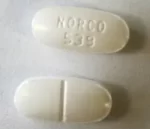
Continue with the rest of the series: hydrocodone and SSRIs, blood pressure medication and muscle relaxers. For product background, see the hydrocodone overview and Norco page. Browse the drug interactions category and medication safety category for more.
Frequently Asked Questions About Hydrocodone and Diabetes Medication
Can diabetics take hydrocodone?
Often yes for short courses, but diabetes is a listed risk factor for hypoglycemia cases with opioids on the label. Monitor glucose closely, review sick-day rules and tell your prescriber about every diabetes medicine.
Does hydrocodone raise or lower blood sugar?
The label reports hypoglycemia cases in people taking opioids, mostly those with risk factors such as diabetes, but a 2019 database analysis found the strongest hypoglycemia signals with tramadol and methadone, not hydrocodone. Pain and illness can also nudge readings, so keep a log.
Can I take Norco with metformin?
Drugs.com rates it moderate because acetaminophen and metformin can both affect the liver. Follow your label’s acetaminophen limit, avoid other acetaminophen products, and ask your pharmacist.
Is hydrocodone safe with insulin?
No interaction check reviewed here shows a direct insulin interaction, but sedation can mask a low. Check glucose before assuming drowsiness is from the opioid, and check before bed.
Can hydrocodone make Ozempic-type nausea worse?
Both can cause nausea and constipation, so effects may add together. Tell your prescriber if you feel bloated or vomit, especially before any procedure with anesthesia.
Should I stop my SGLT2 inhibitor before surgery?
The FDA recommends stopping canagliflozin, dapagliflozin and empagliflozin at least three days before scheduled surgery, and ertugliflozin at least four. Follow your surgeon’s written instructions.
What should I do if I vomit while taking hydrocodone?
Call your pharmacist or prescriber. A consensus panel recommends pausing SGLT2 inhibitors, metformin, ACE inhibitors, ARBs, diuretics and NSAIDs during significant fluid loss, then restarting after 24 to 48 hours of normal eating and drinking. Ask what applies to you.
Is hydrocodone good for diabetic nerve pain?
Guidelines advise against it. The American Academy of Neurology says the risks outweigh the benefits and lists antidepressants, gabapentinoids and sodium channel blockers as options.
Do cough syrups with hydrocodone affect diabetes?
Some contain phenylephrine, which Drugs.com says may interfere with blood glucose control and reduce the effectiveness of metformin and other diabetes medicines. Tell your prescriber about diabetes before starting one.
The Bottom Line
Hydrocodone and diabetes medicines are not enemies, but they share a small number of pressure points. Sugar: keep a log and test before assuming a symptom is the opioid. Stomach: plan for constipation and report vomiting. Sick days: know which medicines to pause and call before you pause them. Surgery: hand over the full list, especially SGLT2 and GLP-1 drugs. Sleep: protect the night with a bedtime check and an informed household.
And ask the larger question too. If the pain is nerve pain, a different class of medicine may serve you better than a short-acting opioid. Call 911 if someone cannot be woken or is breathing slowly, and use naloxone if you have it and suspect an opioid overdose.
Health information notice: Medixway publishes this page to inform, not to diagnose or prescribe. Nothing here approves taking hydrocodone with any diabetes medicine without clinician guidance, and hydrocodone requires a prescription because it is a Schedule II controlled drug. Do not change, stop or skip a diabetes medicine without your care team’s advice. In an emergency, dial 911.
Sources and Further Reading
- DailyMed: Hydrocodone bitartrate and acetaminophen tablets label
- Scientific Reports: Hypoglycemia with tramadol and methadone in contrast to other opioids (2019)
- CDC: Low blood sugar (hypoglycemia)
- NIDDK: Gastroparesis symptoms and causes
- American Society of Anesthesiologists: Multi-society GLP-1 clinical practice guidance (2024)
- Healio: FDA advises suspending SGLT2 inhibitors before surgery (2020)
- American Journal of Kidney Diseases: Consensus recommendations for sick day medication guidance (2022)
- Drugs.com: Metformin and Norco interaction
- Drugs.com: Hydrocodone CP and metformin interaction
- American Academy of Neurology: Guideline for treatment of painful diabetic neuropathy (2021)
- MedCentral: ADA guidance on diabetic peripheral neuropathy