Health Tips
Oxycodone in Georgia: What Every Patient Should Know About Prescriptions, Laws, and Safe Use

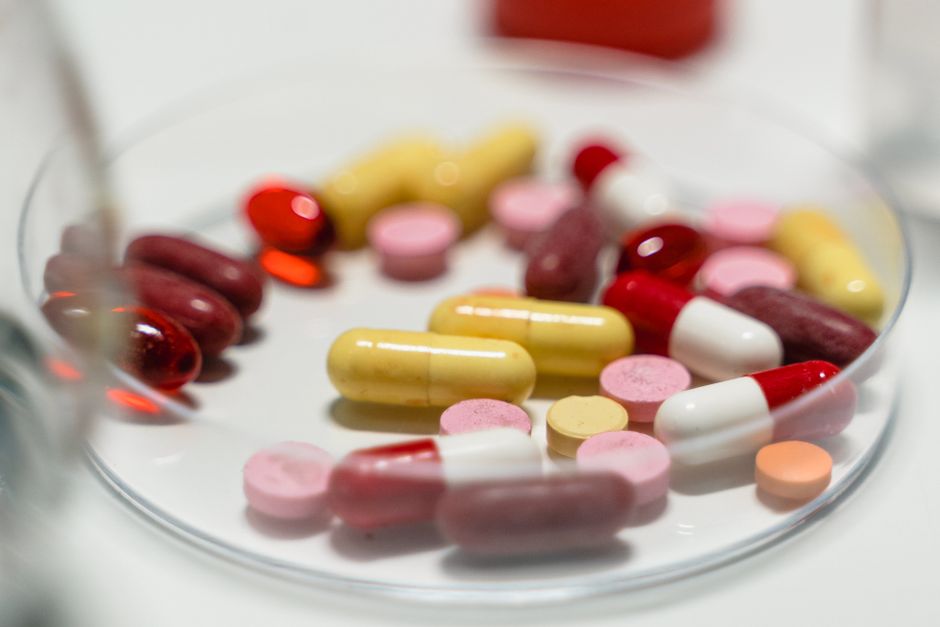
If you or a loved one has been prescribed oxycodone in Georgia, you probably have questions that go beyond what your doctor mentioned during a rushed appointment. Georgia has specific rules around controlled substance prescribing, pharmacy dispensing limits, and pain management clinics that differ from other states. This guide walks through everything a patient in Georgia needs to know about oxycodone, from how the state regulates prescriptions to safe storage, interactions, and what happens if a prescription runs out early.
Understanding oxycodone Georgia patients need to follow isn’t just about staying compliant with the law. It’s about protecting your health, avoiding dangerous drug interactions, and knowing your rights when a pharmacist asks extra questions or a doctor limits your refill. Let’s break it all down.
What Is Oxycodone and Why Is It Prescribed?
Oxycodone is a semi-synthetic opioid pain reliever used to treat moderate to severe pain. It’s sold under brand names like OxyContin (extended-release) and Roxicodone (immediate-release), and it’s also a key ingredient in combination products such as Percocet, which pairs oxycodone with acetaminophen.
Doctors in Georgia prescribe oxycodone for a range of conditions, including:
- Post-surgical pain, especially after orthopedic or abdominal procedures
- Cancer-related pain
- Chronic pain conditions that haven’t responded to non-opioid treatments
- Severe injury pain, such as fractures
Because oxycodone is a Schedule II controlled substance under federal law, it carries a high potential for misuse, dependence, and diversion. That classification shapes almost every rule Georgia has put in place around how it’s prescribed and dispensed. For a broader overview of how oxycodone works in the body, the Drugs.com oxycodone drug information page is a solid reference point.
Georgia’s Prescription Drug Monitoring Program (PDMP)
Georgia operates a Prescription Drug Monitoring Program, sometimes referred to as the PDMP or 3PMP, which tracks every controlled substance prescription filled in the state. This system helps prevent “doctor shopping,” where a patient tries to get multiple opioid prescriptions from different providers.
Here’s what this means practically for patients:
- Your prescriber is generally required to check the PDMP before writing a new oxycodone prescription, particularly for new patients or when starting opioid therapy.
- Pharmacists can and do check the database before filling your prescription, especially if something looks unusual, like an early refill request or a prescription from an out-of-state provider.
- The database logs the prescriber, pharmacy, medication, dose, and quantity, which creates a paper trail that protects both patients and providers from allegations of misuse.
If you’re a legitimate pain patient, this system shouldn’t create obstacles as long as you’re getting prescriptions from one consistent provider and filling them at a regular pharmacy. Problems tend to arise when patients switch doctors frequently or fill prescriptions at multiple pharmacies without a clear medical reason.
Georgia’s Rules on Opioid Prescription Limits
Like many states responding to the opioid crisis, Georgia has passed legislation limiting how opioids can be prescribed for acute pain. While rules can be updated by the legislature, the general framework patients should be aware of includes:
Initial Prescriptions for Acute Pain
For patients who haven’t been on opioids recently (opioid-naive patients), Georgia law has historically limited initial prescriptions for acute pain to a short supply, often around a five-day window, unless the prescriber documents a specific medical reason for a longer supply. This doesn’t apply to chronic pain management, cancer treatment, palliative care, or medication-assisted treatment for opioid use disorder.
Electronic Prescribing Requirements
Georgia has moved toward mandatory electronic prescribing for controlled substances, including oxycodone. This means your doctor typically cannot hand you a paper prescription for oxycodone anymore in most circumstances; it gets sent electronically directly to your pharmacy. This reduces the risk of forged or altered prescriptions and speeds up the verification process at the pharmacy counter.
Quantity and Refill Restrictions
Oxycodone prescriptions in Georgia cannot include refills. Each time you need more medication, your provider must write and transmit a brand new prescription. This is standard for Schedule II drugs nationwide, not unique to Georgia, but it surprises patients who are used to refillable prescriptions for other medications.
Pain Management Clinics in Georgia
Georgia has specific licensing requirements for pain management clinics, which are facilities where the majority of patients receive opioid prescriptions for chronic pain. These regulations exist because unlicensed “pill mills” were a significant problem in the Southeast during the height of the opioid crisis.
Under Georgia law, a legitimate pain management clinic generally must:
- Be owned or medically directed by a licensed physician
- Register with the Georgia Composite Medical Board
- Follow specific documentation and examination standards before prescribing controlled substances
- Maintain records that are subject to audit
If you’re establishing care with a new pain clinic in Georgia, it’s worth confirming the clinic is properly licensed. A legitimate clinic will have no issue answering questions about their registration or providing documentation of their physician oversight.
How Pharmacists in Georgia Handle Oxycodone Prescriptions
Pharmacists play a gatekeeping role for controlled substances, and Georgia pharmacists are trained to spot red flags. Don’t be surprised if you’re asked to show a government-issued photo ID every time you pick up an oxycodone prescription, even if you’ve filled prescriptions at the same pharmacy for years. This is standard practice, not a sign that you’re under suspicion.
Pharmacists may also:
- Call your prescribing doctor to confirm details on the prescription
- Ask about other medications you’re taking to screen for dangerous interactions
- Decline to fill a prescription early, even by a day or two, without documented justification
- Limit the pharmacy’s on-hand supply of oxycodone, which can occasionally cause short delays
If a pharmacy can’t fill your prescription immediately due to supply issues, ask if they can transfer it to another location or let you know when new stock arrives. Controlled substance transfers between pharmacies are allowed but require extra paperwork, so building in some extra lead time when possible helps avoid gaps in your medication.
Dosage Forms and Typical Prescribing Patterns
Oxycodone comes in several forms, and your doctor selects one based on the type and duration of pain being treated.
Immediate-Release Oxycodone
Immediate-release tablets or capsules work within 15 to 30 minutes and are typically used for short-term or breakthrough pain. Dosing usually happens every 4 to 6 hours as needed.
Extended-Release Oxycodone (OxyContin)
Extended-release formulations release medication slowly over about 12 hours and are intended for patients who need continuous, around-the-clock pain control, not for occasional or mild pain. These tablets must be swallowed whole; crushing or chewing them can cause a dangerous, rapid release of the full dose.
Combination Products
Percocet and similar products combine oxycodone with acetaminophen. Patients need to track their total daily acetaminophen intake carefully, since exceeding recommended limits, especially in combination with other over-the-counter cold or pain medications, can cause serious liver damage. If you have existing liver concerns, it’s worth reading more about how oxycodone affects patients with liver disease before starting or continuing this type of combination therapy.
Common Side Effects and What’s Normal vs. Concerning
Most patients experience at least one side effect when starting oxycodone, and many of these improve within the first several days as the body adjusts.
Common, Usually Manageable Side Effects
- Constipation (often persistent throughout treatment, so proactive management matters)
- Nausea or mild vomiting, especially early in treatment
- Drowsiness or feeling mentally foggy
- Dry mouth
- Mild dizziness, particularly when standing up quickly
Constipation deserves special mention because, unlike drowsiness, it typically doesn’t improve over time. Talk to your doctor about starting a stool softener or fiber supplement proactively rather than waiting until it becomes a problem.
Less Common but Important Side Effects
Some patients report symptoms they don’t expect from an opioid. For example, questions about whether oxycodone can cause ringing in the ears come up more often than people realize, and changes in blood pressure are another area patients ask about, including whether oxycodone can lower blood pressure during treatment. Even something as simple as noticing urine color changes while on oxycodone can prompt unnecessary worry if you don’t know it’s a recognized, usually harmless effect.
Warning Signs That Require Immediate Medical Attention
- Slow or shallow breathing
- Extreme drowsiness or inability to stay awake
- Confusion or slurred speech beyond normal medication effects
- Blue-tinged lips or fingertips
- Severe allergic reaction symptoms, such as facial swelling or difficulty breathing
These symptoms may indicate an overdose or serious adverse reaction and require emergency care immediately, not a wait-and-see approach.
Drug Interactions Georgia Patients Should Watch For
Oxycodone interacts with a long list of medications and substances, some of which are available over the counter. Combining oxycodone with certain sedatives, like benzodiazepines, dramatically increases the risk of fatal respiratory depression, and mixing it with alcohol is equally dangerous.
Patients often don’t realize how many everyday medications can interact with oxycodone. It’s worth checking specifics before combining oxycodone with:
- Sleep aids containing melatonin, since taking melatonin with oxycodone can compound drowsiness even though melatonin is considered natural
- Antihistamines like Benadryl, where combining Benadryl with oxycodone can intensify sedation and impair coordination
- Common allergy medications, since some allergy medicines taken alongside oxycodone carry similar sedative risks
- Antibiotics prescribed for infections, as certain antibiotics combined with oxycodone can affect how the opioid is metabolized
Always tell every prescriber and pharmacist involved in your care about all medications and supplements you’re taking, including things that seem unrelated to pain management. This is one of the simplest ways to prevent a dangerous interaction.
Naloxone Access in Georgia
Georgia has taken steps to expand access to naloxone, the opioid overdose reversal medication, recognizing that emergencies can happen even to patients taking oxycodone exactly as prescribed. Under Georgia’s standing order, pharmacists can dispense naloxone without an individual prescription in many cases.
If you or a family member is on long-term oxycodone therapy, consider asking your pharmacist about keeping naloxone on hand at home. It’s a straightforward safety measure, similar to keeping a fire extinguisher in the kitchen. You hope never to need it, but having it available can save a life during an overdose emergency, whether that involves your own prescription or someone else’s misuse.
Safe Storage and Disposal in Georgia
Oxycodone theft from home medicine cabinets is a documented pathway to misuse, particularly among teenagers and young adults. Georgia residents have several safe disposal options:
- Drug take-back events, often organized by local police departments and pharmacies, particularly around National Prescription Drug Take Back Day
- Permanent drop boxes located at many pharmacies, hospitals, and law enforcement offices across the state
- Mail-back programs offered by some pharmacy chains, which provide prepaid envelopes for safe disposal
- At-home disposal using medication deactivation pouches, which neutralize the drug before disposal in household trash
For storage, keep oxycodone in its original labeled container, in a locked box or cabinet if possible, and out of reach of children, guests, and anyone else in the household who isn’t the intended patient. Track your pill count periodically, especially if other people have access to your home.
Recognizing Misuse and When to Seek Help
Physical dependence on oxycodone can develop even when the medication is used exactly as prescribed, and that’s different from addiction. Dependence means your body has adjusted to the presence of the drug and you may experience withdrawal symptoms if you stop abruptly. Addiction involves compulsive use despite negative consequences.
Signs that oxycodone use may be shifting toward misuse include:
- Taking higher doses than prescribed or using it more frequently than directed
- Running out of medication before the next scheduled refill on a regular basis
- Seeking prescriptions from multiple doctors
- Feeling unable to function or cope without the medication
- Using oxycodone for reasons other than pain, such as anxiety or sleep
If any of this sounds familiar, talk to your prescriber honestly. Georgia has resources for substance use treatment, including medication-assisted treatment programs, and most doctors would rather help you taper safely than have you stop cold turkey or continue an unsafe pattern of use. The Mayo Clinic offers reliable, patient-friendly information on opioid dependence and treatment options if you want to learn more before that conversation.
Insurance, Cost, and Prior Authorization in Georgia
Many insurance plans, including Georgia Medicaid, require prior authorization for opioid prescriptions, particularly for higher doses or extended-release formulations. This means your doctor’s office may need to submit paperwork justifying the prescription before your insurance approves coverage.
To avoid delays at the pharmacy counter:
- Ask your doctor’s office if prior authorization is likely needed before you arrive at the pharmacy
- Fill new prescriptions a few days before your current supply runs out, when possible, to leave buffer time for paperwork
- Keep a copy of your insurance card and ID readily available, since pharmacies verify both for controlled substances
If cost is a barrier, ask your pharmacist about generic oxycodone options, which are typically far less expensive than brand-name formulations like OxyContin, and inquire about manufacturer or state assistance programs if you’re uninsured or underinsured.
Traveling With Oxycodone in Georgia
If you’re traveling within Georgia or bringing oxycodone into the state from elsewhere, keep the medication in its original prescription bottle with the label intact. Carry a copy of the prescription or a note from your doctor if you’re flying, since TSA and law enforcement may ask about controlled substances found during screening. There’s no federal limit on the quantity you can carry as long as it matches your valid prescription, but having documentation prevents unnecessary complications.
Frequently Asked Questions
Is oxycodone legal to possess in Georgia without a prescription?
No. Oxycodone is a Schedule II controlled substance, and possessing it without a valid prescription is illegal in Georgia and can result in criminal charges, including felony charges depending on the quantity involved.
Can a Georgia doctor prescribe oxycodone over the phone?
Generally, no. Georgia requires electronic prescribing for most controlled substances, including oxycodone, so a verbal or phoned-in prescription is rarely accepted except in limited emergency circumstances defined by law.
How many days’ supply of oxycodone can a Georgia doctor prescribe for acute pain?
For opioid-naive patients being treated for acute pain, Georgia law generally limits the initial prescription to a short supply, often around five days, unless the provider documents a specific medical justification for more. Chronic pain, cancer care, and palliative treatment are typically exempt from this limit.
Can I fill an oxycodone prescription early if I’m traveling?
It depends on the pharmacy and the circumstances. Pharmacists have discretion to fill controlled substance prescriptions a few days early for documented reasons like travel, but they may require confirmation from your prescriber first. Always ask in advance rather than assuming it will be approved at pickup.
What should I do with leftover oxycodone after my treatment ends?
Use a drug take-back location, a pharmacy drop box, a mail-back program, or a medication deactivation pouch to dispose of unused oxycodone safely. Don’t keep it “just in case,” since leftover pills are a common source of misuse among family members and visitors.
Final Thoughts
Managing pain with oxycodone in Georgia involves navigating a system built around careful oversight, from electronic prescribing mandates to PDMP checks and pharmacy verification steps. None of these rules exist to make life harder for legitimate patients; they exist to catch the small percentage of cases involving diversion or misuse while keeping the medication accessible for people who genuinely need it.
Stay organized, keep communication open with your prescriber and pharmacist, and don’t hesitate to ask questions about anything that feels unclear, whether that’s a dosage form, an interaction, or a new state requirement you haven’t encountered before. For a deeper dive into the broader legal framework, our detailed Georgia oxycodone laws and safety guide covers additional legal nuances, and our complete oxycodone resource center is a good next stop for any related questions not covered here.