Health Tips
Oxycodone Information for Georgia Patients: Laws, Prescriptions, and Safety Guide

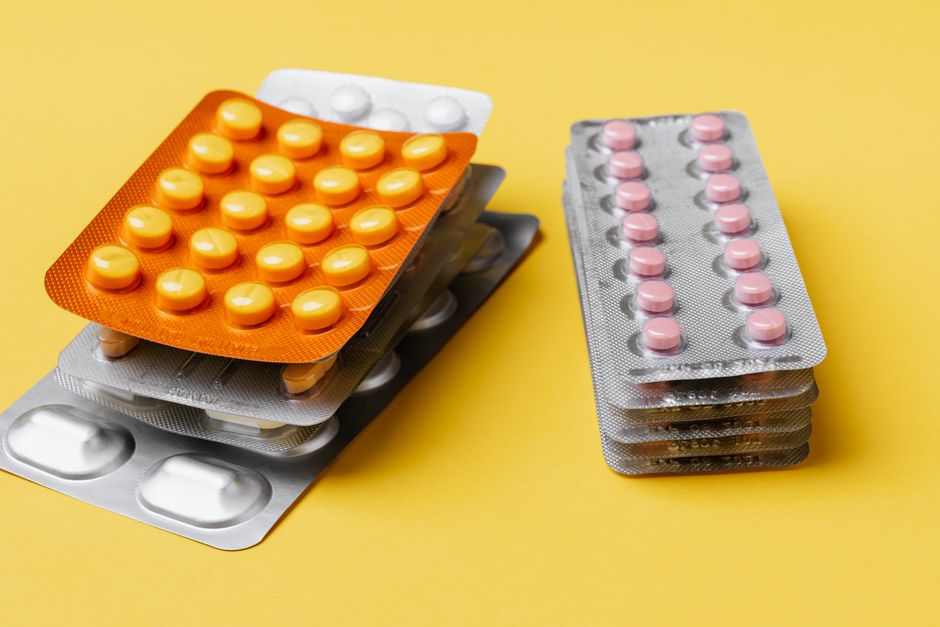
If you or a loved one has been prescribed oxycodone in Georgia, you probably have questions about what the law requires, how pharmacies handle these prescriptions, and how to use the medication safely. Oxycodone in Georgia is tightly regulated because it is a Schedule II controlled substance with a high potential for misuse. This guide walks through the state-specific rules, prescription requirements, dosage basics, side effects, and safety steps every Georgia patient should understand before filling an oxycodone prescription.
Whether you’re picking up your first prescription after surgery or you manage chronic pain long-term, knowing how Georgia’s laws affect your access to oxycodone can save you time, frustration, and potential legal trouble. Let’s break down exactly what you need to know.
What Is Oxycodone?
Oxycodone is a semi-synthetic opioid pain reliever prescribed to manage moderate to severe pain. It works by binding to opioid receptors in the brain and spinal cord, blocking pain signals and producing a sense of relief. Doctors prescribe it after surgery, for injury-related pain, cancer pain, and sometimes for chronic pain conditions when other treatments have failed.
You’ll find oxycodone under several brand and generic names, including:
- OxyContin (extended-release oxycodone)
- Roxicodone (immediate-release oxycodone)
- Percocet (oxycodone combined with acetaminophen)
- Xtampza ER (extended-release capsules)
Because it’s an opioid, oxycodone carries risks of dependence, tolerance, and overdose, especially when taken in higher doses than prescribed or combined with other central nervous system depressants like alcohol or benzodiazepines. If you’re new to this medication, it helps to review oxycodone strengths explained so you understand how dosages differ between 5 mg and 30 mg tablets.
Oxycodone Laws in Georgia: What Patients Need to Know
Georgia classifies oxycodone as a Schedule II controlled substance under the Georgia Controlled Substances Act, which mirrors the federal Controlled Substances Act. This classification means oxycodone has a legitimate medical use but also a high potential for abuse and dependence, so the state imposes strict rules on how it’s prescribed, dispensed, and monitored.
Georgia’s Prescription Drug Monitoring Program (PDMP)
Georgia operates a Prescription Drug Monitoring Program that tracks every controlled substance prescription filled in the state. Prescribers and pharmacists are required to check this database before prescribing or dispensing oxycodone in many circumstances, particularly for new patients or when there’s reason to suspect misuse.
The PDMP helps identify patients who may be receiving overlapping prescriptions from multiple providers, sometimes referred to as “doctor shopping.” If you’re a patient with a legitimate need for oxycodone, this system generally works in the background and shouldn’t affect your care, but it’s worth knowing that your prescription history is visible to licensed providers and pharmacists across the state.
Electronic Prescribing Requirements
Georgia has moved toward mandatory electronic prescribing for controlled substances, including oxycodone. This means your doctor typically sends your prescription directly to the pharmacy electronically rather than handing you a paper script. Electronic prescribing reduces forgery, errors, and diversion, but it also means you should confirm with your provider’s office which pharmacy they sent the prescription to, since you won’t have a physical copy to bring with you.
Prescribing Limits for Acute Pain
Like many states responding to the opioid crisis, Georgia has adopted guidelines limiting the initial quantity of opioids prescribed for acute pain, particularly for first-time patients or minors. These rules generally encourage providers to prescribe the lowest effective dose for the shortest duration necessary, often around three to seven days for acute, non-chronic pain, before considering additional prescriptions. Chronic pain patients under ongoing management with a treating physician usually fall outside these initial limits, but exact quantities can vary by prescriber and diagnosis, so always ask your doctor directly about your specific treatment plan.
Naloxone Access and Standing Orders
Georgia has a standing order that allows pharmacists to dispense naloxone, the opioid overdose reversal medication, without an individual prescription. If you or a family member takes oxycodone regularly, it’s worth asking your pharmacist about keeping naloxone on hand at home as a precaution, especially if there are children or other individuals in the household who might accidentally access the medication.
How to Get an Oxycodone Prescription in Georgia
Getting a legitimate oxycodone prescription in Georgia involves a few standard steps, though the process can feel more involved than with non-controlled medications.
1. Medical Evaluation
Your doctor will evaluate your condition, review your medical history, and discuss whether an opioid is appropriate compared to non-opioid alternatives. For chronic pain, this often includes a signed treatment agreement outlining expectations around refills, drug testing, and follow-up visits.
2. Valid Identification
Georgia pharmacies commonly require a government-issued photo ID when you pick up a Schedule II prescription like oxycodone. This helps verify that the person picking up the medication matches the patient named on the prescription.
3. Telehealth Restrictions
If you’ve considered a telehealth visit for pain management, be aware that federal and Georgia state rules generally require an in-person medical evaluation before a provider can prescribe a Schedule II controlled substance like oxycodone in most circumstances. Purely virtual prescribing for new patients is heavily restricted, so don’t expect to receive an oxycodone prescription solely from an online consultation without ever seeing a provider in person.
4. No Early Refills
Georgia pharmacies typically won’t fill an oxycodone prescription early, even by a day or two, unless your doctor provides specific documentation explaining the need, such as an upcoming trip or a dosage adjustment. Refill requests are cross-checked against the PDMP, so plan ahead rather than waiting until you’re completely out of medication.
For a broader look at how these rules compare across the country, our state-based educational guide on prescription drug laws explains why regulations like Georgia’s differ so much from neighboring states.
Oxycodone Dosages and Strengths Available in Georgia Pharmacies
Oxycodone comes in a range of strengths designed for different pain management needs. Immediate-release tablets are commonly available in 5 mg, 10 mg, 15 mg, 20 mg, and 30 mg doses, while extended-release formulations like OxyContin come in higher strengths meant for around-the-clock pain control.
Your prescribed dose depends on factors like:
- The severity of your pain
- Your prior opioid tolerance
- Your age, weight, and kidney or liver function
- Other medications you’re taking
If your provider has adjusted your dosage recently, reviewing our oxycodone dosage chart can help you understand typical dosing patterns, though you should never adjust your own dose without talking to your prescriber first. Taking more than prescribed, even accidentally, is a serious concern. If this happens, our article on what to do if you accidentally take two oxycodone pills outlines the warning signs to watch for and when to seek emergency help.
How Long Does Oxycodone Stay in Your System?
Many Georgia patients ask how long oxycodone remains detectable, whether for drug testing purposes at work, for pain management program compliance, or simply out of curiosity about how the drug clears the body. Oxycodone has a relatively short half-life compared to some other opioids, meaning it doesn’t stay in the bloodstream as long as certain long-acting medications.
Factors that affect how quickly your body processes oxycodone include your metabolism, liver function, hydration, age, and whether you’re taking an immediate-release or extended-release formulation. For a detailed breakdown of detection windows in blood, urine, saliva, and hair, see our full guide on oxycodone half-life and how long it stays in your system.
Common Side Effects Georgia Patients Should Watch For
Like all opioids, oxycodone can cause a range of side effects, some mild and expected, others more concerning. Understanding the difference helps you know when to simply manage symptoms at home versus when to call your doctor.
Common, Manageable Side Effects
- Drowsiness or fatigue
- Constipation
- Nausea and upset stomach
- Itching or mild skin reactions
- Sweating
- Dizziness or lightheadedness
Nausea is one of the most frequently reported issues, particularly when starting oxycodone or increasing a dose. If this affects you, our article on oxycodone nausea causes and relief tips offers practical strategies for managing it. Itching is another common complaint tied to how opioids interact with the immune system; you can read more in our guide on why oxycodone causes itching. Excessive sweating is also fairly common and is covered in our piece on oxycodone and sweating.
Less Common but Important Effects
Some patients notice changes in blood pressure while taking oxycodone, and others report unusual ringing or buzzing sounds in the ears. These effects are less typical but worth understanding. Our articles on whether oxycodone can lower blood pressure and oxycodone and tinnitus go into more detail on when these symptoms warrant a call to your doctor. Additionally, some patients notice changes in urine color while on the medication, which is usually harmless but can sometimes signal a need for medical attention.
Signs of Overdose
Recognizing the signs of an opioid overdose can save a life. Seek emergency help immediately if you or someone taking oxycodone shows:
- Extremely slow or shallow breathing
- Blue or grayish lips and fingertips
- Unresponsiveness or inability to wake up
- Pinpoint pupils
- Gurgling or choking sounds
If you suspect an overdose, call 911 immediately and administer naloxone if it’s available. According to the Mayo Clinic, opioid overdose is a medical emergency that requires immediate intervention, and even a suspected overdose should never be treated as a “wait and see” situation.
Drug Interactions to Avoid
Oxycodone can interact dangerously with several other substances. Georgia patients should tell their doctor and pharmacist about all medications and supplements they’re taking, including:
- Benzodiazepines (such as Xanax or Valium)
- Other opioids or opioid combination products
- Muscle relaxants
- Certain antidepressants and antipsychotics
- Alcohol
- Sleep aids or sedatives
Combining oxycodone with any of these substances significantly increases the risk of respiratory depression, which is one of the leading causes of opioid-related deaths. Always disclose your full medication list, including over-the-counter drugs and herbal supplements, when picking up a new prescription.
Georgia’s Opioid Crisis and What It Means for Patients
Georgia, like most states, has been significantly affected by the opioid epidemic over the past two decades. In response, the state has passed multiple pieces of legislation aimed at reducing prescription opioid misuse while still preserving access for patients with legitimate medical needs.
This balancing act is why you may notice more paperwork, more frequent doctor visits for refills, and stricter pharmacy policies than you might expect from a routine prescription. These measures aren’t meant to punish patients managing real pain, they’re designed to catch patterns of misuse and diversion before they escalate. Understanding this context can make the process feel less frustrating when you encounter extra steps at the pharmacy counter.
Drug Take-Back Programs in Georgia
Georgia regularly participates in national drug take-back initiatives, and many local pharmacies, police departments, and hospitals host permanent drop boxes for unused medications, including leftover oxycodone. If you have expired or unused pills after finishing treatment, using a take-back location is far safer than keeping them in a medicine cabinet or flushing them down the toilet.
Safe Storage at Home
Because oxycodone is a common target for theft and accidental ingestion, especially in households with teenagers or young children, consider these storage practices:
- Keep medication in a locked box or cabinet, not just a high shelf
- Avoid storing it in a shared medicine cabinet
- Track your pill count periodically
- Never share your prescription with friends or family, even if they have similar symptoms
Sharing prescription opioids, even with good intentions, is illegal under Georgia law and puts both parties at legal and medical risk.
Addiction Risk and Support Resources
Physical dependence can develop even when oxycodone is taken exactly as prescribed, which is different from addiction but can sometimes lead to it if usage patterns change. Warning signs of a developing problem include:
- Needing higher doses to get the same pain relief
- Taking the medication for reasons other than physical pain
- Running out of prescriptions early on a regular basis
- Feeling anxious or preoccupied about your next dose
- Withdrawal symptoms between doses
If you’re concerned about dependence, talk to your prescriber honestly. Georgia has resources available through community behavioral health providers and addiction treatment centers across the state. The Healthline resource library also offers educational content on recognizing opioid use disorder and understanding treatment options, including medication-assisted treatment.
For a comprehensive overview of everything related to this medication, from formulations to safety practices, our Complete Oxycodone Resource Center is a good starting point for further reading.
Traveling With Oxycodone in Georgia
If you’re traveling within Georgia or bringing your medication across state lines, keep it in its original prescription bottle with your name and prescriber information clearly visible. Carrying oxycodone without proper labeling can create legal complications, even if the medication is legitimately yours. If you’re flying, the Transportation Security Administration generally allows prescription medications in carry-on luggage, but it’s wise to bring a copy of your prescription or a note from your doctor just in case airport staff have questions.
Pharmacy Shopping and Insurance Considerations
Not every pharmacy stocks the same quantities of oxycodone at all times, partly due to supply chain regulations and distribution quotas set at the federal level. If your regular pharmacy is out of stock, don’t be alarmed, this is fairly common with Schedule II medications. Calling ahead before driving to a pharmacy can save you a wasted trip.
Insurance coverage for oxycodone varies by plan, and some insurers require prior authorization, especially for extended-release formulations or higher doses. If you’re facing a coverage denial, your doctor’s office can often submit additional documentation to justify medical necessity, though this process can take a few days, so plan refills accordingly.
Frequently Asked Questions About Oxycodone in Georgia
Is oxycodone legal to possess in Georgia without a prescription?
No. Oxycodone is a Schedule II controlled substance in Georgia, and possessing it without a valid prescription is illegal and can result in criminal charges, regardless of the amount.
Can a Georgia doctor prescribe oxycodone through a telehealth visit?
Generally, no, not for a new patient without a prior in-person evaluation. Federal and Georgia regulations require an in-person medical exam before most Schedule II prescriptions can be issued, though exceptions exist for patients already established with a provider under specific circumstances.
How many days’ supply of oxycodone can a Georgia doctor prescribe for acute pain?
Guidelines generally encourage limiting initial prescriptions for acute, short-term pain to the lowest effective amount, often in the range of a few days’ supply. Exact limits can vary depending on your diagnosis and prescriber, so it’s best to ask your doctor directly about your specific situation.
What should I do with leftover oxycodone pills?
Use a local drug take-back program, pharmacy drop box, or law enforcement disposal site. Avoid keeping unused pills in your home longer than necessary, and never flush them unless the label specifically instructs you to do so.
Does Georgia require pharmacists to check the PDMP before dispensing oxycodone?
Pharmacists in Georgia are expected to review the Prescription Drug Monitoring Program database in many situations before dispensing controlled substances like oxycodone, particularly for new patients or when red flags for potential misuse are present.
Final Thoughts
Managing pain with oxycodone in Georgia involves more than just picking up a prescription, it means understanding the state’s PDMP requirements, electronic prescribing rules, and safety expectations that come with any Schedule II medication. These regulations exist to protect patients while still allowing access to effective pain relief when it’s genuinely needed.
Staying informed about dosage guidelines, potential side effects, drug interactions, and safe storage practices puts you in a much stronger position to use oxycodone responsibly and avoid unnecessary complications. If anything about your prescription feels unclear, don’t hesitate to ask your doctor or pharmacist directly, they would rather answer your questions upfront than have you guess and risk a mistake.