Health Tips
Understanding Oxycodone Prescription Labels: A Complete Patient Guide

Picking up a new prescription bottle from the pharmacy can feel confusing, especially when the label is packed with codes, abbreviations, and warnings you’ve never seen before. If you’ve ever squinted at a sticker and wondered what “PO” or “q4-6h prn” actually means, you’re not alone. Learning to read an oxycodone prescription label correctly is one of the most important steps you can take toward using this powerful opioid safely.
In this guide, we’ll break down every section of a typical oxycodone prescription label, explain the abbreviations pharmacists use, and show you exactly what to look for before you take your first dose. By the end, you’ll be able to look at any oxycodone prescription label and understand precisely what your doctor and pharmacist want you to do, and just as importantly, what to avoid.
What Is an Oxycodone Prescription Label?
An oxycodone prescription label is the printed sticker attached to your pill bottle or medication package. It contains legally required information that identifies the drug, the prescribing physician, the dispensing pharmacy, and detailed instructions for how you should take the medication. Because oxycodone is a Schedule II controlled substance, its label carries extra requirements compared to labels for non-controlled medications.
Every part of the label exists for a reason. Pharmacists are trained to fill in specific fields in a specific order, and understanding that structure makes it much easier to spot errors, confirm your dose is correct, and avoid dangerous mistakes. If you’ve recently switched between brand names or generic versions, this knowledge becomes even more valuable, since formulations and labeling can look slightly different from pharmacy to pharmacy.
Why Understanding Your Oxycodone Label Matters
Oxycodone is a potent opioid painkiller, and even small dosing errors can lead to serious consequences, including respiratory depression, dependence, or overdose. According to the Centers for Disease Control and Prevention…
Actually, let’s focus on what matters most: your safety. Misreading a label is one of the most common and preventable causes of medication errors in the United States. A patient might accidentally double a dose, take a controlled-release tablet incorrectly, or mix oxycodone with another substance because they didn’t notice a warning sticker. Taking a few minutes to fully understand your label reduces these risks dramatically and helps you communicate more effectively with your care team.
Understanding your label also empowers you to catch pharmacy errors. Mistakes do happen, whether it’s an incorrect dosage, the wrong formulation (immediate-release versus extended-release), or a mismatch between the prescribed quantity and what you actually receive. Knowing how to read the label critically turns you into an active participant in your own safety rather than a passive recipient of whatever is handed across the counter.
Breaking Down Each Section of an Oxycodone Prescription Label
Every oxycodone prescription label follows a fairly standard format, even though the exact layout can vary slightly between pharmacy chains. Let’s walk through each section piece by piece.
Patient and Prescriber Information
At the top of the label, you’ll typically find your full name, sometimes your date of birth, and the name of the prescribing physician or nurse practitioner. Always verify this information first. If the name on the bottle isn’t yours, or if the prescriber listed doesn’t match the doctor who actually wrote the prescription, stop and ask the pharmacist before taking anything.
Drug Name, Strength, and Formulation
Next comes the drug name itself, which may appear as “oxycodone HCl” (hydrochloride salt form) along with the strength, usually listed in milligrams such as 5 mg, 10 mg, 15 mg, 20 mg, or 30 mg. The label should also specify the formulation, meaning whether it’s immediate-release (IR) or extended-release/controlled-release (ER/CR), often branded as OxyContin. This distinction is critical because extended-release tablets must never be crushed, split, or chewed, as doing so can release the full dose at once and cause a life-threatening overdose.
If your prescription is actually a combination product like oxycodone with acetaminophen, the label will list both ingredients and their respective strengths, for example “oxycodone 5 mg/acetaminophen 325 mg.” If you’re unsure whether your medication is a combination drug, our detailed comparison of Percocet vs Oxycodone explains exactly how these two differ and why the distinction matters for dosing and safety.
Dosage Instructions (the “Sig” Codes)
This is often the most confusing part of the label for patients. Pharmacists translate the prescriber’s shorthand instructions, called the “sig” (short for the Latin “signetur,” meaning “let it be labeled”), into plain but abbreviated English. You might see something like:
- “Take 1 tablet by mouth every 4 to 6 hours as needed for pain”
- “Take 1 tablet by mouth every 12 hours”
- “Take 1-2 tablets by mouth every 4 hours as needed, do not exceed 8 tablets in 24 hours”
Notice the maximum daily limit in that last example. This is one of the most important pieces of information on the entire label, and skipping it is a common and dangerous mistake. If your label doesn’t include a maximum daily dose and you’re unsure how much is safe in a 24-hour period, call your pharmacist immediately rather than guessing.
Quantity and Days’ Supply
Somewhere on the label you’ll find the total quantity dispensed (for example, “Qty: 30”) and sometimes the number of days that supply is intended to last. If your prescribed dosing schedule and the quantity dispensed don’t match up mathematically, that’s a red flag worth mentioning to your pharmacist. For instance, if you’re prescribed one tablet every six hours (four times a day) but only received a 20-tablet supply intended for 30 days, something doesn’t add up.
Refill Information
Because oxycodone is a Schedule II controlled substance, refills are heavily restricted. In most states, a prescription for oxycodone cannot be refilled automatically; a new prescription is required each time, even if the original included a specific quantity to be dispensed over multiple months. Your label may say “No refills authorized” even if your doctor intends for you to continue the medication, simply because federal and state law require a fresh prescription for each fill.
Pharmacy and NDC Number
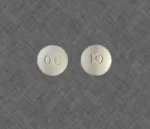
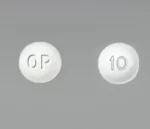
The label also lists the dispensing pharmacy’s name, address, and phone number, along with the National Drug Code (NDC), a unique numerical identifier for the specific drug, strength, and manufacturer. You can use the NDC to verify your medication through resources like Drugs.com, which maintains searchable databases of drug identifiers and appearance details such as pill color, shape, and imprint codes.
Warning Labels and Auxiliary Stickers
Beyond the main label, you’ll usually see small colored stickers with warnings such as:
- “May cause drowsiness. Use care when driving or operating machinery.”
- “Do not drink alcohol while taking this medication.”
- “Take with food if stomach upset occurs.”
- “May be habit-forming.”
- “Swallow whole. Do not crush, chew, or break.” (for extended-release formulations)
These auxiliary warnings aren’t decorative; each one addresses a genuine safety risk documented in clinical research. Ignoring them, particularly the alcohol warning, can have severe consequences. Combining oxycodone with alcohol dramatically increases the risk of respiratory depression, and our guide on mixing oxycodone and alcohol explains exactly why this combination is so dangerous.
Common Abbreviations Found on Oxycodone Labels
Pharmacy shorthand comes from Latin medical terminology, and once you learn the pattern, it becomes much easier to decode. Here are the abbreviations you’re most likely to encounter on an oxycodone prescription label:
- PO – by mouth (per os)
- q4h, q6h, q8h, q12h – every 4, 6, 8, or 12 hours
- prn – as needed (pro re nata)
- bid – twice a day
- tid – three times a day
- qid – four times a day
- hs – at bedtime (hora somni)
- ac – before meals
- pc – after meals
- QTY – quantity dispensed
- DAW – dispense as written (no generic substitution)
- NDC – National Drug Code
If you ever see an abbreviation you don’t recognize, don’t assume. Ask your pharmacist to translate it in plain language before you leave the counter, or call the pharmacy’s consultation line once you get home.
Immediate-Release vs Extended-Release Labels: What’s the Difference?
This distinction deserves its own section because confusing the two formulations is one of the most dangerous label-reading mistakes a patient can make. Immediate-release oxycodone releases its full dose quickly, typically providing relief within 15 to 30 minutes and lasting around 4 to 6 hours. It’s usually labeled for use “as needed” (prn) for breakthrough or acute pain.
Extended-release oxycodone, on the other hand, is designed to release medication slowly over roughly 12 hours and is meant to be taken on a fixed schedule, typically twice daily, rather than as needed. The label for extended-release tablets will almost always include a bold warning against crushing, chewing, or dissolving the tablet. Doing so destroys the time-release mechanism and can dump the entire 12-hour dose into your bloodstream at once, which has been linked to fatal overdoses.
If you’ve ever wondered how these formulations compare to combination products, our Complete Oxycodone Resource Center offers a broader overview of how different oxycodone products work, including dosing forms, onset times, and duration of action.
Understanding Oxycodone Combination Products
Many prescriptions for oxycodone actually contain a second active ingredient, most commonly acetaminophen (as in Percocet) or occasionally ibuprofen. These combination labels require extra attention because they carry a second set of dosing limits and warnings.
Oxycodone and Acetaminophen
Acetaminophen has a hard daily ceiling, generally 3,000 to 4,000 mg for adults depending on individual liver health, and exceeding it can cause serious liver damage. Combination labels typically state the maximum number of tablets allowed in 24 hours specifically to prevent accidental acetaminophen overdose, not just to control the oxycodone dose. If you’re taking any over-the-counter cold or flu medication alongside your prescription, check the ingredients carefully since many contain hidden acetaminophen. Our comparison of Percocet vs Oxycodone covers this risk in more depth.
Oxycodone and Ibuprofen
Some newer combination products pair oxycodone with ibuprofen instead of acetaminophen, which changes the warning profile to include gastrointestinal and kidney-related precautions rather than liver concerns. If your label lists this combination, our article on the oxycodone and ibuprofen combination for pain management walks through the specific safety considerations involved.
Decoding DEA Schedule II Requirements on Labels
Because oxycodone is classified as a Schedule II controlled substance under the Controlled Substances Act, its label and dispensing rules differ from those of ordinary prescription drugs. Here’s what that classification means in practice for your label:
- No automatic refills: Even if your bottle previously allowed refills, oxycodone prescriptions almost never do. Each fill generally requires a brand-new written or electronic prescription.
- Quantity limits: Many states cap the initial supply for acute pain at 5 to 7 days, so don’t be surprised if your first fill is smaller than expected.
- Early refill restrictions: Pharmacies typically won’t fill a new prescription more than a day or two before your current supply should run out, due to both insurance rules and controlled substance monitoring programs.
- Prescription Drug Monitoring Program (PDMP) tracking: Your prescription is logged in a statewide database that tracks controlled substance fills across pharmacies, which helps prevent duplicate prescriptions from multiple providers.
Understanding these rules ahead of time can save you a stressful trip to the pharmacy when you assume a refill will be automatic and discover it isn’t.
How to Read Warning Labels for Interactions and Side Effects
Beyond the main dosing instructions, your pharmacist will attach warning stickers addressing known drug interactions and side effects specific to your health profile. Reading these carefully is just as important as reading the dosage line itself.
Sedation and CNS Depressant Warnings
Because oxycodone depresses the central nervous system, combining it with other sedating substances multiplies the risk of dangerously slowed breathing. If you’re prescribed muscle relaxants, benzodiazepines, or even certain antihistamines, your label may carry an additional interaction warning. For example, patients taking a muscle relaxant alongside oxycodone should review our guide on whether Flexeril and oxycodone can safely be combined for muscle pain, while those using an antihistamine for allergies or sleep should check our article on oxycodone and Benadryl before combining the two.
Interactions With Mental Health Medications
Antidepressants, particularly SSRIs like escitalopram, can interact with opioids and increase the risk of a rare but serious condition called serotonin syndrome. If your label or medication guide mentions a possible interaction with an antidepressant, our detailed breakdown of Lexapro and oxycodone explains what symptoms to watch for and how doctors typically manage this combination.
Interactions With Sleep Aids
Some patients take melatonin or other over-the-counter sleep aids alongside their pain medication. While melatonin is generally considered low-risk compared to prescription sedatives, it’s still worth understanding how it interacts with opioids. Our article on oxycodone and melatonin for pain relief covers this specific combination in detail.
Nerve Pain Adjuncts
If your doctor has prescribed gabapentin alongside oxycodone for nerve-related pain, your label may include an additional sedation warning since both drugs can cause drowsiness. Learn more about this specific pairing in our guide to taking oxycodone and gabapentin together safely.
Cardiovascular Considerations
Patients with blood pressure concerns sometimes wonder whether oxycodone affects their readings. If you have hypertension or take blood pressure medication, it’s worth reviewing our explainer on whether oxycodone lowers blood pressure and what precautions to take.
Common Mistakes People Make Reading Oxycodone Labels
Even careful, well-intentioned patients misread labels more often than you’d expect. Here are the mistakes pharmacists see most frequently:
- Confusing “every 4-6 hours” with a fixed schedule. This phrasing typically means you may take the next dose after the minimum interval has passed, not that you must take it exactly on schedule.
- Ignoring the maximum daily dose. Just because a dose is available “as needed” doesn’t mean it’s safe to take back-to-back without limit.
- Crushing extended-release tablets. As covered earlier, this can cause a fatal dose dump.
- Overlooking combination ingredients. Patients sometimes don’t realize their tablet also contains acetaminophen, then unknowingly take additional acetaminophen-containing products and risk liver toxicity.
- Assuming refills are automatic. As a Schedule II drug, oxycodone almost never allows automatic refills, surprising patients who expect otherwise.
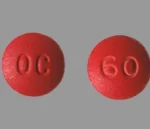
- Not checking the pill’s physical appearance against the label. If your tablet doesn’t match the imprint, color, or shape described for that NDC, it could indicate a dispensing error.
What to Do If Something on Your Label Seems Unclear
If any part of your oxycodone prescription label doesn’t make sense, don’t guess and don’t wait. Here’s the order of steps most healthcare professionals recommend:
- Ask the pharmacist at pickup. Pharmacists are legally required to offer counseling on new prescriptions and are usually the fastest, most accessible resource.
- Call the pharmacy’s consultation line. If you’re already home and something seems off, most pharmacies have a dedicated line for medication questions.
- Contact your prescribing doctor’s office. If the confusion involves why the medication was prescribed or how it fits your treatment plan, your prescriber’s office can clarify intent.
- Use a trusted reference source. Sites like WebMD or Mayo Clinic provide general drug information, though they should never replace advice from your own pharmacist or doctor for your specific situation.
For a broader look at everyday safety habits once you get your prescription home, our Safe Use of Oxycodone at Home guide walks through storage, dosing routines, and warning signs to monitor.
Storing and Disposing of Oxycodone Safely
Your label may also include storage instructions, such as “store at room temperature” or “keep away from moisture,” but there’s more to safe storage than the label alone conveys. Because oxycodone is a controlled substance with high abuse potential, the Drug Enforcement Administration and most healthcare organizations recommend the following:
- Store tablets in a locked cabinet or lockbox, especially in homes with teenagers or curious children.
- Never store oxycodone in a shared medicine cabinet accessible to guests or house cleaners.
- Keep the medication in its original labeled container so the dosing instructions stay with the pills.
- Dispose of unused tablets promptly through a pharmacy take-back program or authorized drop box rather than throwing them in household trash.
- If no take-back option is available, mix tablets with an unpalatable substance like coffee grounds or cat litter, seal in a bag, and discard in household trash, following FDA flush-list guidance for certain high-risk opioids if take-back isn’t possible.
Special Considerations on Oxycodone Labels
Pregnancy and Breastfeeding
If you’re pregnant or breastfeeding, your prescriber may add special notations or counsel you separately about risks to the fetus or infant, including neonatal opioid withdrawal syndrome. Our in-depth guide on oxycodone in pregnancy explains these risks and what alternatives or precautions doctors typically recommend.
Postpartum and Post-Surgical Pain
Patients recovering from a C-section or other surgery are often prescribed short-term oxycodone courses, and the label will usually reflect a tighter dosing window and smaller total quantity than a chronic pain prescription. If you’re recovering from delivery, our article on oxycodone after a C-section covers what to expect from both the medication and its labeling during recovery.
Elderly Patients
Older adults often metabolize opioids more slowly, so labels for elderly patients may specify lower starting doses or longer intervals between doses. If you’re a caregiver managing medications for an aging parent, always double-check the dosing frequency against their other prescriptions to avoid dangerous overlaps.
Comparing Oxycodone Labels to Other Opioid Labels
If you’ve been prescribed different opioids over time, you may notice labeling conventions look similar but the specific warnings and maximum doses differ. For instance, our comparisons of codeine vs oxycodone, hydrocodone vs Norco, and oxycodone vs Dilaudid can help you understand how potency, formulation, and labeling differ across common prescription opioids, which is especially useful if you’re switching medications after a dosage adjustment or side effect issue.
When to Contact Your Pharmacist or Doctor Immediately
Certain situations call for immediate action rather than a routine question. Contact your pharmacist or doctor right away if:
- The label’s dosing instructions contradict what your doctor told you verbally.
- The pill’s appearance doesn’t match the description for your prescribed strength.
- You notice signs of an allergic reaction, such as swelling, rash, or difficulty breathing, after your first dose.
- You or a family member experiences excessive drowsiness, confusion, slowed breathing, or bluish lips or fingertips, which can indicate an overdose requiring emergency care.
- You suspect a dispensing error, such as receiving the wrong strength or an unfamiliar generic manufacturer.
When in doubt, treat any label discrepancy as worth a phone call. Pharmacists would much rather answer a quick clarifying question than have a patient guess incorrectly with a Schedule II opioid.
Frequently Asked Questions About Oxycodone Prescription Labels
What does “PRN” mean on an oxycodone prescription label?
“PRN” stands for “pro re nata,” a Latin phrase meaning “as needed.” On an oxycodone prescription label, it indicates that you should take the medication only when necessary for pain relief, within the prescribed interval and maximum daily limit, rather than on a fixed schedule.
Why doesn’t my oxycodone prescription label allow refills?
Oxycodone is a Schedule II controlled substance, and federal and state regulations generally prohibit automatic refills for this drug class. Your prescriber must issue a new prescription for each fill, even if you’re on a long-term treatment plan.
Can I crush my extended-release oxycodone tablet if it’s hard to swallow?
No. Crushing, chewing, or splitting an extended-release oxycodone tablet destroys its time-release mechanism and can cause the full 12-hour dose to enter your bloodstream at once, which has been associated with fatal overdoses. If swallowing whole tablets is difficult, talk to your doctor about alternative formulations rather than altering the tablet yourself.
What should I do if my oxycodone prescription label seems different from my last fill?
Compare the strength, quantity, and instructions carefully, and don’t take the medication until you’re certain the differences are intentional. Manufacturers, generic versions, and even dosing schedules can change between fills, so always confirm any changes with your pharmacist before adjusting your routine.
How do I know if my oxycodone label includes acetaminophen or another combination ingredient?
Check the drug name printed directly on the label. Combination products list both active ingredients, such as “oxycodone/acetaminophen,” along with their individual strengths. If you’re unsure, ask your pharmacist directly, since combination products carry additional dosing limits to prevent complications like liver damage.
Final Thoughts
Reading an oxycodone prescription label carefully isn’t just a bureaucratic formality, it’s a genuine safety practice that protects you from preventable harm. Once you understand how to interpret the drug name, strength, dosing instructions, refill restrictions, and warning stickers, the label transforms from a confusing wall of text into a clear set of instructions you can follow with confidence.
Take a few extra minutes at the pharmacy counter to ask questions, double-check your dose against the maximum daily limit, and never hesitate to call your pharmacist if something doesn’t look right. That small habit can make a real difference in how safely and effectively your pain management plan works.