Health Tips
Oxycodone for Acute Pain: When It’s Used

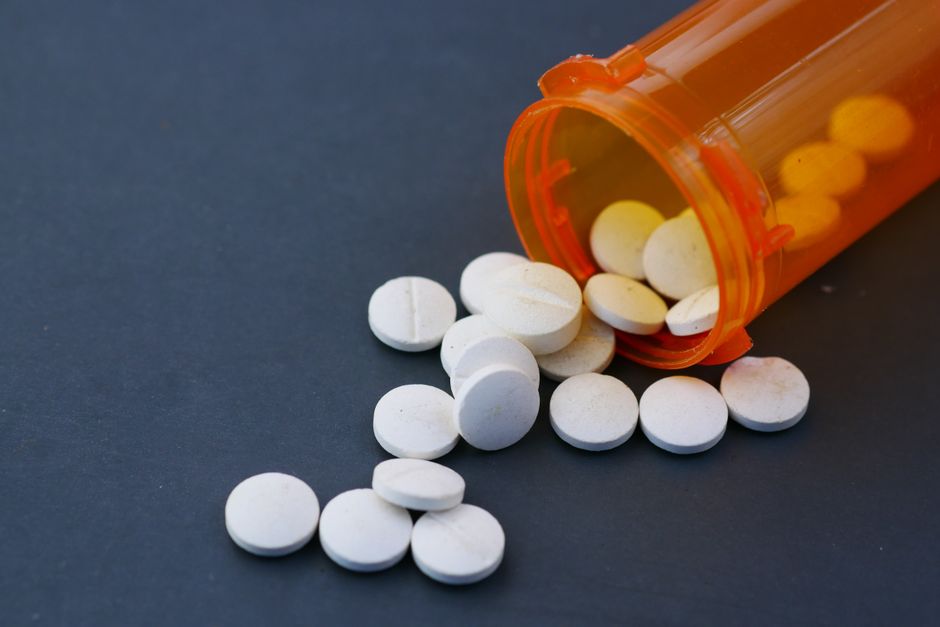
Acute pain can be brutal. Whether it follows surgery, a broken bone, or a severe injury, the intensity often demands more than an over-the-counter pain reliever can offer. This is where oxycodone for acute pain enters the conversation, as it remains one of the most commonly prescribed opioids for short-term, severe pain management in the United States.
In this article, you’ll learn exactly when doctors reach for oxycodone, how it works in the body, what forms it comes in, and how it compares to other pain medications. We’ll also cover dosing considerations, risks, safe use practices, and answers to the questions patients ask most often. If you or a loved one has recently been prescribed this medication, understanding the full picture will help you use it safely and effectively.
What Is Oxycodone?
Oxycodone is a semi-synthetic opioid derived from thebaine, a compound found in the opium poppy. It has been used medically since the early 20th century and remains a cornerstone of moderate-to-severe pain treatment today. You’ll find it marketed under brand names like OxyContin, Roxicodone, and Percocet (when combined with acetaminophen).
As an opioid, oxycodone binds to specific receptors in the brain and spinal cord, altering how the nervous system perceives and responds to pain signals. It doesn’t just dull the sensation of pain, it changes the emotional response to it as well, which is part of why it’s effective for severe discomfort that other medications can’t touch.
For a broader overview of how this medication functions and its general uses, our oxycodone medication guide covers dosage forms, safety tips, and side effects in more depth.
What Counts as Acute Pain?
Before diving into when oxycodone gets prescribed, it helps to understand what “acute pain” actually means. Acute pain is short-term pain that arises suddenly, usually from a specific cause like an injury, surgery, or medical procedure. It’s different from chronic pain, which persists for months or years and often has no single identifiable cause. Acute pain typically resolves as the underlying issue heals, whether that’s a broken bone, a surgical incision, or a dental extraction.
Because acute pain has a clear beginning and an expected endpoint, it’s generally treated more aggressively for a shorter duration. This is one of the key reasons oxycodone is prescribed the way it is for acute situations, short courses at doses matched to the severity of the pain, rather than the long-term daily use sometimes seen with chronic pain management.
Common examples of acute pain include:
- Post-surgical pain (orthopedic surgery, abdominal surgery, dental surgery)
- Traumatic injuries such as fractures, dislocations, or deep lacerations
- Severe back pain from a herniated disc or acute strain
- Kidney stones or other sudden, intense internal pain
- Burns and other significant tissue injuries
- Cancer-related pain flare-ups requiring short-term intensive treatment
When Doctors Typically Prescribe Oxycodone for Acute Pain
Oxycodone isn’t usually a first-line treatment. Most physicians follow a stepwise approach, starting with non-opioid options like acetaminophen or NSAIDs (such as ibuprofen) and moving to opioids only when pain is moderate to severe and doesn’t respond adequately to those options. This is sometimes called the “pain ladder” approach, and it’s designed to minimize opioid exposure while still controlling pain effectively.
Here are some of the most common scenarios where oxycodone gets prescribed:
1. Post-Surgical Recovery
Surgery is one of the leading reasons oxycodone is prescribed. Whether it’s a knee replacement, a cesarean section, or a routine appendectomy, the days immediately following surgery often involve significant pain that can interfere with sleep, mobility, and recovery. Doctors typically prescribe a short course of oxycodone, often just a few days to two weeks, to help patients get through this window comfortably enough to participate in physical therapy, breathe deeply (important after chest or abdominal surgery), and move around to prevent complications like blood clots.
For patients recovering from a cesarean delivery specifically, our article on oxycodone use after a C-section discusses how it’s dosed and what side effects to watch for during that recovery period.
2. Traumatic Injuries
Fractures, severe sprains, and other acute injuries often cause intense pain that peaks in the first 24 to 72 hours. Emergency room physicians and orthopedic specialists frequently prescribe oxycodone for a limited number of days to manage this peak pain period, especially when the injury requires immobilization or is awaiting surgical repair.
3. Dental Procedures
Wisdom tooth extractions, root canals, and other invasive dental work can cause significant discomfort. While many dental patients do well with NSAIDs alone, more complex extractions or procedures involving bone work sometimes warrant a short oxycodone prescription, often just enough for a few days.
4. Kidney Stones
The pain from passing a kidney stone is frequently described as one of the most severe types of acute pain a person can experience. Oxycodone may be prescribed for breakthrough pain relief while the stone passes or until a procedure can be scheduled to remove it.
5. Cancer-Related Pain Flares
While cancer pain is often chronic, patients sometimes experience acute flares, sudden increases in pain intensity, that require fast-acting relief. Immediate-release oxycodone is commonly used in these situations because of how quickly it takes effect.
How Oxycodone Works in the Body
Once ingested, oxycodone is absorbed through the gastrointestinal tract and metabolized primarily by the liver, where enzymes convert it into active metabolites, including oxymorphone. These compounds bind to mu-opioid receptors located throughout the central nervous system.
This receptor binding does two main things. First, it blocks the transmission of pain signals traveling up the spinal cord to the brain. Second, it alters the brain’s emotional processing of pain, which is why patients often report feeling not just less pain but also a sense of calm or even mild euphoria. This second effect is part of what makes opioids effective for severe pain, but it’s also part of what makes them prone to misuse.
Immediate-release oxycodone typically starts working within 15 to 30 minutes and reaches peak effect around one hour after ingestion. Its effects generally last four to six hours, which is why it’s often dosed every four to six hours as needed for acute pain. Extended-release formulations, like OxyContin, are designed to release the medication slowly over 12 hours and are not typically used for acute pain since their slow onset doesn’t match the fast relief needed for sudden, severe pain episodes.
Forms and Formulations of Oxycodone
Oxycodone comes in several forms, each suited to different clinical situations:
- Immediate-release tablets (Roxicodone, generic oxycodone) — used for acute pain and breakthrough pain
- Extended-release tablets (OxyContin) — used for chronic, around-the-clock pain management, not typically for acute pain
- Oral solution — useful for patients who have difficulty swallowing pills
- Combination products — such as Percocet (oxycodone plus acetaminophen) or oxycodone plus ibuprofen combinations, which pair the opioid with a non-opioid analgesic for enhanced pain relief at lower opioid doses
Combination products are particularly common in acute pain settings because pairing oxycodone with a non-opioid like acetaminophen or ibuprofen can improve pain control while allowing for a lower opioid dose. If you’re curious how oxycodone and ibuprofen work together specifically, our guide on the oxycodone and ibuprofen combination breaks down the mechanism and safety considerations.
For a full list of the various brand and generic products available, see our overview of oxycodone brand names used in pain management today.
Typical Dosing for Acute Pain
Dosing is always individualized based on factors like the severity of pain, the patient’s opioid tolerance, age, kidney and liver function, and other medications being taken. That said, general starting doses for opioid-naive adults with acute pain often fall in the range of 5 to 10 mg of immediate-release oxycodone every four to six hours as needed.
Physicians are trained to prescribe the lowest effective dose for the shortest duration necessary. Guidelines from major health organizations, including the Centers for Disease Control and Prevention, recommend that for most acute pain situations, three days or less is often sufficient, and more than seven days is rarely needed. This guidance reflects growing awareness of how quickly opioid tolerance and dependence can develop, even with short-term use.
Patients recovering from more invasive procedures, such as major orthopedic surgery, may receive a slightly longer prescription, but doctors are increasingly cautious about limiting quantities and encouraging a transition to non-opioid pain relievers as soon as it’s medically appropriate.
Oxycodone Compared to Other Pain Medications
Oxycodone isn’t the only opioid used for acute pain, and understanding how it stacks up against alternatives can help patients have more informed conversations with their doctors.
Oxycodone vs. Hydrocodone (Lortab)
Both are commonly prescribed oral opioids for acute pain, but oxycodone is generally considered somewhat more potent on a milligram-for-milligram basis. Our comparison of Lortab vs oxycodone looks at how these two medications differ in strength, side effects, and typical use cases.
Oxycodone vs. Codeine
Codeine is a weaker opioid often used for milder pain or in combination products for cough suppression. Oxycodone is considerably more potent and is reserved for moderate-to-severe pain that codeine can’t adequately address. We cover this comparison in detail in our codeine vs oxycodone article.
Oxycodone vs. Hydromorphone (Dilaudid)
Hydromorphone is significantly more potent than oxycodone and is generally reserved for severe pain in hospital settings or for patients with high opioid tolerance. Our oxycodone vs Dilaudid comparison explains the potency differences and when each might be chosen.
Oxycodone vs. Fentanyl
Fentanyl is far more potent than oxycodone and is typically used in surgical settings, for severe cancer pain, or in patch form for chronic pain management. It’s rarely a first choice for routine acute pain outside of hospital or surgical contexts. Read more in our oxycodone vs fentanyl breakdown.
Common Side Effects
Like all opioids, oxycodone comes with a predictable side effect profile. Most patients experience at least mild versions of these, especially when starting the medication:
- Drowsiness or sedation
- Nausea and vomiting
- Constipation (often the most persistent side effect)
- Dizziness or lightheadedness
- Dry mouth
- Itching
- Mild confusion, particularly in older adults
Constipation deserves special mention because, unlike many other side effects, it doesn’t typically improve with continued use. Patients on oxycodone for more than a few days are often advised to use a stool softener or increase fiber and fluid intake proactively rather than waiting for symptoms to develop.
Serious Risks and Warnings
Beyond the common side effects, oxycodone carries more serious risks that patients need to understand, particularly around respiratory depression, dependence, and interactions with other substances.
Respiratory Depression
Opioids slow down breathing by acting on the brainstem’s respiratory control centers. At high doses, or when combined with other sedating substances like alcohol, benzodiazepines, or sleep aids, this effect can become dangerous or even fatal. This is one of the primary reasons oxycodone carries a black box warning, the strongest warning the FDA issues for prescription medications.
To understand exactly what these warnings mean and why they exist, our detailed article on oxycodone’s black box warnings is worth reading before starting treatment.
Dependence and Withdrawal
Even when used exactly as prescribed for a short acute pain episode, the body can begin to develop physical dependence within just a few days to a couple of weeks. This is different from addiction, dependence simply means the body has adapted to the presence of the drug, and stopping suddenly can cause withdrawal symptoms like anxiety, sweating, muscle aches, and gastrointestinal upset. Doctors typically taper patients off oxycodone gradually if they’ve been on it for more than a week or two, rather than stopping abruptly.
Interactions With Other Medications
Oxycodone can interact with a wide range of medications, some of which are quite common. For example:
- Combining oxycodone with certain antidepressants like Lexapro requires caution due to the risk of serotonin syndrome and increased sedation.
- Muscle relaxants such as Flexeril combined with oxycodone can amplify sedation and respiratory depression risk.
- Nerve pain medications like gabapentin paired with oxycodone have been specifically flagged by the FDA for increased respiratory depression risk.
- Even over-the-counter sleep aids containing diphenhydramine (Benadryl) can compound sedative effects when taken alongside oxycodone.
- Sleep-regulating supplements like melatonin are generally considered lower risk but still worth discussing with a physician.
Always disclose your full medication list, including over-the-counter drugs and supplements, to your prescribing doctor and pharmacist before starting oxycodone.
Safe Use Practices for Acute Pain
Using oxycodone safely during an acute pain episode comes down to a handful of consistent habits:
- Take it exactly as prescribed. Don’t adjust the dose or frequency on your own, even if pain persists.
- Never combine it with alcohol. Alcohol dramatically increases the risk of dangerous respiratory depression.
- Store it securely. Keep it out of reach of children and away from anyone who might misuse it, including guests or family members.
- Don’t drive or operate machinery until you know how the medication affects you, drowsiness and impaired coordination are common, especially in the first few doses.
- Manage constipation proactively with fiber, fluids, and, if recommended, a stool softener.
- Dispose of unused medication properly once your pain resolves, rather than keeping it in the medicine cabinet indefinitely.
For a more comprehensive walkthrough of at-home safety practices, our guide to safe oxycodone use at home covers storage, disposal, and monitoring for warning signs in detail. And if you want to understand exactly what’s printed on your prescription bottle, our article on reading oxycodone prescription labels can help you decode dosing instructions and refill information.
Signs You Should Contact Your Doctor
While mild side effects are expected, certain symptoms warrant a call to your healthcare provider or, in severe cases, emergency care:
- Slow, shallow, or difficult breathing
- Extreme drowsiness or difficulty waking up
- Confusion or disorientation beyond mild grogginess
- Severe constipation that doesn’t respond to over-the-counter remedies
- Signs of an allergic reaction, such as swelling, hives, or difficulty breathing
- Pain that isn’t adequately controlled despite taking the medication as directed
If you ever suspect an overdose, either your own or someone else’s, seek emergency medical attention immediately. Naloxone, an opioid-reversal medication, can be lifesaving if administered promptly.
Transitioning Off Oxycodone After Acute Pain Resolves
One of the most important parts of using oxycodone responsibly is knowing how and when to stop. For most acute pain situations, this happens naturally as the underlying injury or surgical site heals and pain intensity decreases. Doctors often recommend a stepwise reduction, gradually spacing out doses, lowering the amount taken, or switching to non-opioid alternatives like acetaminophen or NSAIDs as pain improves.
If you’ve only been on oxycodone for a few days, stopping is usually straightforward and unlikely to cause significant withdrawal symptoms. However, if treatment has extended beyond one to two weeks, a gradual taper supervised by your doctor is the safer approach. Attempting to quit abruptly after extended use can trigger uncomfortable withdrawal symptoms, even if physical dependence hasn’t progressed to addiction.
According to the Mayo Clinic, patients recovering from surgery or injury should aim to use opioids for the shortest duration possible and communicate openly with their care team about pain levels so dosing can be adjusted, or reduced, as recovery progresses.
Special Considerations for Certain Populations
Older Adults
Older patients often metabolize medications more slowly and may be more sensitive to sedative and respiratory effects. Doctors typically start with lower doses and monitor more closely for confusion, falls, or excessive drowsiness in this population.
Patients With Kidney or Liver Disease
Since oxycodone is metabolized in the liver and its metabolites are cleared by the kidneys, patients with impaired liver or kidney function may need reduced doses or longer intervals between doses to avoid accumulation and increased side effect risk.
Pregnant or Breastfeeding Patients
Oxycodone crosses the placenta and can be present in breast milk, so its use during pregnancy or while nursing requires careful risk-benefit discussion with a physician. It’s generally avoided unless the benefits clearly outweigh potential risks to the infant.
Patients With a History of Substance Use Disorder
For patients with a personal or family history of substance misuse, doctors may choose alternative pain management strategies where possible, or use oxycodone with extra precautions, such as shorter prescription durations and closer follow-up.
Non-Opioid Alternatives Worth Discussing
Not every acute pain situation requires an opioid, and many can be managed effectively, or in combination with lower opioid doses, using other approaches:
- NSAIDs like ibuprofen or naproxen, which reduce inflammation alongside pain
- Acetaminophen, which can be combined with opioids or used alone for milder pain
- Nerve pain medications such as gabapentin or amitriptyline for certain types of nerve-related acute pain; our comparison of gabapentin vs amitriptyline explores this further
- Physical therapy and ice/heat therapy for musculoskeletal injuries
- Local or regional anesthesia for certain surgical or dental procedures
Discussing a multimodal pain management plan with your doctor, one that combines several lower-risk strategies, can often reduce the total opioid dose needed while still achieving effective pain control.
Frequently Asked Questions
How long does oxycodone stay in your system?
Oxycodone has a half-life of roughly 3 to 5 hours in most adults, meaning it’s largely cleared from the bloodstream within about a day. However, it can still be detected in urine drug tests for up to three or four days after the last dose, depending on individual metabolism and dosage.
Can I drink coffee or caffeinated drinks while taking oxycodone?
Caffeine doesn’t have a dangerous interaction with oxycodone, and some patients find it helps counteract the drowsiness the medication causes. That said, it won’t offset the sedative effects entirely, so caution around driving or operating machinery still applies.
Is it normal to still have pain even while taking oxycodone?
Yes, oxycodone reduces pain but doesn’t necessarily eliminate it entirely, especially with severe injuries or major surgery. If pain feels inadequately controlled, contact your doctor rather than increasing your dose on your own; they may adjust your prescription or add a complementary medication.
What’s the difference between immediate-release and extended-release oxycodone for acute pain?
Immediate-release formulations are almost always used for acute pain because they act quickly and wear off within a few hours, matching the unpredictable, short-term nature of acute pain. Extended-release versions are designed for continuous, around-the-clock pain control and aren’t well suited to acute situations where pain intensity fluctuates.
Can oxycodone be taken on an empty stomach?
It can, but many patients experience less nausea when taking it with food. If nausea becomes a problem, try taking your dose alongside a small snack or meal, unless your doctor has advised otherwise.
Final Thoughts
Oxycodone remains one of the most effective tools available for managing moderate-to-severe acute pain, whether that pain stems from surgery, injury, or a sudden medical event like a kidney stone. Its strength lies in how quickly and effectively it can bring pain under control during those critical early days of recovery. But that same strength comes with real responsibility, understanding proper dosing, watching for side effects, avoiding dangerous interactions, and having a clear plan for tapering off once the acute pain resolves.
If you’ve been prescribed oxycodone for an acute pain episode, take the time to ask your doctor or pharmacist questions, read the information provided with your prescription, and keep an open line of communication about how well the medication is working. For a deeper dive into everything from dosing charts to long-term safety, our complete oxycodone resource center and patient handbook are excellent starting points for further reading. Used correctly and for the right duration, oxycodone can make a genuinely difficult recovery period far more manageable, safely and effectively.