Health Tips
Oxycodone Information for Ohio Patients: Laws, Prescriptions, and Safety Guide

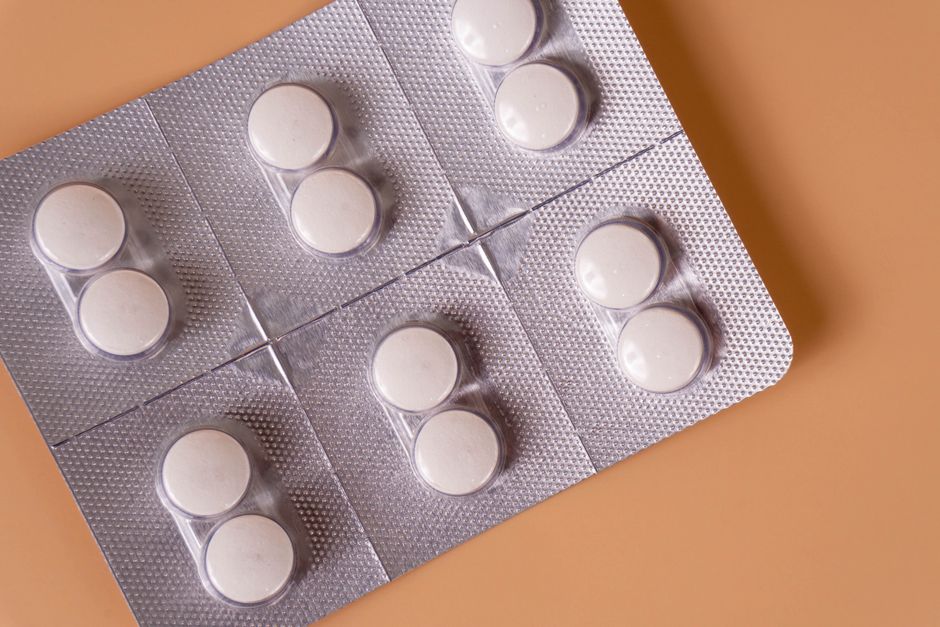
Ohio has some of the strictest prescription opioid rules in the country, and if you take oxycodone for pain management, those rules directly affect how you get your medication, how much you receive, and how often you need to see your doctor. Understanding oxycodone Ohio regulations can save you from unnecessary trips to the pharmacy, denied refills, or confusing conversations with your provider. This guide walks through what Ohio patients specifically need to know, from state prescribing limits to safety practices, disposal rules, and where to turn if you have questions about your treatment.
By the end of this article, you will understand how Ohio’s opioid laws shape your prescription experience, what your pharmacist and doctor are required to do before dispensing oxycodone, and how to use the medication safely while reducing your risk of complications or dependence.
What Is Oxycodone?
Oxycodone is a semi-synthetic opioid painkiller prescribed for moderate to severe pain. It works by binding to opioid receptors in the brain and spinal cord, changing how the body perceives pain signals. Doctors prescribe it after surgery, for injury-related pain, or for chronic pain conditions that have not responded well to non-opioid treatments.
It comes in several forms, including immediate-release tablets, extended-release tablets (such as OxyContin), and combination products like oxycodone with acetaminophen (Percocet). Ohio patients will notice that immediate-release oxycodone is typically dispensed in smaller quantities than in years past, largely because of state-level prescribing restrictions discussed below.
If you are new to this medication or want a broader overview of dosing options, the oxycodone strengths guide breaks down the differences between 5 mg, 10 mg, 15 mg, 20 mg, and 30 mg tablets.
Oxycodone Regulations in Ohio
Ohio classifies oxycodone as a Schedule II controlled substance under both federal and state law. This classification reflects its high potential for misuse alongside its recognized medical value. Because of that classification, Ohio pharmacies and prescribers follow additional documentation and monitoring steps beyond what applies to less restricted medications.
Ohio was one of the states hit hardest by the opioid crisis in the 2010s, and lawmakers responded with some of the most detailed opioid prescribing rules in the nation. These rules were designed to reduce overprescribing while still allowing patients with legitimate pain needs to get treatment. As a result, Ohio patients today may notice more paperwork, shorter prescription durations, and more frequent check-ins compared to patients in states with looser opioid laws.
Ohio’s Prescribing Limits for Acute Pain
Ohio law limits opioid prescriptions for acute pain, meaning short-term pain from an injury, surgery, or procedure, to a seven-day supply for adults and a five-day supply for minors. This limit applies to the initial prescription only; it does not apply to chronic pain, cancer pain, palliative care, or medication-assisted treatment for opioid use disorder.
There are exceptions built into the rule. A prescriber can exceed the seven-day limit if they document a specific reason in the patient’s medical record, such as a complex surgical recovery or a condition that reasonably requires a longer course of opioid therapy. However, in practice, many Ohio doctors default to the shorter supply and reassess pain levels at a follow-up visit before writing additional prescriptions.
OARRS: Ohio Automated Rx Reporting System
Ohio operates a prescription drug monitoring program called OARRS, the Ohio Automated Rx Reporting System. Every time a pharmacy dispenses a controlled substance like oxycodone, that transaction gets logged into the OARRS database. Prescribers and pharmacists can (and in many cases must) check this database before prescribing or dispensing opioids.
For patients, this means your prescriber will likely review your OARRS report before writing a new oxycodone prescription, especially if you are a new patient or have not been seen recently. The system tracks prescriptions across all pharmacies and prescribers in the state, which helps prevent duplicate prescriptions from multiple providers. If you have recently moved to Ohio from another state, be aware that your prior prescription history may not automatically appear in OARRS, so bringing your medical records and a list of current medications to your first appointment is a smart move.
Electronic Prescribing Requirements
Ohio requires most controlled substance prescriptions, including oxycodone, to be submitted electronically rather than on paper. This rule reduces prescription fraud and forgery, which was a significant problem during the peak years of the opioid epidemic. If your doctor’s office still uses paper prescriptions for other medications, don’t be surprised if oxycodone prescriptions are handled differently, sent directly and electronically to your chosen pharmacy.
Getting an Oxycodone Prescription in Ohio
Getting oxycodone prescribed in Ohio generally involves more structure than getting a prescription for a non-controlled medication. Here is what the process typically looks like.
Who Can Prescribe Oxycodone in Ohio
Physicians, physician assistants, and advanced practice registered nurses (including nurse practitioners) can prescribe oxycodone in Ohio, provided they hold the appropriate DEA registration and any required Ohio-specific certificate to prescribe controlled substances. Dentists and podiatrists can also prescribe it within the scope of their practice, such as after a surgical extraction or foot procedure.
Pain management specialists, orthopedic surgeons, and oncologists are among the most common prescribers for longer-term oxycodone therapy, particularly for chronic or cancer-related pain. Primary care providers can prescribe it too, but many have become more cautious about writing opioid prescriptions for chronic pain without specialist involvement, largely a byproduct of increased scrutiny following Ohio’s opioid crisis.
Telehealth Rules for Controlled Substances
Telehealth has become a common way to access medical care in Ohio, but prescribing controlled substances like oxycodone through telehealth comes with extra restrictions. Generally, a prescriber needs to have an established relationship with the patient, which usually means at least one in-person evaluation, before prescribing a Schedule II opioid via telehealth for anything beyond a very limited circumstance.
These rules exist at both the federal and state level and have shifted somewhat since the COVID-19 public health emergency flexibilities expired. If you are hoping to manage chronic pain through a telehealth-only provider, ask directly whether they can legally prescribe oxycodone in Ohio, because many virtual-only clinics cannot.
Insurance and Medicaid Coverage in Ohio
Most private insurance plans and Ohio Medicaid managed care plans cover oxycodone, but coverage often comes with utilization management tools such as prior authorization, quantity limits, or step therapy requirements (meaning you may need to try a non-opioid option first). Extended-release formulations tend to face more scrutiny than immediate-release tablets because of their higher street value and misuse potential.
If your prescription gets rejected at the pharmacy counter, ask your pharmacist for the specific rejection code. Common reasons include exceeding a quantity limit, needing prior authorization, or refill-too-soon rejections tied to OARRS reporting timelines. Your prescriber’s office can usually resolve these issues by submitting additional documentation to your insurer.
Oxycodone Strengths and Dosage Considerations
Oxycodone is available in a range of strengths, and Ohio prescribers are required to select the lowest effective dose for the shortest necessary duration whenever possible, consistent with state guidelines. Immediate-release tablets commonly come in 5 mg, 10 mg, 15 mg, 20 mg, and 30 mg strengths, while extended-release versions are dosed differently and taken less frequently throughout the day.
If you are trying to understand how your specific dose compares to typical starting doses, the oxycodone dosage chart offers a general educational overview of how dosing is typically structured. This should never replace your prescriber’s specific instructions, but it can help you understand the reasoning behind dose adjustments.
It also helps to understand how long oxycodone stays active in your system, particularly if you’re combining it with other medications or trying to time doses around activities like driving or work. The oxycodone half-life explainer covers how the drug is metabolized and cleared from the body.
Safety Considerations for Ohio Patients
Taking oxycodone safely requires more than just following the dosage on the label. Ohio’s public health data shows opioids remain a leading cause of overdose deaths in the state, which is why understanding both common and serious side effects matters.
Common Side Effects to Watch For
Most patients experience at least one side effect when starting oxycodone, even at a correctly prescribed dose. These effects often improve within the first several days as the body adjusts, but some persist throughout treatment.
- Nausea and stomach upset, especially with initial doses
- Constipation, which tends to be persistent throughout treatment
- Drowsiness or difficulty concentrating
- Itching or mild skin reactions
- Sweating, even without physical exertion
- Dizziness, particularly when standing up quickly
If nausea becomes a significant problem, the article on managing oxycodone-related nausea offers practical strategies that many patients find helpful. Similarly, if you notice unusual sweating, the guide on oxycodone and sweating explains why this happens and when it warrants a call to your doctor.
Itching is another frequently reported issue, and it’s not always related to a true allergy. The piece on why oxycodone causes itching walks through the difference between a histamine reaction and a real allergic response, which is an important distinction for your medical records.
Some patients also report ringing in the ears or changes in blood pressure while taking oxycodone. These are less common but worth discussing with your provider if they occur; you can read more in the articles covering oxycodone and tinnitus and oxycodone’s effect on blood pressure. Occasionally, patients also notice a change in urine color while on the medication, which is generally harmless but understandably alarming if you’re not expecting it; the guide on oxycodone and urine color changes explains the likely causes.
Serious Warning Signs
While mild side effects are common, some symptoms require immediate medical attention. Call 911 or go to the nearest emergency room if you or someone taking oxycodone experiences:
- Slow, shallow, or stopped breathing
- Blue-tinged lips or fingertips
- Extreme drowsiness or inability to wake up
- Confusion or slurred speech that seems out of character
- Pinpoint pupils combined with unresponsiveness
These are hallmark signs of an opioid overdose, and Ohio’s high overdose rate makes this knowledge especially important for patients and their families. Naloxone, sold under brand names like Narcan, can reverse an opioid overdose temporarily and is available without a prescription at most Ohio pharmacies under a statewide standing order. If you or a family member takes oxycodone regularly, it’s worth keeping naloxone on hand, even if it never gets used.
Storage and Disposal Requirements
Ohio law and pharmacy board guidance encourage patients to store controlled substances securely, ideally in a locked box or cabinet, away from children, guests, and anyone who might misuse the medication. This isn’t just a suggestion; unsecured prescription opioids are one of the most common ways teens and young adults first access opioids, often from a family member’s medicine cabinet.
When it comes to disposing of unused oxycodone, Ohio participates in the national Drug Enforcement Administration take-back initiative, and many local police departments, pharmacies, and hospitals host permanent drug drop-box locations year-round. You can typically find the nearest drop-off location through your local sheriff’s office or by asking your pharmacist directly. If a take-back location isn’t accessible, the FDA recommends mixing leftover pills with an unappealing substance like used coffee grounds or cat litter, sealing them in a bag, and placing them in household trash, only as a last resort.
Avoiding Dangerous Drug Interactions
Oxycodone can interact dangerously with several other substances, and Ohio pharmacists are trained to flag these combinations when they show up in your prescription profile. The most concerning interactions include:
- Benzodiazepines (such as Xanax, Valium, or Ativan), which combined with opioids significantly increase the risk of fatal respiratory depression
- Alcohol, which amplifies sedation and breathing suppression
- Other opioid pain medications or cough suppressants containing opioids
- Certain muscle relaxants and sleep medications
Always tell every prescriber and pharmacist about all medications you’re taking, including over-the-counter drugs and supplements. This is especially important in Ohio, where OARRS may flag combinations automatically, sometimes leading to a phone call from your pharmacist before they’ll fill the prescription. For a broader look at oxycodone safety and general information, the complete oxycodone resource center is a useful reference point covering topics beyond what’s discussed here.
Understanding Addiction Risk and Ohio’s Opioid Crisis
Ohio has experienced one of the most severe opioid crises of any state, and the ripple effects continue to shape how doctors, pharmacists, and lawmakers approach prescription opioids like oxycodone. According to data tracked by public health researchers, Ohio has consistently ranked among the top states for opioid-related overdose deaths over the past decade, though rates have shown some improvement in recent years due to expanded treatment access and naloxone distribution.
This context matters for patients because it explains why Ohio’s prescribing environment feels more cautious than it might in other states. Doctors aren’t trying to withhold pain relief; they’re operating within a legal and professional framework built specifically to prevent the kind of overprescribing that contributed to the crisis in the first place.
Physical dependence and addiction are not the same thing, though the terms often get confused. Dependence means your body has adapted to the presence of the drug and may produce withdrawal symptoms if you stop abruptly; this can happen even when the medication is used exactly as prescribed. Addiction, or opioid use disorder, involves compulsive use despite negative consequences and is a distinct medical condition. Warning signs of developing opioid use disorder include:
- Taking more than prescribed or running out early consistently
- Feeling unable to function without the medication
- Seeking prescriptions from multiple doctors (a practice OARRS is specifically designed to catch)
- Continuing use despite it causing problems at work, home, or in relationships
- Strong cravings or preoccupation with getting more medication
If you notice these patterns in yourself or a loved one, talk to your prescriber honestly. Ohio has significantly expanded access to medication-assisted treatment programs using buprenorphine or methadone, and most areas of the state now have same-day or near-same-day access to treatment intake, a dramatic improvement from just a few years ago.
What to Do in Common Situations
Certain situations come up often enough with oxycodone that it’s worth knowing what to do before they happen rather than scrambling for answers in the moment.
If You Miss a Dose
Missing a dose of oxycodone isn’t usually an emergency, but how you handle it depends on your specific dosing schedule and whether you take an immediate-release or extended-release version. The guide on what happens if you miss an oxycodone dose walks through the general approach, though your prescriber’s specific instructions should always take priority.
If You Accidentally Take an Extra Dose
Accidentally doubling up on a dose is a common and understandably frightening mistake. The severity depends on the strength of the tablets, your tolerance, and whether you’ve combined it with other sedating substances. The article on what to do if you accidentally take two oxycodone pills outlines the warning signs to watch for and when to seek medical help. When in doubt, Ohio residents can call the Poison Control hotline for immediate guidance rather than waiting to see what happens.
If Your Prescription Runs Out Early
Because Ohio limits initial acute pain prescriptions to a seven-day supply, some patients find themselves without medication before their pain has fully resolved. Rather than seeking pills from another source, which OARRS is specifically designed to detect and flag, contact your prescriber’s office. Most practices can schedule a follow-up appointment quickly if your pain requires ongoing treatment, and this documentation also protects you and your provider from any confusion about your treatment plan.
Where to Get Help in Ohio
Ohio has invested heavily in resources for both pain management support and opioid use disorder treatment. If you need assistance beyond what your prescriber provides, consider these options:
- Ohio Board of Pharmacy: Handles licensing questions and can clarify pharmacy-related concerns about controlled substance dispensing.
- OARRS patient request: Ohio patients can request their own OARRS report to review their prescription history, which is useful if you believe there’s an error or if you’re switching providers.
- Ohio Crisis Text Line and helplines: Available for anyone struggling with substance use or mental health concerns related to opioid treatment.
- Local health departments: Many county health departments distribute free naloxone kits and offer education on safe medication storage and disposal.
For general medical information about oxycodone that applies regardless of state, resources like Drugs.com and Mayo Clinic provide detailed, medically reviewed drug information that can supplement what your doctor tells you. These sites are not a substitute for your prescriber’s guidance but can help you prepare informed questions for your next appointment.
It’s also worth understanding that opioid laws vary significantly from state to state, which is why Ohio’s rules look different from neighboring states. If you split time between states or are considering a move, the article on why prescription drug laws vary by state explains the broader legal landscape behind these differences.
Frequently Asked Questions
Is oxycodone legal to prescribe in Ohio?
Yes, oxycodone is legal to prescribe in Ohio when issued by a licensed provider with appropriate DEA registration. It’s classified as a Schedule II controlled substance, meaning it has recognized medical uses but also carries a high potential for misuse, which is why Ohio applies additional prescribing and monitoring requirements.
How many days’ supply of oxycodone can a doctor prescribe in Ohio?
For acute pain, Ohio law generally limits initial opioid prescriptions to a seven-day supply for adults and five days for minors. This limit doesn’t apply to chronic pain, cancer treatment, palliative care, or medication-assisted treatment, and prescribers can exceed it with documented medical justification.
What is OARRS and does it affect my prescription?
OARRS, the Ohio Automated Rx Reporting System, is the state’s prescription drug monitoring database. It tracks controlled substance prescriptions across pharmacies and prescribers statewide. Your doctor will likely check this system before prescribing oxycodone, and it can affect how quickly you’re able to refill a prescription, particularly if the system flags an early refill or an overlapping prescription.
Can I get an oxycodone prescription through telehealth in Ohio?
It’s possible but limited. Most Ohio telehealth providers need an established in-person relationship with you before legally prescribing a Schedule II opioid like oxycodone. Purely virtual clinics without any in-person component typically cannot prescribe it, so confirm this directly with any telehealth service before relying on it for ongoing pain management.
Where can I safely dispose of unused oxycodone in Ohio?
Ohio has permanent drug take-back drop boxes at many pharmacies, police stations, and hospitals throughout the state. Your local pharmacy or sheriff’s office can direct you to the nearest location. If no take-back option is available, mixing pills with an unpalatable substance and disposing of them in household trash is an acceptable last resort.
Final Thoughts
Ohio’s oxycodone regulations reflect the state’s hard-earned lessons from the opioid crisis, and while the added steps like OARRS checks, electronic prescribing, and supply limits can feel like extra hurdles, they exist to keep patients safer overall. Understanding how these rules work, from getting your initial prescription to storing and disposing of leftover medication properly, puts you in a much stronger position to manage your pain treatment confidently and safely.
If anything about your prescription feels unclear, don’t hesitate to ask your doctor or pharmacist directly. Ohio’s healthcare providers are accustomed to these questions, and getting clear answers upfront is far better than running into confusion at the pharmacy counter or, worse, running out of medication unexpectedly.