Health Tips
Oxycodone Information for Pennsylvania Patients: What You Should Know About Laws, Prescriptions, and Safety

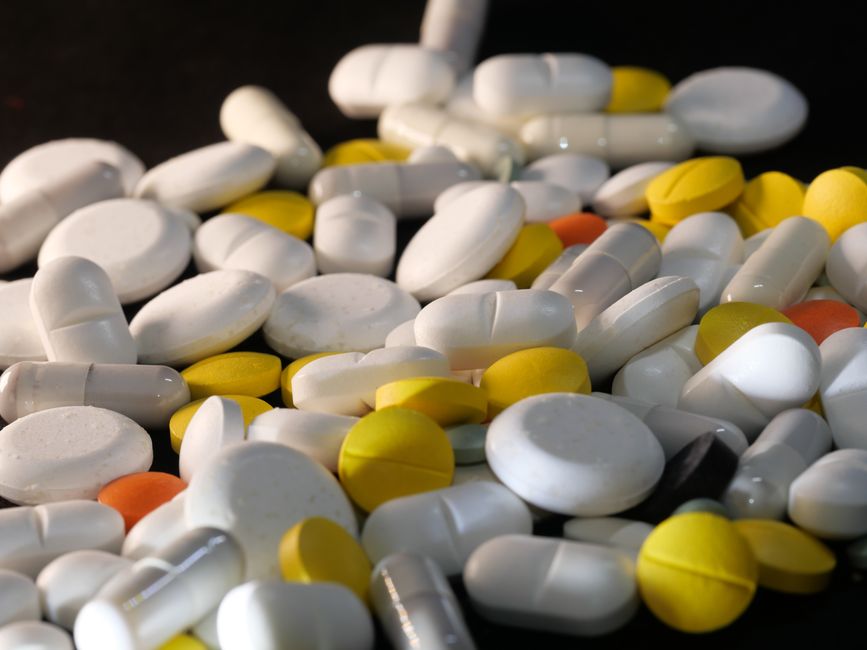
If you or a family member has been prescribed oxycodone in Pennsylvania, you probably have questions that go beyond the pharmacy label. Pennsylvania has its own set of prescribing rules, monitoring programs, and pharmacy requirements that shape how this medication gets prescribed, filled, and refilled across the state. This guide walks through everything Pennsylvania patients need to know about oxycodone, from the state’s prescription drug monitoring program to safe storage, drug interactions, and what to do if a prescription runs out early.
Understanding oxycodone Pennsylvania rules matters because the state has tightened opioid prescribing significantly over the past several years in response to the opioid crisis. Patients who don’t know the rules sometimes get caught off guard at the pharmacy counter or during a routine refill. By the end of this article, you’ll understand how oxycodone is regulated in Pennsylvania, what your doctor and pharmacist are required to do, and how to use this medication as safely as possible.
What Is Oxycodone and Why Is It Prescribed?
Oxycodone is a semi-synthetic opioid used to treat moderate to severe pain. It works by binding to opioid receptors in the brain and spinal cord, which changes how the body perceives and responds to pain signals. Doctors prescribe it after surgery, for cancer-related pain, for serious injuries, and sometimes for chronic pain conditions that haven’t responded to other treatments.
You’ll find oxycodone under several brand names, including OxyContin (extended-release) and Roxicodone (immediate-release). It’s also combined with acetaminophen in products like Percocet. Each formulation has a different release profile, and that matters a lot for both effectiveness and safety.
For a broader overview of how oxycodone works, its uses, and general safety information, our complete oxycodone resource center is a good starting point before diving into Pennsylvania-specific rules.
Is Oxycodone Legal in Pennsylvania?
Yes, oxycodone is legal in Pennsylvania when prescribed by a licensed practitioner for a legitimate medical purpose. It’s classified as a Schedule II controlled substance under both federal law and Pennsylvania’s Controlled Substance, Drug, Device and Cosmetic Act. Schedule II status means the drug has recognized medical uses but also carries a high potential for abuse and dependence.
Because of this classification, Pennsylvania imposes strict requirements on how oxycodone prescriptions are written, filled, and tracked. These rules apply whether you’re getting a short course after dental surgery or a long-term prescription for chronic pain management.
Who Can Prescribe Oxycodone in Pennsylvania
In Pennsylvania, oxycodone can be prescribed by:
- Physicians (MDs and DOs) with an active state medical license and DEA registration
- Nurse practitioners with prescriptive authority under a collaborative agreement
- Physician assistants with the appropriate supervising physician arrangement
- Dentists, for legitimate dental pain management
All prescribers must hold a valid Pennsylvania Controlled Substance License in addition to their standard medical license. This is a state-specific requirement that goes beyond federal DEA registration.
Pennsylvania’s Prescription Drug Monitoring Program (ABC-MAP)
Pennsylvania operates a prescription drug monitoring program called ABC-MAP, which stands for Achieving Better Care by Monitoring All Prescriptions. This electronic database tracks every Schedule II through Schedule V prescription filled in the state, including oxycodone.
Here’s how it affects patients in practice:
- Prescribers are required to check ABC-MAP before writing a first-time opioid prescription for acute pain, and periodically for ongoing pain management.
- Pharmacists must report dispensed controlled substances to the database, typically within 24 hours.
- The system flags patients who are filling overlapping prescriptions from multiple providers or pharmacies, which helps prevent dangerous drug interactions and diversion.
For patients, this means your prescription history is visible to any licensed provider who checks the system. If you’ve recently moved to Pennsylvania from another state, your out-of-state prescription history won’t automatically appear, so it helps to bring printed records or ask your previous pharmacy to send records to your new provider.
Pennsylvania Opioid Prescribing Guidelines
Pennsylvania has adopted several prescribing safeguards aimed at reducing overprescribing while still allowing patients with legitimate pain needs to get treated. Some of the key rules include:
Seven-Day Limit for Acute Pain in Minors
Pennsylvania law limits initial opioid prescriptions for minors to a seven-day supply for acute pain, with narrow exceptions for chronic conditions, cancer treatment, palliative care, or care at a licensed hospice.
Informed Consent Requirements
Before prescribing an opioid to a minor, or in certain other circumstances, prescribers in Pennsylvania must discuss the risks of addiction and overdose with the patient or the patient’s guardian and document that this conversation took place.
Electronic Prescribing Mandate
Since 2020, Pennsylvania has generally required electronic prescribing for controlled substances like oxycodone. This reduces prescription fraud and makes it easier to track prescriptions through ABC-MAP. Paper prescriptions are still allowed in limited circumstances, such as technology failures or certain emergency situations.
No Automatic Refills
Schedule II medications, including oxycodone, cannot be refilled automatically. Each fill requires a new prescription, and pharmacists cannot phone in a refill authorization the way they might for less restricted medications. If you need more medication, you’ll need to contact your prescriber’s office ahead of time rather than waiting until the last pill is gone.
Filling an Oxycodone Prescription at a Pennsylvania Pharmacy
Pennsylvania pharmacies follow both state and federal rules when dispensing oxycodone. A few practical points to keep in mind:
- Prescription validity: A Schedule II prescription in Pennsylvania is valid for filling within a reasonable time, but pharmacies often prefer prescriptions be filled quickly after they’re written to avoid questions about validity.
- ID requirements: Pharmacists may ask for photo identification when you pick up an oxycodone prescription, especially if you’re a new patient at that location.
- Partial fills: Pharmacies can partially fill a Schedule II prescription if the full quantity isn’t in stock, with the remainder filled within 72 hours.
- Pharmacy shopping isn’t advisable: Because ABC-MAP tracks all fills in real time, going to multiple pharmacies to fill the same or overlapping prescriptions will be flagged and can create serious problems with your prescriber and pharmacy relationship.
If your regular pharmacy doesn’t have oxycodone in stock, which happens periodically due to supply issues, ask the pharmacist about transferring the prescription rather than getting a brand new one written, since transferring keeps the paperwork simpler for a Schedule II drug.
Insurance and Medicaid Coverage for Oxycodone in Pennsylvania
Most private insurance plans in Pennsylvania cover generic oxycodone, though extended-release formulations like OxyContin sometimes require prior authorization. Pennsylvania Medicaid, administered through the state’s Medical Assistance program, generally covers oxycodone as well but may require:
- Step therapy, meaning you try a less restrictive pain medication first
- Prior authorization for high doses or long-acting formulations
- Quantity limits based on morphine milligram equivalent (MME) thresholds
If your prescription gets rejected at the pharmacy for a coverage reason, ask your prescriber’s office to submit a prior authorization request. This can take a few days, so it helps to plan refills in advance rather than waiting until you’re down to your last dose.
Safe Use and Storage in Pennsylvania Homes
Because oxycodone is a controlled substance with real diversion risk, safe storage matters just as much as safe dosing. Pennsylvania has invested heavily in drug take-back infrastructure, and there are practical steps every patient should follow.
Storage Recommendations
- Keep oxycodone in its original labeled container, ideally in a locked box or cabinet, especially in homes with teenagers or curious children
- Avoid storing it in a bathroom medicine cabinet where humidity can degrade the pills and where it’s easily accessible to guests
- Keep track of how many pills you have left so you’ll notice quickly if any are missing
Disposal Options in Pennsylvania
Pennsylvania supports several safe disposal methods for unused oxycodone:
- Drug take-back boxes: Many police departments and pharmacies across Pennsylvania host permanent take-back boxes where you can drop off unused medication, no questions asked.
- National Prescription Drug Take Back Day: Twice a year, temporary collection sites pop up statewide.
- Mail-back envelopes: Some pharmacies provide pre-paid envelopes for safe disposal by mail.
- At-home disposal: If no take-back option is available, mixing pills with an unappealing substance like coffee grounds or cat litter, sealing them in a bag, and throwing them in household trash is an acceptable last resort.
Flushing oxycodone down the toilet is generally discouraged except when the FDA specifically lists it as a flush-list medication, since it can introduce opioids into wastewater systems.
Side Effects Pennsylvania Patients Should Watch For
Oxycodone affects everyone a little differently, but there are common side effects worth knowing about before you start treatment.
Common Side Effects
- Drowsiness or sedation
- Nausea and constipation
- Dizziness or lightheadedness
- Dry mouth
- Itching or mild rash
Serious Side Effects Requiring Medical Attention
- Slow or shallow breathing
- Extreme confusion or difficulty waking up
- Chest pain or irregular heartbeat
- Severe allergic reaction, including swelling of the face or throat
Some patients also notice changes they weren’t expecting, like unusual urine color, which is typically harmless but worth understanding. Our article on oxycodone urine color changes covers what’s normal and what might warrant a call to your doctor.
Drug Interactions to Discuss With Your Pennsylvania Provider
Oxycodone interacts with a range of other substances, some of which are common over-the-counter products people don’t think twice about. Before combining oxycodone with anything else, it’s worth checking with your pharmacist or doctor.
- Benzodiazepines and sleep aids: Combining these with oxycodone significantly increases the risk of respiratory depression.
- Alcohol: Even small amounts of alcohol can amplify oxycodone’s sedative effects dangerously.
- Melatonin: Many patients wonder whether this common sleep supplement is safe alongside oxycodone. We break this down in detail in our guide on melatonin and oxycodone.
- Benadryl (diphenhydramine): This antihistamine can compound drowsiness when taken with oxycodone. See our full breakdown on taking Benadryl with oxycodone for specifics.
- Certain antidepressants: Some, particularly MAOIs, can cause dangerous interactions and should never be combined without medical supervision.
According to the Drugs.com interaction checker, oxycodone has dozens of documented interactions ranging from minor to major, which is why keeping an updated medication list with your Pennsylvania pharmacist is one of the simplest ways to stay safe.
Oxycodone and Existing Health Conditions
Certain pre-existing health conditions change how oxycodone should be dosed and monitored. Two conditions worth specifically discussing with your provider are liver function and blood pressure.
Patients with liver disease process oxycodone differently than patients with healthy liver function, since the liver is largely responsible for metabolizing the drug. If you have any history of liver problems, our detailed guide on oxycodone and liver disease explains what adjustments might be necessary.
Some patients also notice changes in blood pressure after starting oxycodone. If you’re curious about this connection, our article on whether oxycodone can lower blood pressure covers the mechanism and what symptoms to watch for.
Recognizing Misuse and Dependence
Physical dependence can develop even when oxycodone is taken exactly as prescribed, and it’s different from addiction. Dependence means your body has adapted to the drug and you may experience withdrawal symptoms if you stop abruptly. Addiction involves compulsive use despite negative consequences.
Signs that oxycodone use may be becoming problematic include:
- Taking more than prescribed or running out of medication early on a regular basis
- Seeking prescriptions from multiple doctors without informing them of each other
- Feeling unable to function normally without the medication
- Continuing use despite it causing problems at work, home, or in relationships
- Experiencing strong cravings between doses
If any of this sounds familiar, talk to your prescriber honestly. Pennsylvania has expanded access to treatment resources significantly in recent years, and most doctors would rather help you taper safely or transition to medication-assisted treatment than see the situation worsen.
Naloxone Access in Pennsylvania
Pennsylvania operates under a standing order that allows pharmacists to dispense naloxone, the opioid overdose reversal medication, without an individual prescription. This means any patient taking oxycodone, or any family member concerned about a loved one’s opioid use, can walk into most Pennsylvania pharmacies and request naloxone directly.
Given that oxycodone carries overdose risk, especially when combined with other sedatives or taken in higher-than-prescribed doses, having naloxone on hand at home is a reasonable precaution many Pennsylvania physicians now recommend as standard practice, similar to keeping an EpiPen for severe allergies.
Tapering Off Oxycodone Safely
If you and your doctor decide it’s time to stop oxycodone, whether because your pain has improved or you want to reduce dependence risk, stopping abruptly is rarely a good idea. A gradual taper reduces the intensity of withdrawal symptoms, which can include muscle aches, anxiety, sweating, and gastrointestinal discomfort.
Typical tapering approaches involve reducing the dose by 10 to 25 percent every one to two weeks, adjusted based on how you tolerate each reduction. Your Pennsylvania prescriber will document taper plans as part of ongoing controlled substance management, and this documentation also satisfies state monitoring requirements under ABC-MAP.
What to Do If You’re Traveling With Oxycodone in Pennsylvania
If you’re traveling into or out of Pennsylvania with oxycodone, a few precautions help avoid complications:
- Keep the medication in its original prescription bottle with your name and prescriber’s name visible
- Carry only the amount reasonably needed for your trip
- Bring a copy of the prescription or a note from your doctor, particularly for air travel
- Check TSA guidelines in advance, since controlled substances can be carried through airport security when properly labeled
According to the Mayo Clinic, patients traveling with any controlled substance should also consider timing doses around travel schedules to avoid missing doses during layovers or delays.
How Pennsylvania Compares to Other States
Pennsylvania’s ABC-MAP system and electronic prescribing mandate put it roughly in line with other states that have aggressively tightened opioid oversight, such as Ohio and New York. If you split time between Pennsylvania and a neighboring state, or you’re relocating, it’s worth understanding that prescription monitoring databases generally don’t share data seamlessly across state lines, so proactive communication with new providers is essential.
Practical Tips for Pennsylvania Patients Managing Oxycodone Prescriptions
- Schedule refill appointments at least a week before you run out, since Schedule II prescriptions can’t be phoned in
- Keep a simple medication log noting dose times, especially if you’re managing multiple medications
- Ask your pharmacist about generic options if cost is a concern, since generic oxycodone is typically far less expensive than brand-name formulations
- Store naloxone at home if you or a household member uses opioids regularly
- Never share oxycodone with anyone else, even someone with similar symptoms, since dosing needs vary significantly
Frequently Asked Questions
Do I need a special ID to fill an oxycodone prescription in Pennsylvania?
Most pharmacies will ask for photo identification, especially for new patients or first-time fills, though it’s not a strict statewide legal mandate for every transaction. It’s a common pharmacy policy for controlled substances.
Can a Pennsylvania doctor call in an oxycodone prescription refill?
No. Oxycodone is a Schedule II controlled substance, and Pennsylvania law does not allow phoned-in refills for Schedule II medications. Each prescription must be issued individually, and since 2020 it generally must be submitted electronically.
How long is an oxycodone prescription valid in Pennsylvania?
Pennsylvania doesn’t set a single rigid expiration date for Schedule II prescriptions the way it does for some lower schedules, but pharmacies typically expect prescriptions to be filled promptly, often within a few weeks of being written, to avoid questions about validity.
Is naloxone available without a prescription in Pennsylvania?
Yes. Under Pennsylvania’s standing order, pharmacists can dispense naloxone directly to patients or concerned family members without an individual prescription from a doctor.
What happens if I lose my oxycodone prescription in Pennsylvania?
You’ll need to contact your prescriber, since pharmacists generally cannot reissue a lost Schedule II prescription on their own. Your doctor may want to discuss the circumstances before writing a replacement, partly because ABC-MAP tracks fill history and unusual patterns can raise flags.
Final Thoughts
Pennsylvania’s approach to oxycodone reflects a broader national effort to balance legitimate pain management with the very real risks of misuse and diversion. For patients, that means more documentation, more monitoring through ABC-MAP, and stricter refill rules than you might expect for other medications. None of this is designed to make life harder for people using oxycodone responsibly, it’s designed to catch problems early and keep patients safer.
The best approach is straightforward: work closely with your prescriber, fill prescriptions at a consistent pharmacy, store medication securely, and speak up early if something doesn’t feel right, whether that’s a side effect, an interaction concern, or a growing dependence you want help addressing. Oxycodone can be an effective tool for serious pain when used correctly, and Pennsylvania’s system is built to support that outcome as long as patients understand how it works.